Granite mountain massive
1344×768 · AVIF · CC BY 4.0
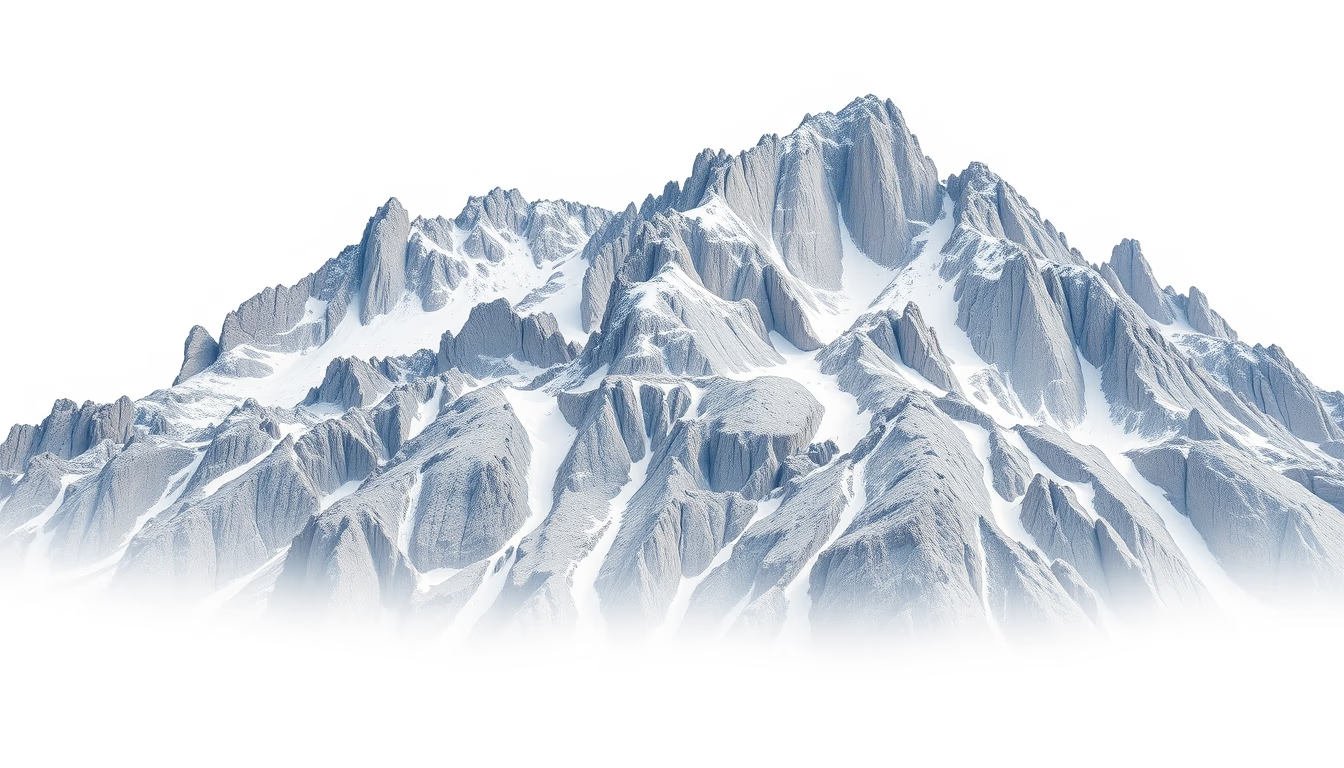
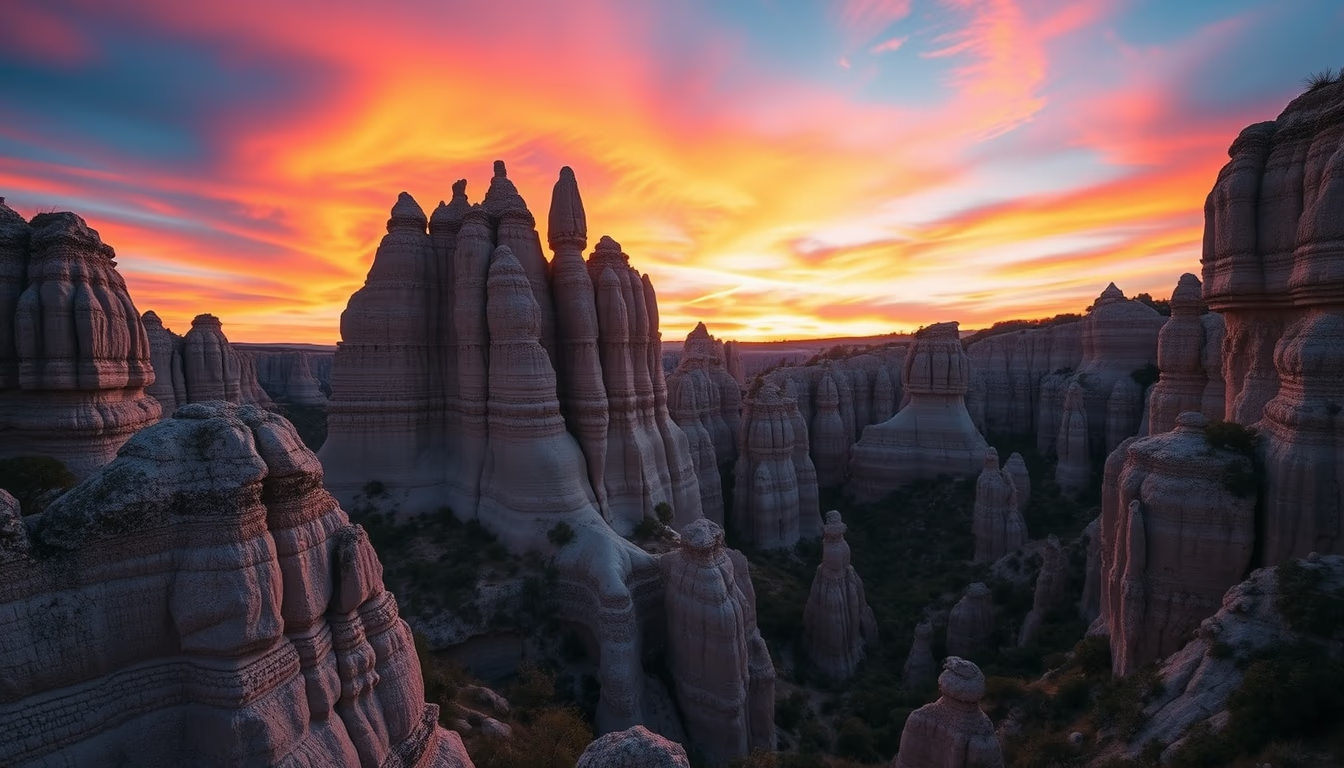
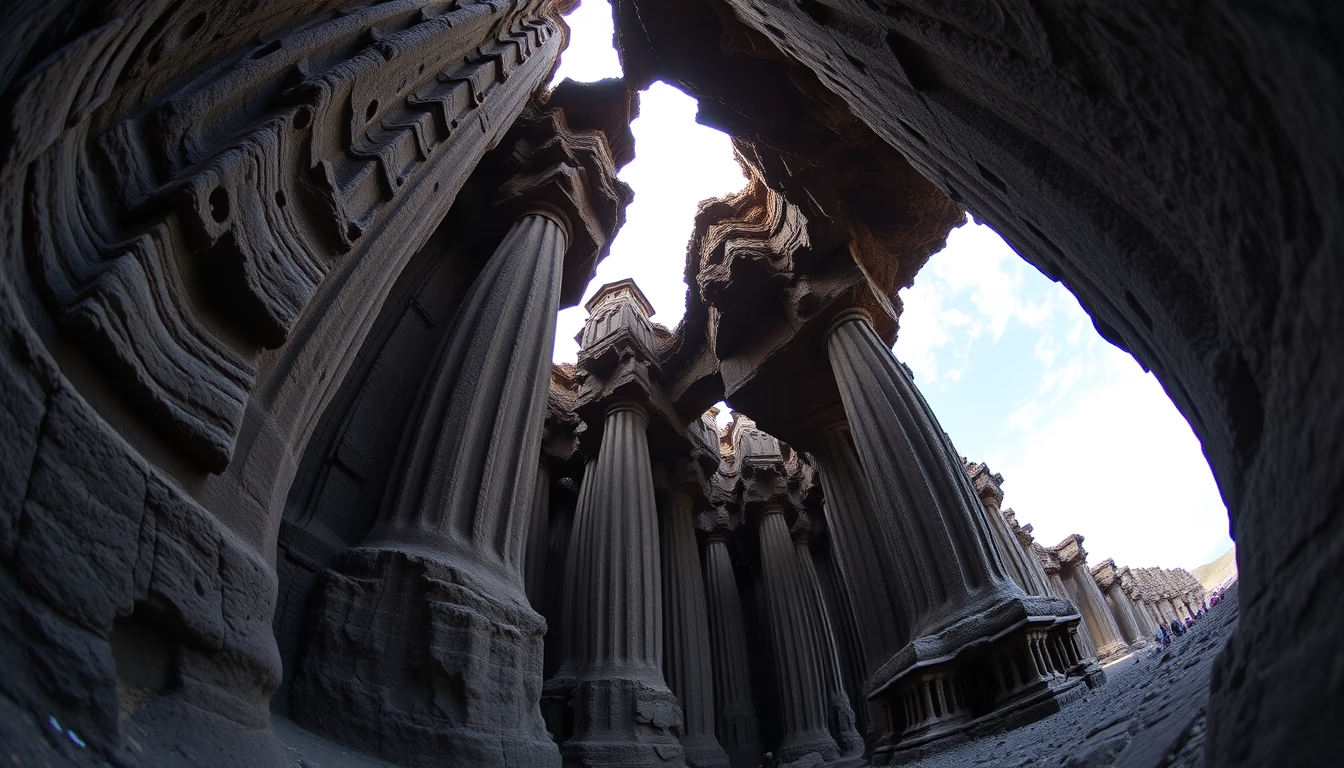
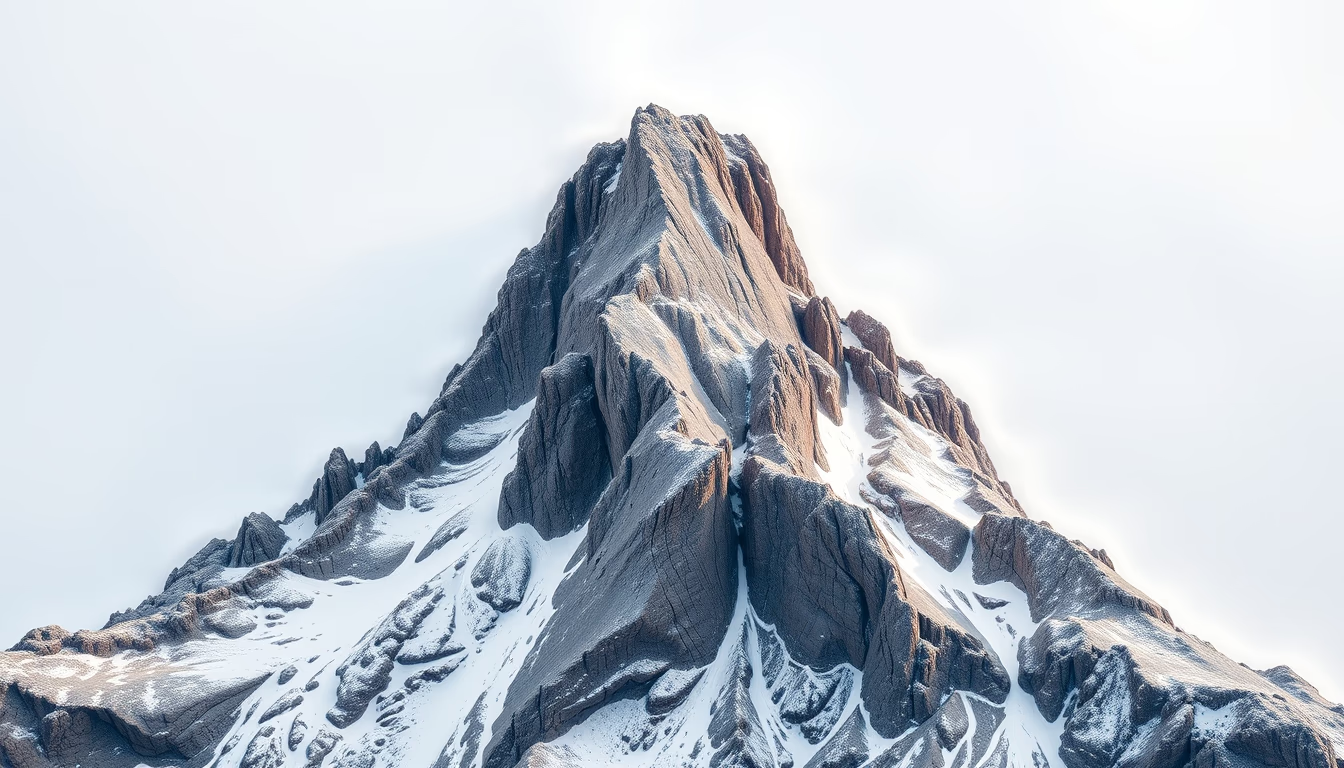
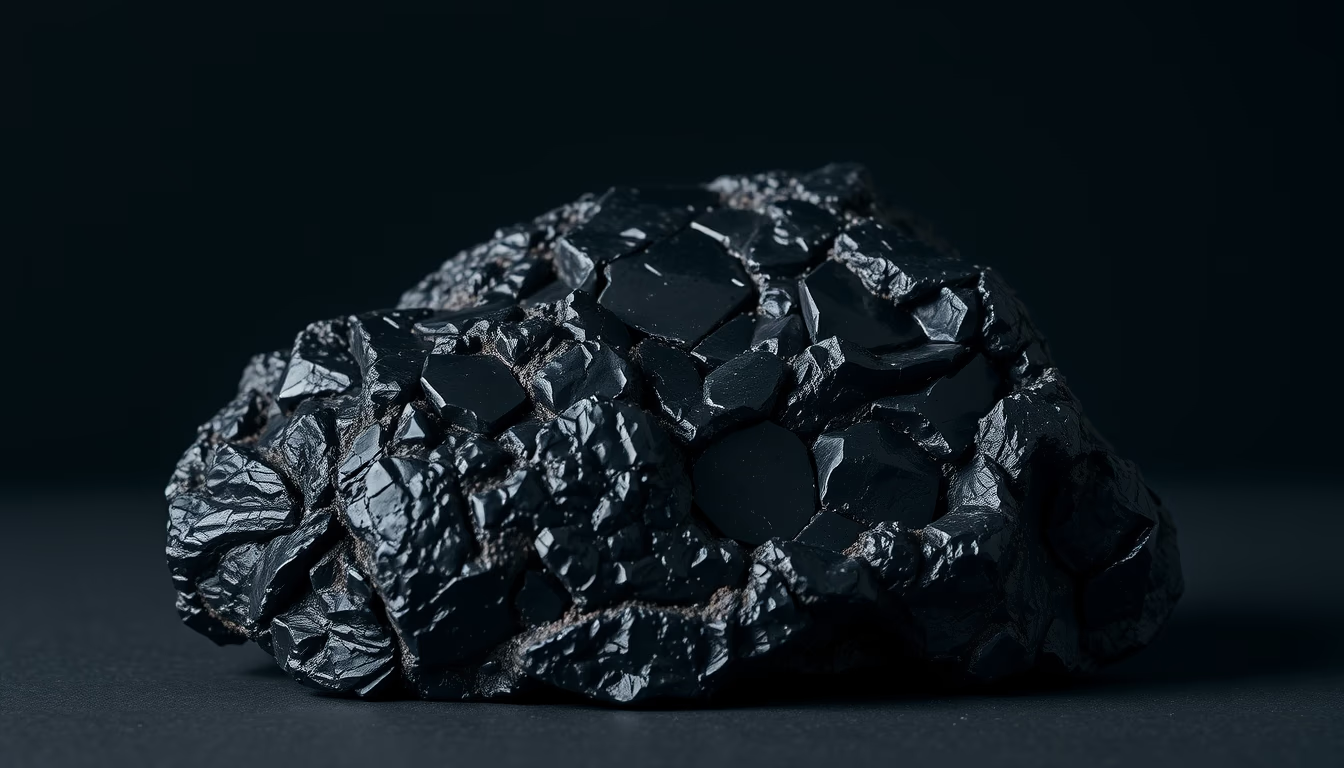
The Granite Mountain Massive is an iconic rock formation made of granite, known for its imposing presence and natural beauty.
About this subject
The Granite Mountain Massive is a remarkable example of a rock formation composed primarily of granite, an igneous plutonic rock formed by the slow cooling of magma beneath the Earth's surface. This geological process, occurring over millions of years, results in a granular texture and visible crystals of quartz, feldspar, and mica. These rocks are extremely resistant to erosion, explaining why granite mountains like this one remain imposing over time.
Found in various regions worldwide, granite formations are especially common in areas of ancient tectonic activity, such as the Andes, the Rocky Mountains, and the Serra do Mar in Brazil. The Granite Mountain Massive attracts geologists and tourists interested in studying Earth's geological history and appreciating dramatic landscapes. The mineralogical composition of granite also influences its color, which can range from light gray to pink, depending on the amount of potassium feldspar present.
Beyond its scientific value, granite is widely used in construction and monuments due to its durability and aesthetic appearance. Many statues, countertops, and iconic buildings, like Mount Rushmore, are carved from granite. However, extraction of this natural resource must be done sustainably to preserve landscapes such as the Granite Mountain Massive, which represent important geological and cultural heritage.
Frequently Asked Questions
What is the Granite Mountain Massive?
It is a large rock formation composed of granite, resulting from ancient geological processes. It stands out for its durability and scenic beauty.
How does granite form?
Granite forms from the slow cooling of magma within the Earth's crust over millions of years, resulting in visible crystals of minerals such as quartz, feldspar, and mica.
Where are other famous granite mountains found?
Examples include Mount Rushmore in the USA, Pedra da Gávea in Brazil, and the Granite Massif in the Alps. These formations are common in regions with active tectonic history.
Direct URL
https://pub-c7d6a6ea828543ac903a74a341ccb2e1.r2.dev/imagens/granite-mountain-massive-commercial-product-photography-fresh10.avifHow to credit
Include a visible link back to UtilizAí. Copy one of the snippets below:
<a href="https://xn--utiliza-eza.com/en/midia/imagens/granite-mountain-massive-commercial-product-photography-fresh10">Granite mountain massive</a> by <a href="https://xn--utiliza-eza.com">UtilizAí</a>, licensed under <a href="https://creativecommons.org/licenses/by/4.0/">CC BY 4.0</a>.
[Granite mountain massive](https://xn--utiliza-eza.com/en/midia/imagens/granite-mountain-massive-commercial-product-photography-fresh10) by [UtilizAí](https://xn--utiliza-eza.com), CC BY 4.0
License: CC-BY-4.0