Gondola venice canal
1344×768 · AVIF · CC BY 4.0
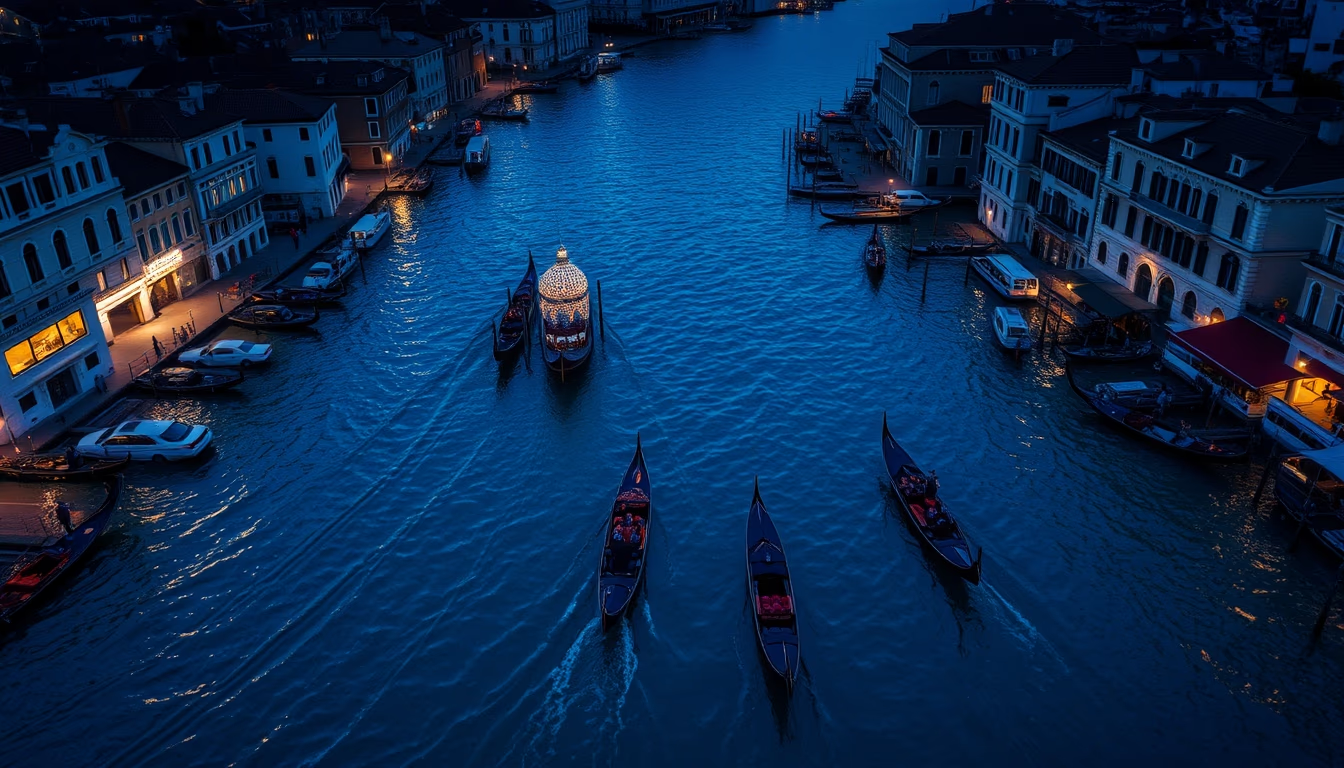
The gondola, an iconic symbol of Venice, glides through the city's historical canals, offering a traditional ride among centuries-old palaces and bridges.
About this subject
The gondola is a traditional Venetian boat used for centuries as the primary means of transportation through the canals of Venice. Its asymmetric shape and single oar (remo) require great skill from the gondolier, who stands at the stern to maneuver. Handcrafted construction follows techniques passed down through generations, using woods such as oak, walnut, and mahogany. Each gondola is unique, taking about three months to complete in specialized shipyards called squeri.
Venice's canals form an intricate water network that replaces conventional streets. The Grand Canal, the main waterway, winds for over three kilometers lined with Gothic and Renaissance palaces. It is estimated that about 400 gondolas are currently in operation, a sharp decline from the 16th century when they exceeded 10,000. This reduction is due to the rise of motorized boats and regulation of water traffic.
The iron prow of the gondola, called ferro, has six prongs representing the six sestieri (districts) of Venice, plus a back prong symbolizing the island of Giudecca. The curvature of the ferro counterbalances the gondolier's weight, maintaining stability. Although now mainly used for tourism, gondolas were once the means of transport for aristocratic families, who decorated them luxuriously. A gondola ride under the Rialto and Academy bridges offers a unique perspective of the floating city.
Frequently Asked Questions
How is a gondola made and what materials are used?
A gondola is handcrafted in shipyards called squeri. It uses noble woods such as oak, walnut, mahogany, and elm. It consists of about 280 pieces, and construction takes approximately three months.
How many gondolas exist in Venice today?
It is estimated that there are about 400 gondolas in operation. In the 16th century, the number exceeded 10,000, but it drastically decreased with the advent of motorboats and regulations.
What is the meaning of the gondola's iron prow?
The iron has six prongs representing the six sestieri (districts) of Venice. The backward prong symbolizes the island of Giudecca. The curvature of the iron counterbalances the gondolier's weight, ensuring stability.
Direct URL
https://pub-c7d6a6ea828543ac903a74a341ccb2e1.r2.dev/imagens/gondola-venice-canal-aerial-drone-shot-p10.avifHow to credit
Include a visible link back to UtilizAí. Copy one of the snippets below:
<a href="https://xn--utiliza-eza.com/en/midia/imagens/gondola-venice-canal-aerial-drone-shot-p10">Gondola venice canal</a> by <a href="https://xn--utiliza-eza.com">UtilizAí</a>, licensed under <a href="https://creativecommons.org/licenses/by/4.0/">CC BY 4.0</a>.
[Gondola venice canal](https://xn--utiliza-eza.com/en/midia/imagens/gondola-venice-canal-aerial-drone-shot-p10) by [UtilizAí](https://xn--utiliza-eza.com), CC BY 4.0
License: CC-BY-4.0