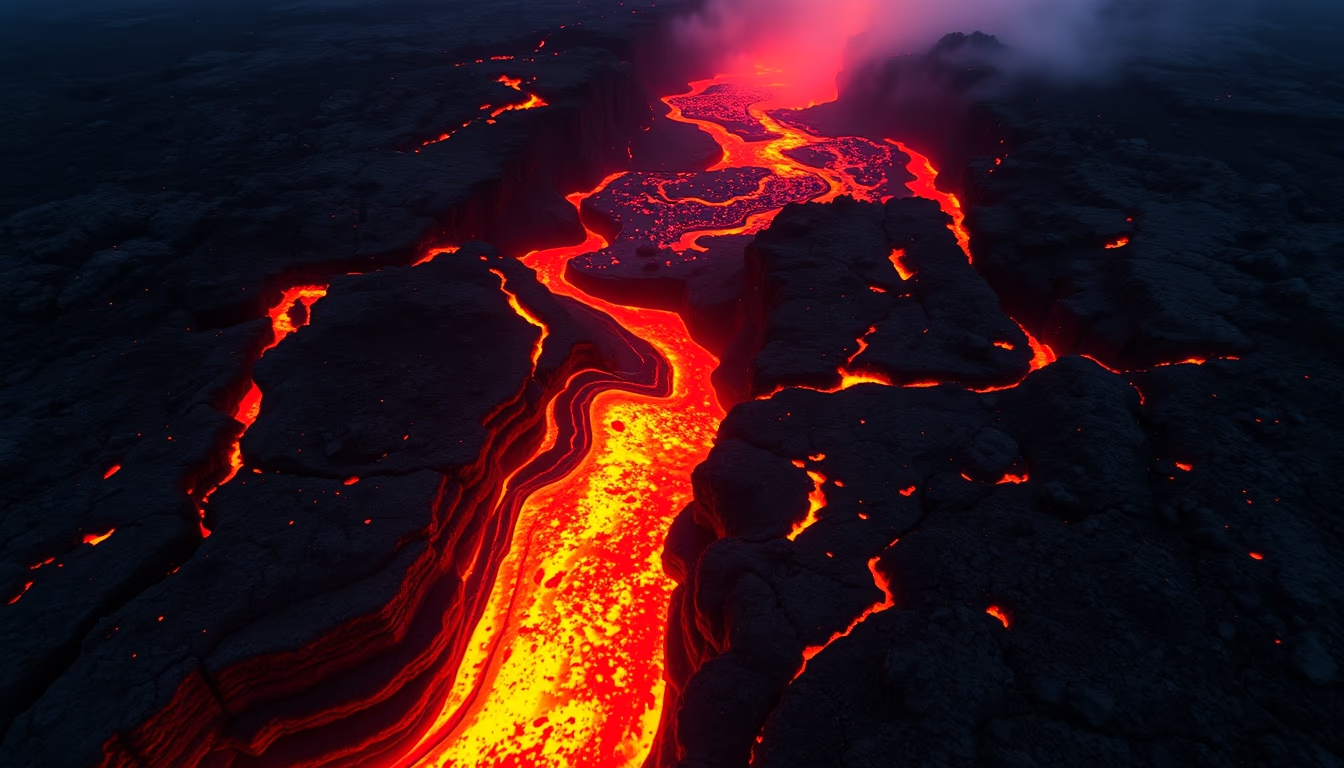
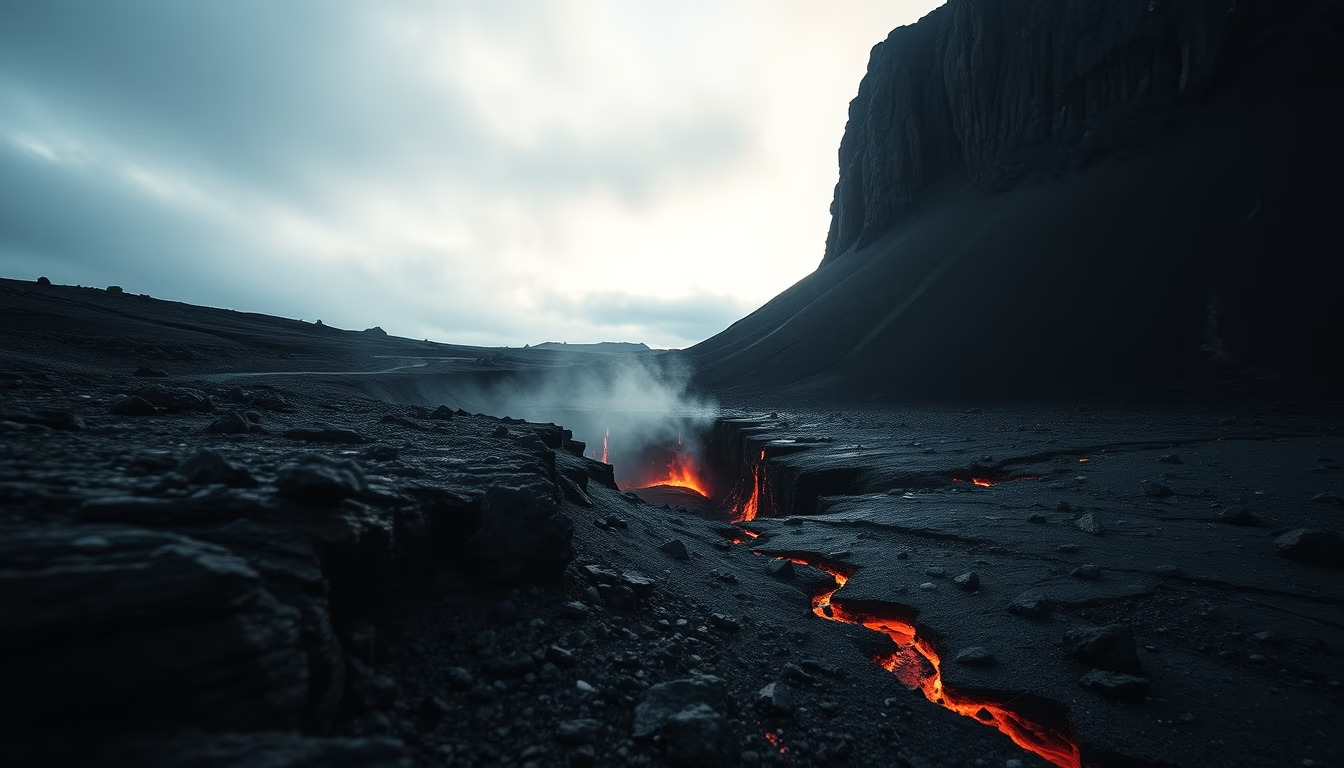
Fuego guatemala explosion
1344×768 · AVIF · CC BY 4.0
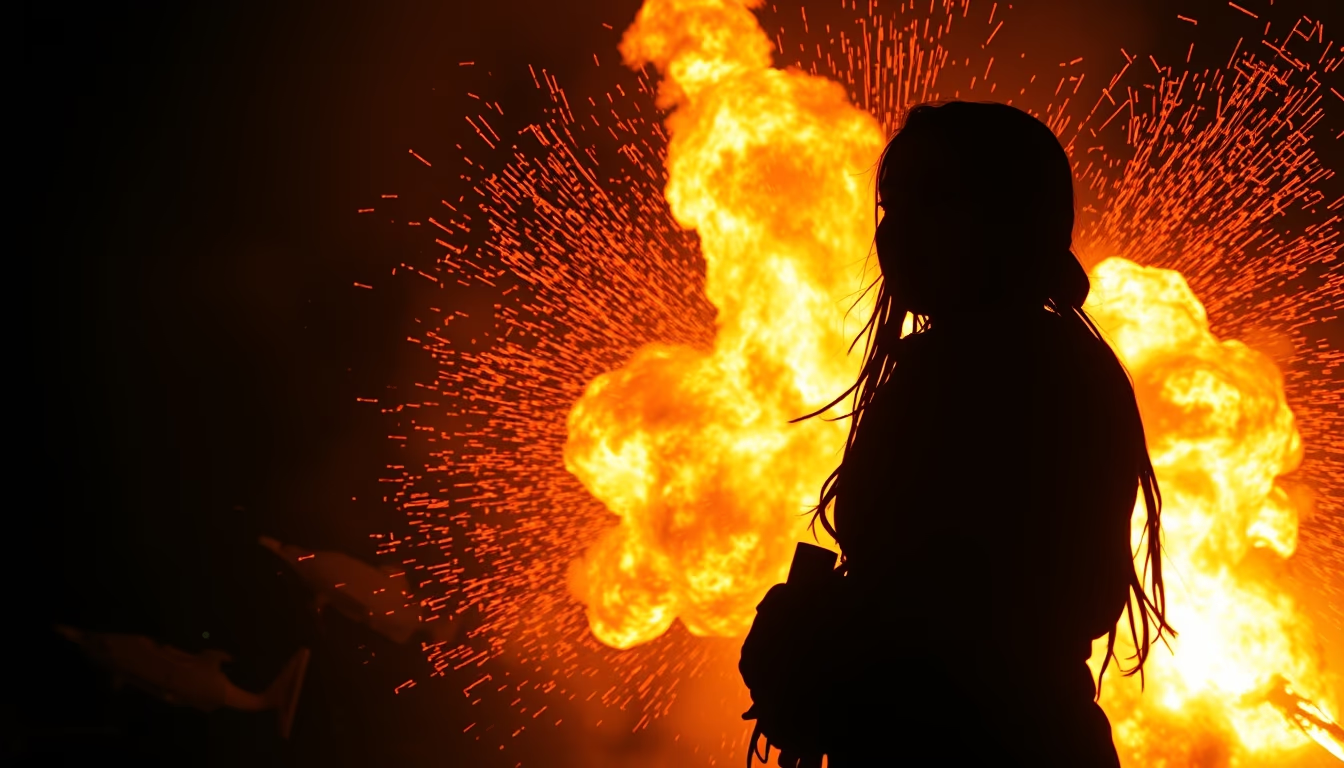
Explosion of Volcán de Fuego in Guatemala: understand the phenomenon, its frequency, and the risks for surrounding communities.
About this subject
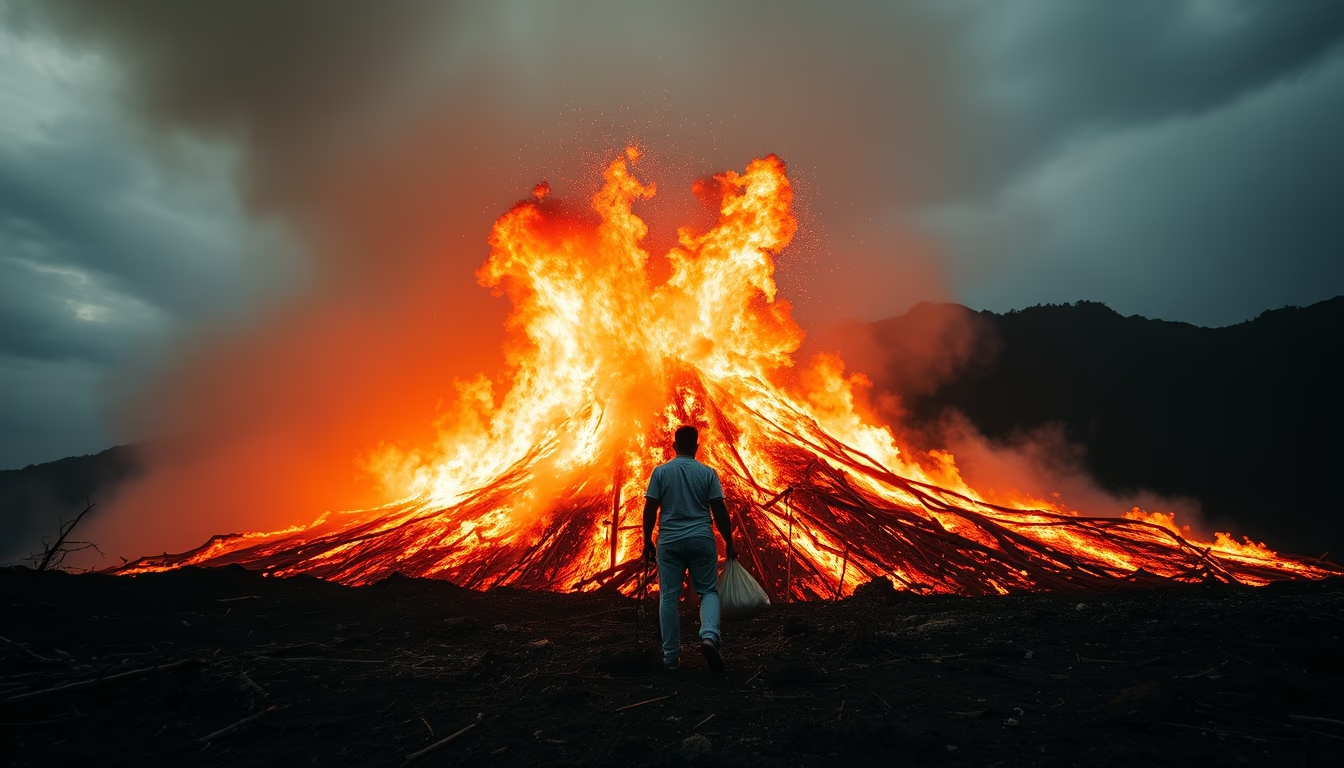
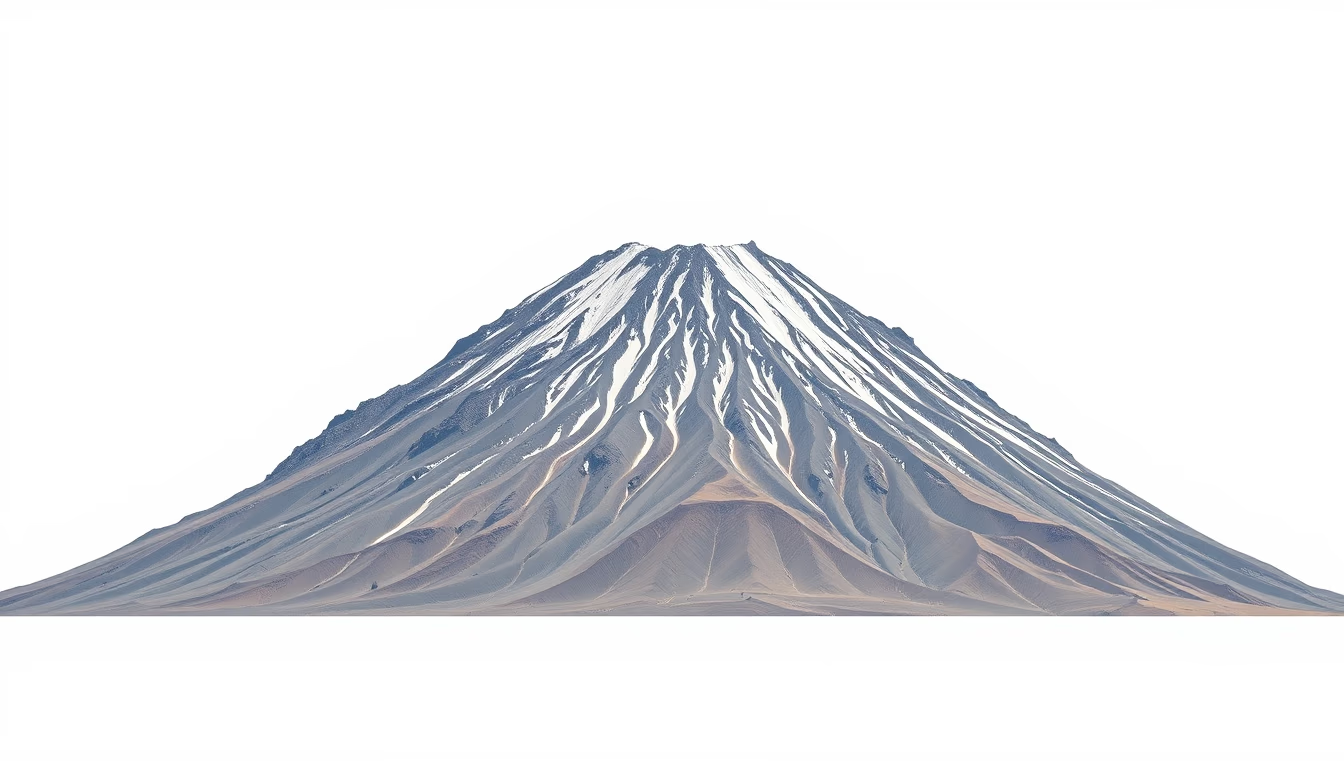
Volcán de Fuego, located in Guatemala, is one of the most active stratovolcanoes in Central America. Standing 3,763 meters tall, it spans the departments of Sacatepéquez, Escuintla, and Chimaltenango, near the historic city of Antigua. Its eruptive activity is constant, featuring Strombolian explosions and pyroclastic flows that descend its slopes. On June 3, 2018, a violent eruption triggered an avalanche of volcanic material that struck rural communities such as San Miguel Los Lotes and El Rodeo, resulting in over 400 deaths and disappearances. This event prompted changes in the country's alert and evacuation systems.
The name "Fuego" comes from the flames and explosions visible from afar, which impressed Spanish colonizers. It is a destination for adventure tourists who climb its flanks to observe the active crater. The volcano is part of the Pacific Ring of Fire, a region of intense seismic and volcanic activity. Its frequent eruptions, though dangerous, also enrich the soil with fertile ash, benefiting local agriculture, especially coffee and vegetable cultivation on the lower slopes.
Monitoring of Volcán de Fuego is carried out by INSIVUMEH (National Institute of Seismology, Volcanology, Meteorology and Hydrology), using cameras, seismic sensors, and gas analysis. Despite technological advances, precise eruption forecasting remains challenging. The 2018 eruption highlighted the need for better contingency plans, as many families lacked time to escape the debris flows. Today, the area remains under permanent alert, with communities trained to evacuate quickly.
Interesting fact: Volcán de Fuego often erupts simultaneously with its neighbor Volcán Acatenango, creating a rare natural spectacle. Many tourists camp on Acatenango to watch Fuego's night-time explosions, an experience that combines beauty and danger.
Frequently Asked Questions
What was the deadliest eruption of Volcán de Fuego?
The deadliest eruption occurred on June 3, 2018, when pyroclastic flows and lahars devastated the communities of San Miguel Los Lotes and El Rodeo, causing over 400 deaths and destroying hundreds of homes.
Is it safe to visit Volcán de Fuego?
Visits are possible with experienced guides but require caution. Eruptions are frequent and unpredictable. It is recommended to follow INSIVUMEH alerts and avoid approaching the crater during intense eruptive activity.
What is the difference between Volcán de Fuego and Acatenango?
Fuego is the most active, with frequent eruptions visible to the naked eye, while Acatenango is a dormant volcano that allows camping to observe its neighbor's explosions.
Direct URL
https://pub-c7d6a6ea828543ac903a74a341ccb2e1.r2.dev/imagens/fuego-guatemala-explosion-lo-fi-disposable-camera-fresh1.avifHow to credit
Include a visible link back to UtilizAí. Copy one of the snippets below:
<a href="https://xn--utiliza-eza.com/en/midia/imagens/fuego-guatemala-explosion-lo-fi-disposable-camera-fresh1">Fuego guatemala explosion</a> by <a href="https://xn--utiliza-eza.com">UtilizAí</a>, licensed under <a href="https://creativecommons.org/licenses/by/4.0/">CC BY 4.0</a>.
[Fuego guatemala explosion](https://xn--utiliza-eza.com/en/midia/imagens/fuego-guatemala-explosion-lo-fi-disposable-camera-fresh1) by [UtilizAí](https://xn--utiliza-eza.com), CC BY 4.0
License: CC-BY-4.0