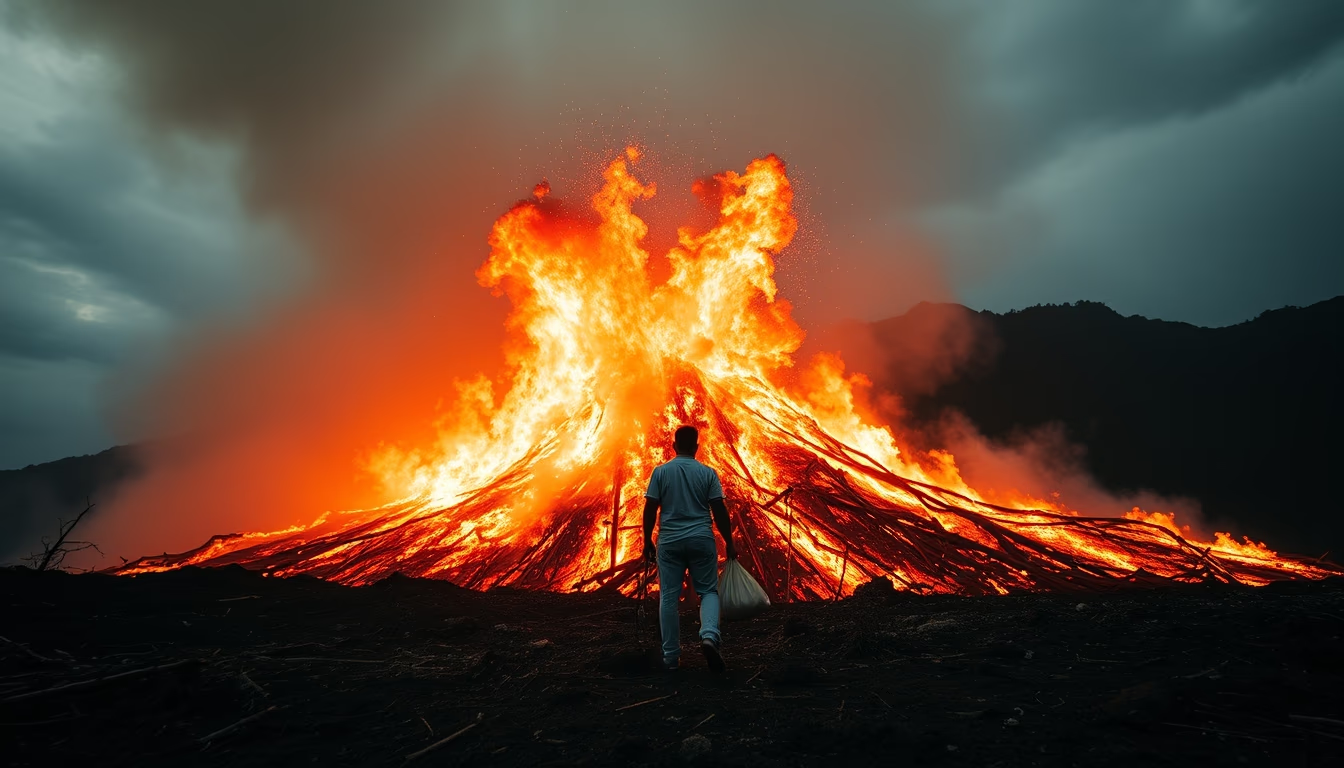
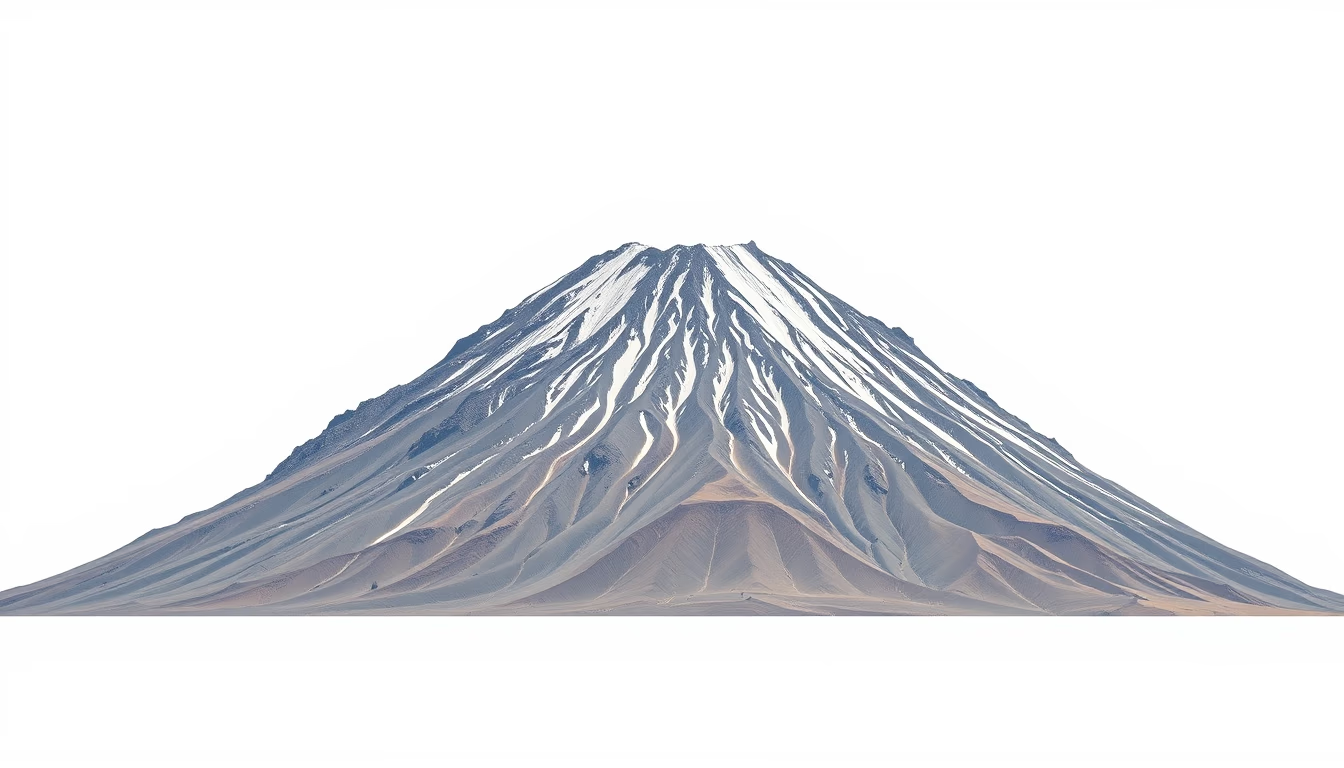
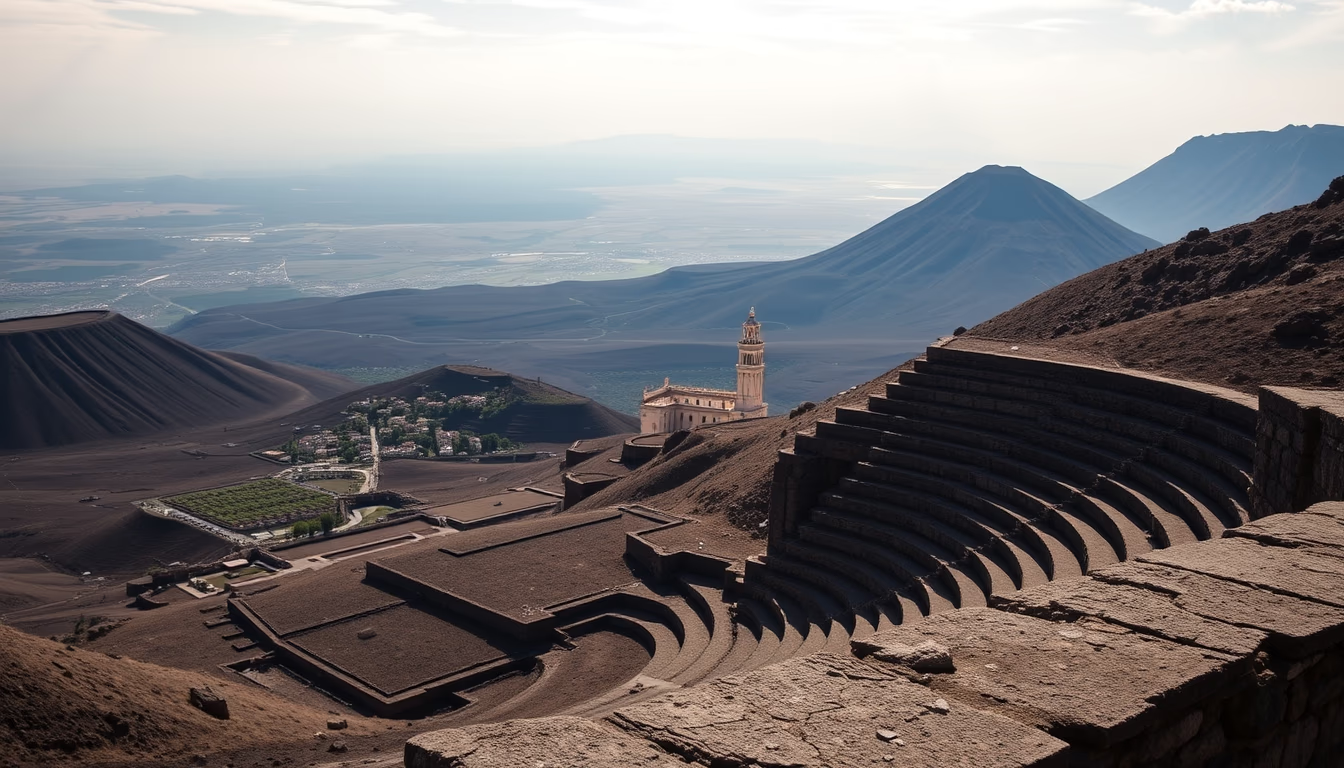
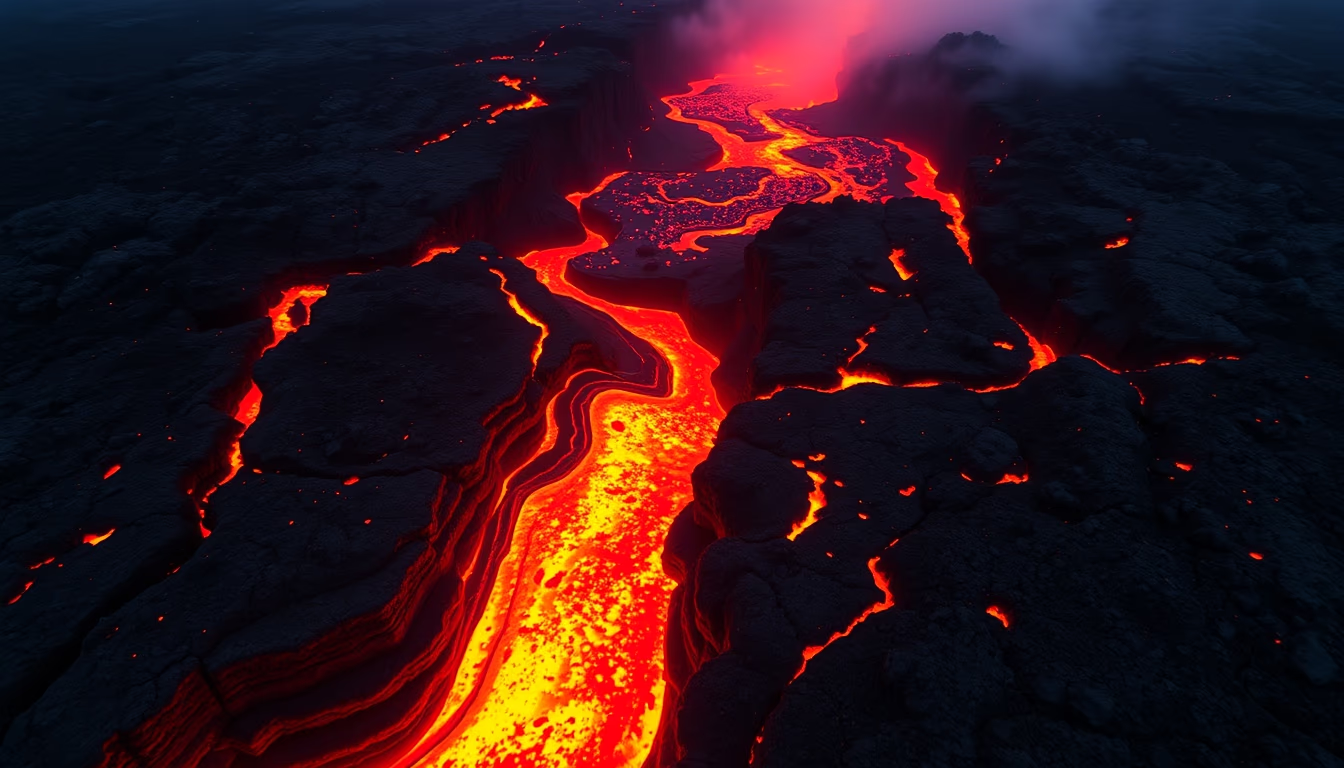
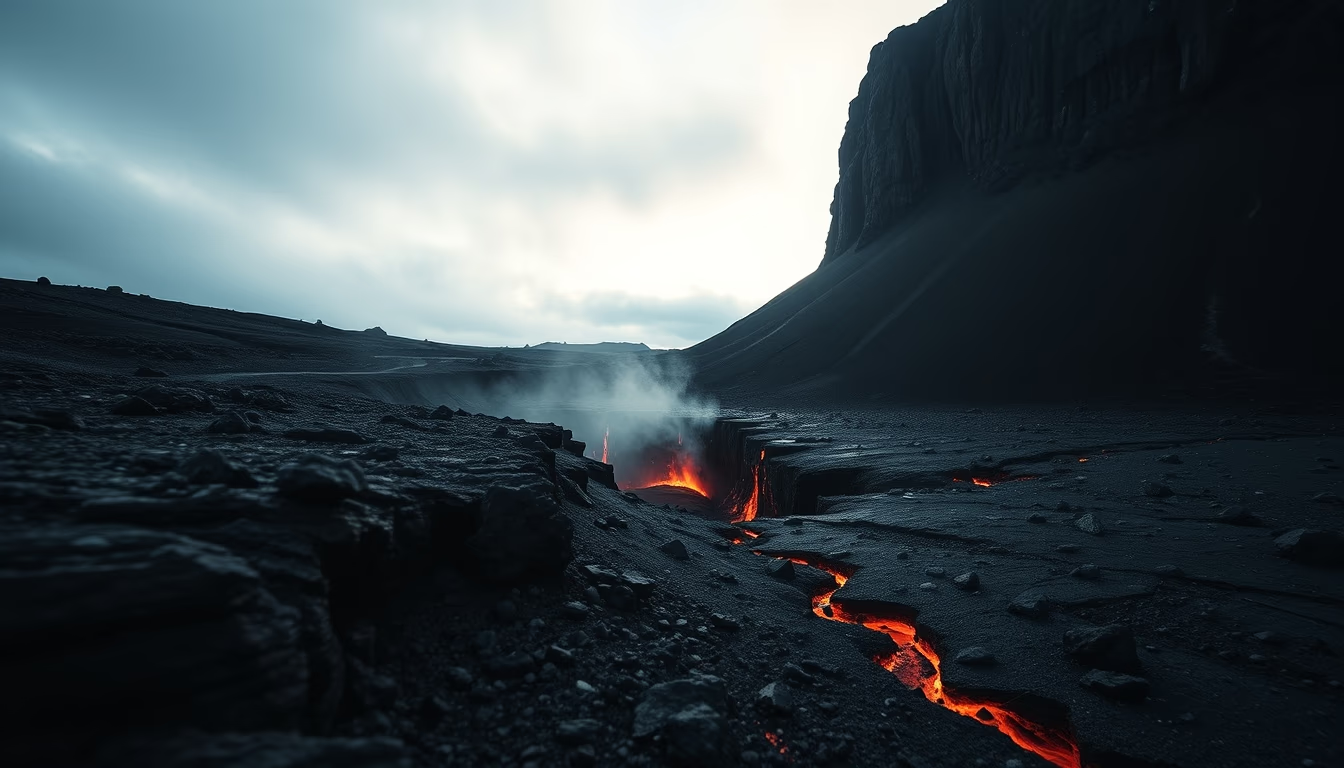
Fuego guatemala explosion
1344×768 · AVIF · CC BY 4.0
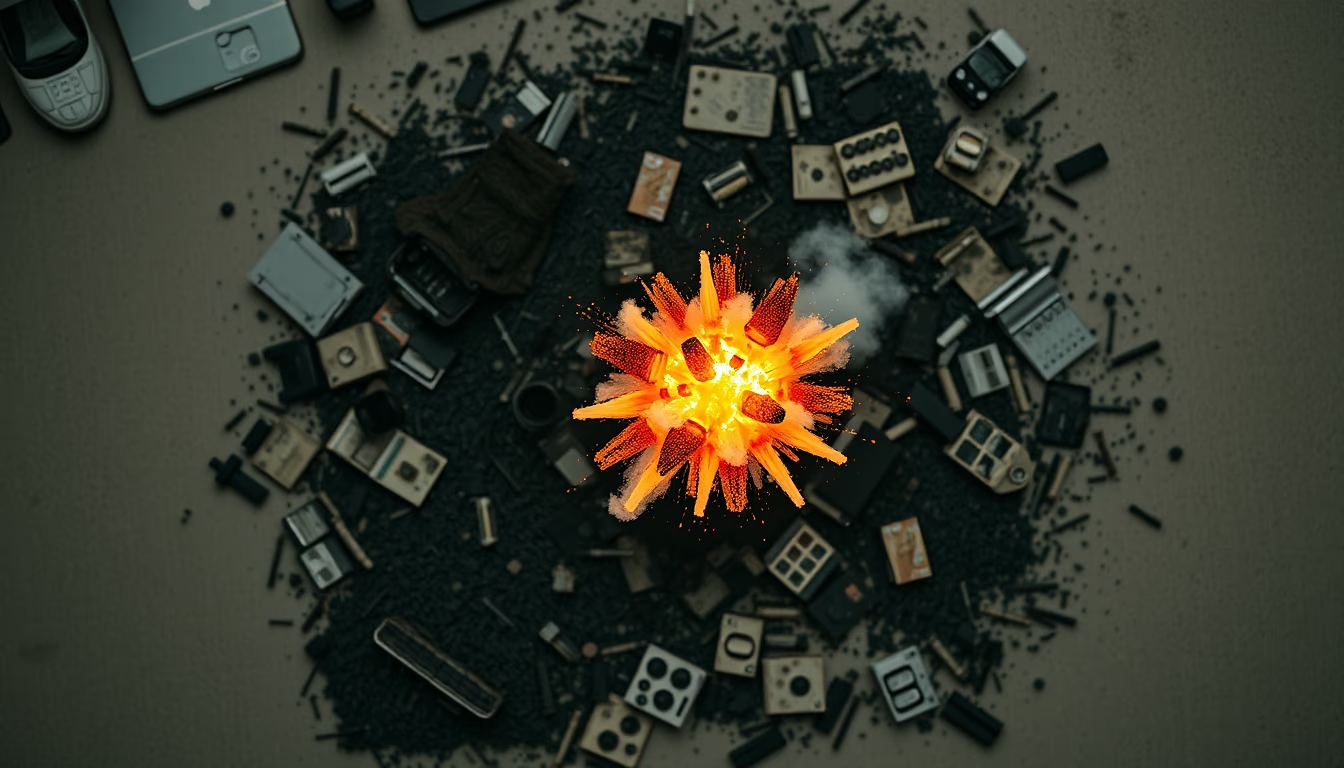
Volcán de Fuego, located in Guatemala, is one of the most active volcanoes in Central America and was the site of a devastating eruption in 2018 that caused hundreds of deaths.
About this subject
Volcán de Fuego, standing at 3,763 meters, is part of the Central American Volcanic Arc, formed by the subduction of the Cocos Plate under the Caribbean Plate. Located about 50 km west of Guatemala City, it is one of the three active volcanoes in the country, alongside Pacaya and Santiaguito. Its activity is constantly monitored by the National Institute of Seismology, Volcanology, Meteorology, and Hydrology (INSIVUMEH).
On June 3, 2018, an explosive eruption sent an ash column 15 km high and produced pyroclastic flows that descended slopes at speeds exceeding 100 km/h. These flows buried entire communities such as San Miguel Los Lotes and El Rodeo, resulting in over 400 deaths and thousands displaced. The eruption also disrupted aviation, with airports closed across the region.
Historically, Fuego has erupted frequently since the Spanish conquest, with notable events in 1974, 1999, and 2012. Its activity is characterized by Strombolian explosions and lava effusions. The volcano is a cultural icon in Guatemala, appearing on municipal coats of arms and featuring in Mayan legends. For locals, it represents both a threat and a source of fertile soil for agriculture.
Scientifically, Fuego serves as a natural laboratory for studying volcanic hazards such as lahars and pyroclastic flows. After 2018, early warning systems and evacuation plans were strengthened. Despite risks, adventure tourism attracts climbers attempting to reach its summit, though recent activity requires permits and experienced guides.
Frequently Asked Questions
What caused the 2018 eruption of Volcán de Fuego?
The eruption was triggered by the rapid ascent of gas-rich magma, which built up internal pressure, fragmenting material and producing a violent eruptive column followed by pyroclastic flows. Tectonic subduction in the region continuously supplies magma.
Is Volcán de Fuego still active?
Yes, Fuego remains active with frequent low-to-moderate intensity eruptions. INSIVUMEH reports daily explosions with ash emissions and occasional lava flows.
Is it safe to climb Volcán de Fuego?
Climbing is permitted but requires a permit and a certified guide due to risks of sudden explosions, rockfalls, and toxic gas emissions. The activity is banned during strong eruptions.
Direct URL
https://pub-c7d6a6ea828543ac903a74a341ccb2e1.r2.dev/imagens/fuego-guatemala-explosion-isometric-flat-lay-fresh4.avifHow to credit
Include a visible link back to UtilizAí. Copy one of the snippets below:
<a href="https://xn--utiliza-eza.com/en/midia/imagens/fuego-guatemala-explosion-isometric-flat-lay-fresh4">Fuego guatemala explosion</a> by <a href="https://xn--utiliza-eza.com">UtilizAí</a>, licensed under <a href="https://creativecommons.org/licenses/by/4.0/">CC BY 4.0</a>.
[Fuego guatemala explosion](https://xn--utiliza-eza.com/en/midia/imagens/fuego-guatemala-explosion-isometric-flat-lay-fresh4) by [UtilizAí](https://xn--utiliza-eza.com), CC BY 4.0
License: CC-BY-4.0