Freight train cars
1344×768 · AVIF · CC BY 4.0
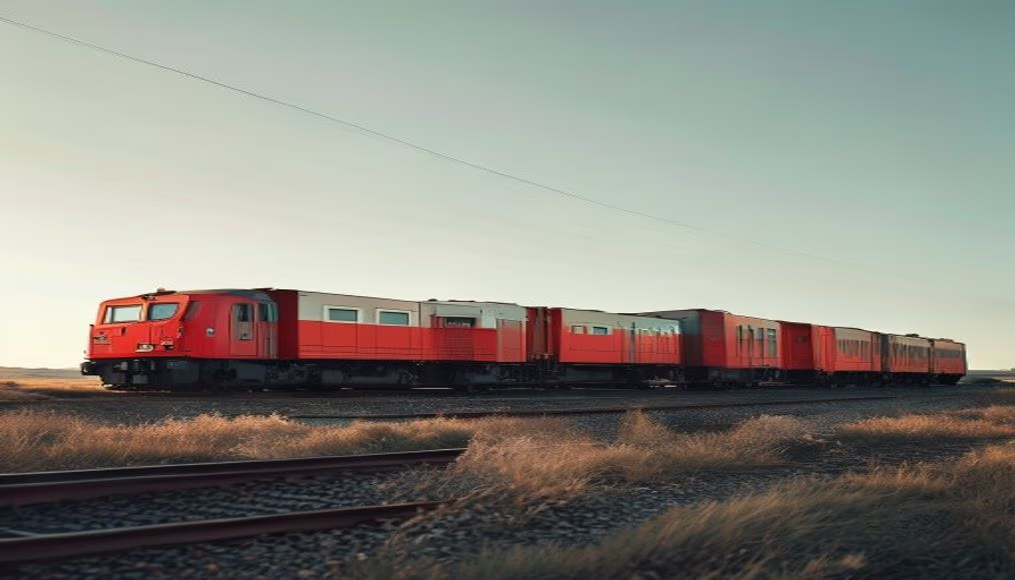
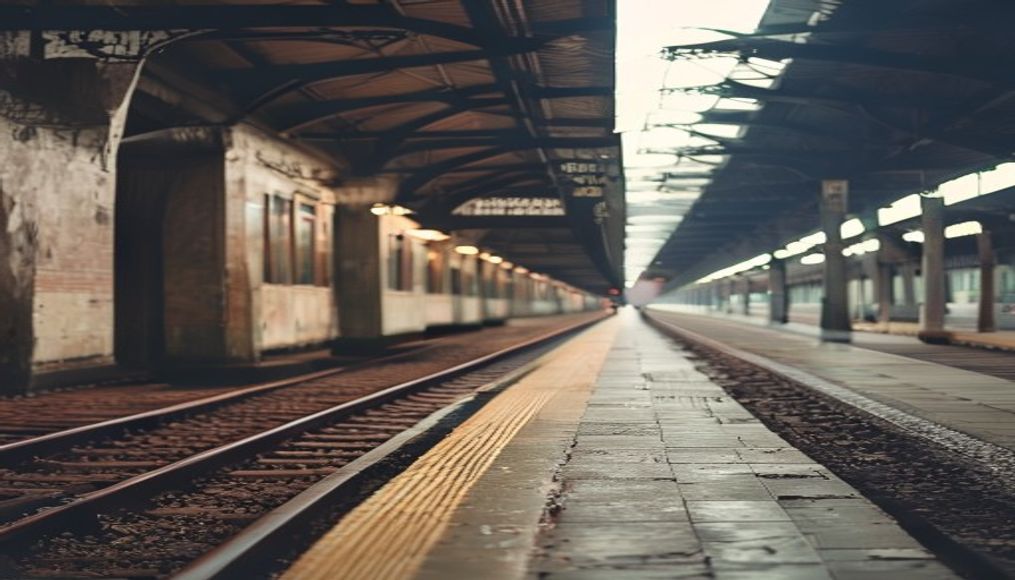
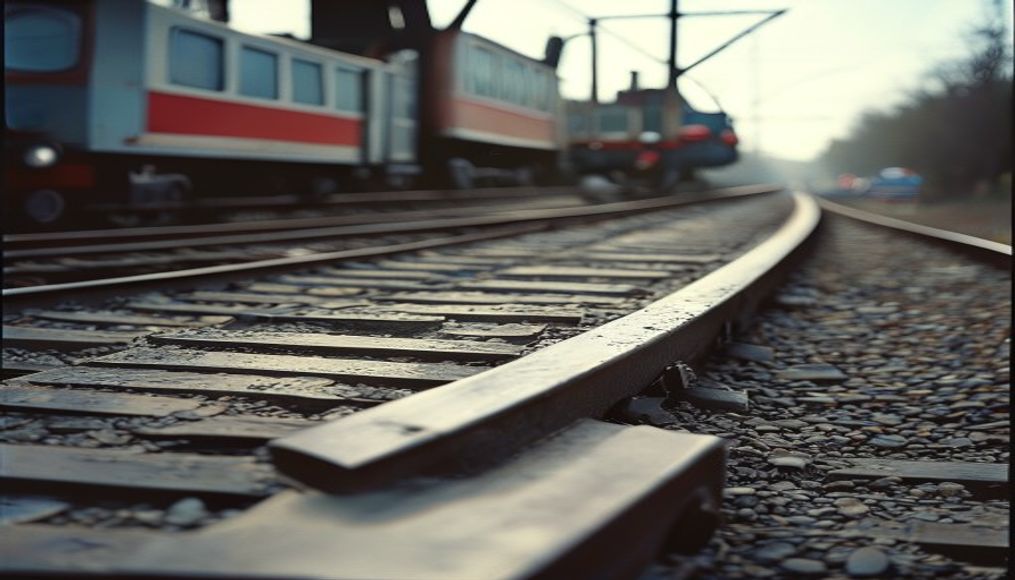
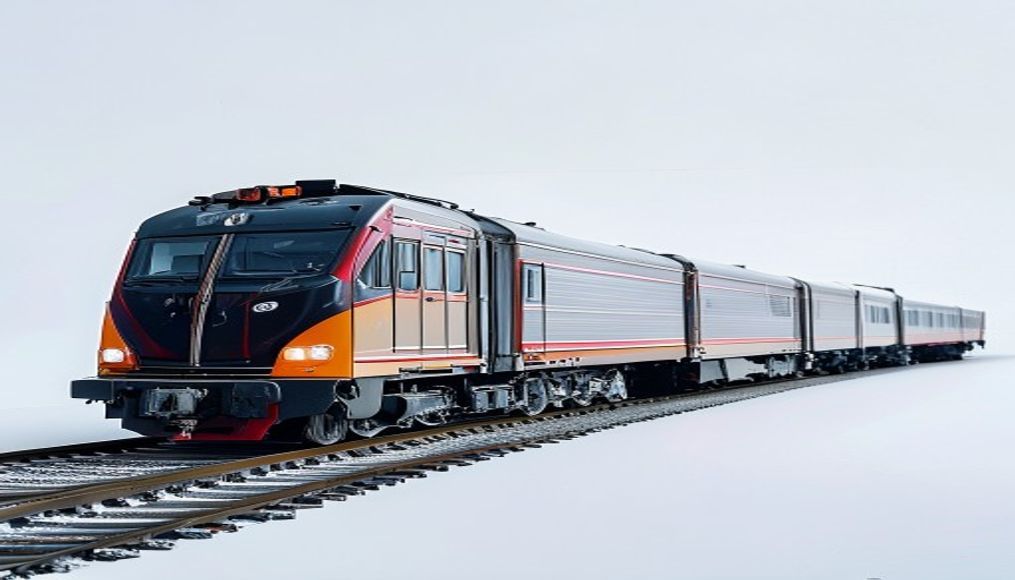
Freight train cars are essential units in rail transport of goods, varying in types such as gondola, tank, and flatcar.
About this subject
Freight train cars are the backbone of rail freight transport worldwide, designed to carry heavy loads and withstand harsh conditions. Unlike passenger cars, they handle everything from bulk minerals and grains to chemicals and shipping containers. International standardization by bodies like the Association of American Railroads (AAR) and the International Union of Railways (UIC) ensures interoperability across different rail networks.
Major types include gondola cars, open or covered, ideal for bulk loads such as coal and ore; tank cars, cylindrical and pressurized, for liquids and gases; flatcars for long loads or containers; hopper cars with bottom-dumping mechanisms; and refrigerator cars for temperature-sensitive perishables. Each type meets specific safety and capacity standards, often exceeding 100 tons.
Historically, the first freight cars appeared in the early 19th century alongside steam locomotives. In Brazil, railways were key to exporting agricultural and mineral production, and today they are vital for agribusiness, especially soy, corn, and iron ore. The Carajás Railway, for instance, uses gondola cars to transport ore from Carajás (Pará) to the port of São Luís (Maranhão), in trains of up to 330 cars.
Maintenance and innovation are constant: temperature sensors, electropneumatic brakes, and telemetry systems monitor car integrity in real time. The trend is toward automation and smart cars that report location and weight data, optimizing rail logistics and cutting operational costs.
Frequently Asked Questions
What are the main types of freight train cars?
Main types include gondola, tank, flatcar, hopper, refrigerator, and boxcar. Each is designed for specific cargo: bulk solids, liquids, containers, perishables, or general freight.
What is the average capacity of a freight train car?
Capacity varies by type and local regulations, but modern cars typically carry between 70 and 110 metric tons. Ore cars in Brazil can reach 120 tons.
How does rail transport contribute to logistics in Brazil?
Railways are essential for moving agricultural and mineral production from the interior to ports, especially in the Center-West, North, and Southeast. They offer lower costs and reduced environmental impact compared to road transport for long distances.
Direct URL
https://pub-c7d6a6ea828543ac903a74a341ccb2e1.r2.dev/imagens/freight-train-cars-minimalist-composition-p1.avifHow to credit
Include a visible link back to UtilizAí. Copy one of the snippets below:
<a href="https://xn--utiliza-eza.com/en/midia/imagens/freight-train-cars-minimalist-composition-p1">Freight train cars</a> by <a href="https://xn--utiliza-eza.com">UtilizAí</a>, licensed under <a href="https://creativecommons.org/licenses/by/4.0/">CC BY 4.0</a>.
[Freight train cars](https://xn--utiliza-eza.com/en/midia/imagens/freight-train-cars-minimalist-composition-p1) by [UtilizAí](https://xn--utiliza-eza.com), CC BY 4.0
License: CC-BY-4.0