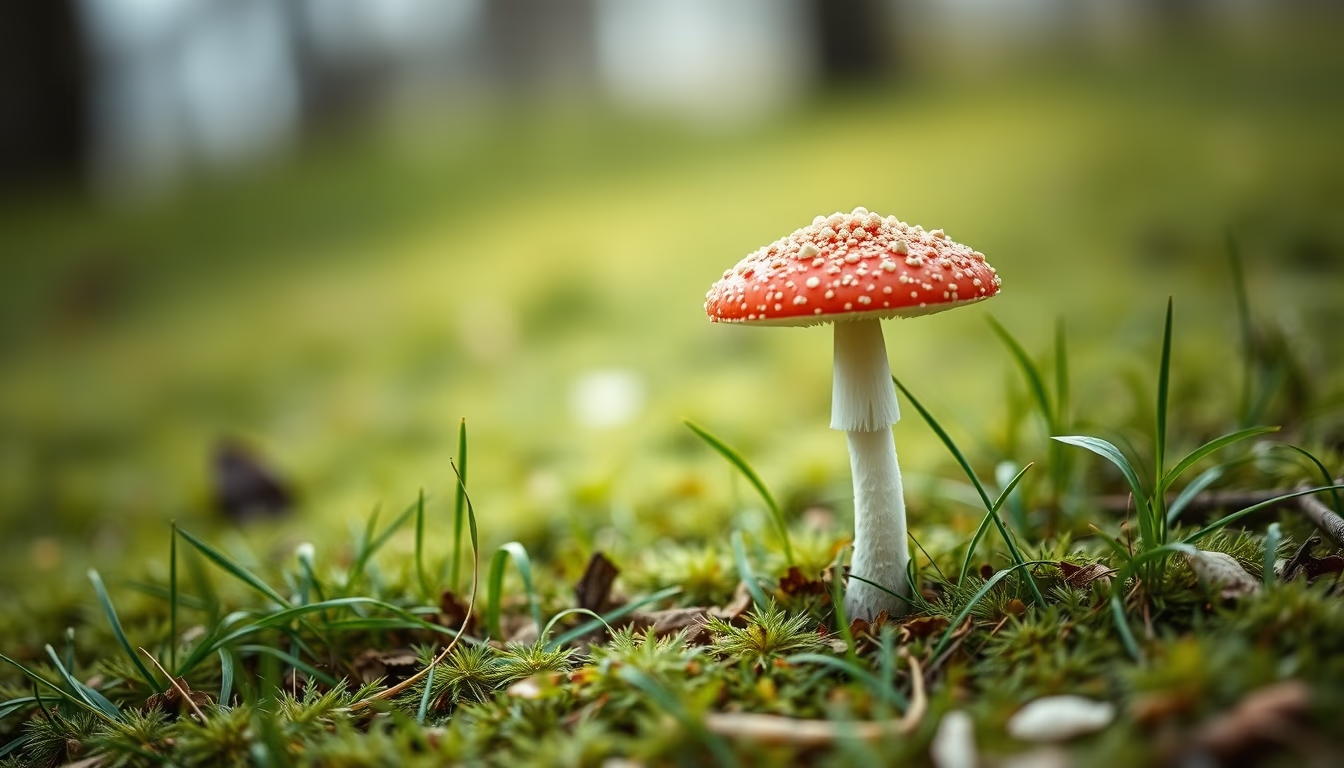
Fly agaric forest floor
1344×768 · AVIF · CC BY 4.0
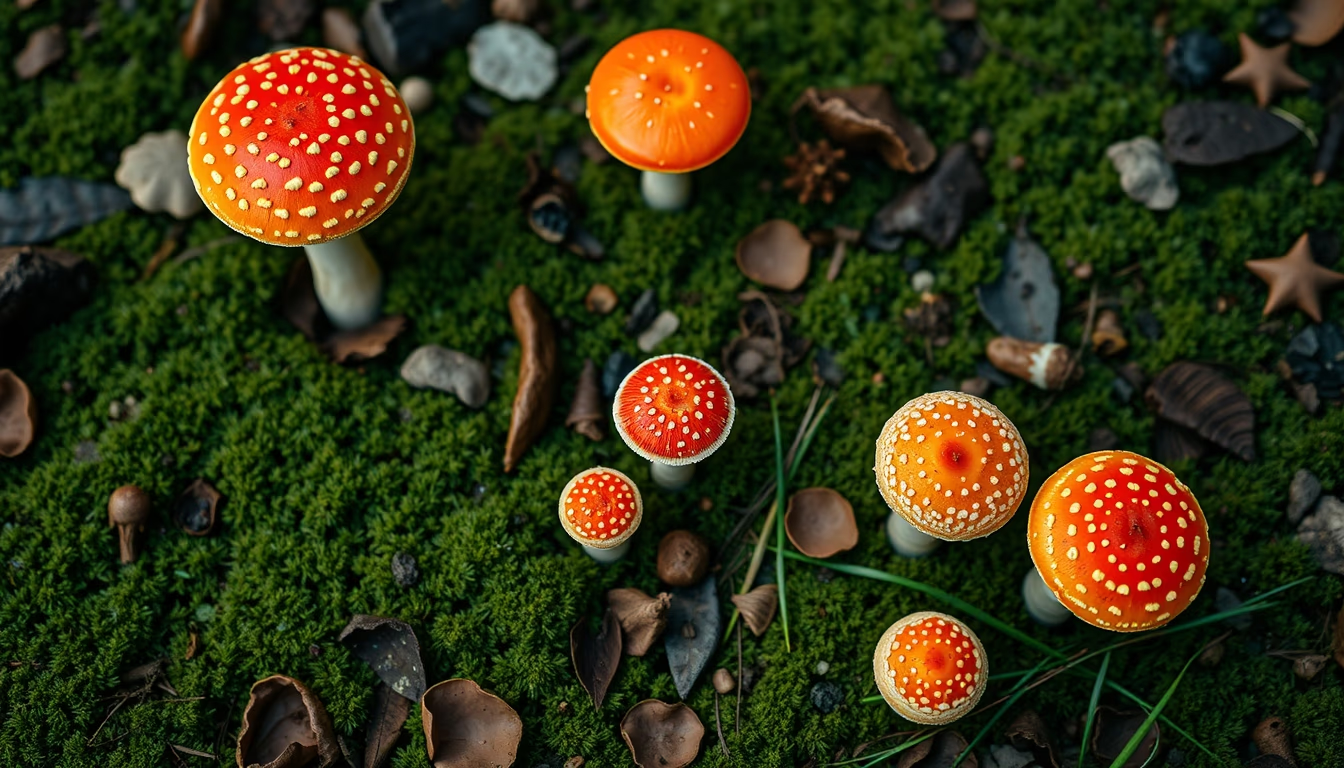
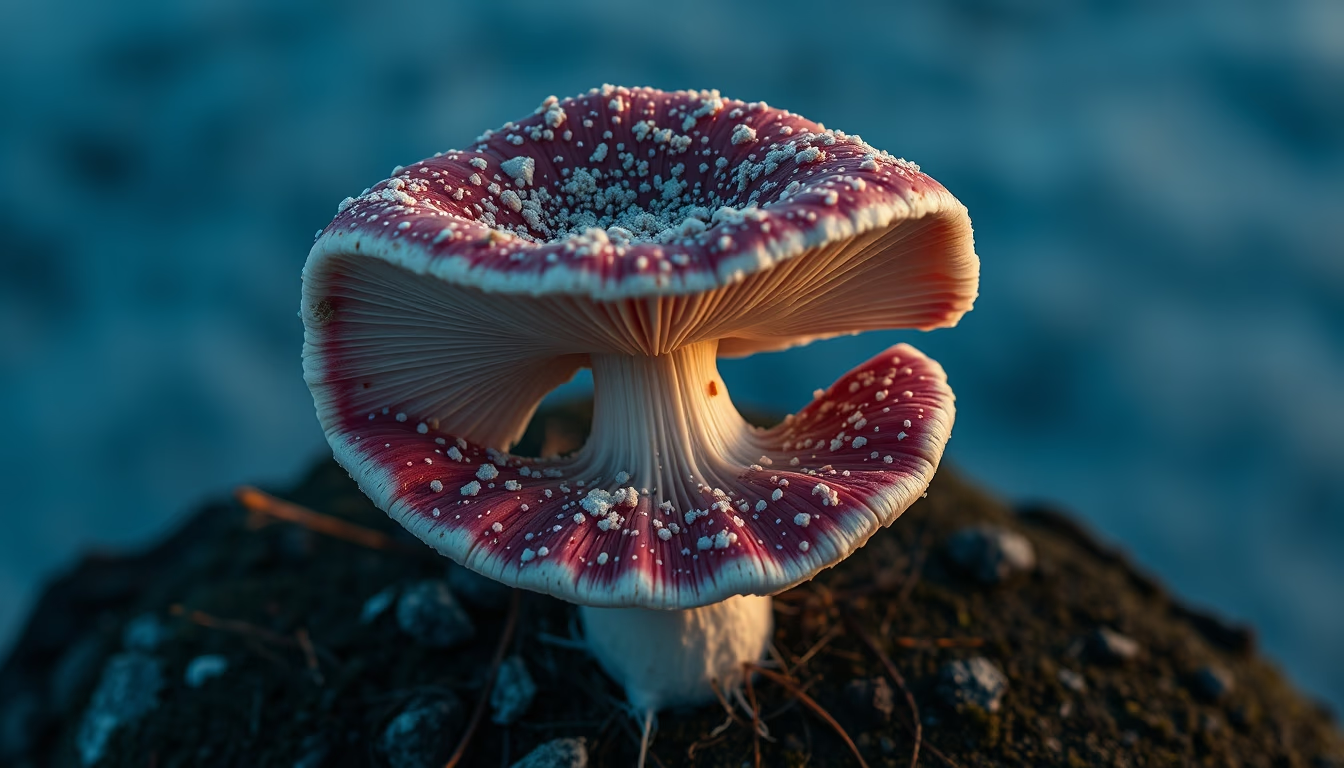
The Amanita muscaria mushroom, known as fly agaric, is one of the most iconic fungi, found in northern hemisphere forests, forming symbiotic associations with trees.
About this subject
The Amanita muscaria mushroom, commonly known as fly agaric, is a basidiomycete fungus of the Amanitaceae family. Recognizable by its bright red cap adorned with white warts, it is one of the most famous mushrooms, often depicted in fairy tales and popular culture. Its natural distribution covers temperate and boreal regions of the northern hemisphere, including Europe, Asia, and North America. The fungus forms ectomycorrhizal relationships with various trees, such as birches, pines, and firs, playing a vital role in plant nutrition and soil health.
Fly agaric has a long history of cultural use, especially among shamanic peoples of Siberia and the Arctic. They used the mushroom in religious rituals due to its psychoactive effects, which include sensory alterations, euphoria, and visions. The main active compounds are ibotenic acid and muscimol, which act as GABA receptor agonists. Despite its traditional use, the mushroom is classified as toxic and can cause nausea, vomiting, confusion, and rarely seizures. Treatment typically involves supportive care, and accidental ingestion should be avoided.
Interestingly, the name "fly agaric" comes from its historical use as an insecticide. Pieces of the mushroom were placed in milk or water to attract and kill flies. Modern studies confirm that muscimol and ibotenic acid are responsible for this property. Additionally, the mushroom has been researched for potential medicinal benefits, such as neuroprotective and anxiolytic effects, though further studies are needed. Its beauty and mystique continue to captivate scientists and mycophiles alike.
Frequently Asked Questions
Is Amanita muscaria edible?
It is not recommended to consume Amanita muscaria due to its toxicity. Although some preparation methods, such as drying, may reduce psychoactive compounds, there is still a risk of poisoning.
Where is fly agaric found?
The mushroom is common in temperate and boreal forests of the northern hemisphere, forming symbiotic associations with birches, pines, and firs. It has also been introduced to regions in the southern hemisphere, such as Australia and New Zealand.
What are the psychoactive effects of Amanita muscaria?
Effects include visual and auditory hallucinations, euphoria, muscle relaxation, and altered time perception. They are caused by the compounds muscimol and ibotenic acid, which act on the GABAergic system.
Direct URL
https://pub-c7d6a6ea828543ac903a74a341ccb2e1.r2.dev/imagens/fly-agaric-forest-floor-isometric-flat-lay-p3.avifHow to credit
Include a visible link back to UtilizAí. Copy one of the snippets below:
<a href="https://xn--utiliza-eza.com/en/midia/imagens/fly-agaric-forest-floor-isometric-flat-lay-p3">Fly agaric forest floor</a> by <a href="https://xn--utiliza-eza.com">UtilizAí</a>, licensed under <a href="https://creativecommons.org/licenses/by/4.0/">CC BY 4.0</a>.
[Fly agaric forest floor](https://xn--utiliza-eza.com/en/midia/imagens/fly-agaric-forest-floor-isometric-flat-lay-p3) by [UtilizAí](https://xn--utiliza-eza.com), CC BY 4.0
License: CC-BY-4.0