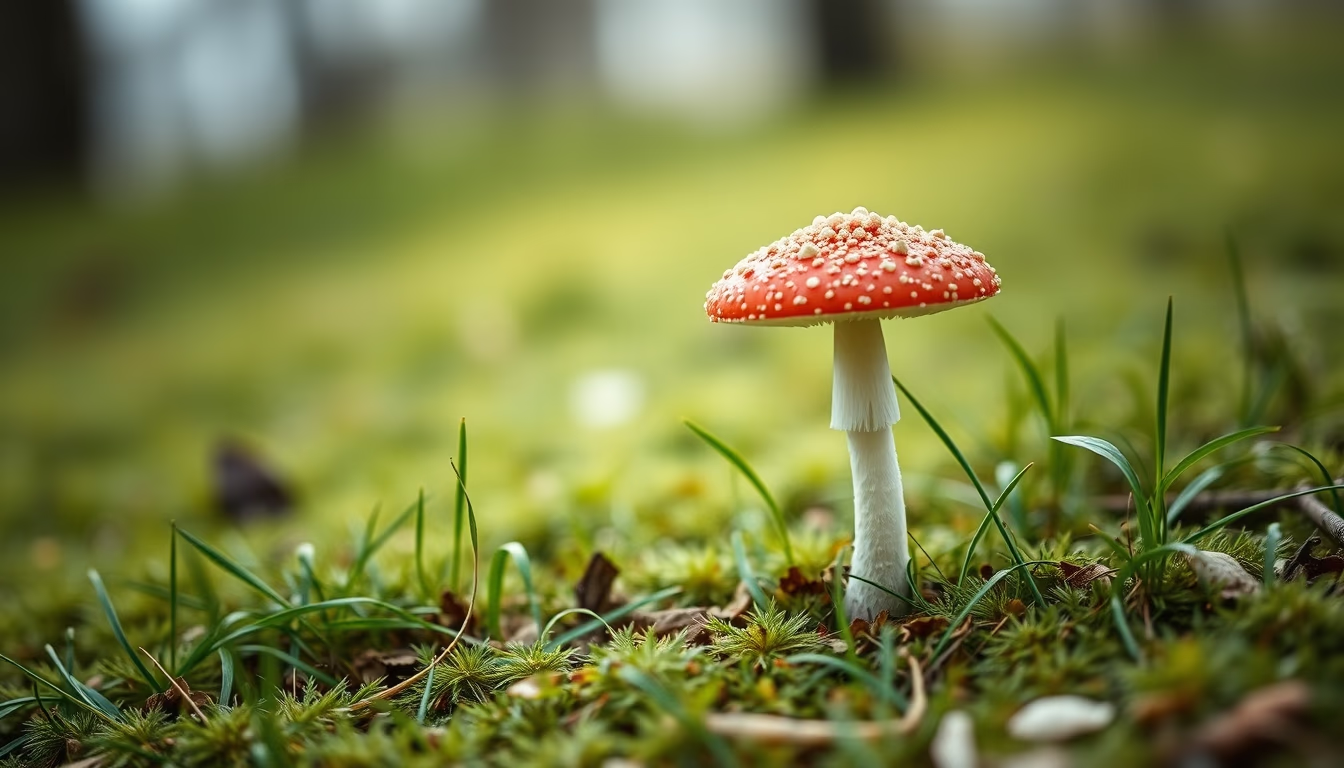
Fly agaric forest floor
1344×768 · AVIF · CC BY 4.0
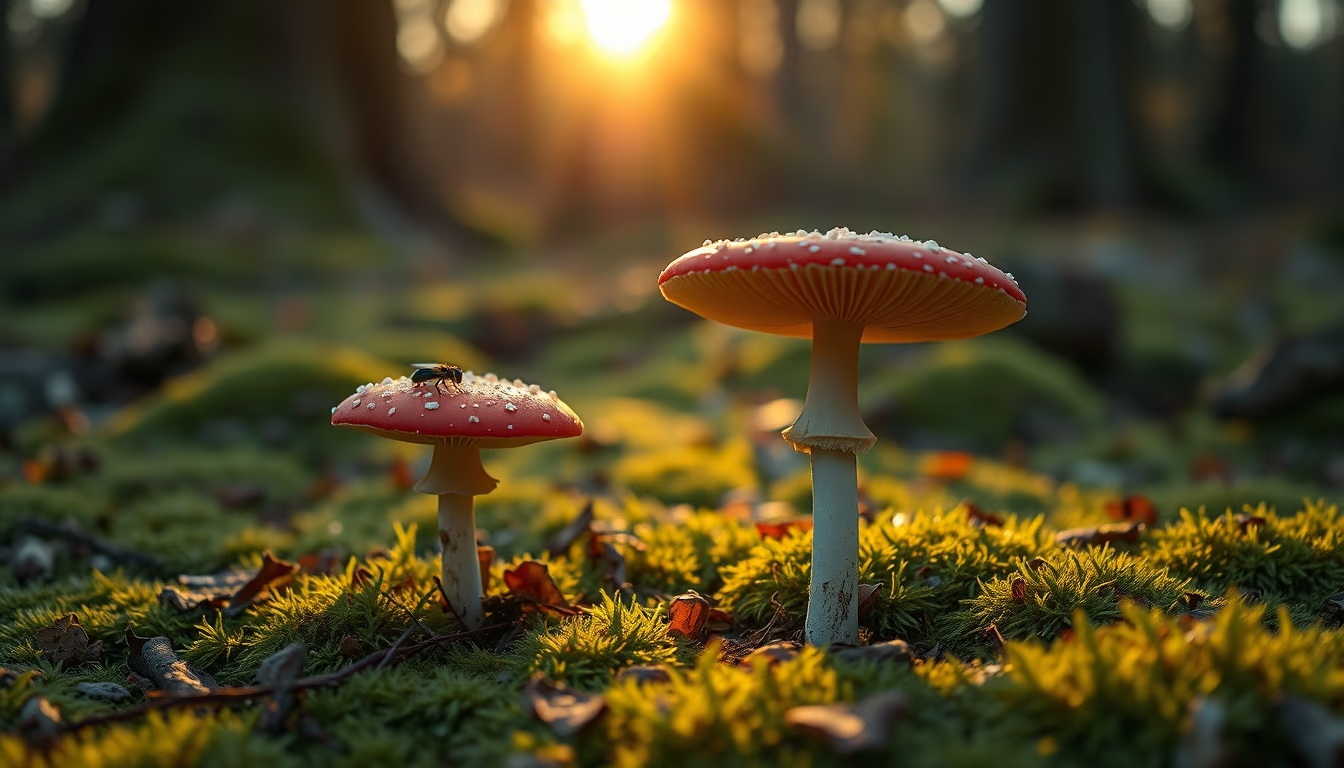
Fly agaric, the red mushroom with white spots, is an icon of temperate forests and a subject of fairy tales and research on hallucinogens.
About this subject
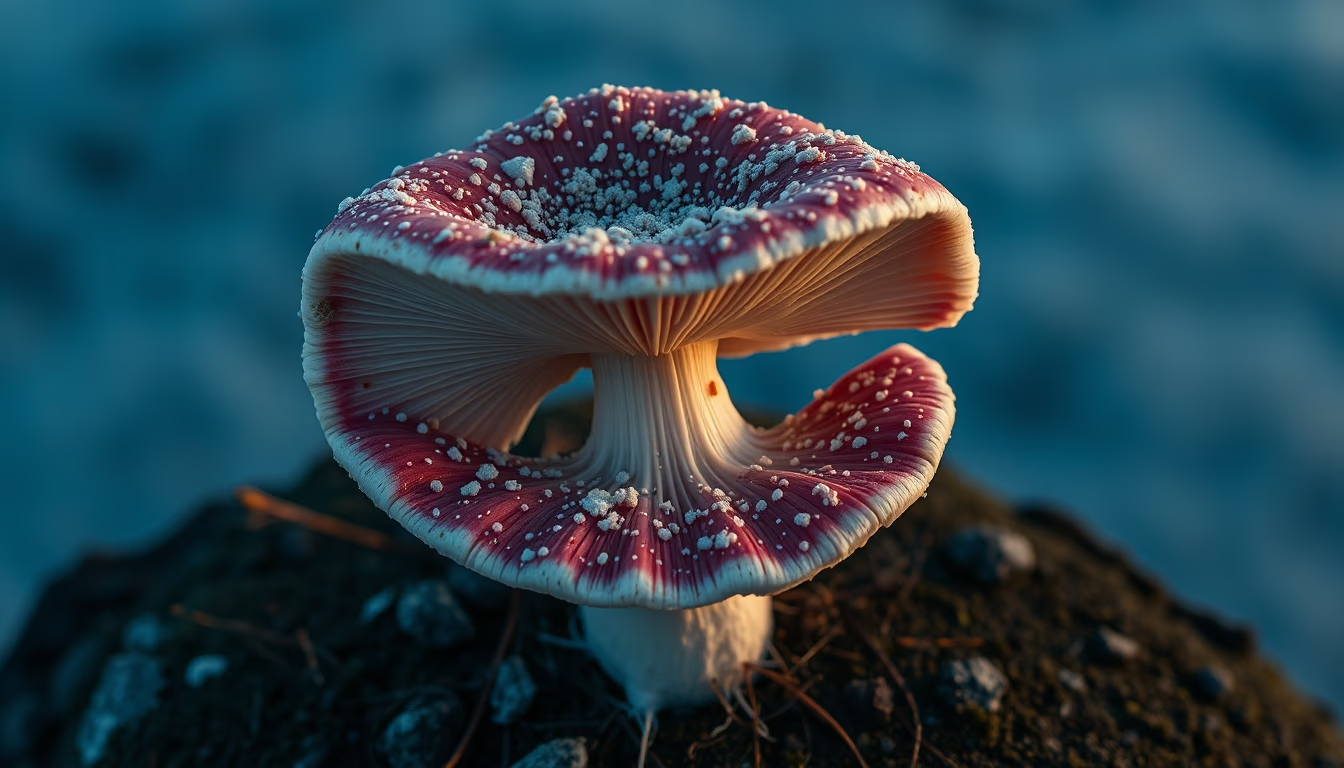
Fly agaric (Amanita muscaria) is one of the most recognizable mushrooms worldwide, thanks to its bright red cap covered with white warts. Though often depicted in fiction as a fairy dwelling or gnome home, it is actually a toxic fungus that forms symbiotic associations with the roots of birches, pines, and firs. It naturally occurs in temperate and boreal regions of the Northern Hemisphere but has been introduced to other parts of the world, including Brazil, where it can be found in pine plantations in the South and Southeast.
Its toxicity stems from compounds such as ibotenic acid and muscimol, which act on the central nervous system. Ingestion causes an anticholinergic syndrome, with symptoms ranging from nausea and vomiting to hallucinations, delirium, and convulsions. Despite the risks, some Siberian and North American cultures historically used the mushroom in shamanic rituals as an entheogen. The name "fly agaric" derives from its former use of crushing the mushroom in milk to attract and kill flies, due to its insecticidal properties.
Ecologically, Amanita muscaria is a mycorrhizal fungus crucial for forest health. It forms underground networks that help trees absorb water and nutrients while receiving carbohydrates in return. The cap's striking coloration serves as a warning to predators, though some squirrel and slug species have developed resistance to its toxins. Interestingly, the mushroom is photogenic and its image is often used to represent "magic mushrooms" in pop culture, even though it does not contain psilocybin, the active ingredient in hallucinogenic fungi of the genus Psilocybe.
Frequently Asked Questions
Is fly agaric edible?
No. Fly agaric is toxic and can cause severe symptoms such as hallucinations, convulsions, and even coma. It should not be consumed.
Where can I find fly agaric in Brazil?
The species has been introduced and occurs in pine plantations in the South and Southeast of Brazil, mainly in areas with milder climate and acidic soil.
What is the difference between fly agaric and magic mushrooms?
Fly agaric (Amanita muscaria) contains muscimol and ibotenic acid, causing hallucinogenic effects different from Psilocybe mushrooms, which contain psilocybin. Additionally, fly agaric is more toxic and dangerous.
Direct URL
https://pub-c7d6a6ea828543ac903a74a341ccb2e1.r2.dev/imagens/fly-agaric-forest-floor-cinematic-wide-shot-p7.avifHow to credit
Include a visible link back to UtilizAí. Copy one of the snippets below:
<a href="https://xn--utiliza-eza.com/en/midia/imagens/fly-agaric-forest-floor-cinematic-wide-shot-p7">Fly agaric forest floor</a> by <a href="https://xn--utiliza-eza.com">UtilizAí</a>, licensed under <a href="https://creativecommons.org/licenses/by/4.0/">CC BY 4.0</a>.
[Fly agaric forest floor](https://xn--utiliza-eza.com/en/midia/imagens/fly-agaric-forest-floor-cinematic-wide-shot-p7) by [UtilizAí](https://xn--utiliza-eza.com), CC BY 4.0
License: CC-BY-4.0