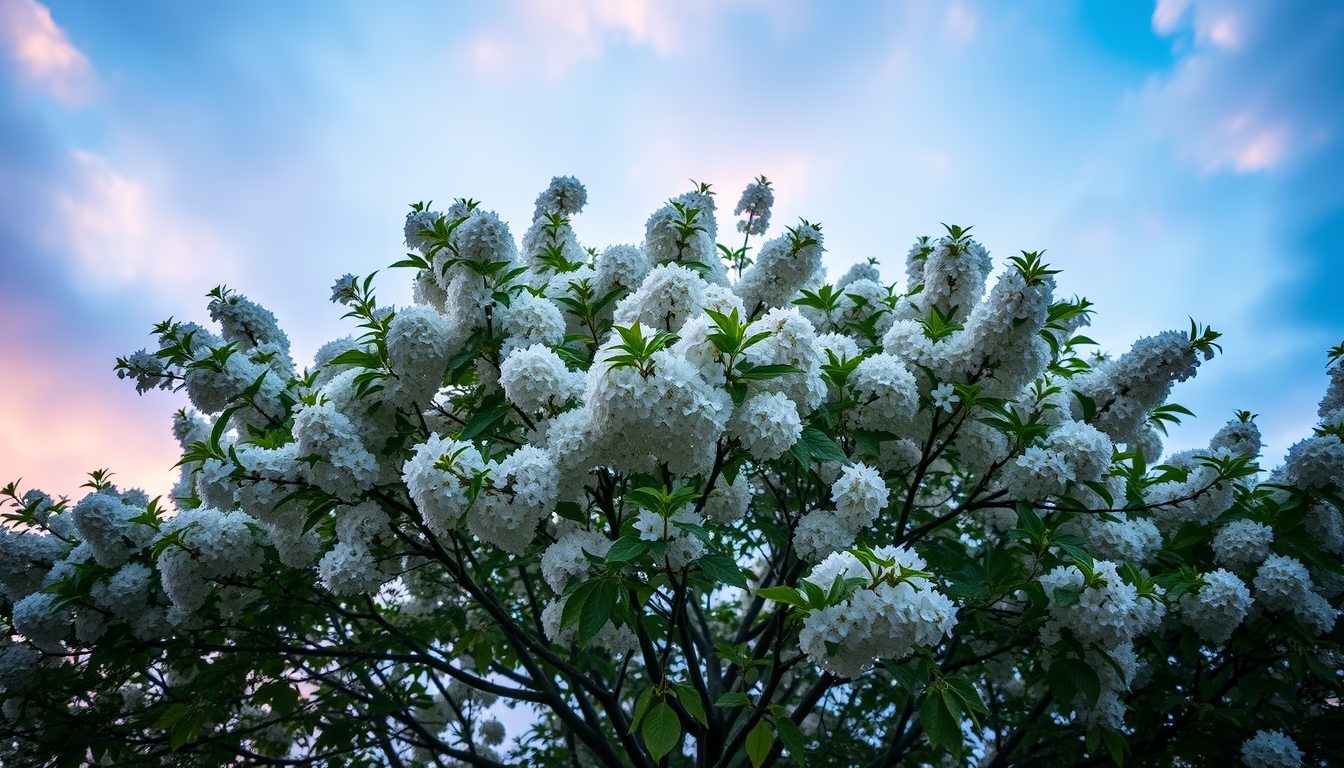
Flowering chestnut tree
1344×768 · AVIF · CC BY 4.0
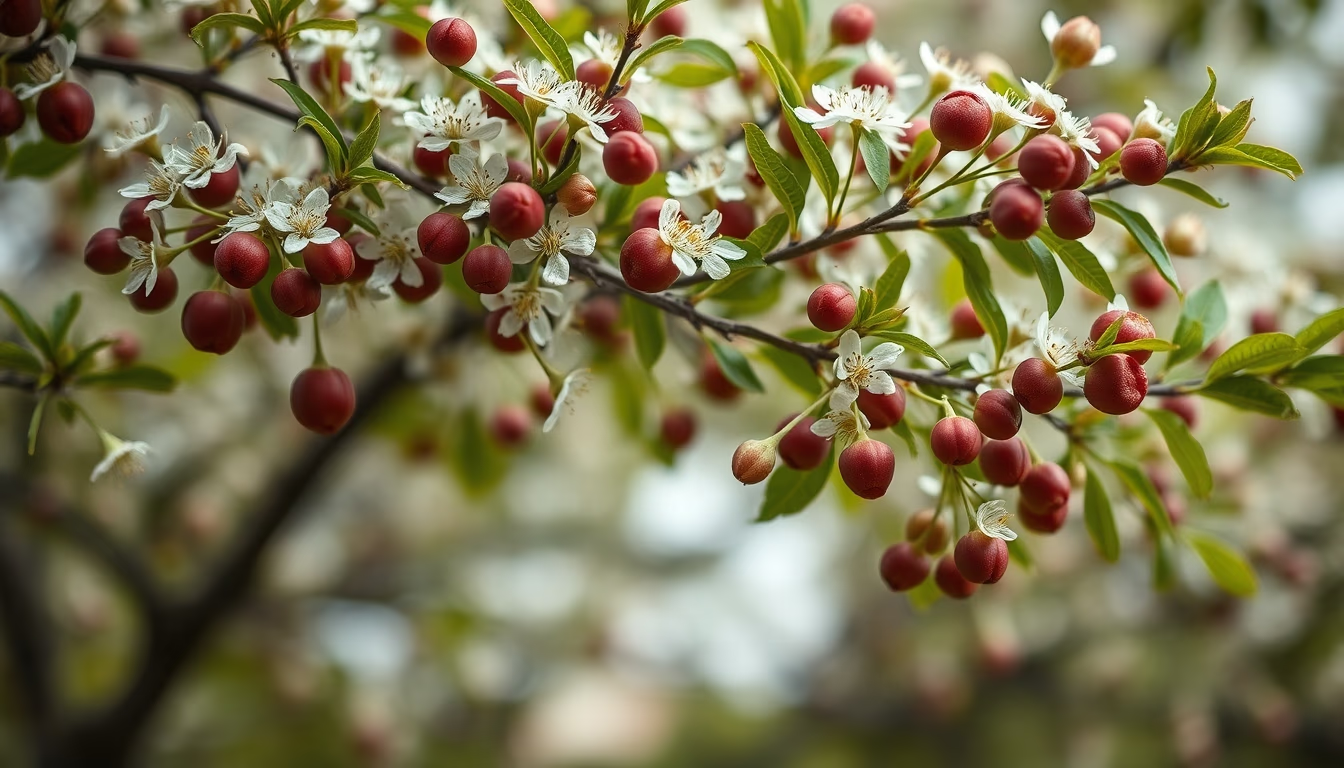
Flowering chestnut trees are a vital nectar source for bees, producing a dark, intense honey prized in European cuisine.
About this subject
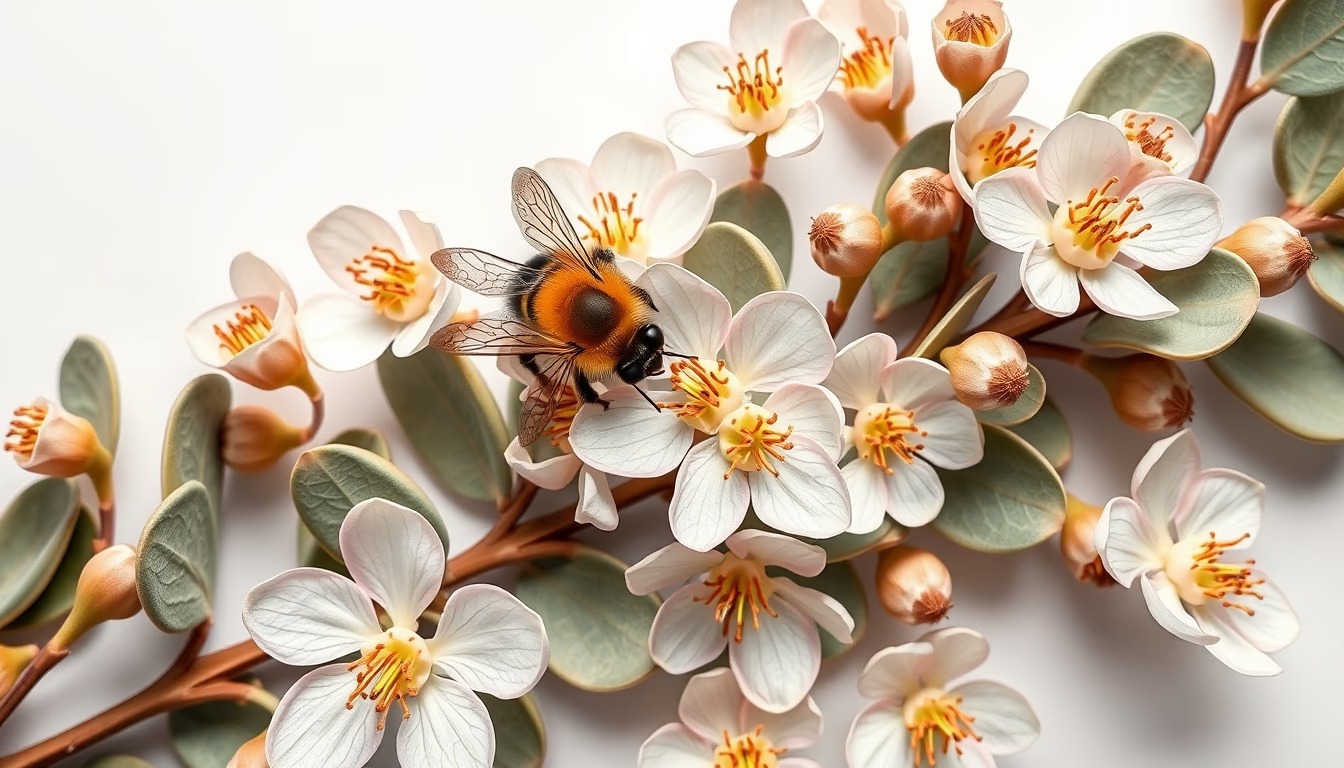
The chestnut tree, belonging to the genus Castanea, is a deciduous tree native to temperate regions of the Northern Hemisphere. Its male flowers, arranged in long, yellowish catkins, emit a sweet fragrance that attracts thousands of bees during spring. The flowering period varies by species and climate, typically occurring between May and June in the Northern Hemisphere. Each female flower, when pollinated, produces the well-known chestnut fruit, encased in a spiky burr.
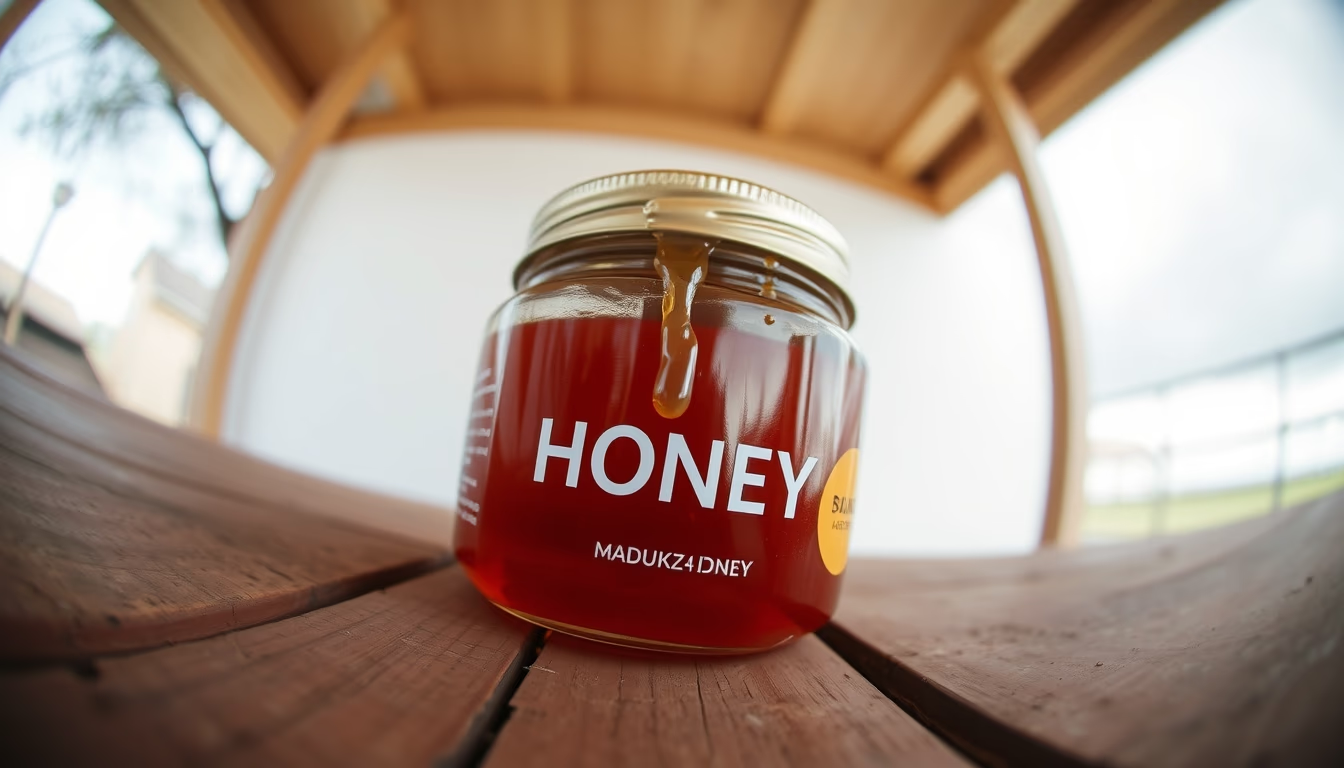
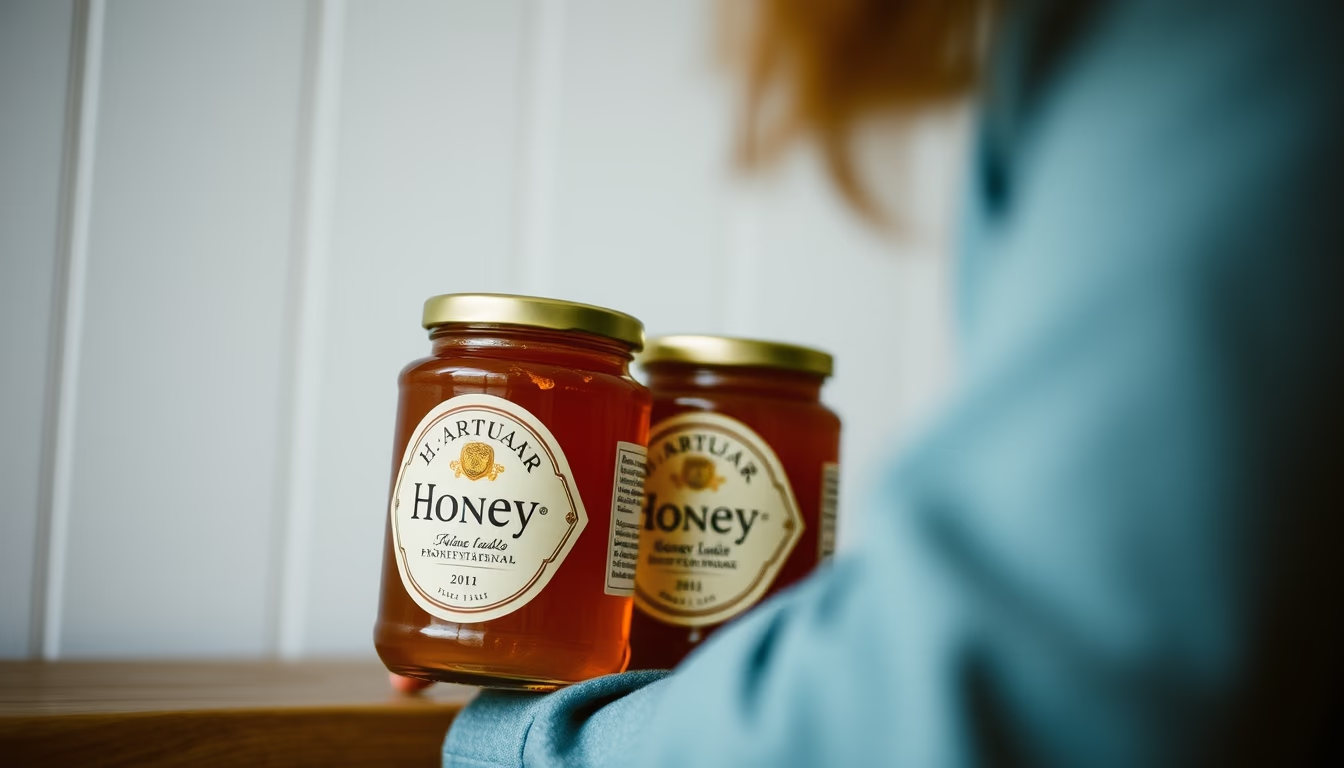
Chestnut honey is a unique product, ranging in color from dark amber to almost black, with a strong, slightly bitter, and lingering flavor. It is rich in minerals such as potassium, magnesium, and iron, and has antioxidant properties. In Italy, especially in Tuscany and Piedmont, this honey is protected by a controlled designation of origin (DOC). In France, chestnut honey is typical of Corsica and the southern mountainous regions. In Portugal, the chestnut trees of the north produce a dark-colored honey with a striking aroma, widely used in local cuisine.
Beyond apicultural value, chestnut trees play an important ecological role. Their flowers provide pollen and nectar for native bees and other pollinators. The tree also contributes to soil stability on slopes and yields high-quality timber. In some regions, such as China, chestnut cultivation dates back millennia, with records of its use in food and traditional medicine. The chestnut flower, though less known than the fruit, is essential for maintaining ecosystems and supporting rural economies in mountainous areas.
Frequently Asked Questions
When do chestnut trees bloom?
Chestnut trees bloom in spring, typically between May and June in the Northern Hemisphere, depending on the species and climate conditions.
Why is chestnut honey dark and bitter?
The dark color and intense, slightly bitter flavor come from phenolic compounds and minerals such as potassium and magnesium found in the nectar of chestnut flowers.
Does chestnut honey have medicinal properties?
Yes, it is rich in antioxidants and minerals, traditionally used to boost the immune system and improve circulation, but it should be consumed in moderation.
Direct URL
https://pub-c7d6a6ea828543ac903a74a341ccb2e1.r2.dev/imagens/flowering-chestnut-tree-tilt-shift-miniature-fresh1.avifHow to credit
Include a visible link back to UtilizAí. Copy one of the snippets below:
<a href="https://xn--utiliza-eza.com/en/midia/imagens/flowering-chestnut-tree-tilt-shift-miniature-fresh1">Flowering chestnut tree</a> by <a href="https://xn--utiliza-eza.com">UtilizAí</a>, licensed under <a href="https://creativecommons.org/licenses/by/4.0/">CC BY 4.0</a>.
[Flowering chestnut tree](https://xn--utiliza-eza.com/en/midia/imagens/flowering-chestnut-tree-tilt-shift-miniature-fresh1) by [UtilizAí](https://xn--utiliza-eza.com), CC BY 4.0
License: CC-BY-4.0