Flowering chestnut tree
1344×768 · AVIF · CC BY 4.0
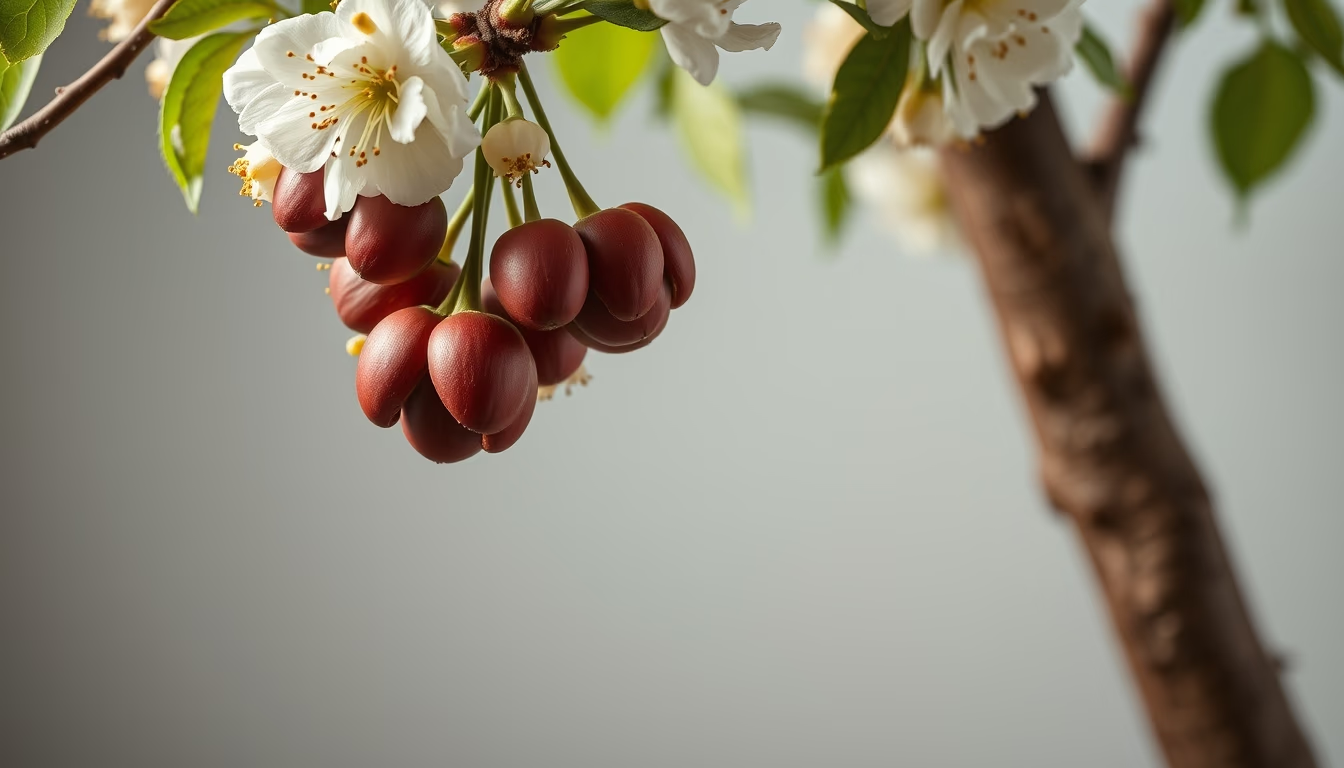
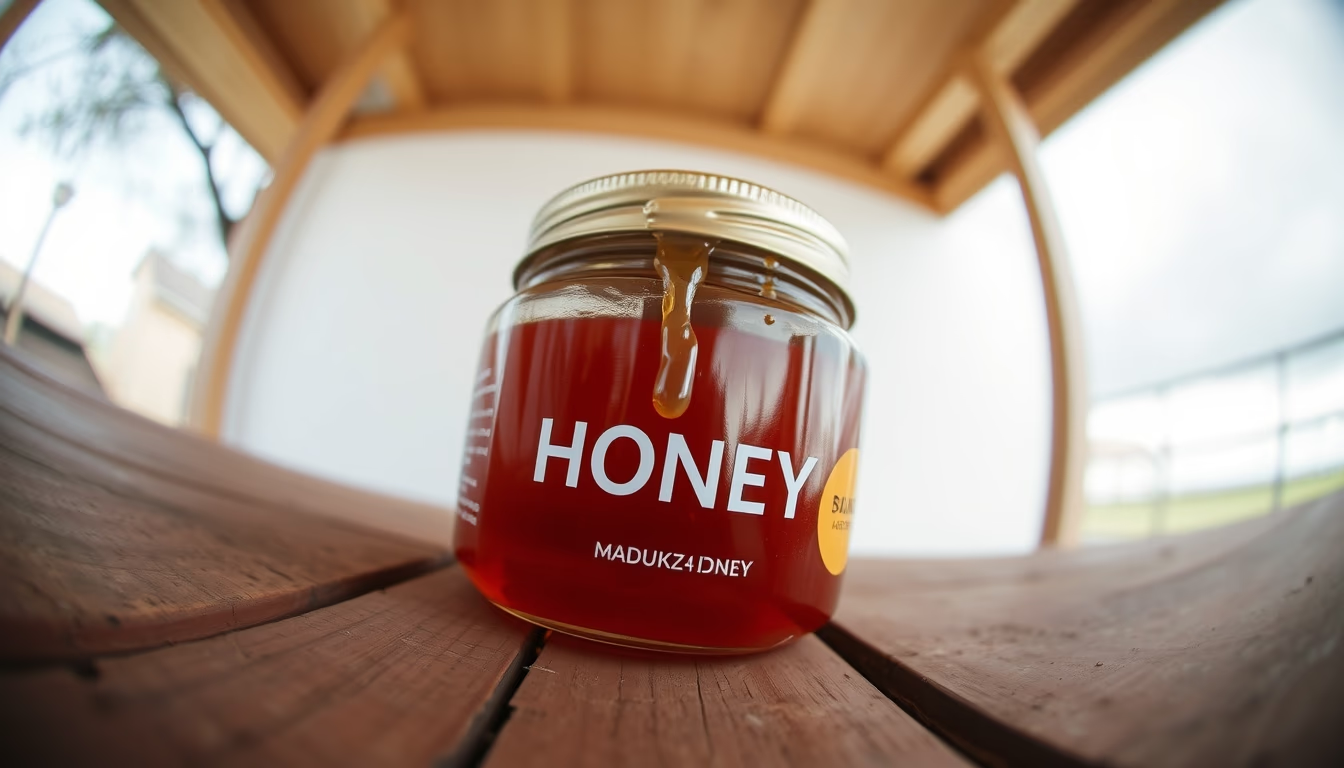
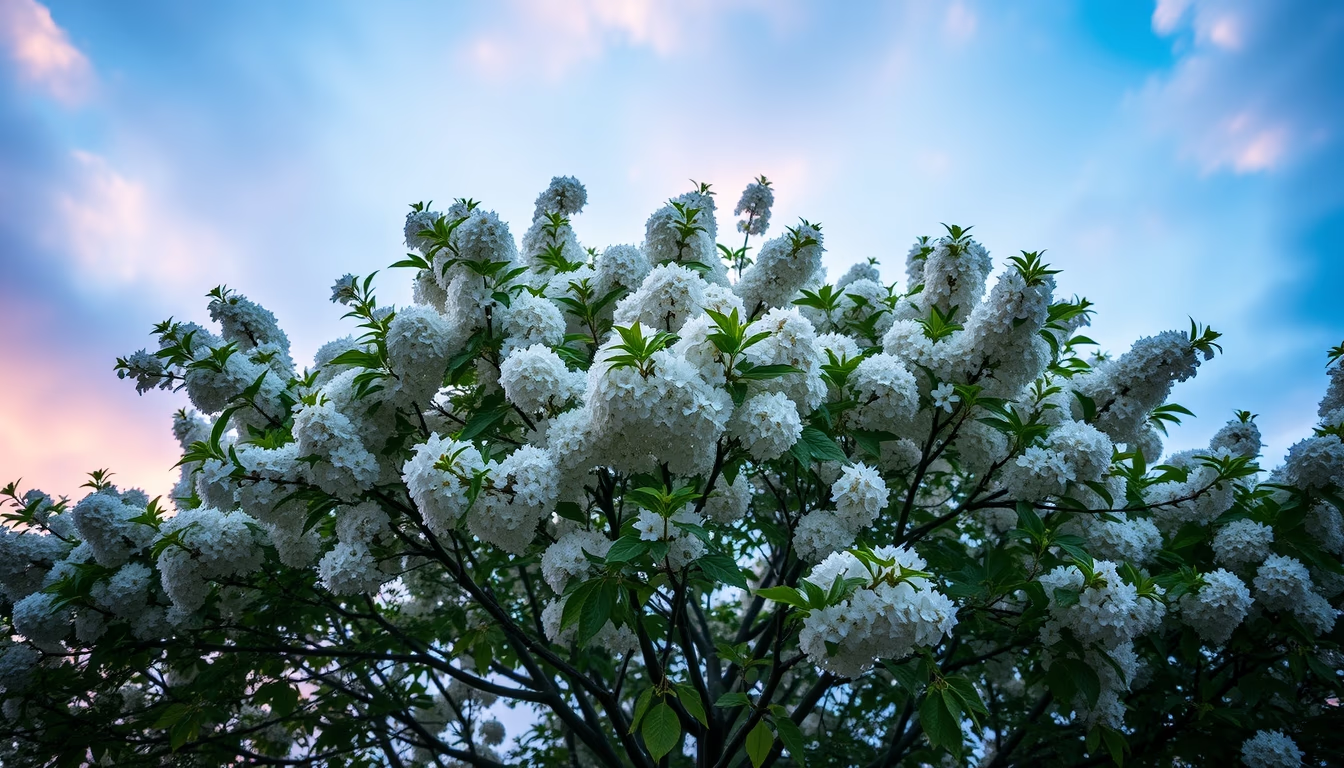
The flowering chestnut tree is a natural spectacle heralding the production of a dark, intense honey prized for its medicinal properties.
About this subject
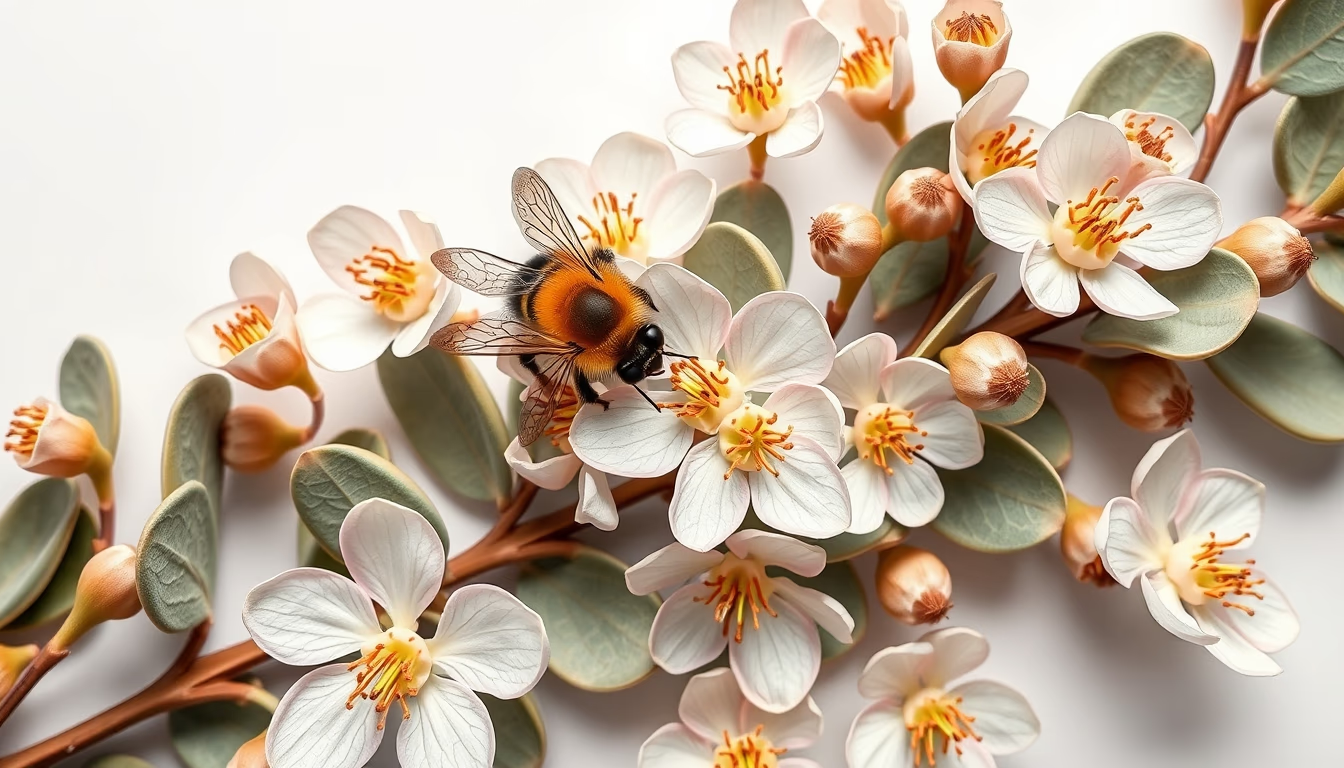
Chestnut trees, belonging to the genus Castanea, are native to temperate regions of the Northern Hemisphere. They produce fragrant flowers that attract bees and other pollinators. In Brazil, the most common species is Castanea sativa, introduced by European immigrants, mainly in mild climate areas of the South and Southeast. Flowering occurs between spring and early summer, with elongated, yellowish inflorescences that emit a characteristic scent.
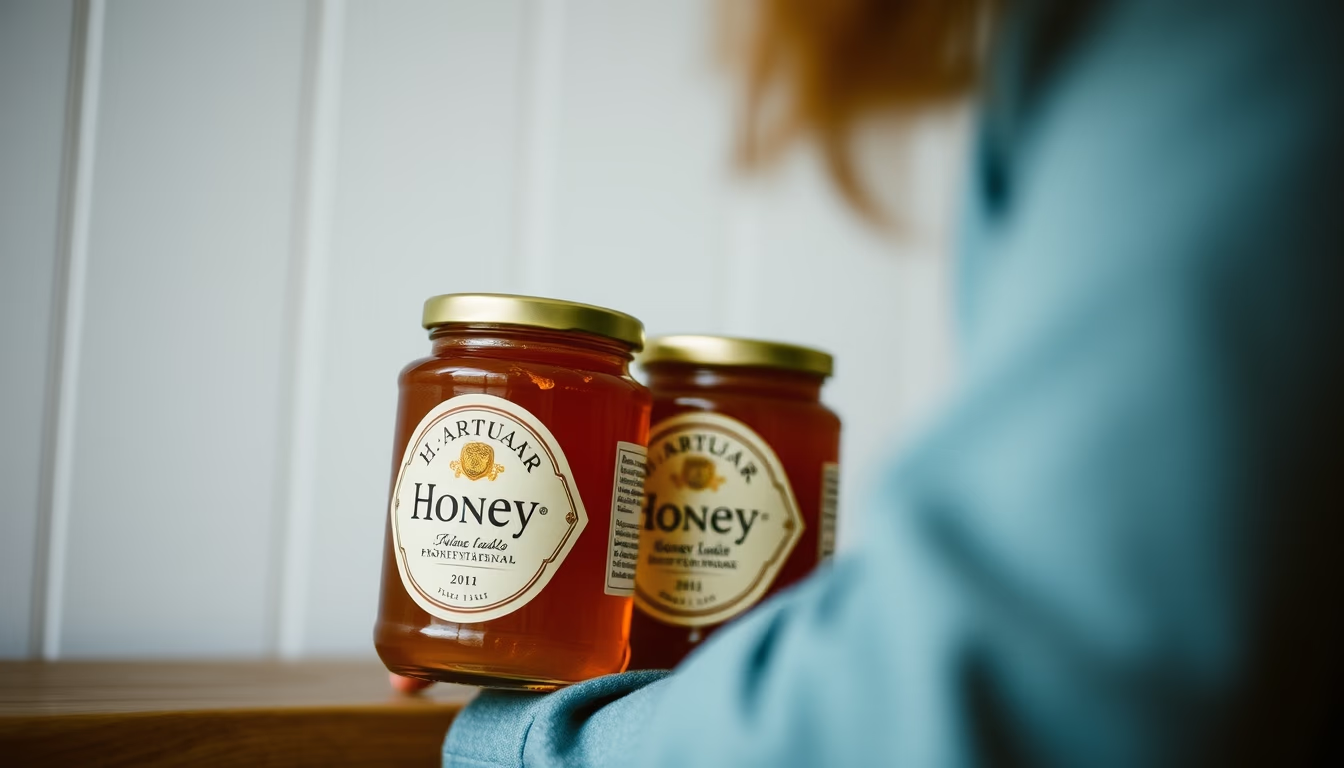
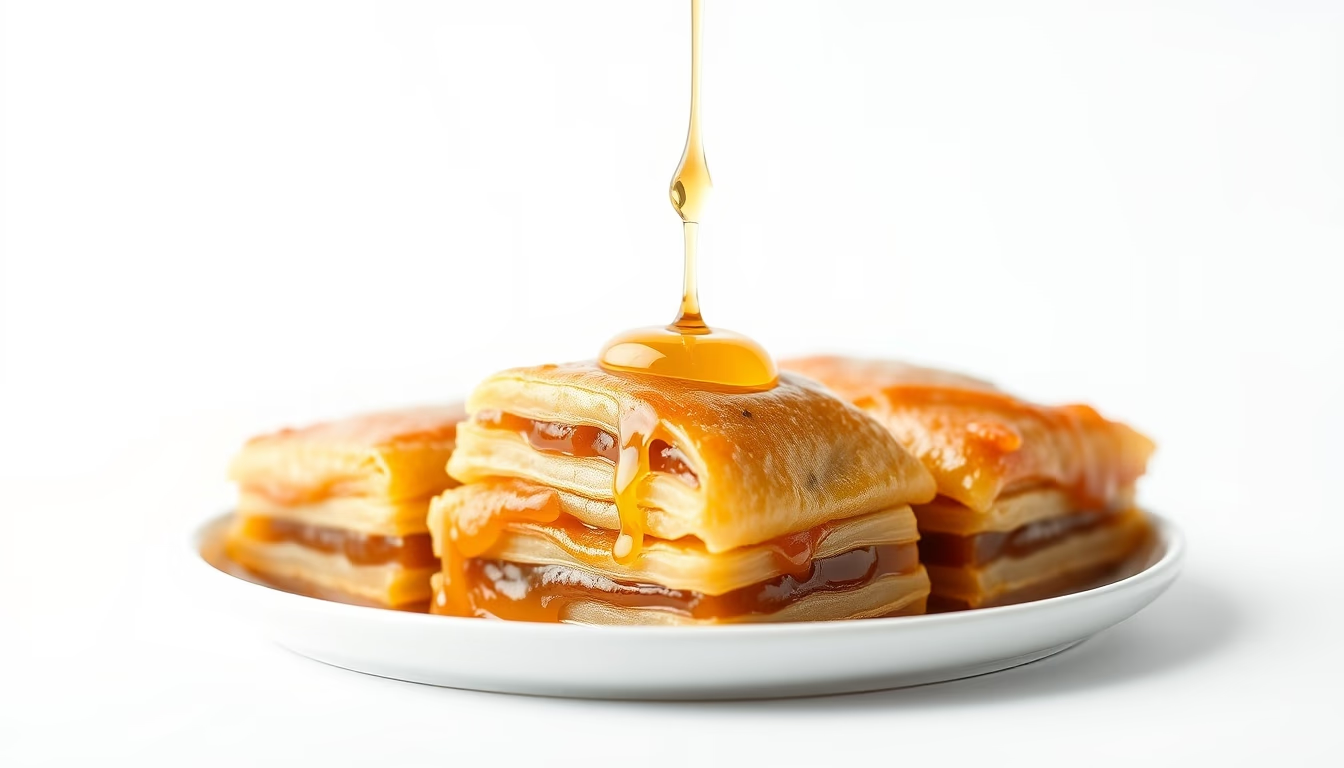
Chestnut honey is one of the most unique in the world. Dark, with a strong and slightly bitter flavor, it has recognized antiseptic and antioxidant properties. Its dark color is due to the high concentration of phenolic compounds. In Europe, especially Italy and France, it is valued in cuisine to accompany cheeses and desserts.
The chestnut tree also holds economic and cultural importance. Its nuts are consumed roasted or turned into flour, but the flower is essential for beekeeping. Chestnut honey production depends on hives placed near chestnut groves, and the bloom can vary by climate. The tree can live for hundreds of years, and its wood is used in construction.
A curious fact: male and female flowers occur on the same tree but in separate inflorescences. The nectar is rich in sugars, which explains the dense, slow-crystallizing honey.
Frequently Asked Questions
When does the chestnut tree flower?
The chestnut tree flowers in spring: between September and November in the Southern Hemisphere, and between May and July in the Northern Hemisphere.
What does chestnut honey taste like?
Chestnut honey has a strong, intense flavor with bitter and slightly astringent notes. It is considered full-bodied and very aromatic.
Where can chestnut trees be found in Brazil?
In Brazil, chestnut trees are mainly cultivated in the South and Southeast regions, in subtropical or temperate climate areas such as Rio Grande do Sul, Santa Catarina, and São Paulo states.
Direct URL
https://pub-c7d6a6ea828543ac903a74a341ccb2e1.r2.dev/imagens/flowering-chestnut-tree-studio-editorial-portrait-fresh5.avifHow to credit
Include a visible link back to UtilizAí. Copy one of the snippets below:
<a href="https://xn--utiliza-eza.com/en/midia/imagens/flowering-chestnut-tree-studio-editorial-portrait-fresh5">Flowering chestnut tree</a> by <a href="https://xn--utiliza-eza.com">UtilizAí</a>, licensed under <a href="https://creativecommons.org/licenses/by/4.0/">CC BY 4.0</a>.
[Flowering chestnut tree](https://xn--utiliza-eza.com/en/midia/imagens/flowering-chestnut-tree-studio-editorial-portrait-fresh5) by [UtilizAí](https://xn--utiliza-eza.com), CC BY 4.0
License: CC-BY-4.0