Flowering chestnut tree
1344×768 · AVIF · CC BY 4.0
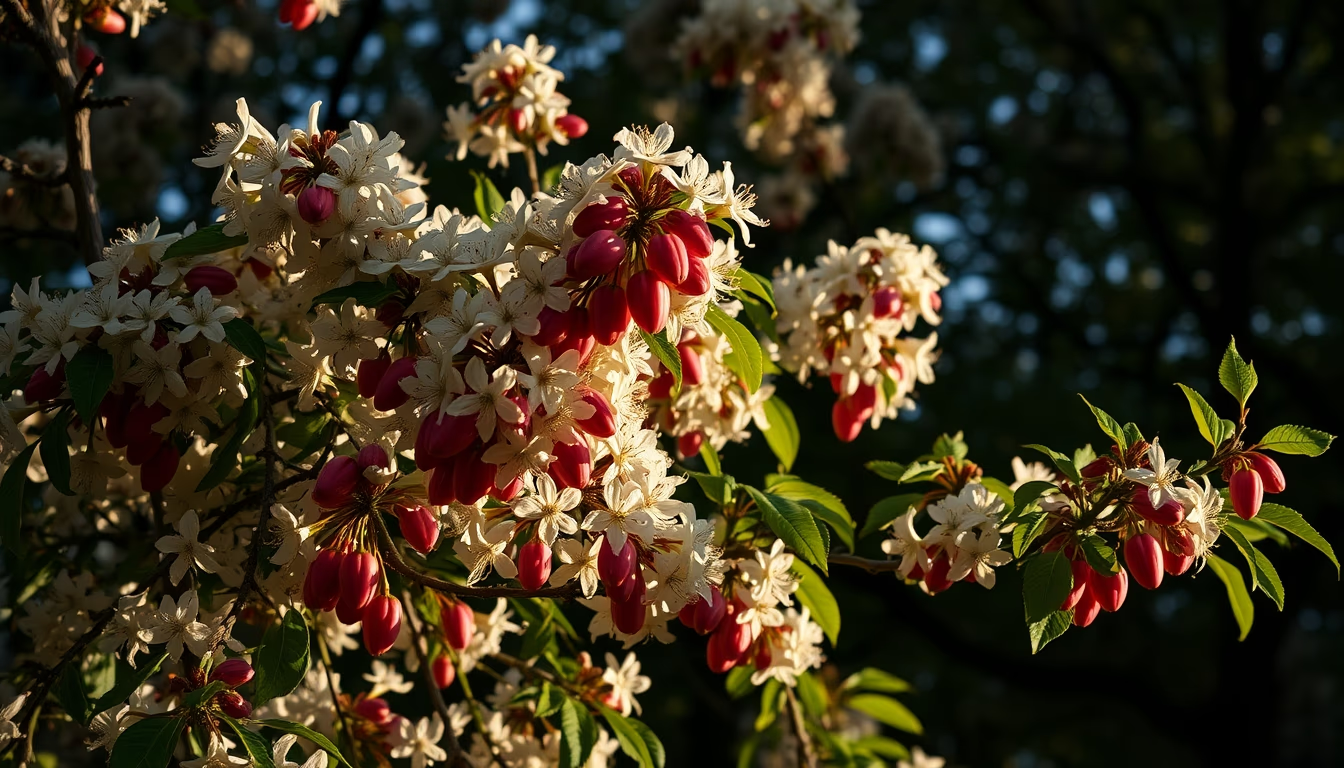
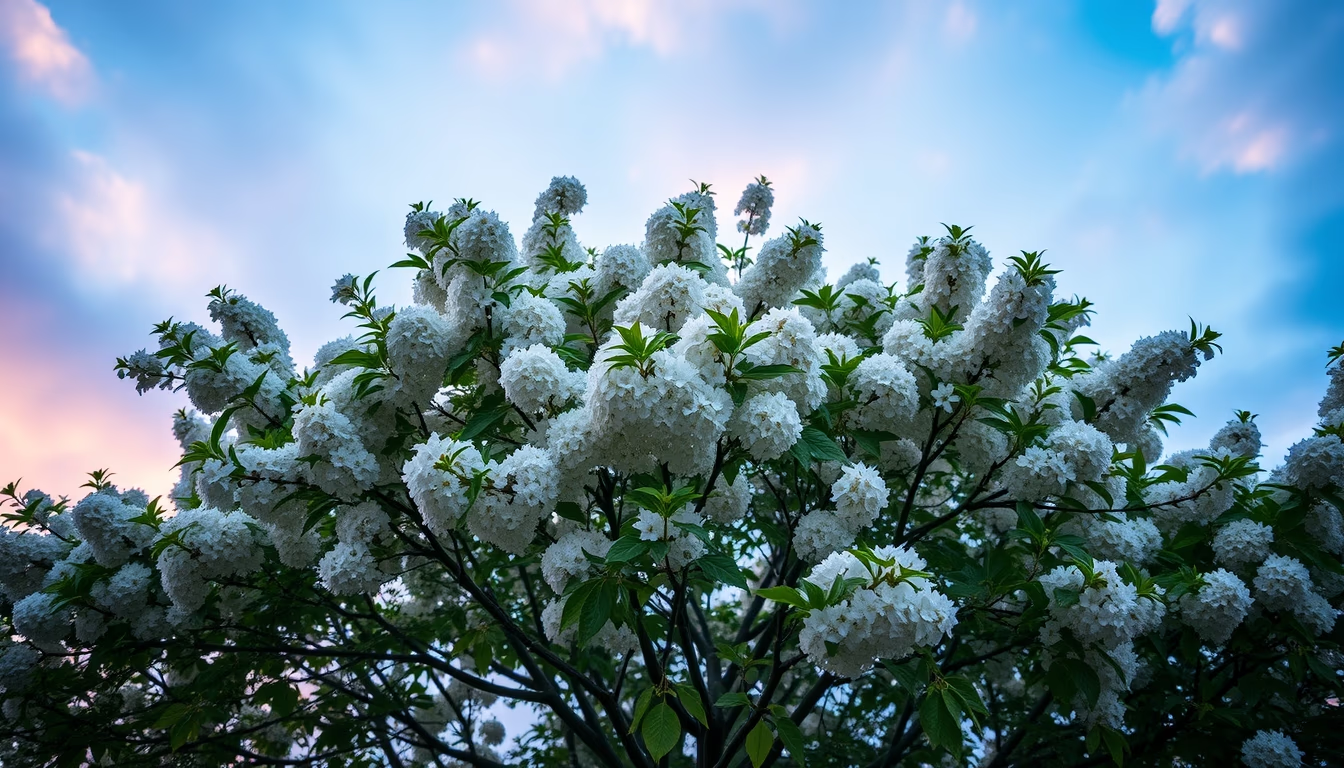
The sweet chestnut tree (Castanea sativa) is a majestic species whose flowers herald summer and are vital for honey production.
About this subject
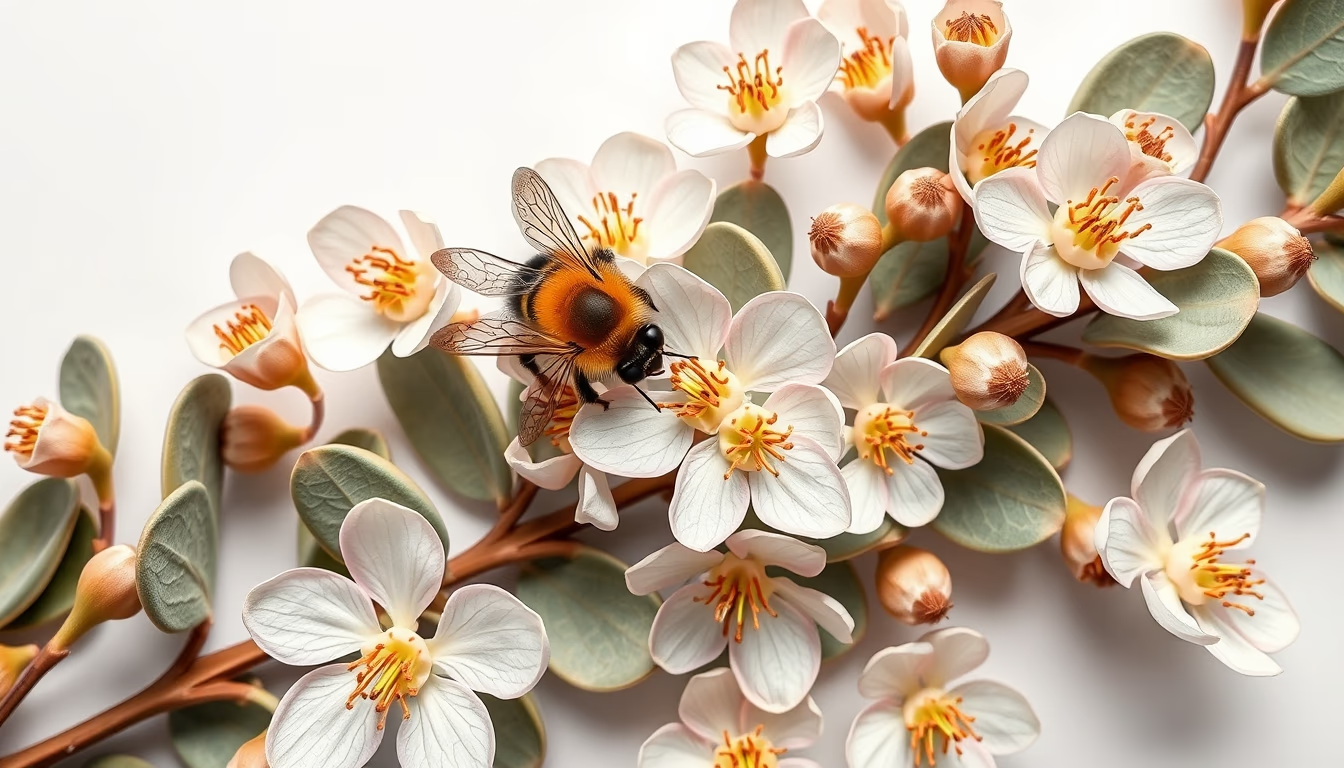
The sweet chestnut (Castanea sativa) is a deciduous tree native to the Mediterranean and Asia Minor, widely cultivated in Europe and temperate regions. Its flowers, which appear as long, yellowish catkins from June to July, are rich in nectar and pollen, attracting bees and other pollinators. The chestnut bloom lasts about two to three weeks, transforming landscapes into creamy carpets and releasing a sweet, characteristic fragrance.
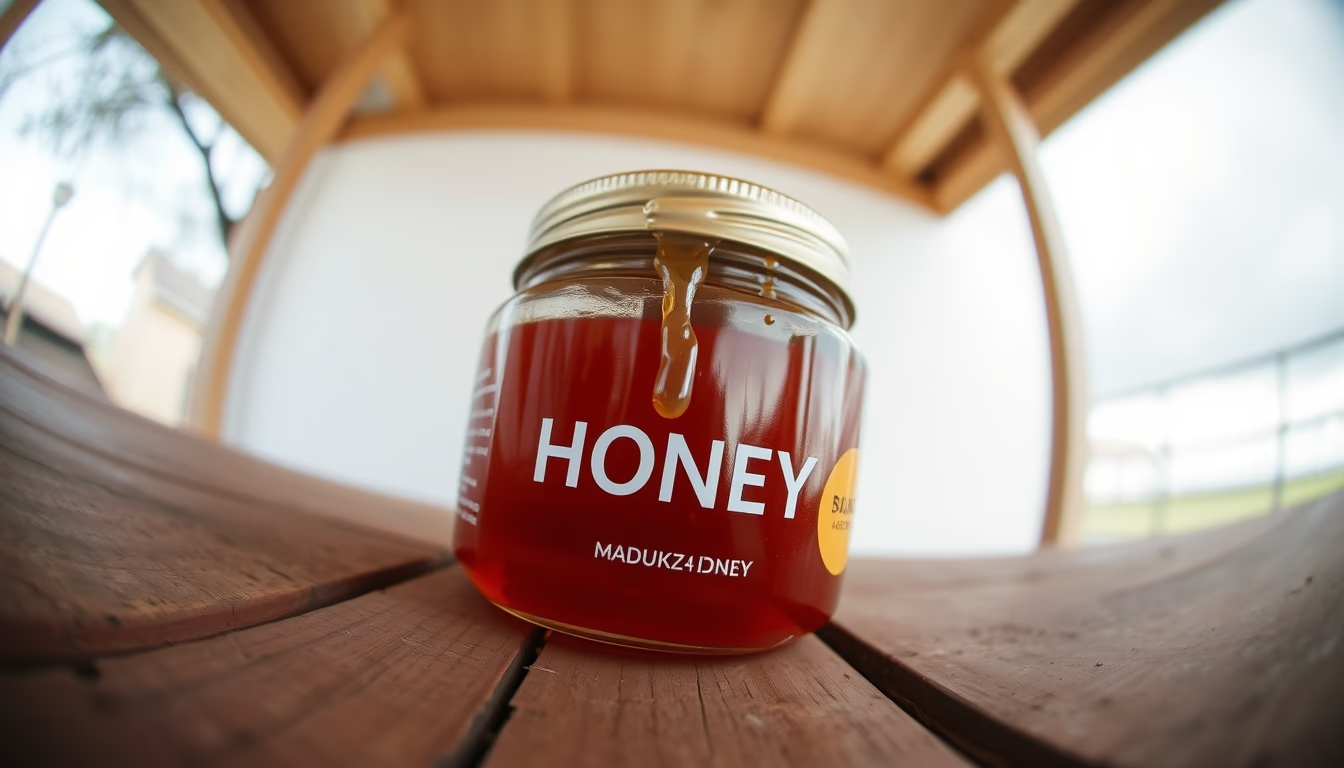
Economically and culturally, the chestnut tree holds great importance. In Europe, especially in Portugal, Spain, Italy, and France, chestnuts are a traditional food eaten roasted in autumn. The wood is valued for construction and carpentry, while the bark and leaves are used in herbal medicine. Chestnut honey is dark, intense, and slightly bitter, prized for its antioxidant properties. Ecologically, the tree hosts diverse insect and bird species.
Interestingly, chestnut trees are among the longest-living trees on Earth: some specimens exceed a thousand years, like the “Hundred Horse Chestnut” in Sicily, estimated at 3,000 years old and listed in the Guinness World Records as the oldest known tree. This longevity, combined with the beauty of its bloom, makes the chestnut a symbol of resilience and fertility in many cultures.
In gastronomy, chestnuts are versatile: eaten whole, as puree, flour, or even used in beer and liqueurs. Chestnut flowers are used in teas and infusions with calming and expectorant properties. In landscaping, the tree is grown for its dense canopy and shade, common in historic parks and gardens.
Frequently Asked Questions
What is the difference between a chestnut tree and a Brazil nut tree?
The chestnut tree (Castanea sativa) produces common chestnuts and is native to Europe and Asia. The Brazil nut tree (Bertholletia excelsa) produces Brazil nuts, is found in the Amazon, and is often called castanheira in Portuguese.
When does the chestnut tree bloom?
Chestnut trees bloom from June to July in the Northern Hemisphere, with yellow catkins lasting two to three weeks. The flowers are vital for honey production.
Is chestnut honey darker than other honeys?
Yes, chestnut honey is typically dark amber to brown, with a strong, slightly bitter taste. It is rich in antioxidants and has antibacterial properties.
Direct URL
https://pub-c7d6a6ea828543ac903a74a341ccb2e1.r2.dev/imagens/flowering-chestnut-tree-rembrandt-lighting-dramatic-shadows-fresh2.avifHow to credit
Include a visible link back to UtilizAí. Copy one of the snippets below:
<a href="https://xn--utiliza-eza.com/en/midia/imagens/flowering-chestnut-tree-rembrandt-lighting-dramatic-shadows-fresh2">Flowering chestnut tree</a> by <a href="https://xn--utiliza-eza.com">UtilizAí</a>, licensed under <a href="https://creativecommons.org/licenses/by/4.0/">CC BY 4.0</a>.
[Flowering chestnut tree](https://xn--utiliza-eza.com/en/midia/imagens/flowering-chestnut-tree-rembrandt-lighting-dramatic-shadows-fresh2) by [UtilizAí](https://xn--utiliza-eza.com), CC BY 4.0
License: CC-BY-4.0