Flowering chestnut tree
1344×768 · AVIF · CC BY 4.0
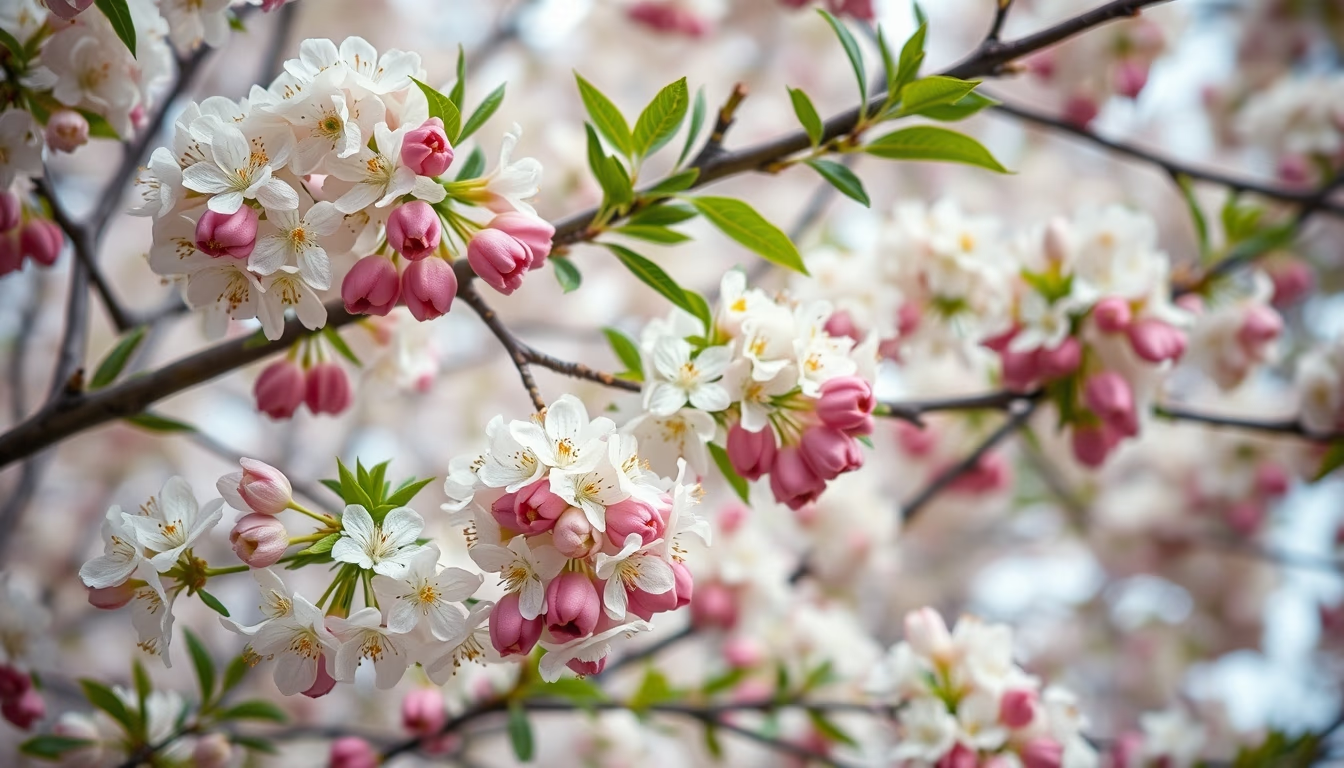
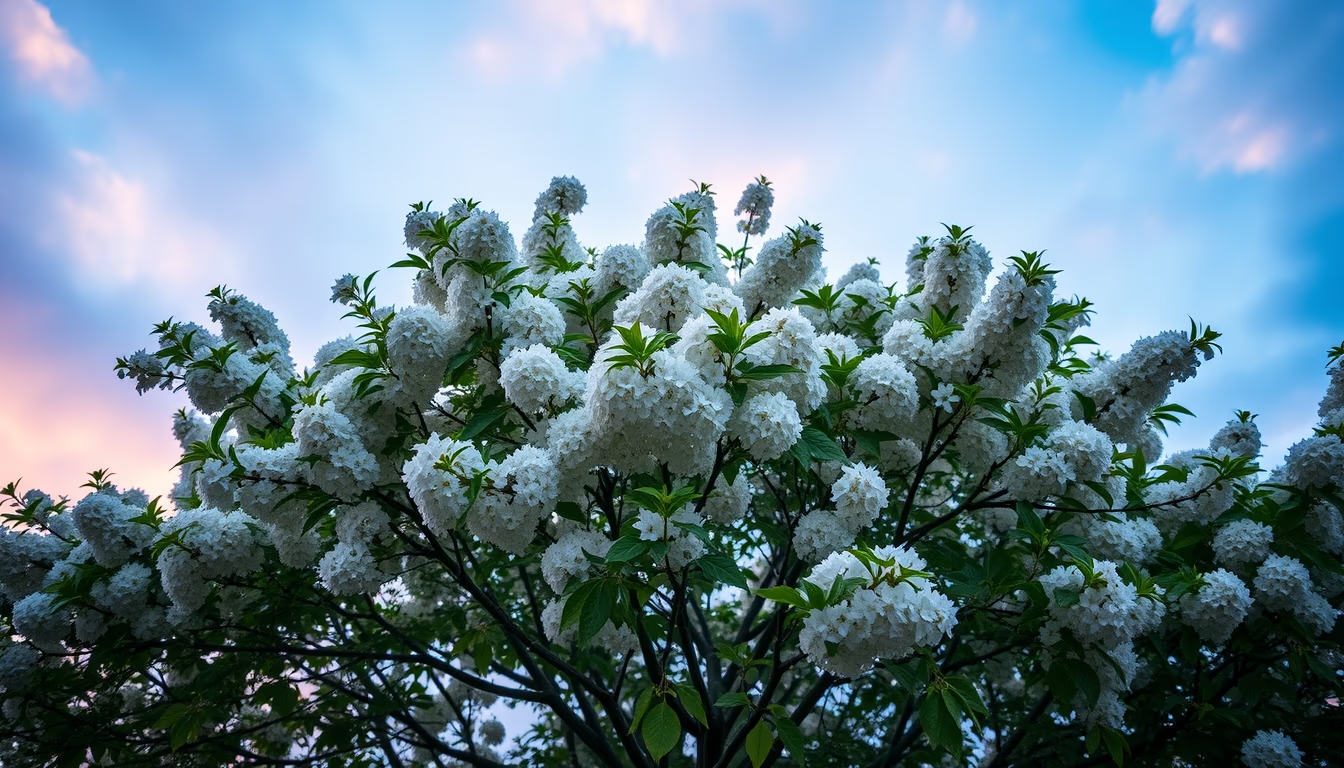
The flowering chestnut tree is a seasonal spectacle that heralds the production of chestnut honey, a product prized for its intense flavor and medicinal properties.
About this subject
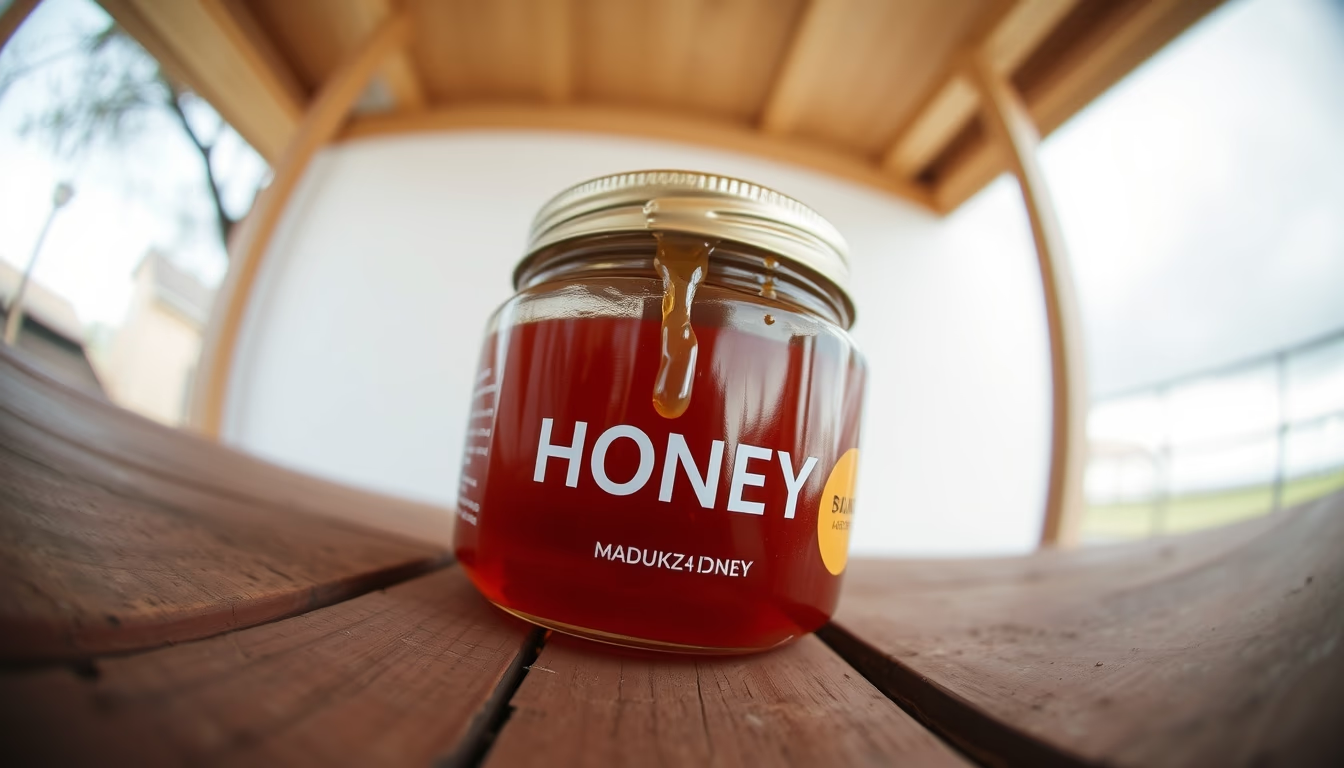
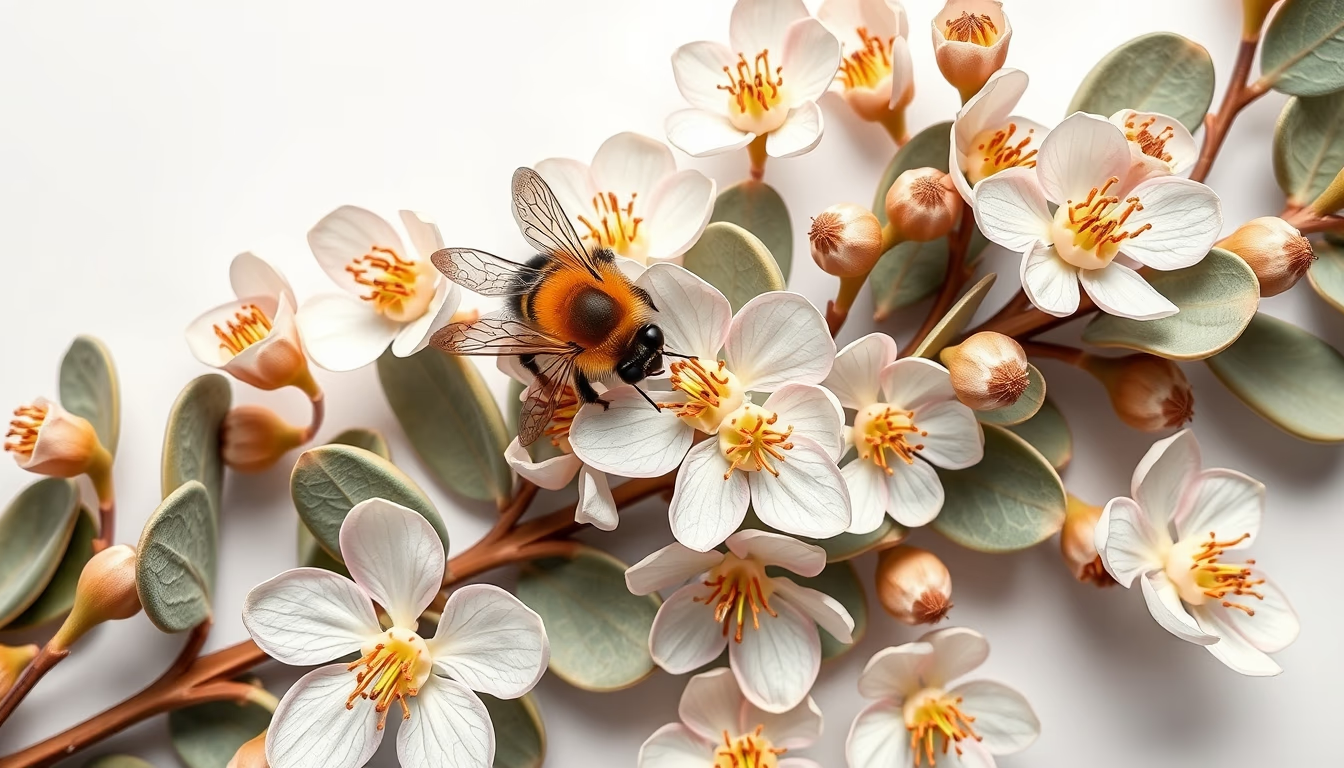
The chestnut tree (Castanea sativa) is native to Southern Europe and Asia Minor. Its flowering occurs from May to July, producing long catkins that emit a sweet fragrance and attract bees seeking nectar. This nectar yields chestnut honey, a monofloral honey with dark amber color and intense, slightly bitter flavor, rich in minerals such as potassium and magnesium. It is valued in cooking and traditional medicine for its antibacterial and antioxidant properties.
The tree can live for centuries, reaching up to 30 meters in height, and its wood is durable, used in furniture and barrels. Chestnuts, the tree's fruit, are eaten roasted or boiled, especially during the European autumn. In Brazil, the term "castanha" often refers to Brazil nuts (Bertholletia excelsa), a native Amazon species, but the European chestnut is also cultivated in temperate regions of the country.
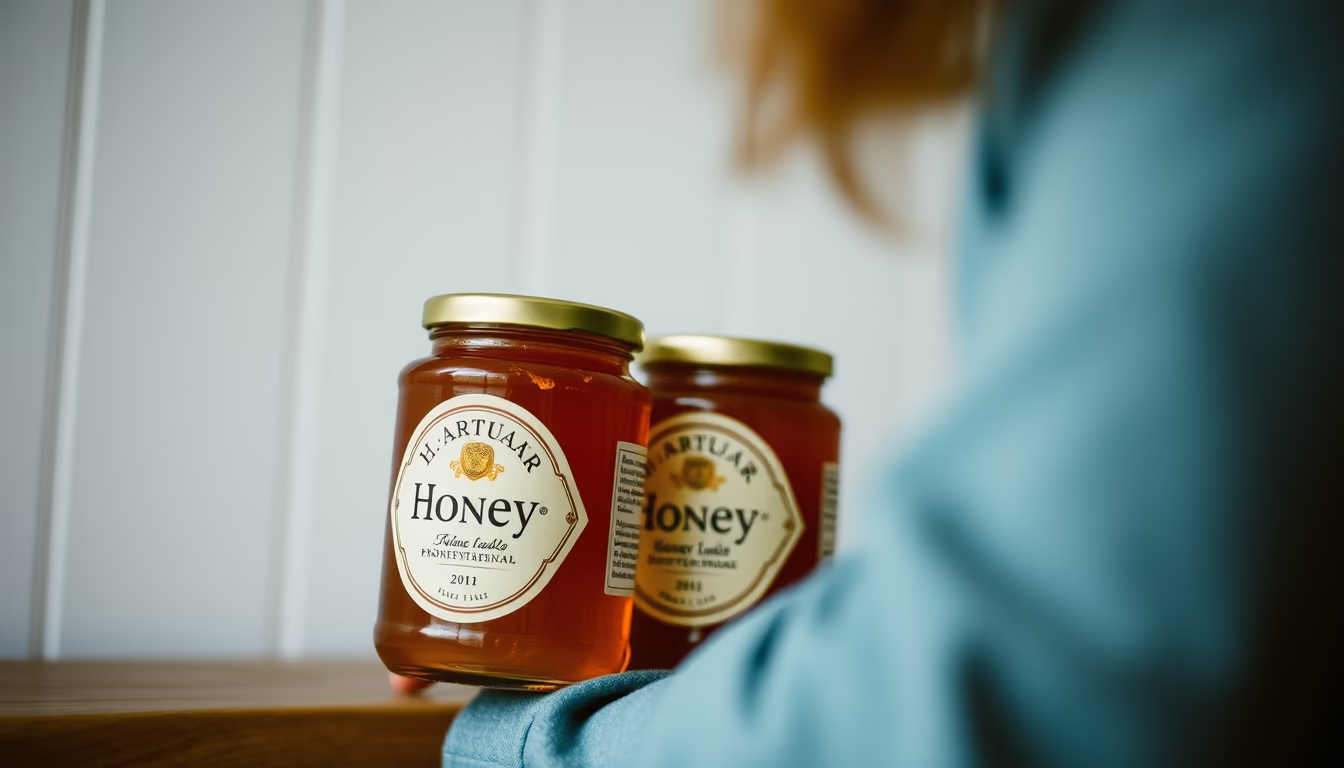
Chestnut honey production is limited and seasonal, making it an artisanal product with high added value. Beekeepers place hives near chestnut trees during flowering to maximize harvest. This honey is increasingly recognized globally for its unique characteristics, being one of the favorites among honey sommeliers.
Frequently Asked Questions
What is the difference between the European chestnut tree and the Brazil nut tree?
The European chestnut tree (Castanea sativa) produces common chestnuts, while the Brazil nut tree (Bertholletia excelsa) is an Amazonian tree that produces Brazil nuts. They are different species from distinct botanical families.
How is chestnut honey produced?
Bees collect nectar from chestnut tree flowers during flowering. The resulting honey is monofloral, dark, and with a strong flavor. Production is seasonal and limited, depending on flower availability.
When does the chestnut tree bloom?
The European chestnut tree blooms between May and July in the Northern Hemisphere, varying with altitude and climate. In the Southern Hemisphere, the period is from November to January.
Direct URL
https://pub-c7d6a6ea828543ac903a74a341ccb2e1.r2.dev/imagens/flowering-chestnut-tree-lo-fi-disposable-camera-fresh16.avifHow to credit
Include a visible link back to UtilizAí. Copy one of the snippets below:
<a href="https://xn--utiliza-eza.com/en/midia/imagens/flowering-chestnut-tree-lo-fi-disposable-camera-fresh16">Flowering chestnut tree</a> by <a href="https://xn--utiliza-eza.com">UtilizAí</a>, licensed under <a href="https://creativecommons.org/licenses/by/4.0/">CC BY 4.0</a>.
[Flowering chestnut tree](https://xn--utiliza-eza.com/en/midia/imagens/flowering-chestnut-tree-lo-fi-disposable-camera-fresh16) by [UtilizAí](https://xn--utiliza-eza.com), CC BY 4.0
License: CC-BY-4.0