Flowering chestnut tree
1344×768 · AVIF · CC BY 4.0
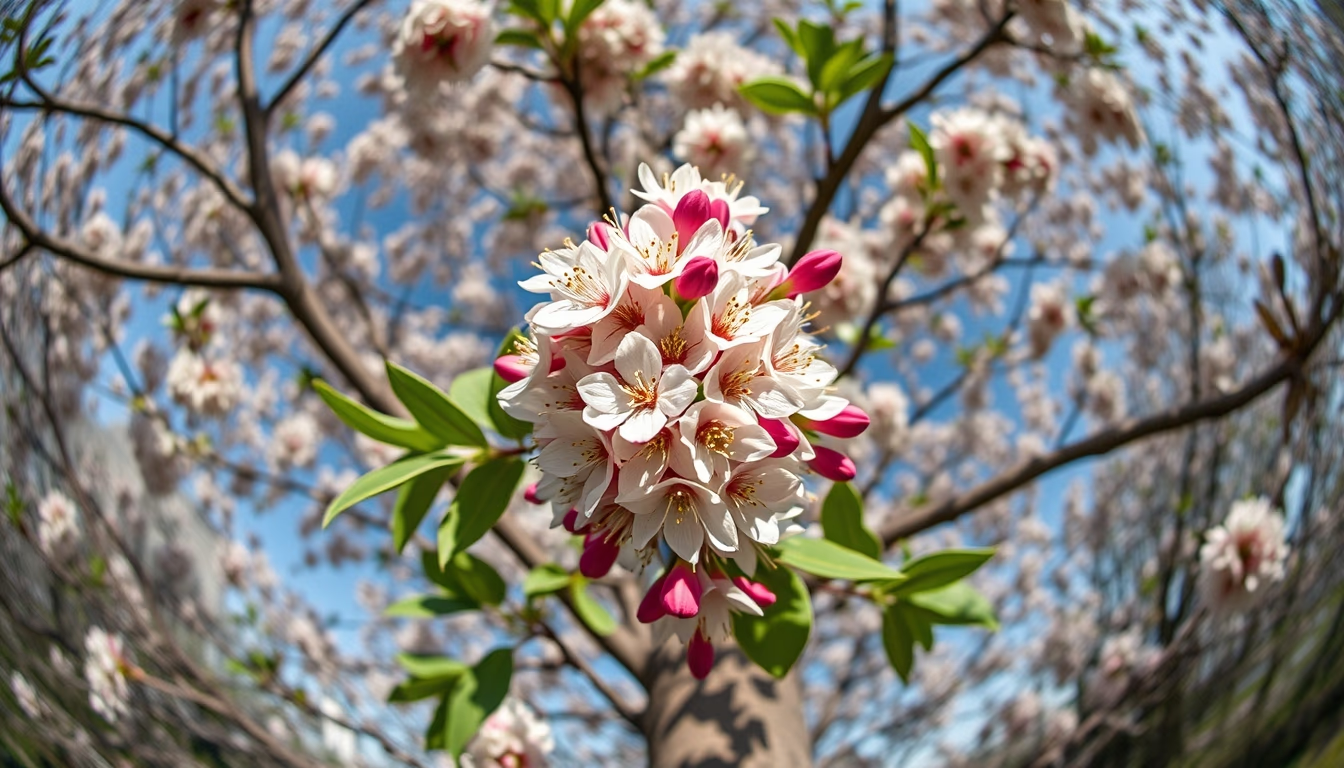
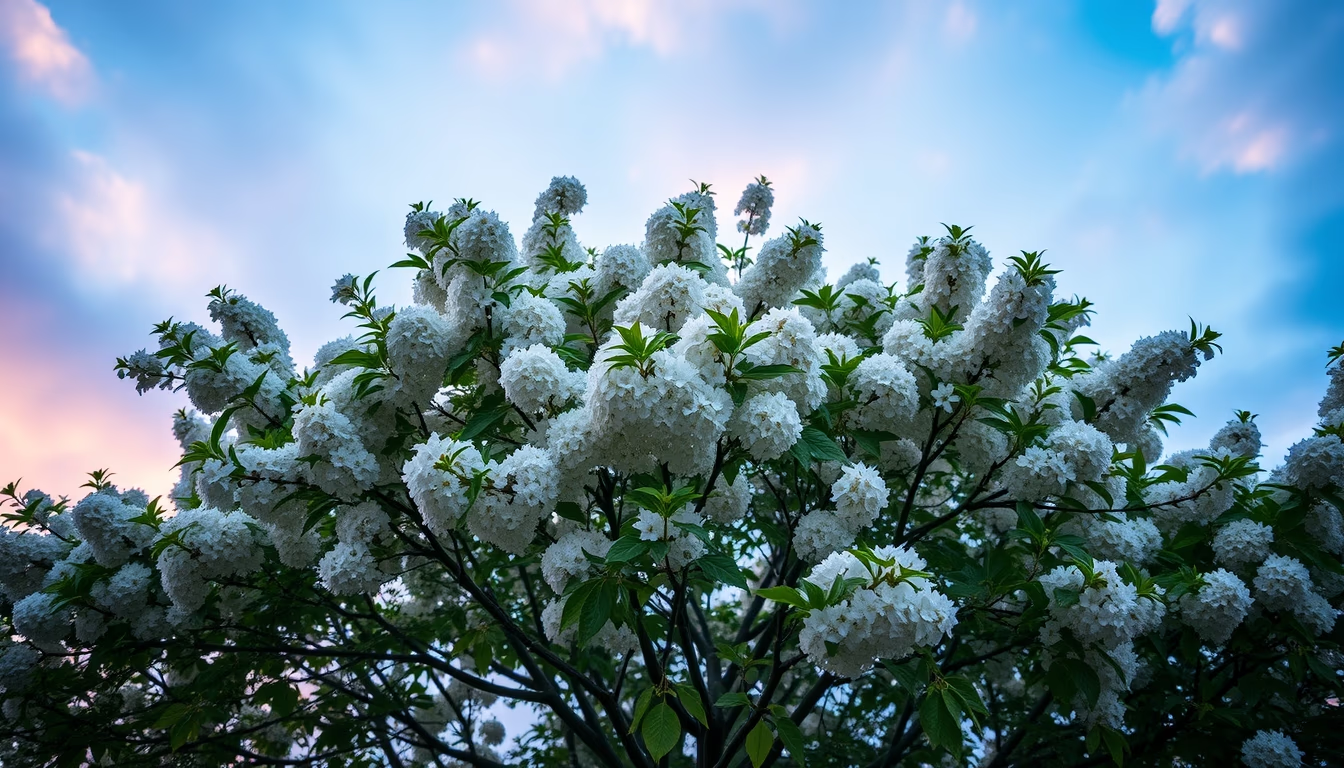
The flowering chestnut tree, a symbol of temperate landscapes, produces blossoms that yield a dark, intensely flavored honey prized in gastronomy.
About this subject
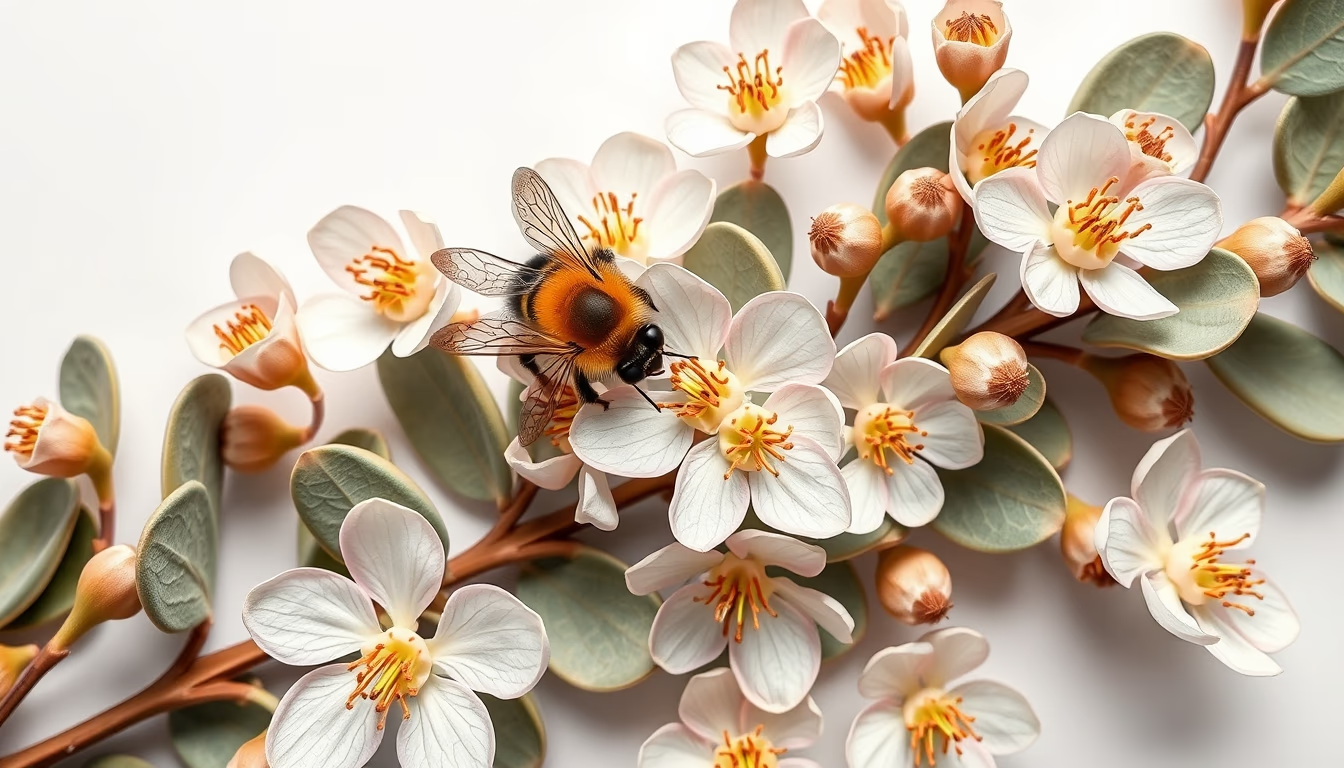
The chestnut tree (Castanea sativa) is a large deciduous tree native to temperate regions of the Northern Hemisphere, particularly common in Europe and Asia Minor. Its flowers appear in late spring and early summer as long, yellowish catkins that emit a sweet, slightly bitter fragrance. The flowering period is brief, lasting only two to three weeks, requiring bees to work intensively to collect the nectar.
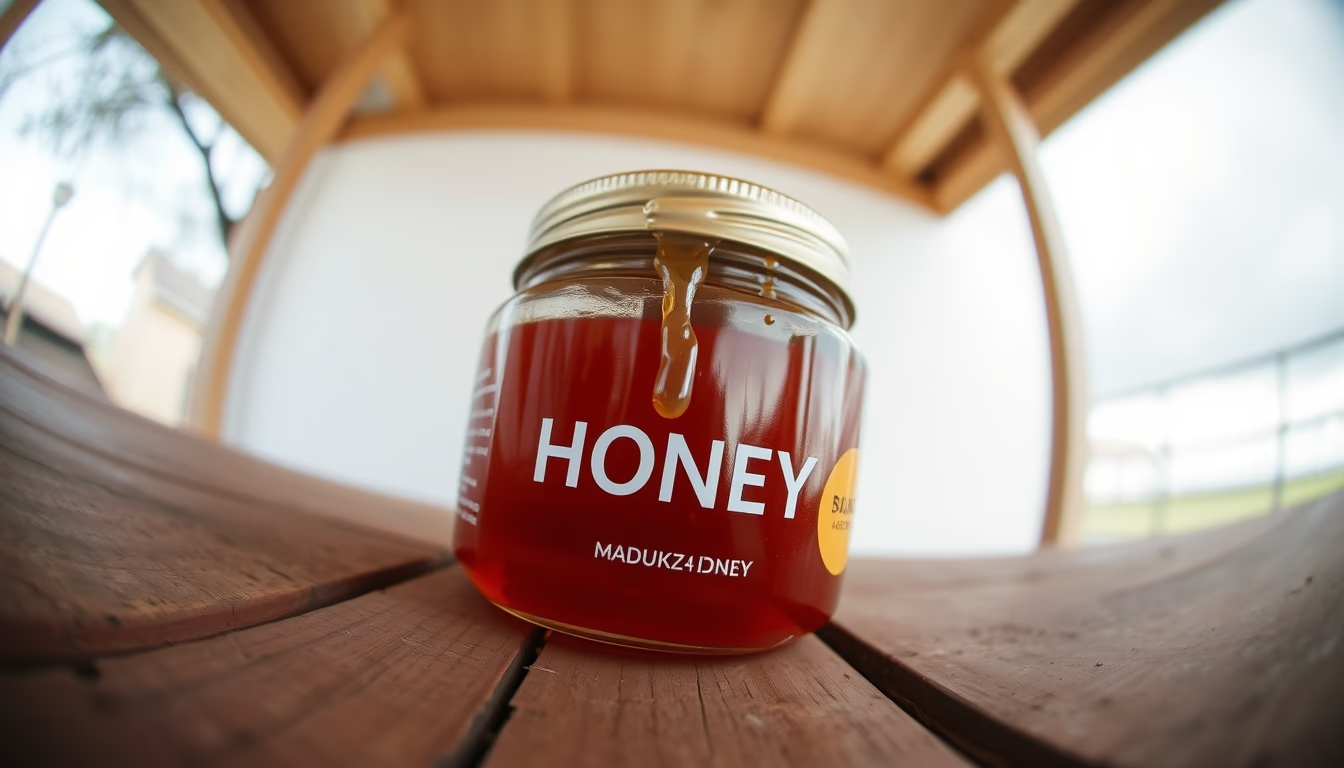
Chestnut honey is one of the most distinctive honeys in the world. Its color ranges from dark amber to almost black, and its flavor is strong, with woody notes and a hint of bitterness reminiscent of the nut itself. Rich in minerals such as potassium, magnesium, and iron, this honey is traditionally used in culinary preparations like sauces, marinades, and desserts, and is valued in folk medicine for its antioxidant and anti-inflammatory properties.
In European culture, the chestnut tree has played a significant historical role. Its nuts were a staple food for centuries in mountainous regions of Italy, France, and Portugal. The tree is also associated with myths and legends, often symbolizing strength and longevity some specimens can live for over a thousand years. In parts of Italy, such as Tuscany, the chestnut bloom marks the arrival of summer and is celebrated with local festivals.
Ecologically, chestnut flowers are a vital source of nectar and pollen for bees and other pollinators, especially in areas where native vegetation has declined. Preserving these trees is essential for maintaining biodiversity and producing high-quality honey. The chestnut tree is also resilient to poor soils and harsh climates, making it an important species for reforestation of degraded lands.
Frequently Asked Questions
What is the difference between the chestnut tree and the Brazil nut tree?
The chestnut tree (Castanea sativa) is a temperate climate tree native to Europe and Asia, producing edible chestnuts. The Brazil nut tree (Bertholletia excelsa) is an Amazonian tree that yields Brazil nuts. They are completely different species from distinct botanical families.
Is chestnut honey more bitter than other honeys?
Yes, chestnut honey has a characteristic intense and slightly bitter flavor, with woody and herbaceous notes. This unique profile is prized by those seeking strong, complex tastes, and it pairs well with savory dishes and cheeses.
When does the chestnut tree flower?
The chestnut tree flowers in late spring, typically between May and June in the Northern Hemisphere. The flowering period is brief, lasting two to three weeks, which concentrates bee activity and honey production.
Direct URL
https://pub-c7d6a6ea828543ac903a74a341ccb2e1.r2.dev/imagens/flowering-chestnut-tree-fish-eye-wide-angle-fresh0.avifHow to credit
Include a visible link back to UtilizAí. Copy one of the snippets below:
<a href="https://xn--utiliza-eza.com/en/midia/imagens/flowering-chestnut-tree-fish-eye-wide-angle-fresh0">Flowering chestnut tree</a> by <a href="https://xn--utiliza-eza.com">UtilizAí</a>, licensed under <a href="https://creativecommons.org/licenses/by/4.0/">CC BY 4.0</a>.
[Flowering chestnut tree](https://xn--utiliza-eza.com/en/midia/imagens/flowering-chestnut-tree-fish-eye-wide-angle-fresh0) by [UtilizAí](https://xn--utiliza-eza.com), CC BY 4.0
License: CC-BY-4.0