Flowering chestnut tree
1344×768 · AVIF · CC BY 4.0
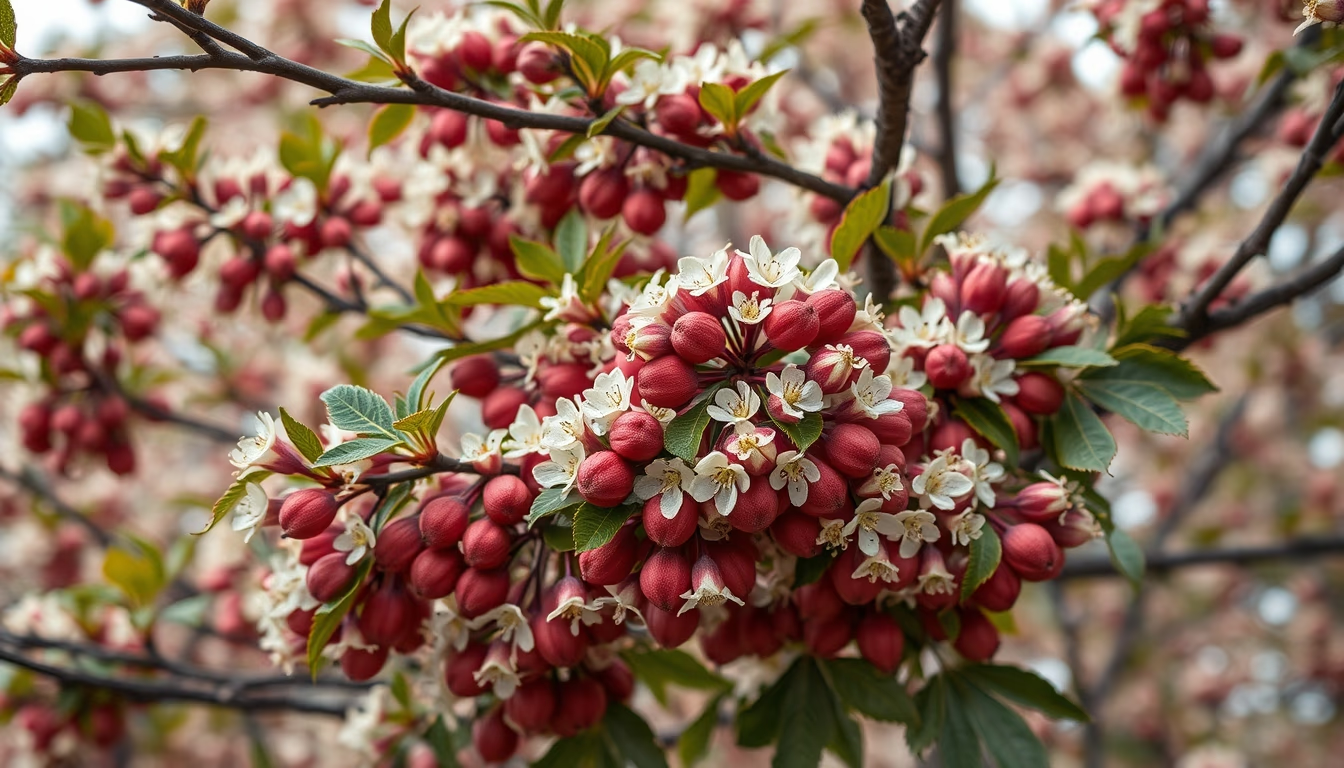
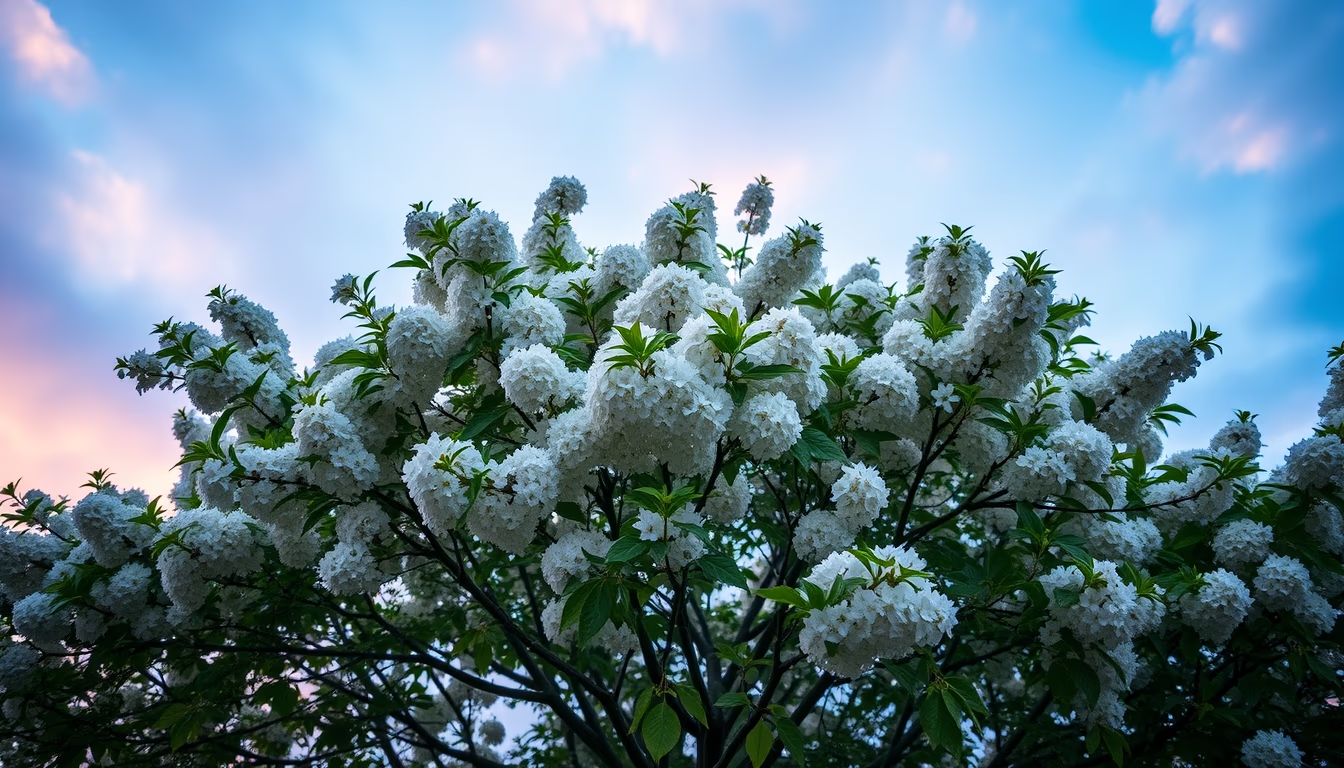
A flowering chestnut tree signals spring and supports the production of a dark, intense honey highly prized in Europe.
About this subject
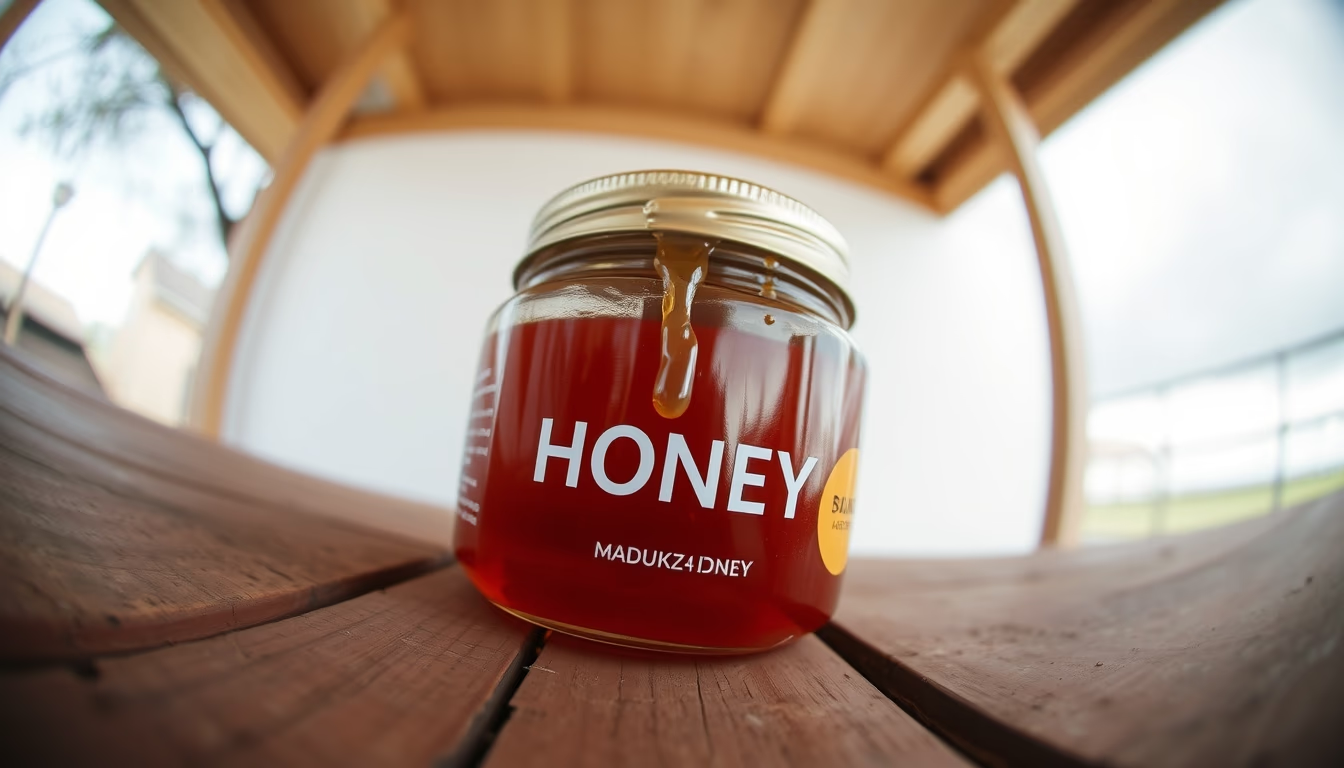
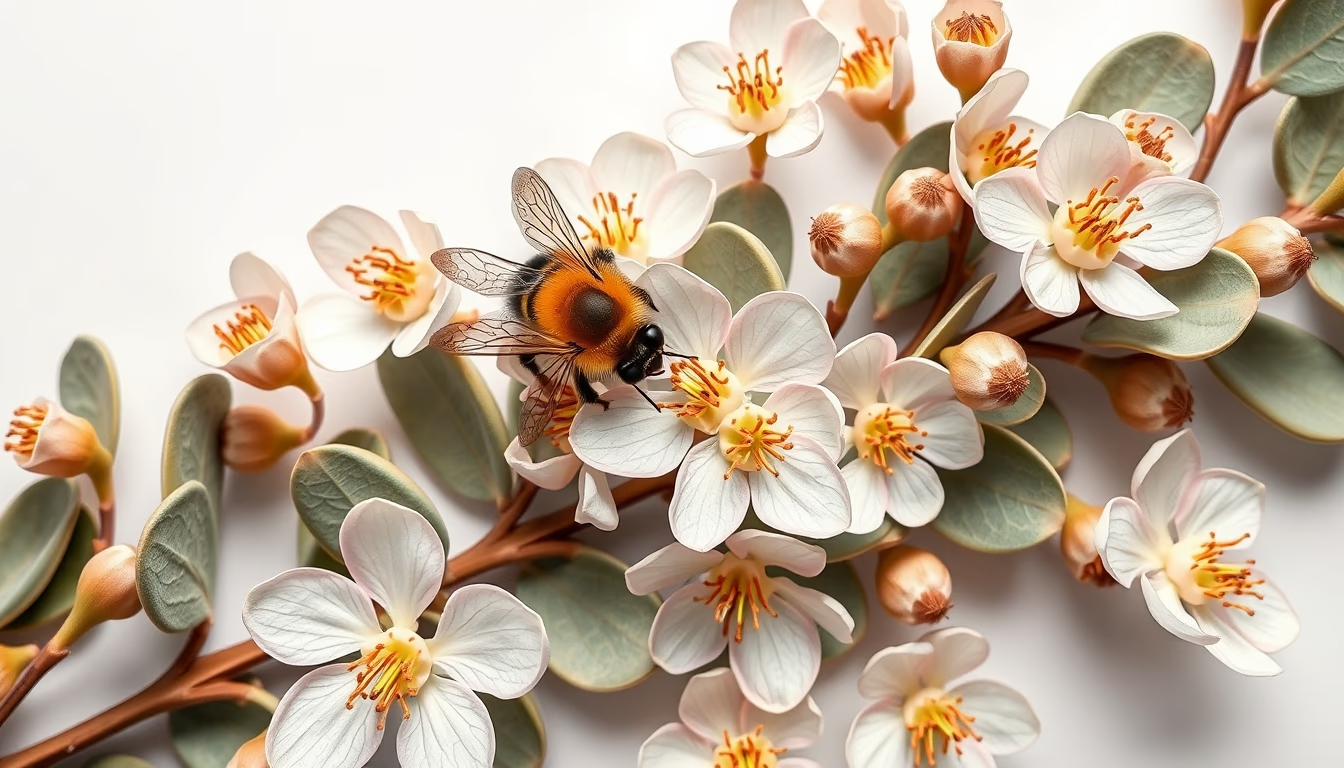
The European chestnut tree (Castanea sativa) is a majestic deciduous tree that can live for centuries, reaching heights of up to 35 meters. Its flowers, which appear in late spring, are long yellowish catkins that emit a slightly sweet fragrance. These inflorescences provide a critical source of nectar and pollen for honeybees. Chestnut honey is known for its dark amber colour, strong slightly bitter taste, and thick texture. It is rich in minerals and antioxidants, valued both in cooking and herbal medicine.
Chestnut flowering typically occurs between May and June in Europe, depending on altitude and climate. The trees are common in mountainous regions of southern Europe, including Italy, France, Portugal, and Spain. In Italy, chestnut honey is especially traditional, produced in the hills of Tuscany and Piedmont. The tree also holds cultural significance: chestnuts are a staple food in many areas, and the timber is used for construction and furniture.
For beekeepers, chestnut flowering is one of the most productive periods of the year, but requires care because the honey crystallizes slowly. The nectar has high sugar content, especially fructose. Interestingly, chestnut flowers also attract other pollinators like beetles and flies. In some areas, chestnut honey production is threatened by diseases such as chestnut blight and the gall wasp, which affect tree health.
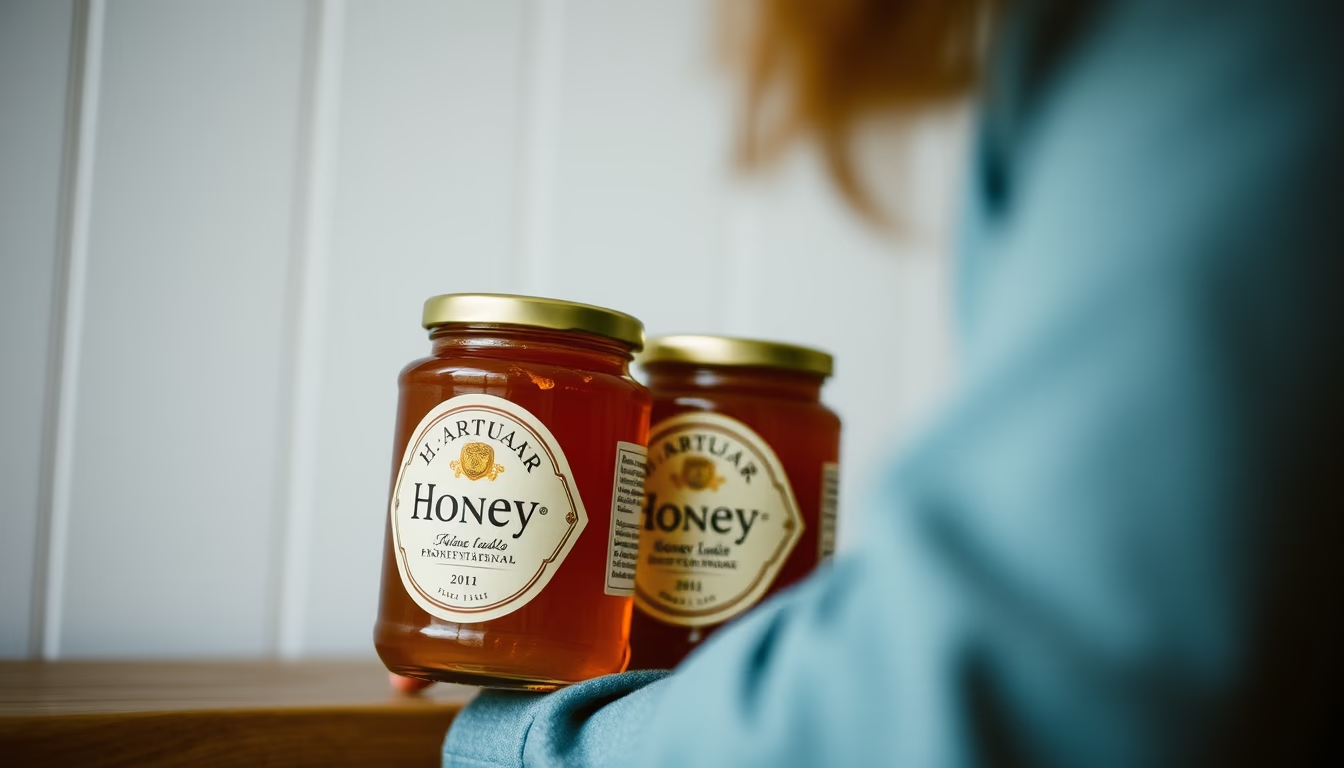
The relationship between chestnut trees and bees is ancient. Historical records indicate that the Romans already exploited chestnut honey. Today, the honey is used to sweeten cheese, accompany meat, or as a home remedy for colds and coughs. The tree in bloom is also a scenic spectacle, and many tourists travel to Portugal's Serra da Estrela or Italy's Apennines to see the yellowish flowers covering the slopes.
Frequently Asked Questions
When does the chestnut tree bloom?
The European chestnut tree blooms in late spring, usually between May and June in the Northern Hemisphere, but the exact timing varies with altitude and location.
What are the characteristics of chestnut honey?
Chestnut honey has a dark amber color, a strong slightly bitter taste, and a thick texture. It crystallizes slowly and is rich in minerals and antioxidants.
Is chestnut honey only produced in Europe?
While the European chestnut (Castanea sativa) is the most common source, other chestnut species in Asia and North America also produce honey, though flavor and color may differ.
Direct URL
https://pub-c7d6a6ea828543ac903a74a341ccb2e1.r2.dev/imagens/flowering-chestnut-tree-documentary-nature-style-fresh12.avifHow to credit
Include a visible link back to UtilizAí. Copy one of the snippets below:
<a href="https://xn--utiliza-eza.com/en/midia/imagens/flowering-chestnut-tree-documentary-nature-style-fresh12">Flowering chestnut tree</a> by <a href="https://xn--utiliza-eza.com">UtilizAí</a>, licensed under <a href="https://creativecommons.org/licenses/by/4.0/">CC BY 4.0</a>.
[Flowering chestnut tree](https://xn--utiliza-eza.com/en/midia/imagens/flowering-chestnut-tree-documentary-nature-style-fresh12) by [UtilizAí](https://xn--utiliza-eza.com), CC BY 4.0
License: CC-BY-4.0