Flowering chestnut tree
1344×768 · AVIF · CC BY 4.0
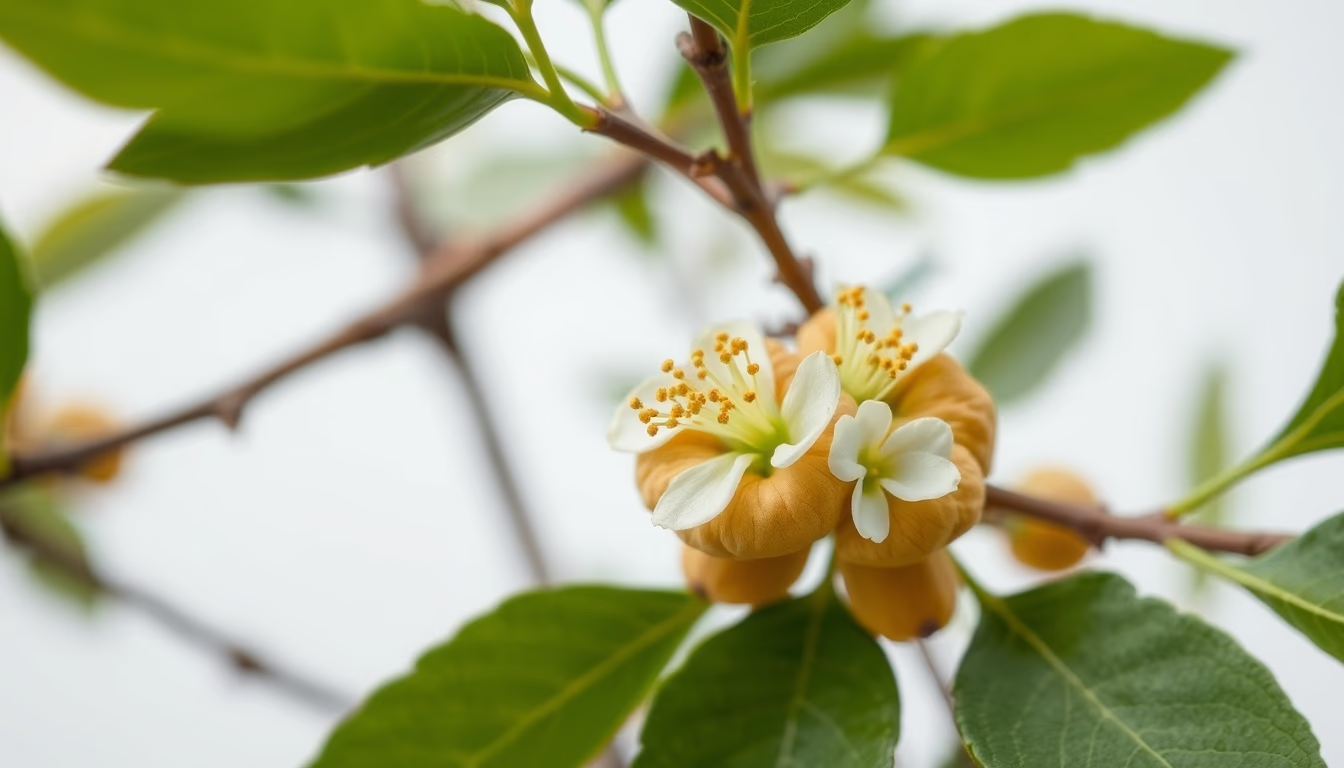
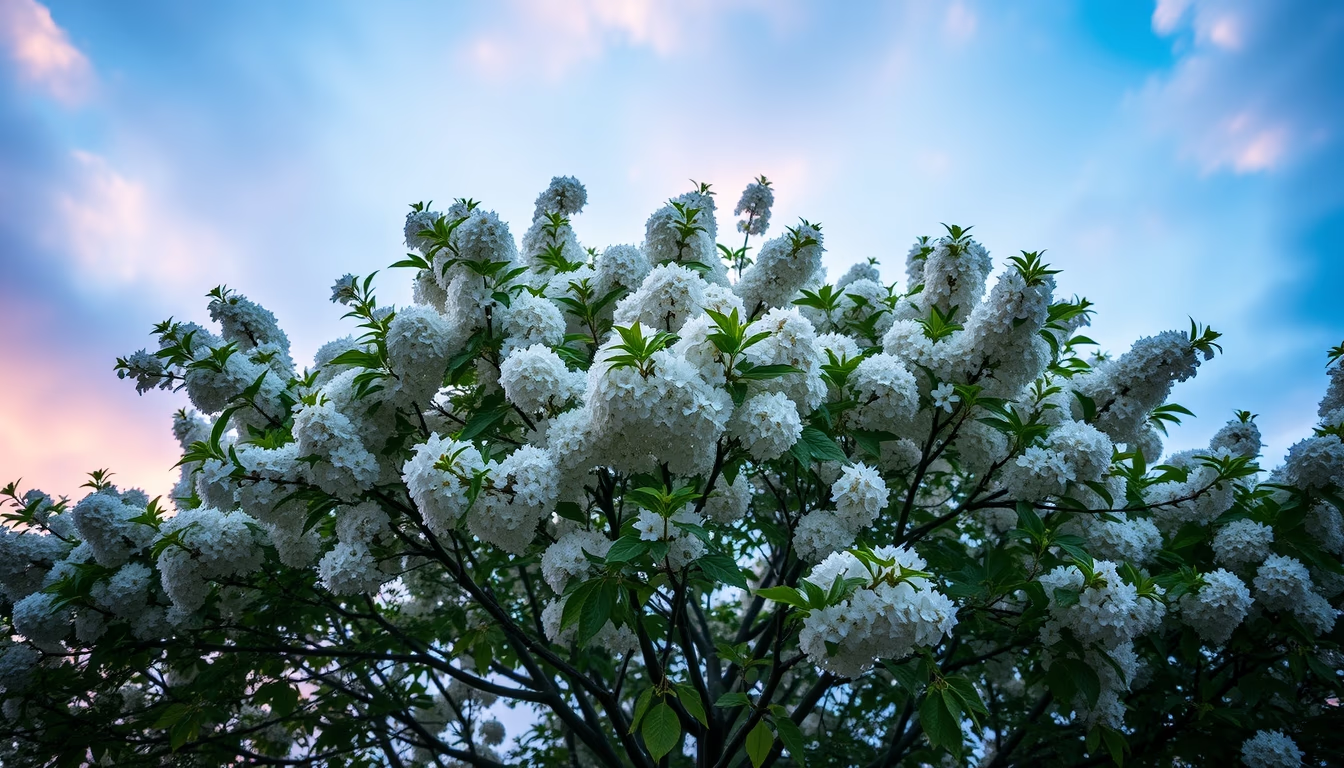
The flowering chestnut tree (Castanea sativa) is essential for chestnut honey production, a prized product in Europe.
About this subject
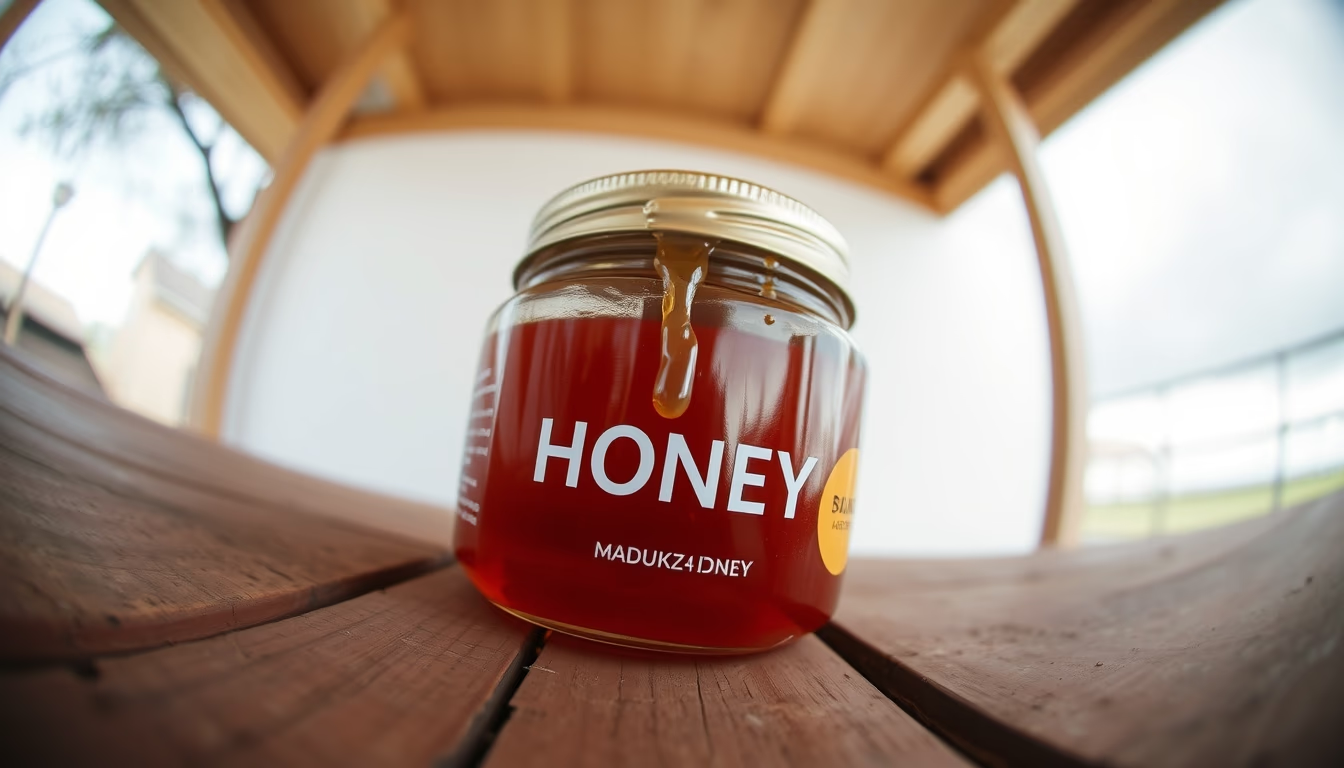
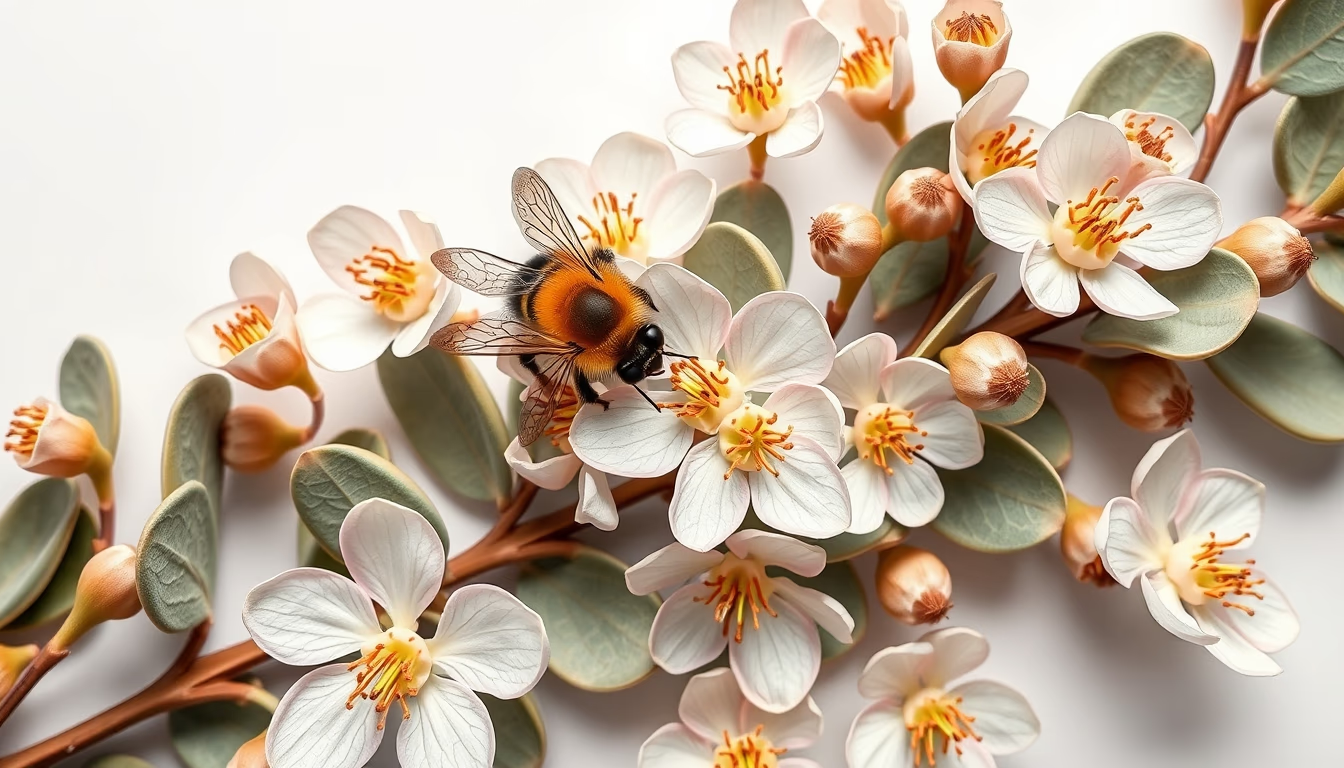
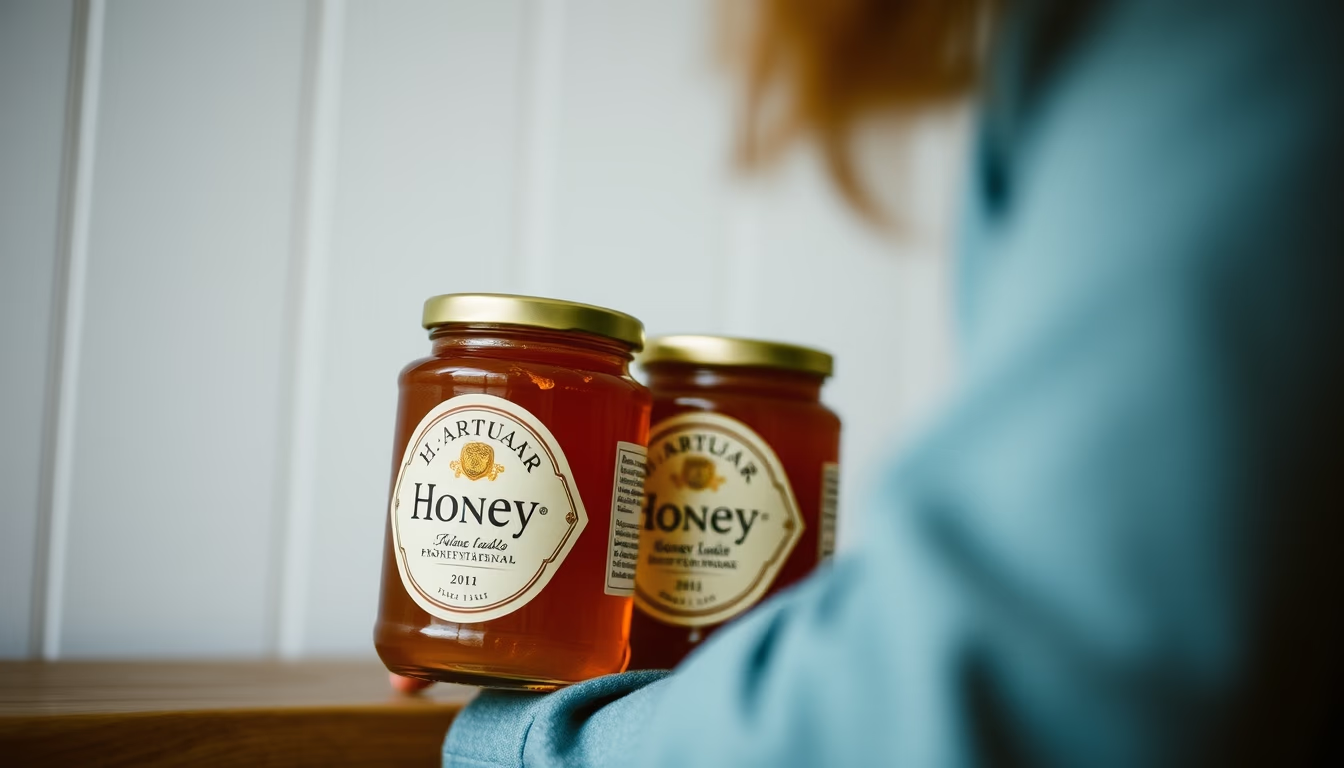
The chestnut tree, scientifically known as Castanea sativa, is native to southeastern Europe and Asia Minor. Its flowers bloom in late spring and early summer, providing a vital nectar source for bees, resulting in chestnut honey. This honey is recognized for its dark color, intense flavor with slight bitterness, and antiseptic and antioxidant properties due to phenolic compounds. The chestnut tree has been cultivated for millennia for its nuts and wood, but its flowers are often overlooked. In Italy, France, and Portugal, chestnut honey is protected by designations of origin, such as Miele di Castagno DOP. The tree can live for centuries and reach up to 30 meters in height, with a dense canopy providing shade. Male flowers appear as long, yellowish catkins, while female flowers are inconspicuous at the base of the inflorescences. Despite its apicultural importance, the chestnut tree faces threats like ink disease (Phytophthora spp.) and the gall wasp (Dryocosmus kuriphilus), which reduce nectar production. Chestnut honey is traditionally used as a natural remedy for sore throats and digestive issues, and its thick consistency slows crystallization. For beekeepers, chestnut tree blooms represent an intense collection period, as the flowers produce abundant nectar but only for a short three to four week window.
Frequently Asked Questions
When is the flowering season of the chestnut tree?
The chestnut tree blooms in late spring and early summer, typically between May and July in the Northern Hemisphere, depending on region and climate.
Does chestnut honey crystallize?
Chestnut honey crystallizes slowly due to its low glucose content and high viscosity, remaining liquid longer than many other honeys.
What are the benefits of chestnut honey?
Chestnut honey has antiseptic, antioxidant, and anti-inflammatory properties, used to soothe sore throats, improve digestion, and boost the immune system.
Direct URL
https://pub-c7d6a6ea828543ac903a74a341ccb2e1.r2.dev/imagens/flowering-chestnut-tree-commercial-product-photography-fresh11.avifHow to credit
Include a visible link back to UtilizAí. Copy one of the snippets below:
<a href="https://xn--utiliza-eza.com/en/midia/imagens/flowering-chestnut-tree-commercial-product-photography-fresh11">Flowering chestnut tree</a> by <a href="https://xn--utiliza-eza.com">UtilizAí</a>, licensed under <a href="https://creativecommons.org/licenses/by/4.0/">CC BY 4.0</a>.
[Flowering chestnut tree](https://xn--utiliza-eza.com/en/midia/imagens/flowering-chestnut-tree-commercial-product-photography-fresh11) by [UtilizAí](https://xn--utiliza-eza.com), CC BY 4.0
License: CC-BY-4.0