Flowering chestnut tree
1344×768 · AVIF · CC BY 4.0
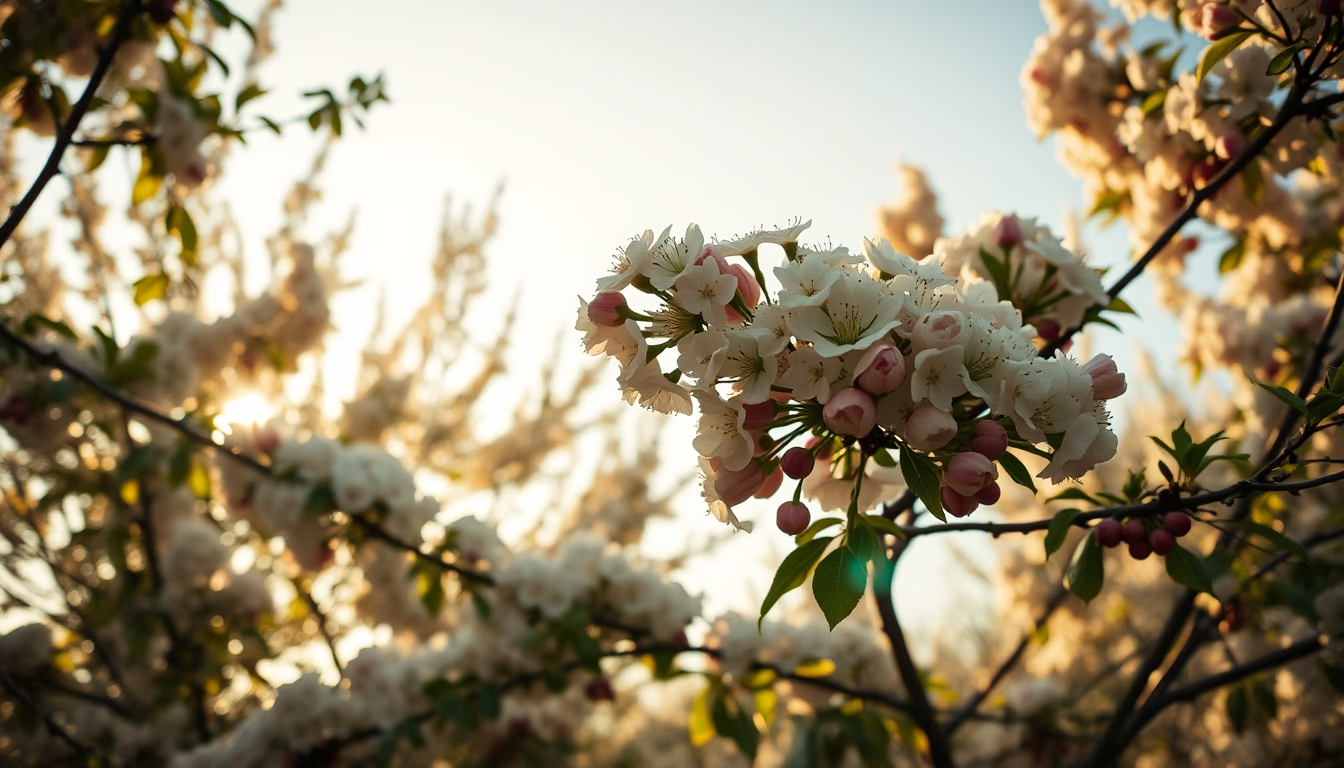
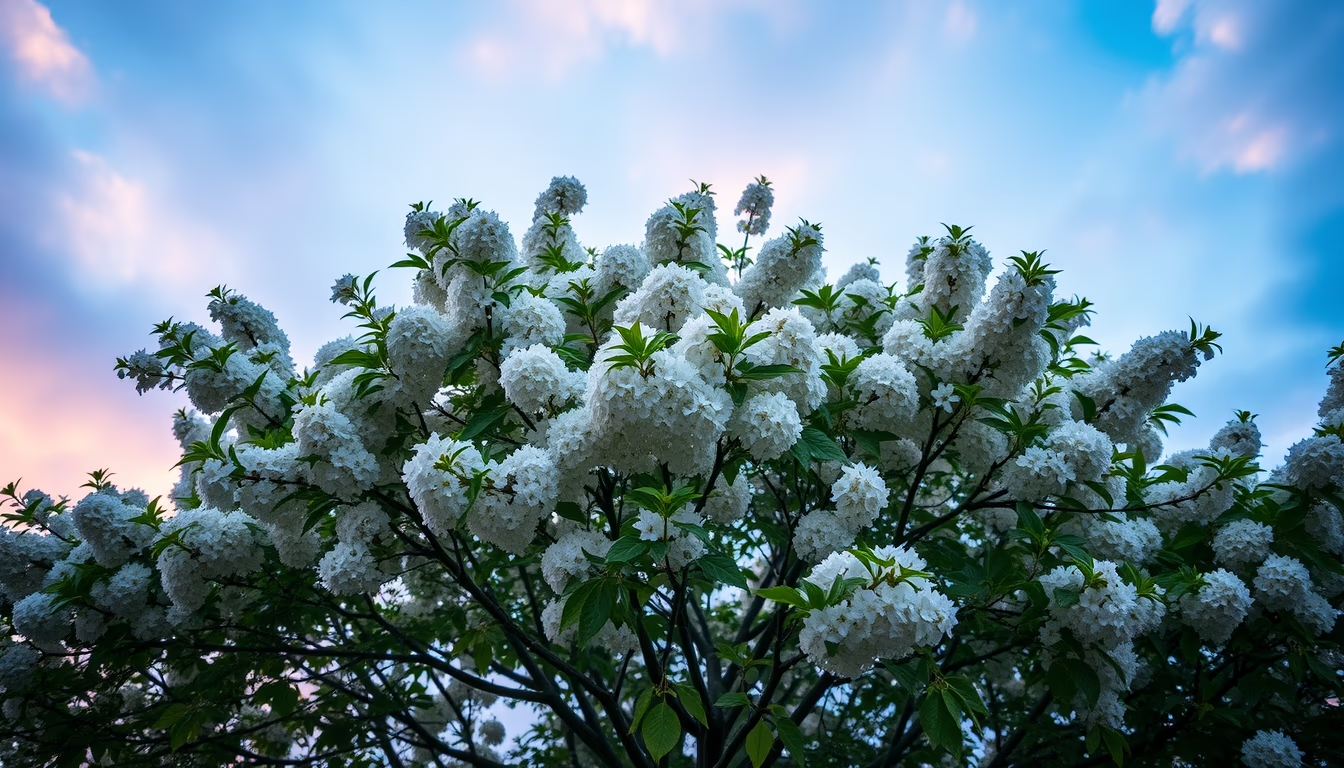
The flowering chestnut tree signals the transition to summer and provides nectar for a dark, bold honey rich in tannins.
About this subject
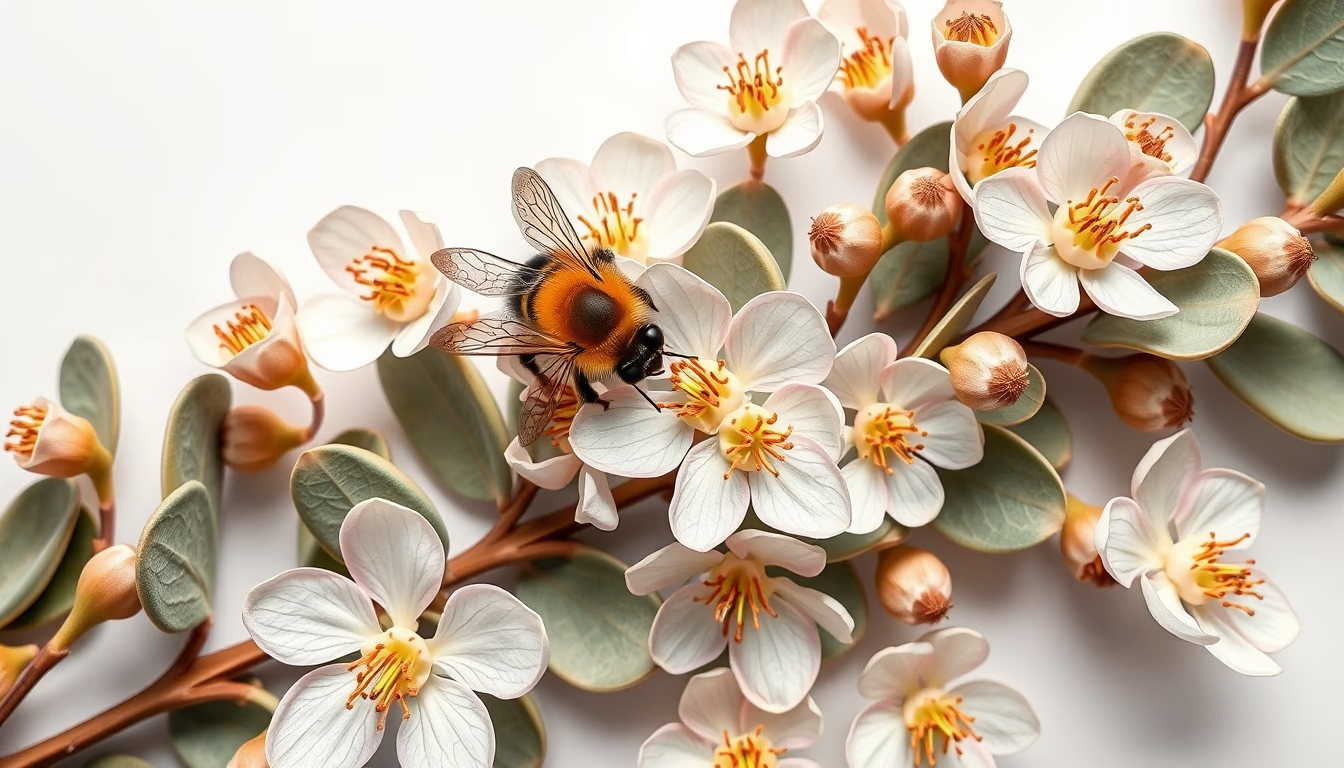
The chestnut tree (Castanea sativa) is a large deciduous tree native to temperate regions of the Northern Hemisphere, particularly southern Europe and Asia Minor. It flowers between May and July, depending on altitude and climate, producing long, yellowish catkins that emit a sweet, slightly pungent scent. Each catkin consists of hundreds of male flowers and a few female ones at the base, a structure that favors pollination by both wind and insects, especially honeybees.
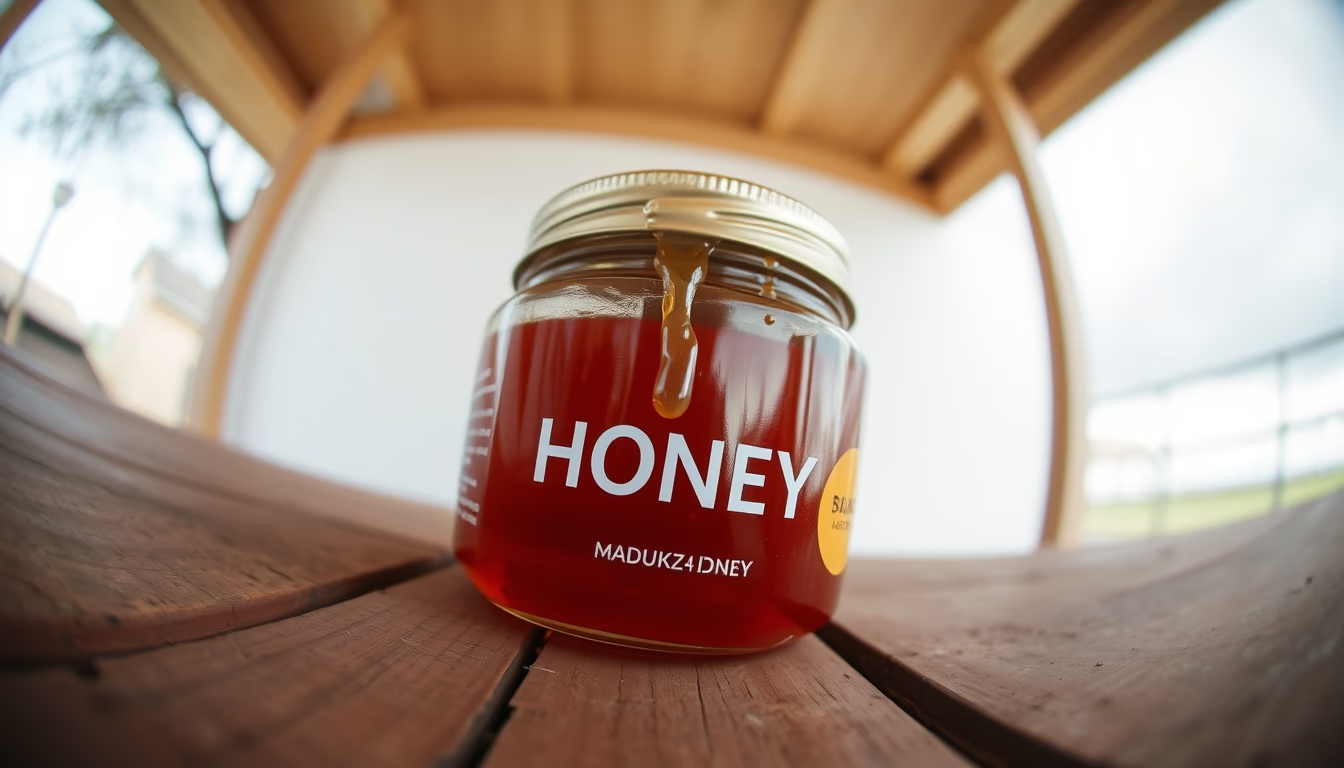
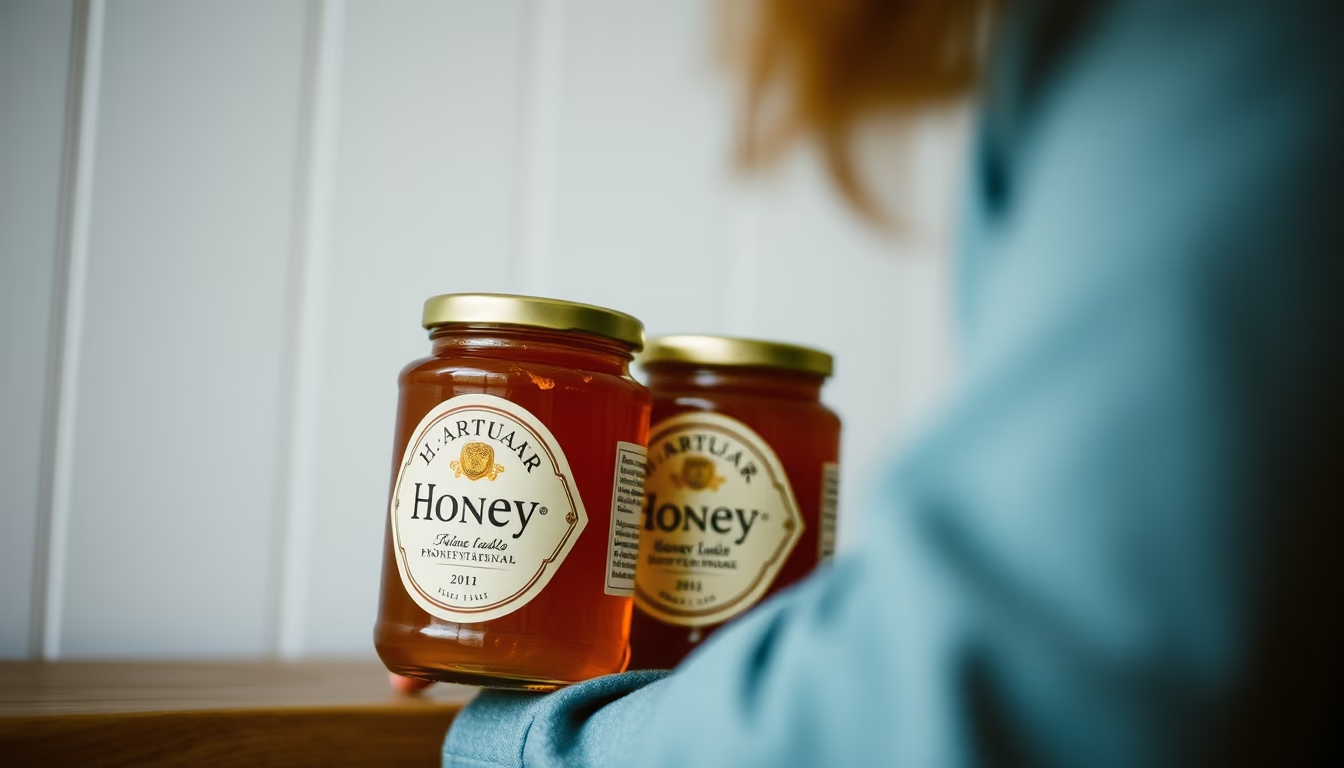
Chestnut honey is highly prized by connoisseurs. Dark amber to nearly black in color, it has an intense flavor with slight bitterness and woody, smoky notes, derived from tannins in the nectar. It crystallizes slowly and coarsely. In Italy, especially Tuscany and Piedmont, it is used to sweeten aged cheeses and accompany game meats. In France, Corsica produces a chestnut honey with protected designation of origin.
Beyond honey, the chestnut tree is economically important for its durable timber, used in furniture and construction, and for the nuts, which are the basis of traditional dishes such as marron glacé and chestnut flour. The tree can live for centuries and reach 30 meters in height. It thrives in acidic, well-drained soils. However, flowering is ephemeral and depends on mild weather; late frosts can severely affect honey and nut production.
Frequently Asked Questions
Why is chestnut honey darker than other honeys?
The dark color of chestnut honey results from a high concentration of tannins and minerals in the flower's nectar. These compounds also give it the characteristic bitter taste and woody notes.
When does the chestnut tree bloom?
The chestnut tree blooms from late spring to early summer, typically between May and July, depending on the region and altitude.
Is chestnut honey good for health?
Yes, chestnut honey has antioxidant and antibacterial properties due to its tannins and flavonoids. It is often used to soothe respiratory and digestive issues and to boost the immune system.
Direct URL
https://pub-c7d6a6ea828543ac903a74a341ccb2e1.r2.dev/imagens/flowering-chestnut-tree-cinematic-wide-shot-fresh4.avifHow to credit
Include a visible link back to UtilizAí. Copy one of the snippets below:
<a href="https://xn--utiliza-eza.com/en/midia/imagens/flowering-chestnut-tree-cinematic-wide-shot-fresh4">Flowering chestnut tree</a> by <a href="https://xn--utiliza-eza.com">UtilizAí</a>, licensed under <a href="https://creativecommons.org/licenses/by/4.0/">CC BY 4.0</a>.
[Flowering chestnut tree](https://xn--utiliza-eza.com/en/midia/imagens/flowering-chestnut-tree-cinematic-wide-shot-fresh4) by [UtilizAí](https://xn--utiliza-eza.com), CC BY 4.0
License: CC-BY-4.0