Fishing trawler sea
1344×768 · AVIF · CC BY 4.0
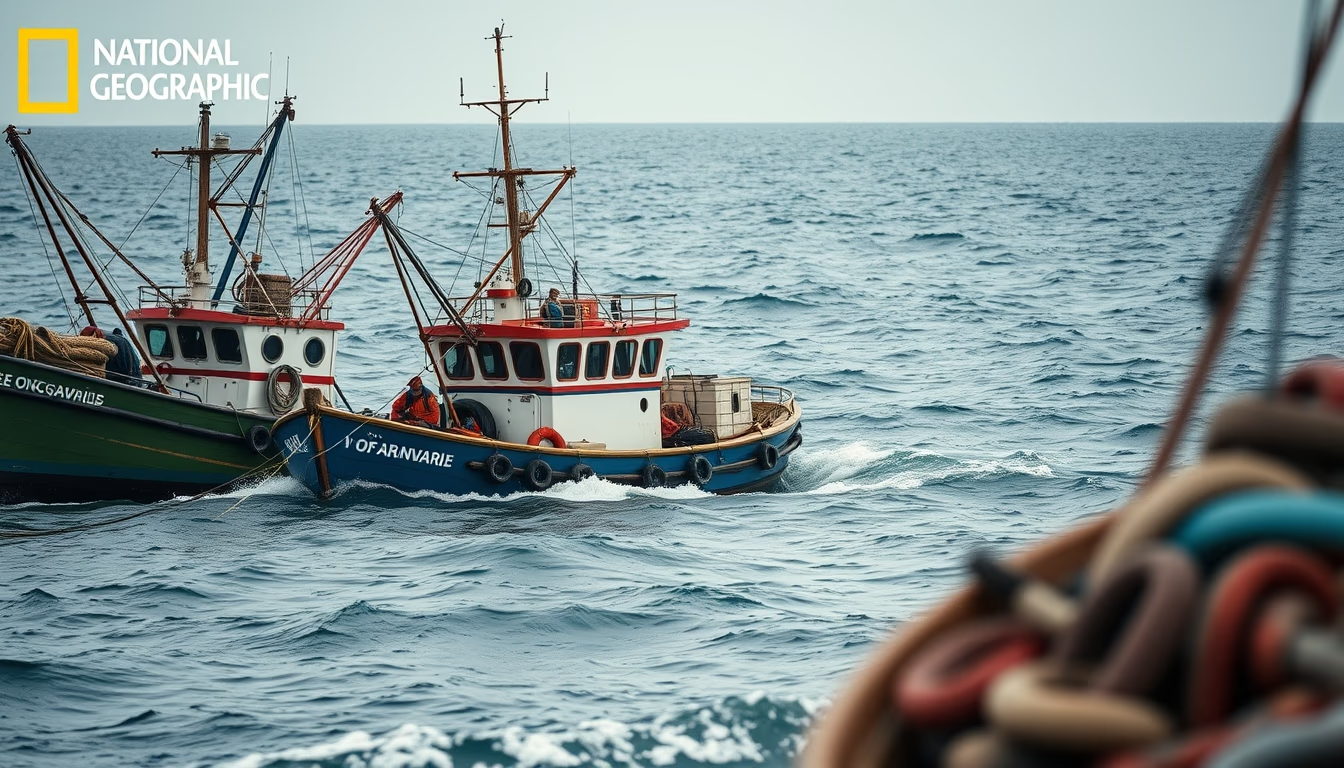
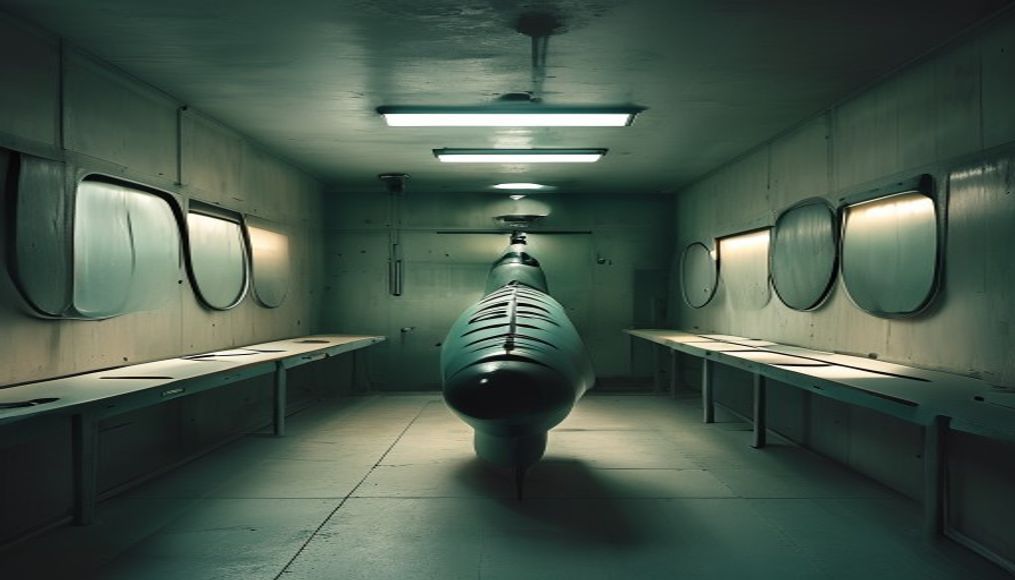
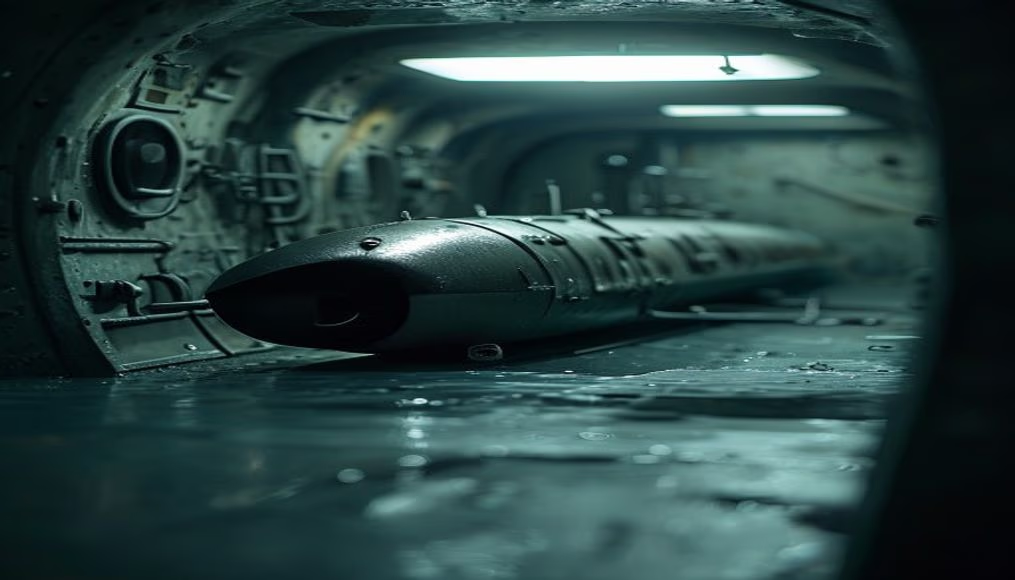
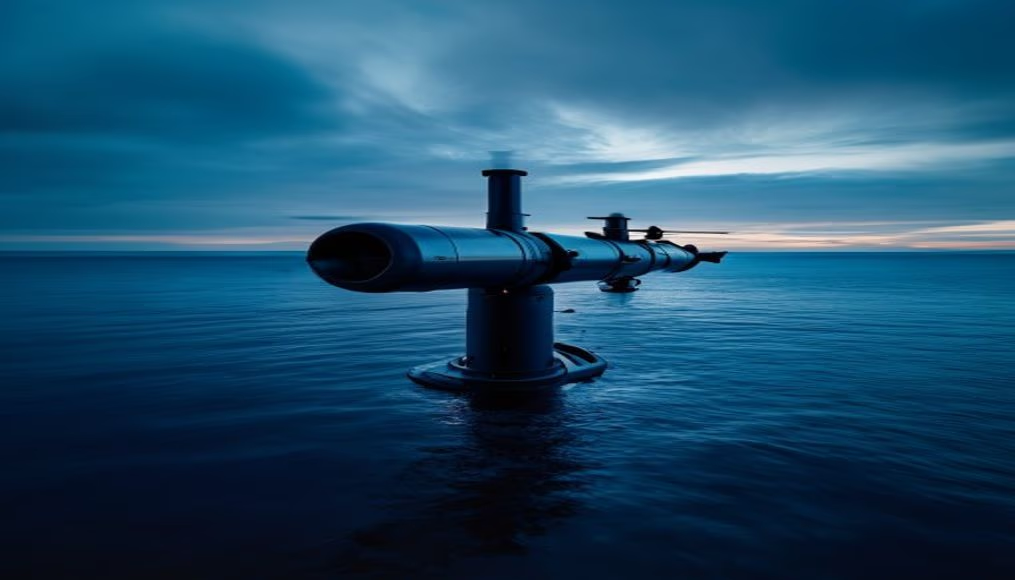
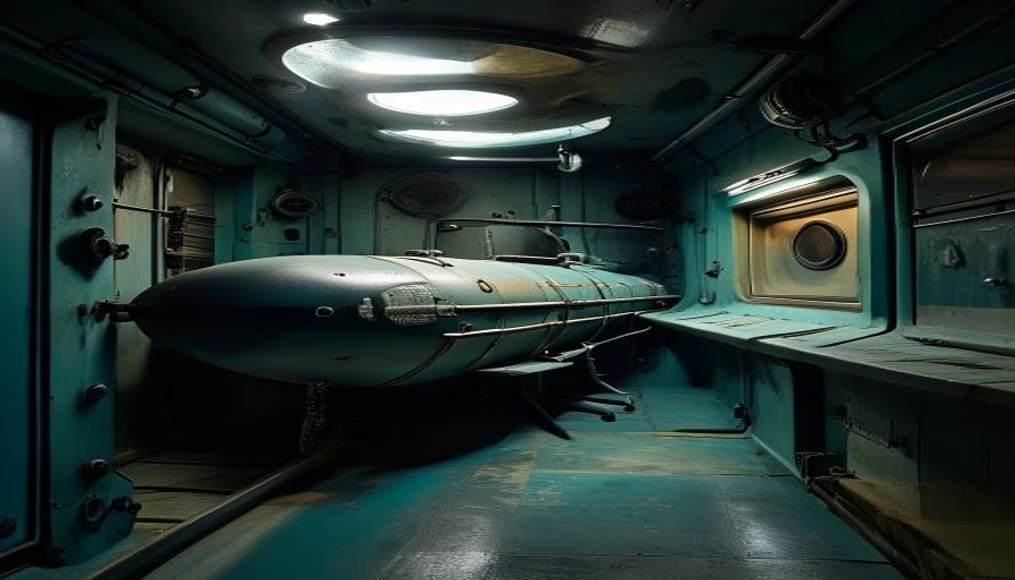
Fishing trawlers are sturdy vessels that drag nets across the seafloor, catching large volumes of fish and seafood worldwide.
About this subject
Fishing trawlers are vessels designed to operate trawl nets, a technique where a cone-shaped net is towed behind the boat, sweeping the seabed or water column. These boats range from small artisanal craft to large industrial trawlers with onboard processing capabilities. The global trawler fleet accounts for approximately 25% of all wild-caught seafood, according to the Food and Agriculture Organization of the United Nations (FAO).
Trawl fishing, however, is environmentally controversial. Bottom trawling can damage sensitive marine ecosystems such as corals and reefs, and generates high bycatch of non-target species like sea turtles and dolphins. To mitigate impacts, many regions impose exclusion zones, depth limits, and require devices like turtle excluders and bycatch reduction devices.
In Brazil, trawling is common in the Southeast and South regions, targeting pink shrimp and fish such as croaker and weakfish. The Brazilian fleet includes otter trawlers and double-rig trawlers operating mainly on the continental shelf. National legislation sets closed seasons, restricted areas, and minimum mesh sizes to balance activity with sustainability.
Globally, trawl fishing faces questions about food security and ocean health. While some defend its efficiency in large-scale protein production, critics advocate for a transition to more selective, low-impact methods. Sustainable fisheries certifications, such as the Marine Stewardship Council (MSC), aim to incentivize responsible practices among trawler fleets. Technological innovations like camera-equipped nets and sensors also promise to reduce collateral damage, but widespread adoption remains nascent.
Frequently Asked Questions
What is a fishing trawler and how does it work?
A fishing trawler is a boat equipped to tow a trawl net, usually along the seafloor, to catch fish and shellfish in large quantities. The net is opened by hydrodynamic doors and kept close to the bottom by chains and rollers, then hauled aboard periodically.
What are the main environmental impacts of trawl fishing?
Bottom trawling can destroy marine habitats like corals and reefs, and generates high bycatch of non-target species. Midwater trawling has less seafloor impact but still causes bycatch. Measures such as larger mesh sizes and escape devices help reduce these effects.
Are there regulations for trawl fishing in Brazil?
Yes, Brazil has specific laws including coastal exclusion zones, closed seasons for species reproduction, minimum mesh sizes, and bans in protected areas. Enforcement is carried out by Ibama and state navies, but effectiveness remains a challenge.
Direct URL
https://pub-c7d6a6ea828543ac903a74a341ccb2e1.r2.dev/imagens/fishing-trawler-sea-national-geographic-style-p8.avifHow to credit
Include a visible link back to UtilizAí. Copy one of the snippets below:
<a href="https://xn--utiliza-eza.com/en/midia/imagens/fishing-trawler-sea-national-geographic-style-p8">Fishing trawler sea</a> by <a href="https://xn--utiliza-eza.com">UtilizAí</a>, licensed under <a href="https://creativecommons.org/licenses/by/4.0/">CC BY 4.0</a>.
[Fishing trawler sea](https://xn--utiliza-eza.com/en/midia/imagens/fishing-trawler-sea-national-geographic-style-p8) by [UtilizAí](https://xn--utiliza-eza.com), CC BY 4.0
License: CC-BY-4.0