Fishing trawler sea
1344×768 · AVIF · CC BY 4.0
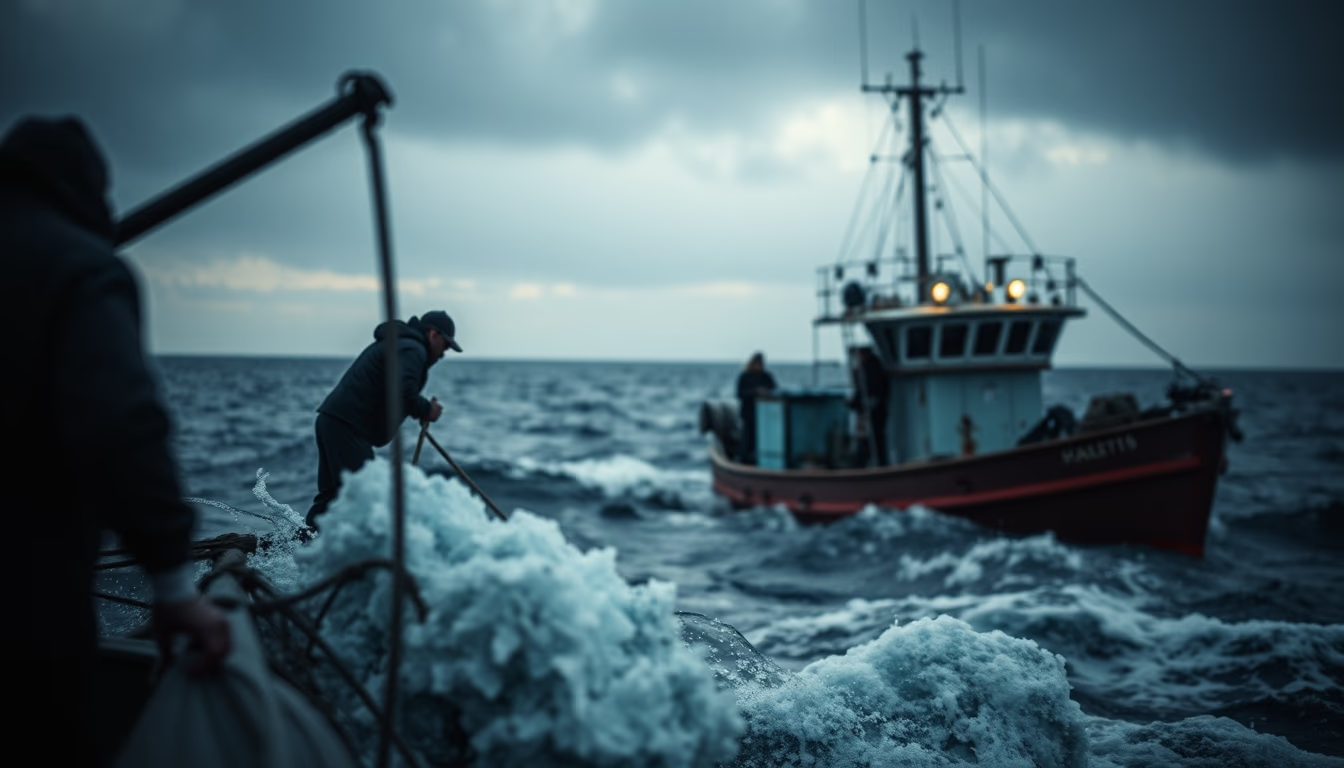
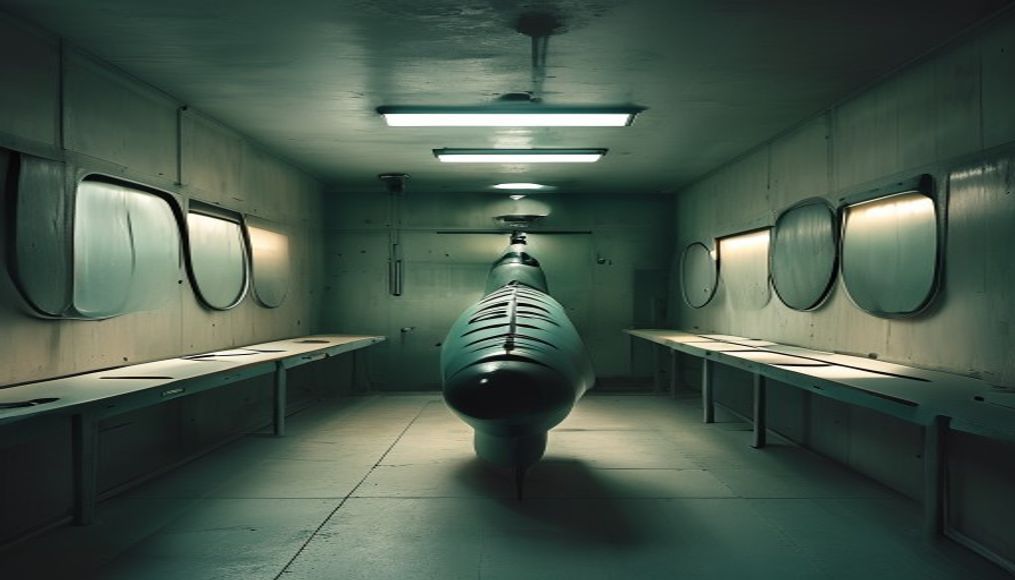
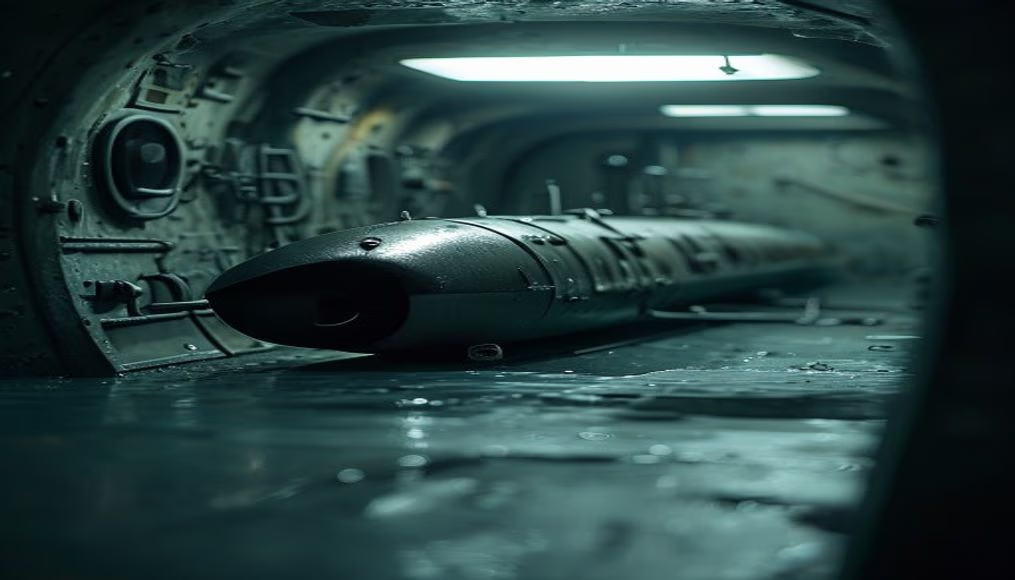
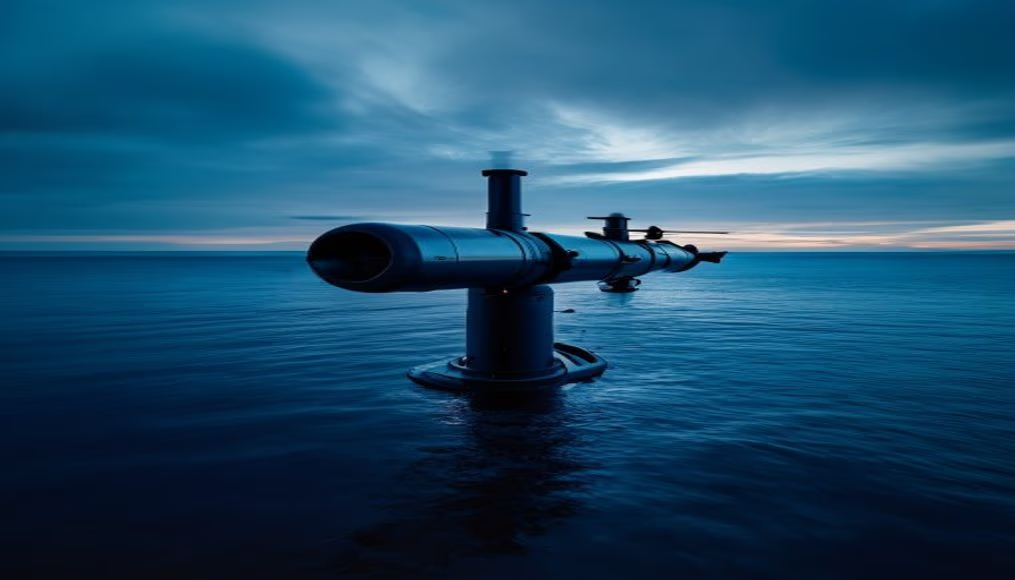
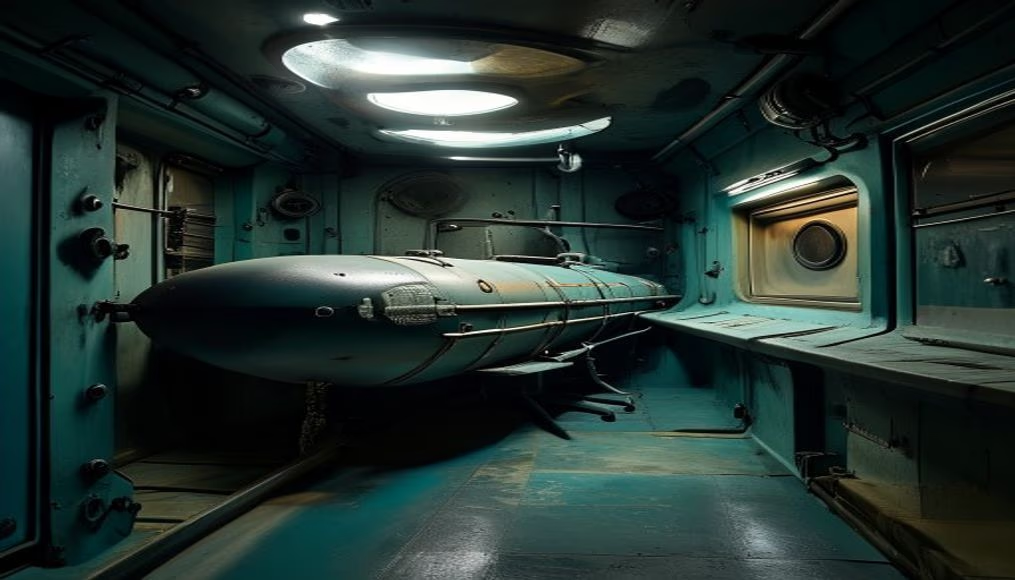
Fishing trawlers are industrial vessels that use cone-shaped nets to catch large quantities of fish, vital to the global fishing economy yet also criticized for environmental impacts.
About this subject
Fishing trawlers are vessels designed to drag nets through the water column or along the seafloor, capturing fish, shrimp, and other marine organisms. This technique, known as trawling, is one of the most productive in the fishing industry, accounting for roughly 25% of global fish catches. Major fishing nations like China, Indonesia, and the European Union operate trawler fleets across all oceans, including international waters and other countries' exclusive economic zones, leading to diplomatic tensions and sovereignty disputes.
The history of trawlers dates back to the 19th century when steam-powered boats began replacing artisanal fishing. After World War II, advancements such as sonar and nylon nets greatly improved efficiency. Today, trawlers range from 10 to over 100 meters in length, often equipped with onboard processing and freezing facilities, enabling voyages lasting weeks or months. In Brazil, the trawling fleet is concentrated in the Southeast and South, particularly in Santa Catarina and Rio Grande do Sul, targeting species like pink shrimp and Brazilian sardine.
However, trawling faces severe criticism from environmental groups due to its ecological impacts. Nets can destroy benthic habitats such as corals and sponges, and they often capture non-target species (bycatch), including turtles, dolphins, and seabirds. It is estimated that one-third of global catch is discarded dead or dying. Bottom trawling in sensitive areas has led to the establishment of exclusion zones and international agreements, such as the ban on trawling in South Atlantic seamounts by the Commission for the Conservation of Antarctic Marine Living Resources (CCAMLR).
Technology is offering some solutions. Turtle excluder devices (TEDs), modified trawl doors that reduce seabed contact, and electronic monitoring systems are examples of mitigation measures. Certification by the Marine Stewardship Council (MSC) for sustainable trawl fisheries, such as the Argentine hake fishery, demonstrates that it is possible to balance production and conservation, provided strict management and enforcement are in place. The debate between food security, the livelihoods of millions of fishers, and ocean health remains central to discussions on the future of industrial fishing.
Frequently Asked Questions
What is a fishing trawler?
A fishing trawler is a vessel that drags a cone-shaped net through the water to catch fish and other marine life. It is commonly used in high-volume industrial fishing.
What are the main environmental impacts of trawling?
Trawling can destroy benthic habitats like corals and sponges, and causes bycatch of endangered species such as turtles and dolphins. About one-third of the catch is discarded.
Is there such a thing as sustainable trawl fishing?
Yes, some trawl fisheries are certified by the Marine Stewardship Council (MSC) when they adopt measures like turtle excluder devices and strict monitoring. Proper management can reduce impacts.
Direct URL
https://pub-c7d6a6ea828543ac903a74a341ccb2e1.r2.dev/imagens/fishing-trawler-sea-high-fashion-editorial-p9.avifHow to credit
Include a visible link back to UtilizAí. Copy one of the snippets below:
<a href="https://xn--utiliza-eza.com/en/midia/imagens/fishing-trawler-sea-high-fashion-editorial-p9">Fishing trawler sea</a> by <a href="https://xn--utiliza-eza.com">UtilizAí</a>, licensed under <a href="https://creativecommons.org/licenses/by/4.0/">CC BY 4.0</a>.
[Fishing trawler sea](https://xn--utiliza-eza.com/en/midia/imagens/fishing-trawler-sea-high-fashion-editorial-p9) by [UtilizAí](https://xn--utiliza-eza.com), CC BY 4.0
License: CC-BY-4.0