Fish hatchery raceways
1344×768 · AVIF · CC BY 4.0
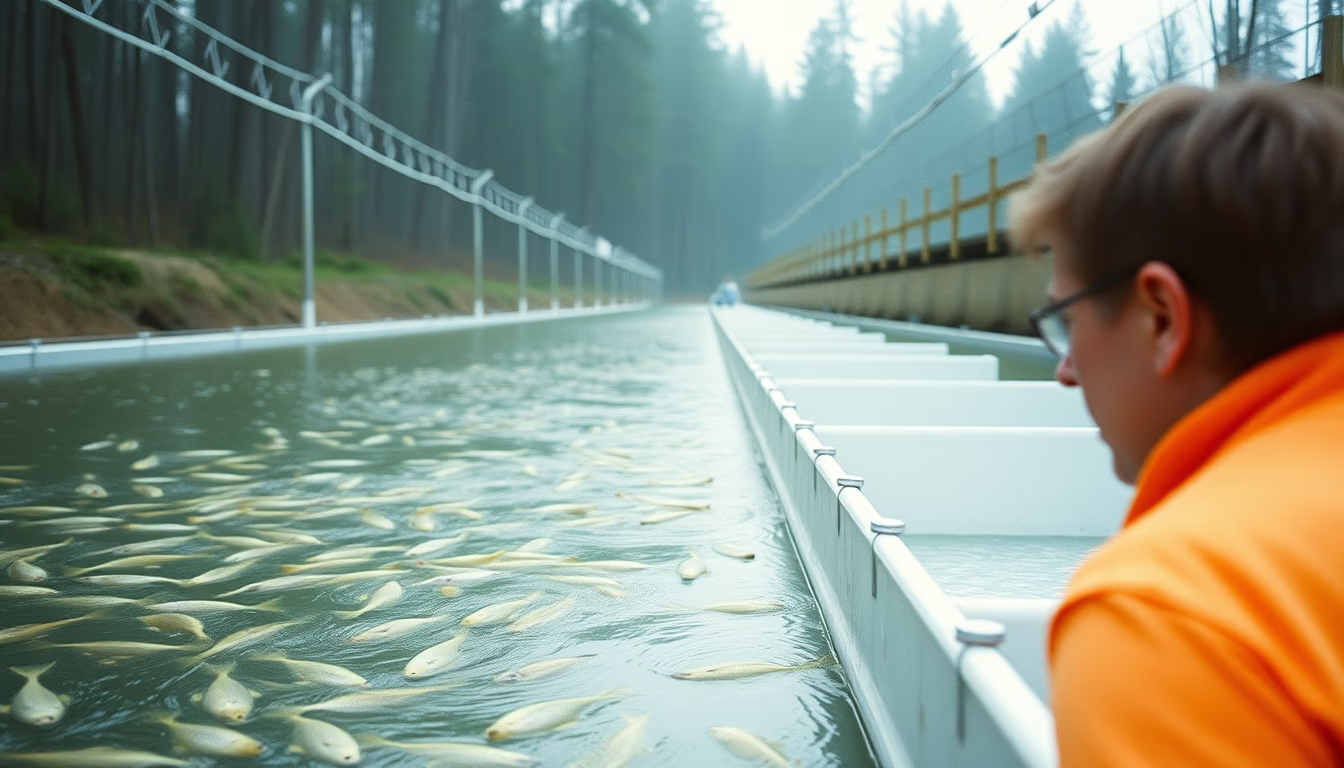
Raceways are continuous flow channels used in fish hatcheries for intensive aquaculture, such as trout and tilapia, with high water turnover.
About this subject
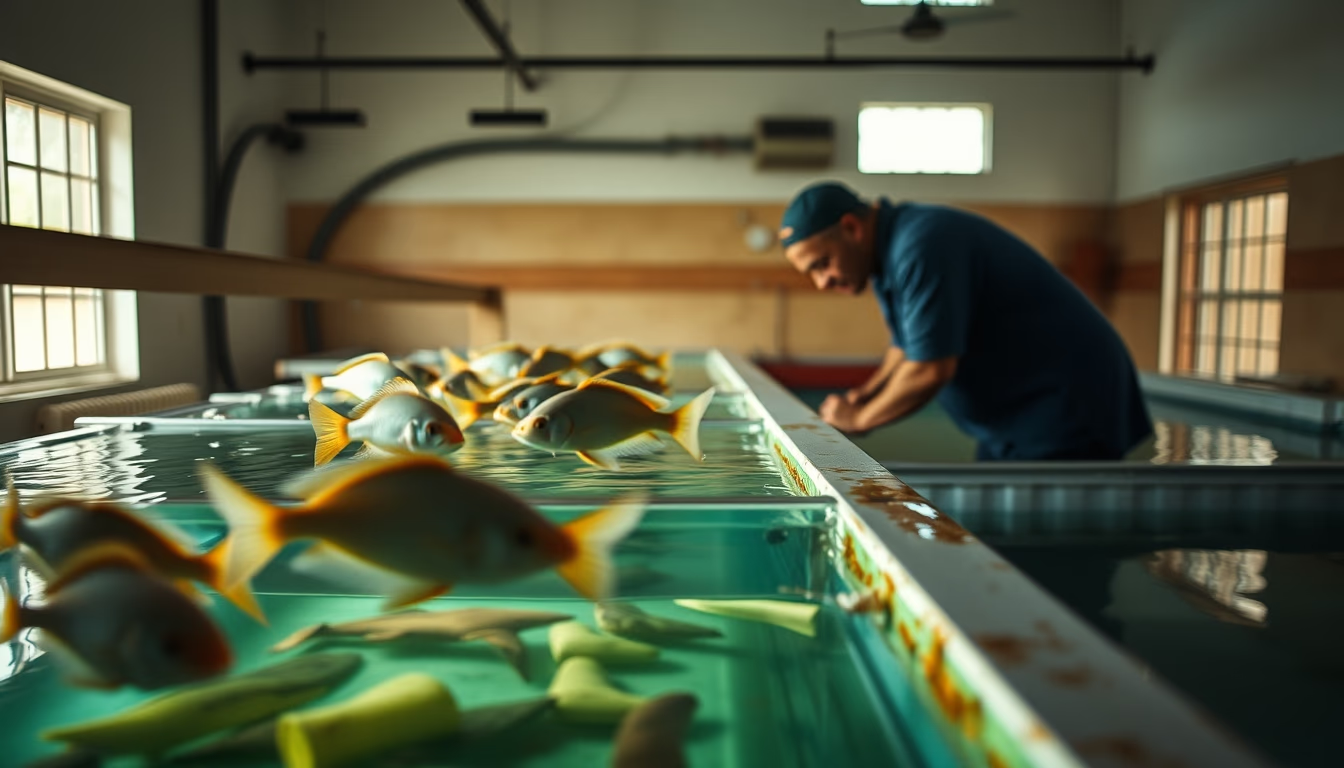
Raceways are elongated channels, typically made of concrete or fiberglass, where water flows continuously, simulating a current-like environment. This system is widely used in fish hatcheries for high-density aquaculture, especially species requiring well-oxygenated water, such as rainbow trout (Oncorhynchus mykiss) and salmon. Water is sourced from rivers or artesian wells, passes through the tanks, and returns to the environment after treatment, ensuring constant renewal.
In Brazil, raceways are common in high-altitude regions like the Serra da Mantiqueira, where cold, oxygen-rich water favors trout farming. Tilapia (Oreochromis niloticus) can also be raised in raceways if temperature is controlled. Typical flow rates range from 10 to 50 liters per second per tank, depending on biomass and species, and stocking density can reach 100 kg/m³.
Maintaining raceways requires constant monitoring of water quality, including pH, dissolved oxygen, and ammonia. Aeration systems are often used to prevent oxygen deficits, especially during warmer periods. Feeding is done with extruded feed, distributed manually or by automatic feeders. Diseases such as furunculosis and hemorrhagic septicemia are controlled through strict sanitary management.
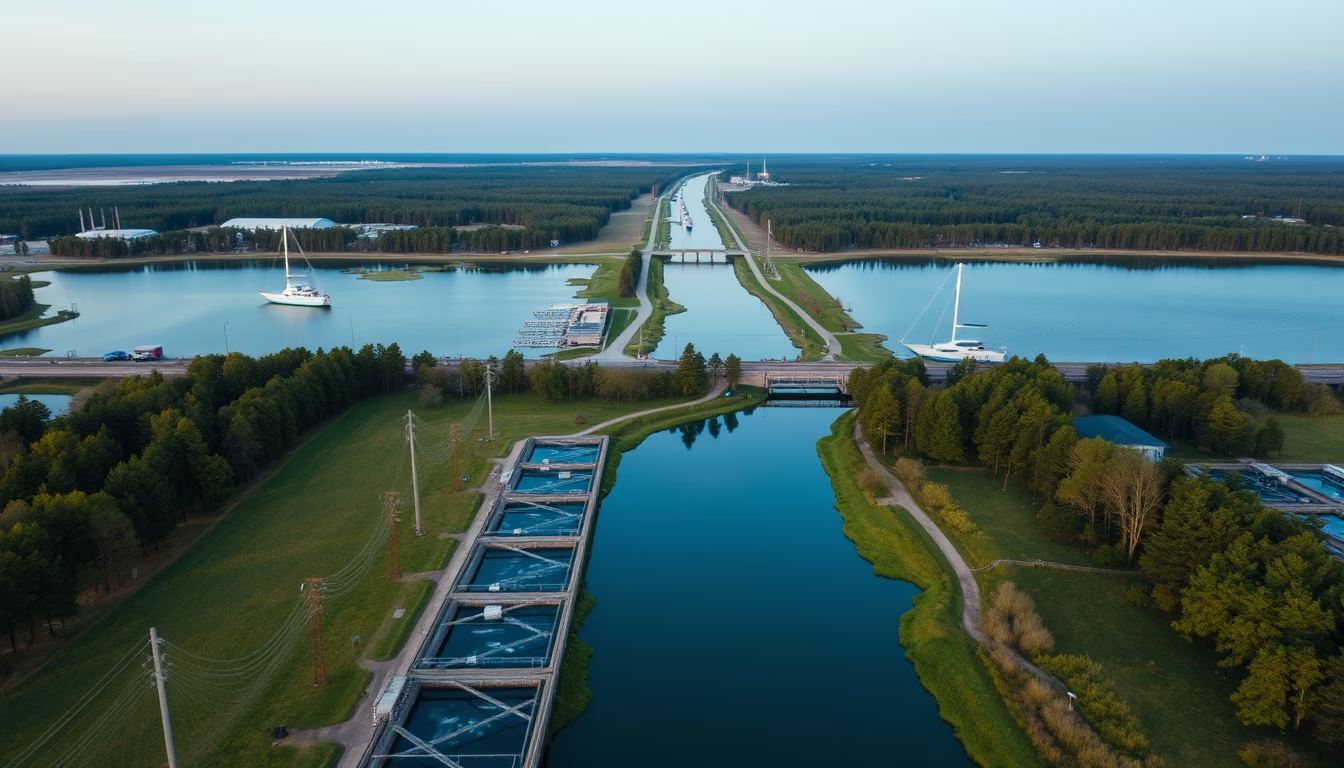
The efficiency of raceways lies in space economy and environmental control, but high water consumption and effluent discharge are environmental challenges. Treatments like decantation and biofilters help reduce impact. Companies such as Cooperativa de Aquicultores da Serra Gaúcha implement recirculation systems to minimize water use, integrating raceways with sedimentation ponds.
Frequently Asked Questions
How does a fish hatchery raceway system work?
Water flows continuously through elongated channels, passing through tanks where fish are kept at high densities. Constant flow renews oxygen and removes waste, requiring careful water quality monitoring.
Which fish species are most commonly raised in raceways?
Common species include rainbow trout, salmon, tilapia, and sometimes bass. Species that tolerate high densities and require oxygenated water adapt well.
What are the advantages and disadvantages of raceways in aquaculture?
Advantages: high productivity per area, environmental control, and ease of management. Disadvantages: high water consumption, disease risk at high densities, and need for effluent treatment.
Direct URL
https://pub-c7d6a6ea828543ac903a74a341ccb2e1.r2.dev/imagens/fish-hatchery-raceways-lo-fi-disposable-camera-fresh8.avifHow to credit
Include a visible link back to UtilizAí. Copy one of the snippets below:
<a href="https://xn--utiliza-eza.com/en/midia/imagens/fish-hatchery-raceways-lo-fi-disposable-camera-fresh8">Fish hatchery raceways</a> by <a href="https://xn--utiliza-eza.com">UtilizAí</a>, licensed under <a href="https://creativecommons.org/licenses/by/4.0/">CC BY 4.0</a>.
[Fish hatchery raceways](https://xn--utiliza-eza.com/en/midia/imagens/fish-hatchery-raceways-lo-fi-disposable-camera-fresh8) by [UtilizAí](https://xn--utiliza-eza.com), CC BY 4.0
License: CC-BY-4.0