Fish hatchery raceways
1344×768 · AVIF · CC BY 4.0
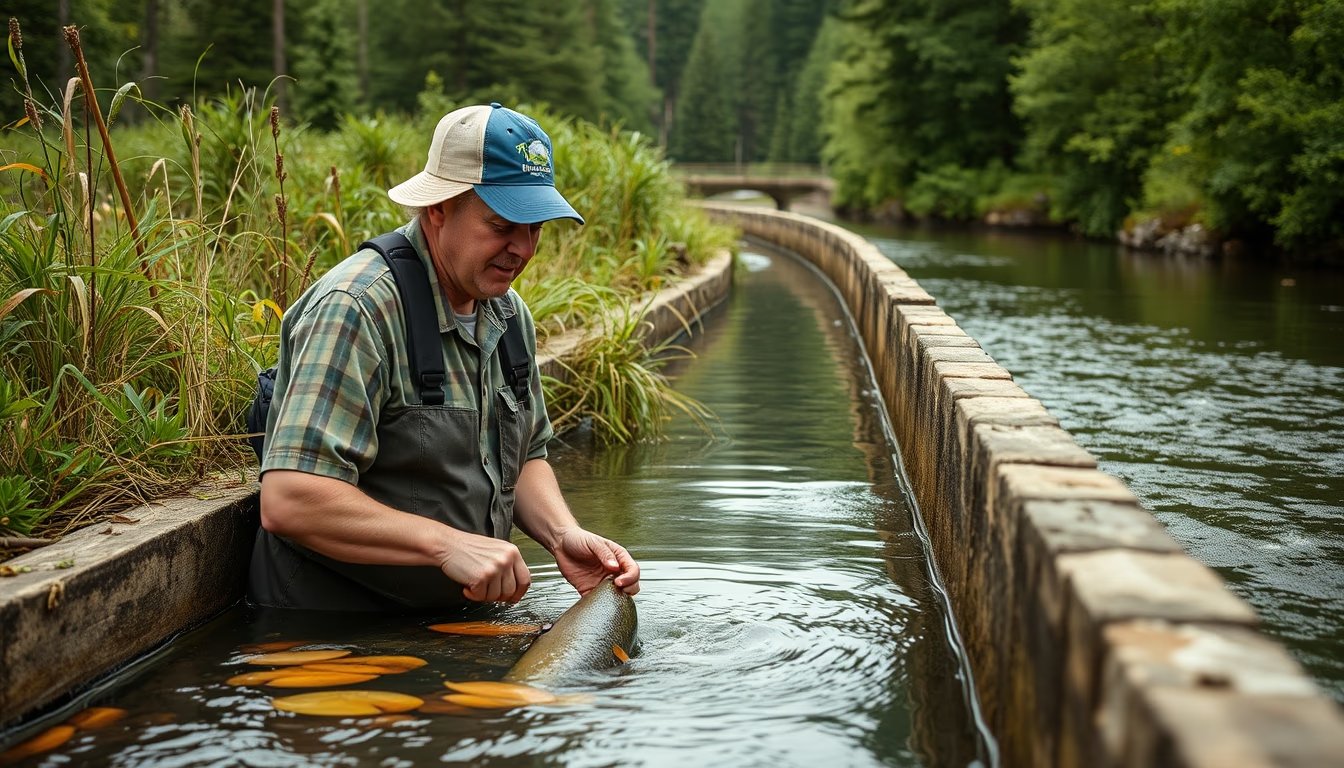
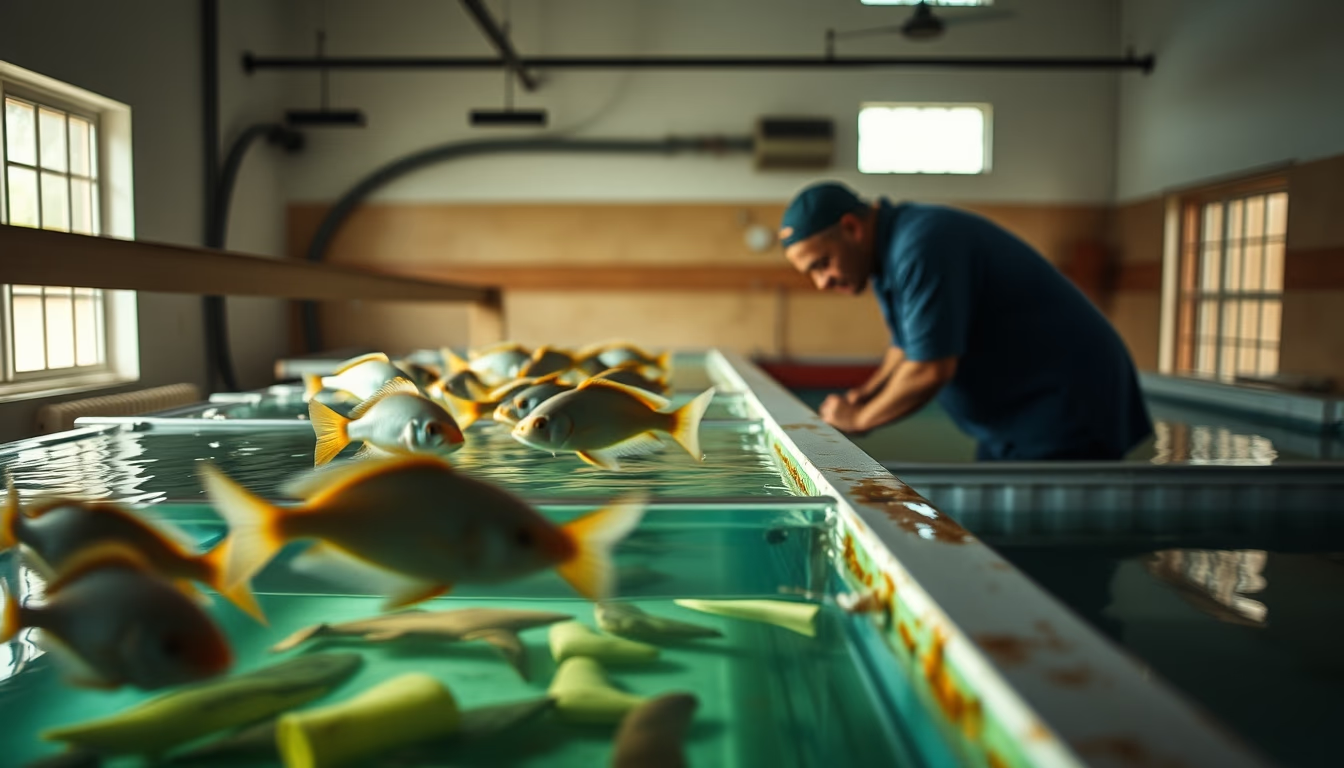
Fish hatchery raceways are rectangular, continuous-flow channels used for intensive fish farming, such as tilapia and trout.
About this subject
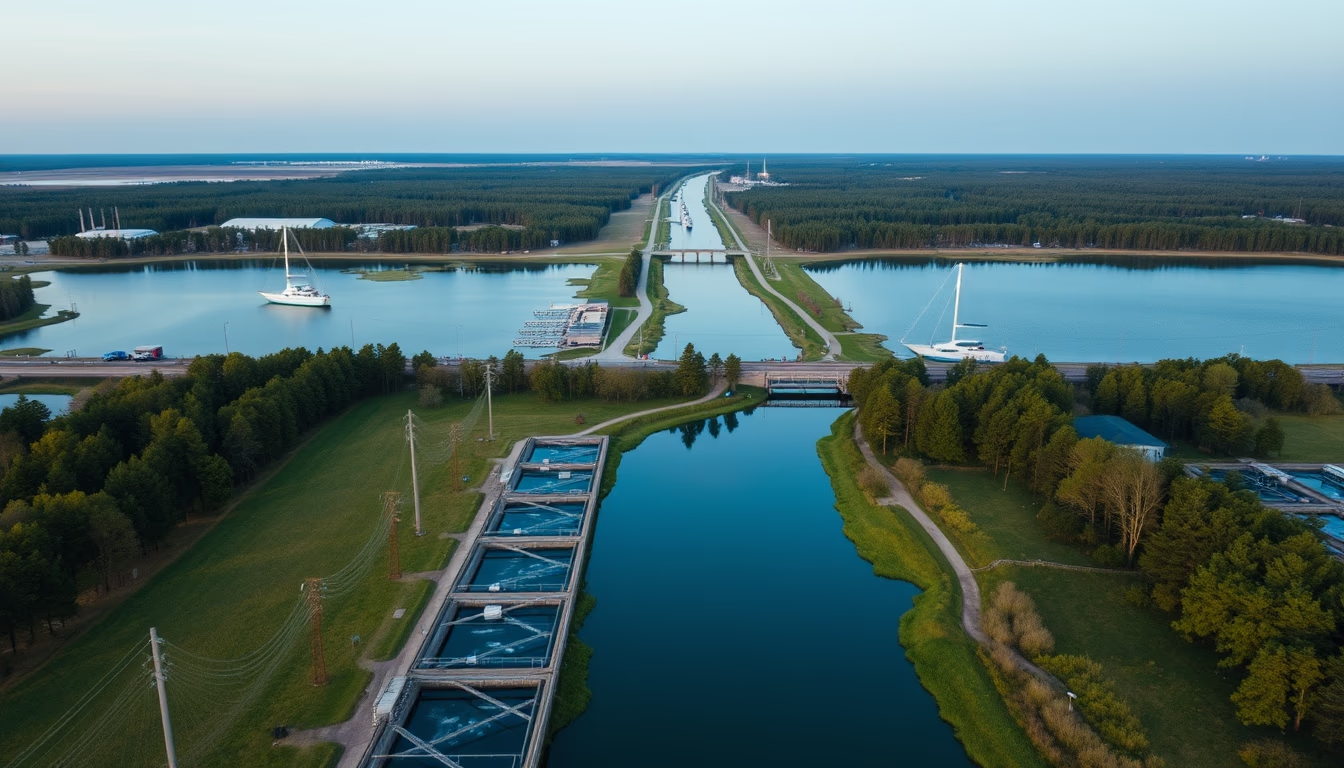
Raceways are elongated structures, typically made of concrete or earth, ranging from 10 to 100 meters in length, 2 to 5 meters in width, and 1 to 2 meters in depth. Water is sourced from rivers, lakes, or artesian wells and flows continuously by gravity or pumping, ensuring high renewal and oxygenation. This system supports high stocking densities, up to 100 kg per cubic meter under well-managed conditions.
Globally, raceways are used for species such as rainbow trout (Oncorhynchus mykiss), Atlantic salmon (Salmo salar), and tilapia (Oreochromis spp.). In the United States and Europe, trout farming in raceways is a well-established practice, often located near cold-water streams. In Brazil, tilapia farming in raceways is common in the Southeast and South regions, where water resources are plentiful.
The advantages include excellent water quality control (dissolved oxygen, temperature, pH), ease of feeding and harvesting, and high productivity per unit area. However, the system requires a constant water supply and effective effluent treatment to prevent environmental impact. Raceways are also employed in public hatcheries for producing fingerlings for restocking rivers and reservoirs.
Modern developments include hybrid systems that combine raceways with recirculating aquaculture (RAS) to reduce water usage. Despite this, open raceways remain popular in areas with abundant, high-quality water due to their simplicity and lower capital costs.
Frequently Asked Questions
How do raceways work in fish farming?
A raceway is a rectangular channel with continuous water flow. Fish are stocked at high density, and the constantly renewed water supplies oxygen and removes waste. Feeding is done manually or with automatic feeders.
What fish species can be raised in raceways?
Freshwater species like tilapia, trout, carp, and pacu. Globally, also salmon and seabass. The choice depends on water temperature and market demand.
What are the main advantages and disadvantages of raceways?
Advantages: high productivity, good disease control and water quality management. Disadvantages: high water consumption, need for effluent treatment, and vulnerability to water supply failures.
Direct URL
https://pub-c7d6a6ea828543ac903a74a341ccb2e1.r2.dev/imagens/fish-hatchery-raceways-documentary-nature-style-fresh4.avifHow to credit
Include a visible link back to UtilizAí. Copy one of the snippets below:
<a href="https://xn--utiliza-eza.com/en/midia/imagens/fish-hatchery-raceways-documentary-nature-style-fresh4">Fish hatchery raceways</a> by <a href="https://xn--utiliza-eza.com">UtilizAí</a>, licensed under <a href="https://creativecommons.org/licenses/by/4.0/">CC BY 4.0</a>.
[Fish hatchery raceways](https://xn--utiliza-eza.com/en/midia/imagens/fish-hatchery-raceways-documentary-nature-style-fresh4) by [UtilizAí](https://xn--utiliza-eza.com), CC BY 4.0
License: CC-BY-4.0