Fat bike snow trail
1344×768 · AVIF · CC BY 4.0
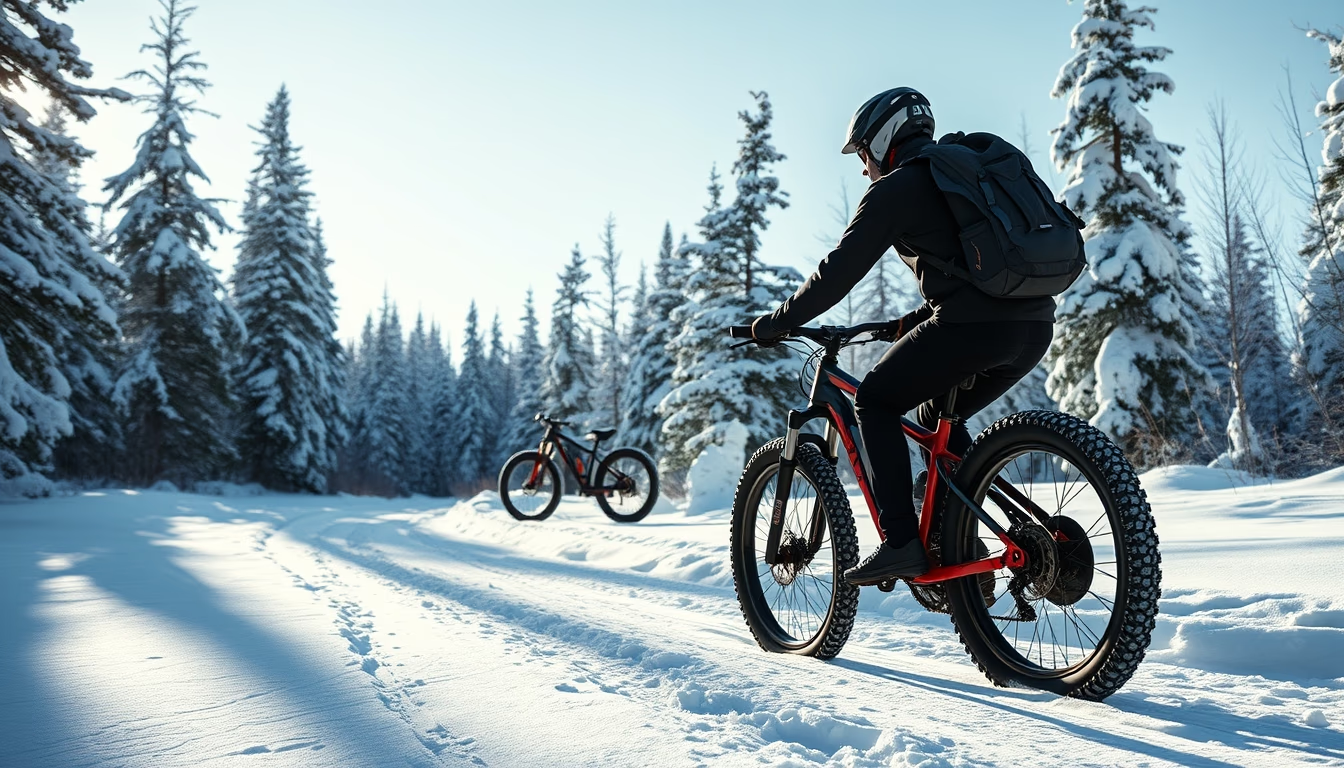
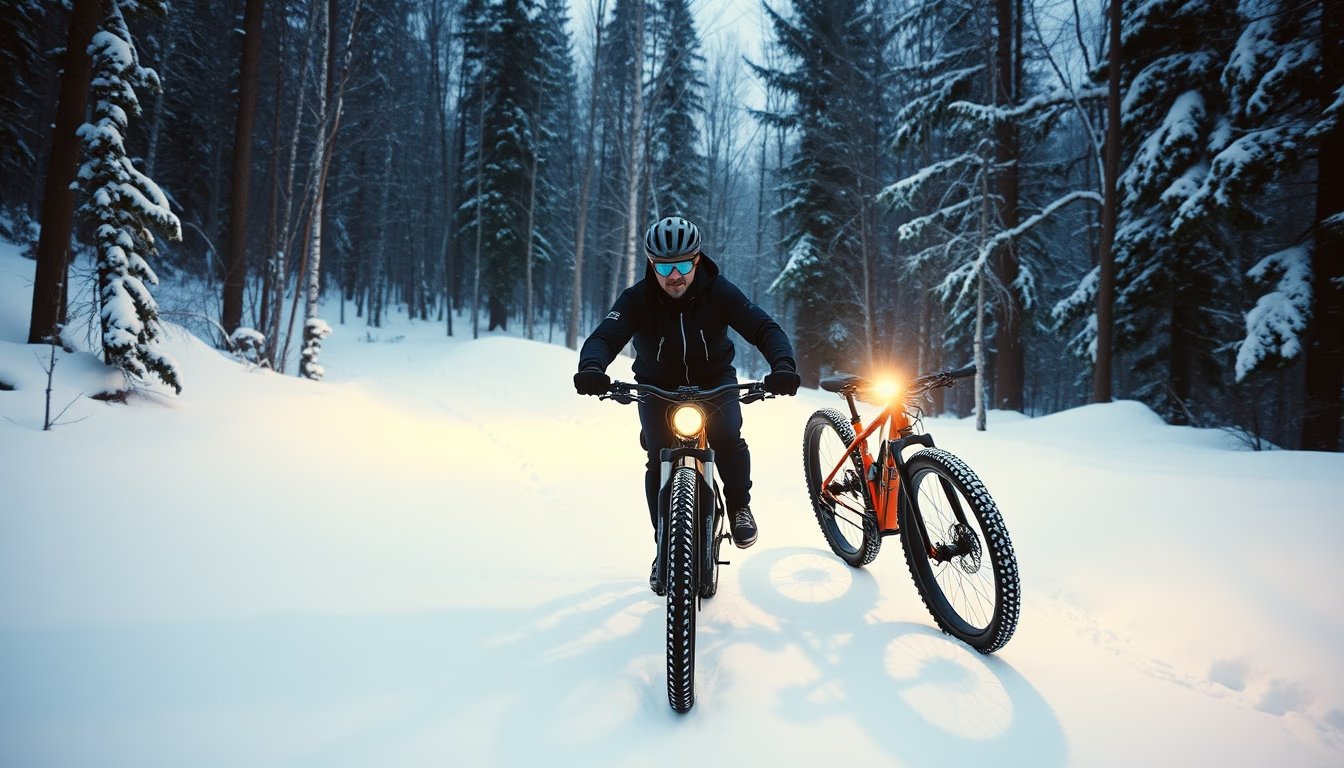
Fat bikes with oversized tires enable cycling on soft snow, opening winter trails for riders in cold regions worldwide.
About this subject
Fat bikes are specially designed bicycles for low-traction terrains such as snow, sand, and mud. Their oversized tires, typically 3.8 to 5 inches wide, distribute the rider's weight over a larger area, preventing the bike from sinking into soft surfaces. The concept is credited to American cyclist Mark Gronewald, who in the 1980s adapted motorcycle tires onto a bicycle to ride on Alaskan snow. Since then, the design has evolved with specific frames, relaxed geometry, and low-gear drivetrains to tackle slippery climbs.
In the context of snow trails, fat biking has become popular at ski resorts and natural parks in countries like Canada, Norway, and the United States. Many resorts prepare compacted paths exclusively for these bikes, allowing cyclists to explore frozen landscapes in winter. The experience combines physical exertion with nature contemplation, as the silence of snow amplifies natural sounds. Moreover, the activity is accessible to different fitness levels, requiring only balance and pedaling technique on slippery surfaces.
The minimalist aesthetic of a fat bike on a snow trail reflects the functional simplicity of the equipment. Many models forgo complex suspensions and superfluous components, prioritizing robustness and lightness. The choice of neutral colors like black, white, or gray is not merely visual but strategic: it contrasts with the icy environment and aids visual location in an emergency. This design philosophy echoes the 'less is more' movement common in adventure cycling, where every gram and part must justify its existence.
Interestingly, fat biking has roots both in extreme sports and utilitarian transport. In Arctic regions, these bicycles replace dog sleds for short distances, being faster and quieter. The earliest record of a wide-tire bicycle for snow dates to 1932, when French inventor Marcel Prieur patented a model called 'Vélo Neige'. Today, rubber technology and special compounds allow tires to maintain grip even at temperatures below -30°C.
Frequently Asked Questions
What is the ideal tire pressure for a fat bike on snow?
Recommended pressure ranges from 5 to 15 psi, depending on rider weight and snow depth. Lower pressures increase the contact patch and flotation, preventing the bike from sinking.
Can fat bikes be used on terrain other than snow?
Yes, fat bikes are versatile and excellent for soft sand, mud, loose gravel, and even pavement. The wide tires provide stability and comfort on uneven surfaces.
Do I need special equipment to ride on snow?
Beyond the fat bike itself, it is recommended to wear waterproof thermal clothing, thick gloves, protective eyewear, and powerful lights for night trails. Accessories like fenders and chain guards help prevent snow buildup.
Direct URL
https://pub-c7d6a6ea828543ac903a74a341ccb2e1.r2.dev/imagens/fat-bike-snow-trail-minimalist-composition-fresh10.avifHow to credit
Include a visible link back to UtilizAí. Copy one of the snippets below:
<a href="https://xn--utiliza-eza.com/en/midia/imagens/fat-bike-snow-trail-minimalist-composition-fresh10">Fat bike snow trail</a> by <a href="https://xn--utiliza-eza.com">UtilizAí</a>, licensed under <a href="https://creativecommons.org/licenses/by/4.0/">CC BY 4.0</a>.
[Fat bike snow trail](https://xn--utiliza-eza.com/en/midia/imagens/fat-bike-snow-trail-minimalist-composition-fresh10) by [UtilizAí](https://xn--utiliza-eza.com), CC BY 4.0
License: CC-BY-4.0