Fat bike snow trail
1344×768 · AVIF · CC BY 4.0
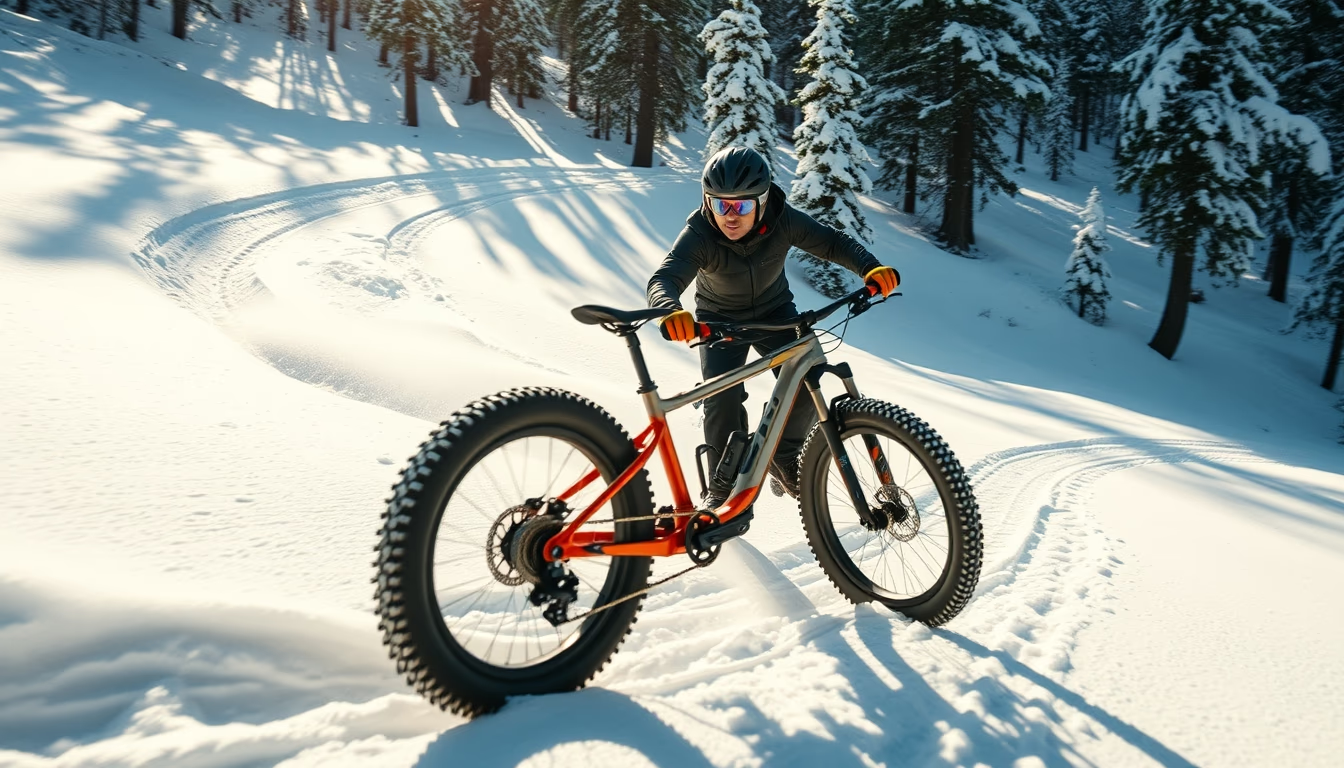
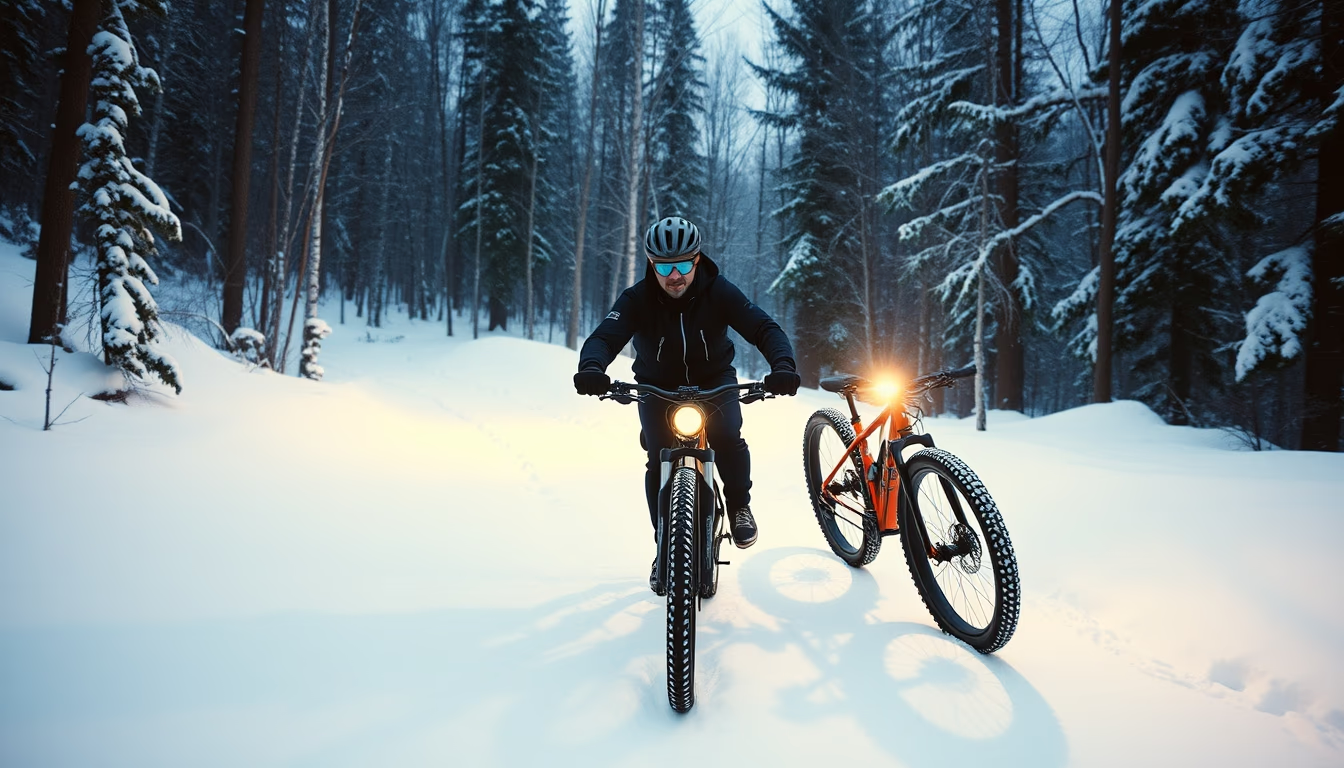
Fat bikes with oversized tires turn snowy trails into two-wheeled adventure lanes, conquering winter cyclists worldwide.
About this subject
A fat bike is a bicycle designed to ride on unstable terrain such as snow, sand, and mud, thanks to its extra-wide tires, typically 3.8 to 5 inches wide. These tires allow low pressure (between 5 and 15 PSI), creating a large contact area that distributes weight and prevents the bike from sinking into soft snow. The concept originated in the late 1980s in Alaska, when cyclists improvised with motorcycle tires on mountain bike frames to tackle frozen trails. Since then, fat bikes have evolved into a consolidated segment, with manufacturers like Surly, Salsa, and Trek offering specific snow models.
Fat biking on snowy trails, known as snow biking or winter cycling, has gained popularity in harsh winter regions such as Canada, Scandinavia, and the northern United States. Ski resorts and parks often maintain groomed trails exclusively for fat bikes, allowing cyclists to explore white landscapes without damaging the ground. The sport is also competitive: the Fat Bike World Championships take place annually in locations like Crested Butte, Colorado, attracting hundreds of athletes on challenging snow courses.
Technically, the fat bike differs from conventional mountain bikes by its wider frame, which accommodates the bulky tires, and geometry adapted for stability on slippery surfaces. Many models feature front suspension or rigid frames, but the tire flexibility at low pressure already absorbs impacts. Traction is impressive: even on compacted snow or ice, the rider can accelerate and turn safely by maintaining constant speed and avoiding hard braking. For extreme climates, accessories like high fenders, heated handlebar grips, and tire chains are available.
Beyond sports, the fat bike serves as a mobility tool in areas where snow accumulation makes regular bikes unusable. In Scandinavian cities, residents use fat bikes for winter commuting, avoiding cars and crowded public transport. The versatility also appeals to adventurers: with a fat bike, one can ride on beaches, sand dunes, and muddy trails simply by adjusting tire pressure. This all-terrain capability has made fat bikes a growing choice for cyclists seeking exploration beyond pavement, in any season.
Frequently Asked Questions
What is a fat bike?
It is a bicycle with extra-wide tires (3.8 to 5 inches) designed to ride on snow, sand, mud, and other unstable terrain, using low pressure to float on the surface.
What are the advantages of a fat bike on snow?
The wide tires provide superior traction, prevent sinking into soft snow, and offer stability on slippery surfaces. The low pressure also absorbs impacts, increasing comfort.
Can I use a fat bike on terrain other than snow?
Yes. The fat bike is versatile and works well on sand, mud, rocky trails, and even pavement. Simply adjust tire pressure according to the terrain: lower for soft ground, higher for hard surfaces.
Direct URL
https://pub-c7d6a6ea828543ac903a74a341ccb2e1.r2.dev/imagens/fat-bike-snow-trail-magazine-editorial-fresh12.avifHow to credit
Include a visible link back to UtilizAí. Copy one of the snippets below:
<a href="https://xn--utiliza-eza.com/en/midia/imagens/fat-bike-snow-trail-magazine-editorial-fresh12">Fat bike snow trail</a> by <a href="https://xn--utiliza-eza.com">UtilizAí</a>, licensed under <a href="https://creativecommons.org/licenses/by/4.0/">CC BY 4.0</a>.
[Fat bike snow trail](https://xn--utiliza-eza.com/en/midia/imagens/fat-bike-snow-trail-magazine-editorial-fresh12) by [UtilizAí](https://xn--utiliza-eza.com), CC BY 4.0
License: CC-BY-4.0