Fat bike snow trail
1344×768 · AVIF · CC BY 4.0
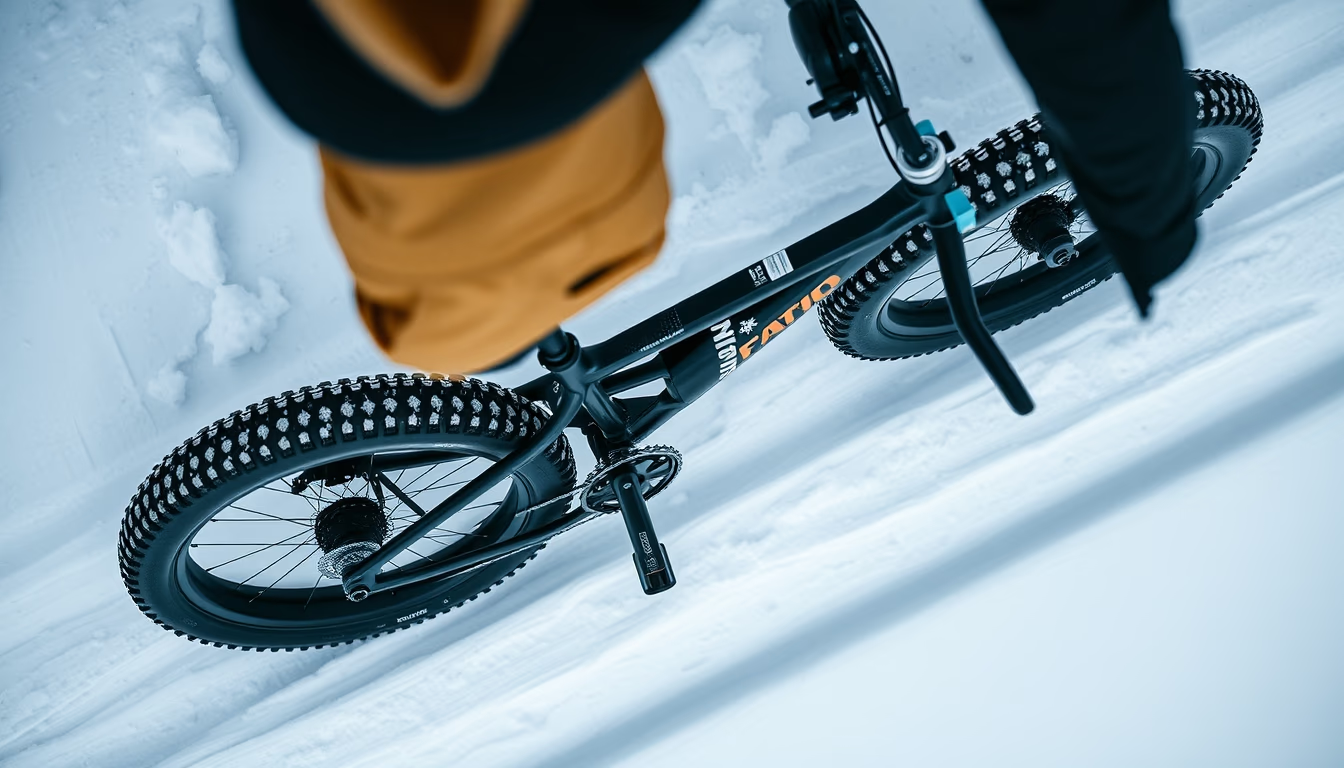
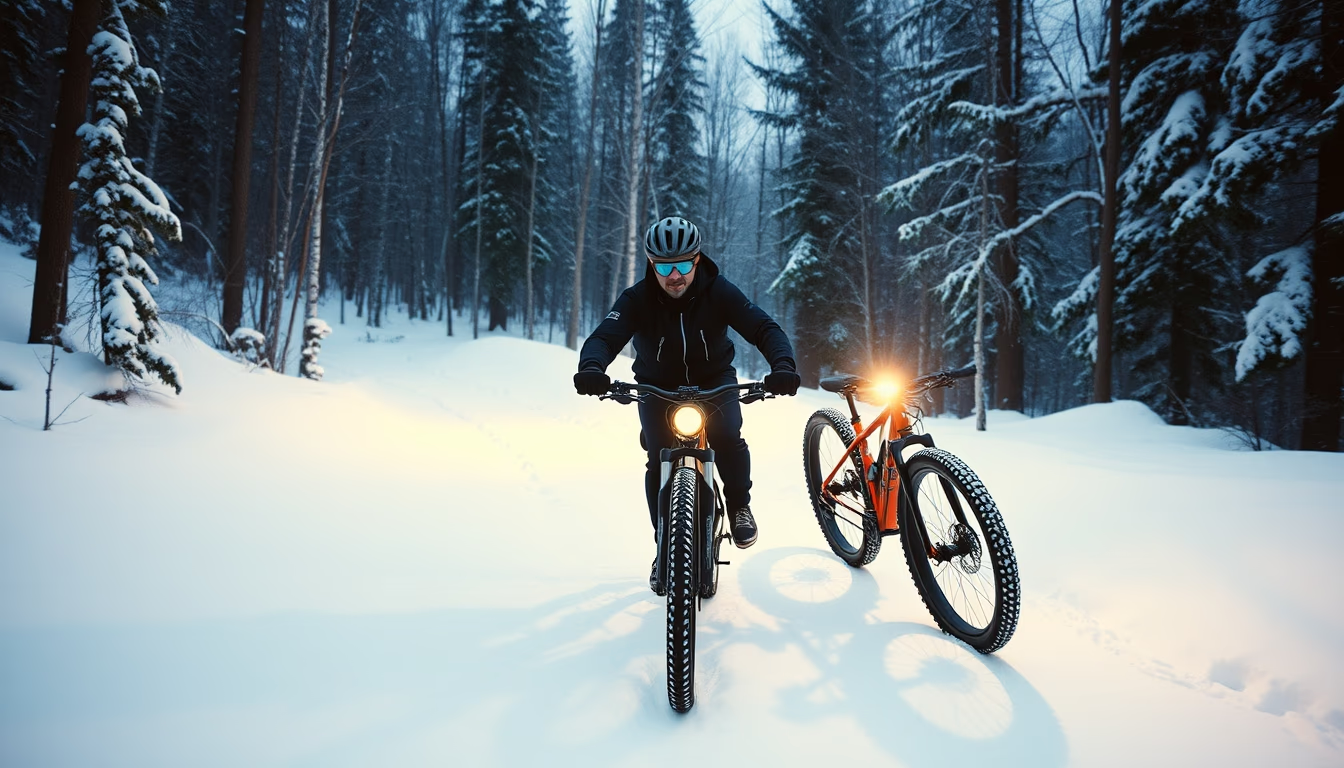
The fat bike, with oversized tires and low pressure, allows riding over deep snow with stability and safety, perfect for winter trails.
About this subject
A fat bike is a bicycle with oversized tires, typically over 3.8 inches wide, designed to ride on soft surfaces such as snow and sand. Its origins date back to the late 1980s in Alaska, where cyclists adapted golf cart tires to pedal over snow. Since then, the sport has grown, and there are now official competitions, such as the World Fat Bike Championship in Utah, United States.
Fat bikes allow cyclists to explore snow-covered trails, parks, and even beaches with stability and safety, as the low tire pressure increases the contact area with the ground. Tire pressure can be reduced to as low as 5 PSI, providing floatation on deep snow and preventing the bike from sinking. Although snow is rare in Brazil, fat bikes have gained popularity in sandy areas such as dunes and beaches, where they also offer superior traction.
The sport requires some technical adaptations: reinforced frames, wide hubs, and often disc brakes to handle wet and freezing conditions. Maintenance is straightforward but requires attention to lubrication and protection against salt and mud. For those facing harsh winters, the fat bike becomes an eco-friendly alternative to motorized transport, combining physical exercise with sustainable mobility.
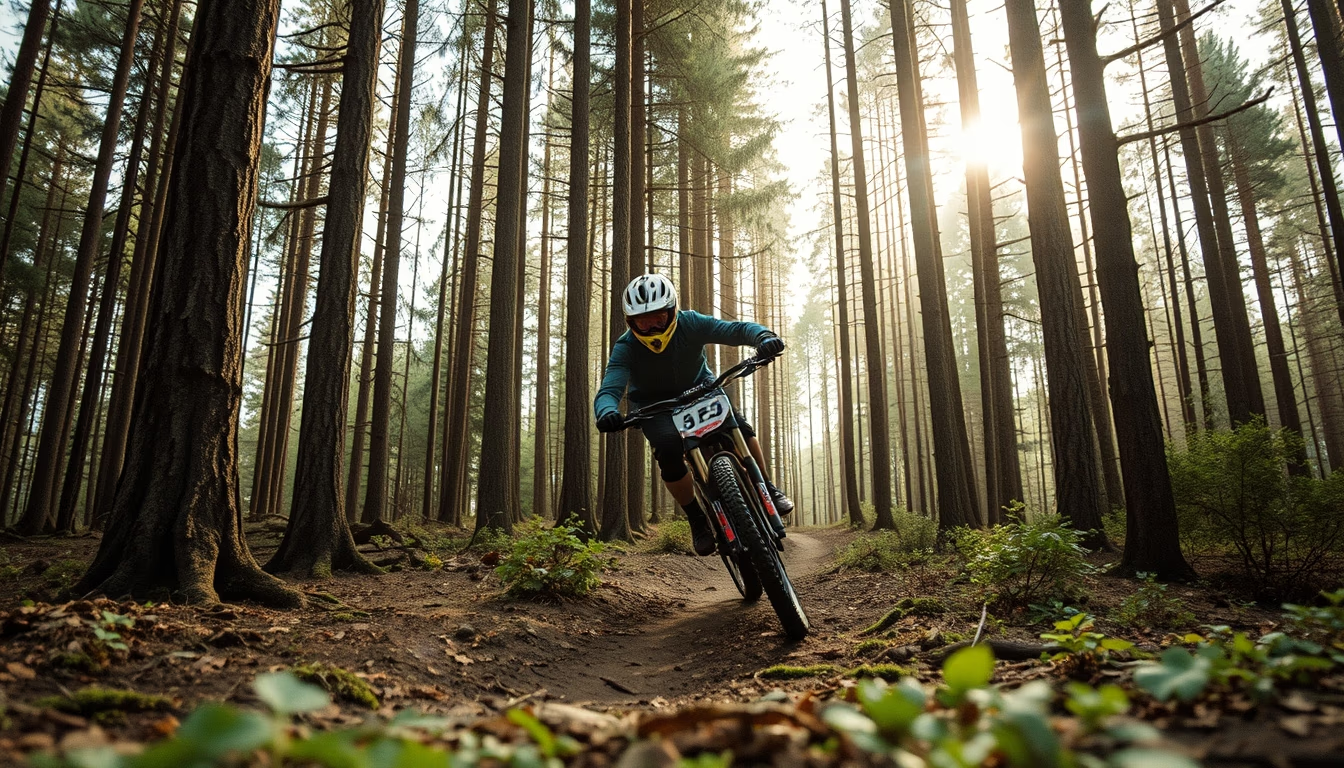
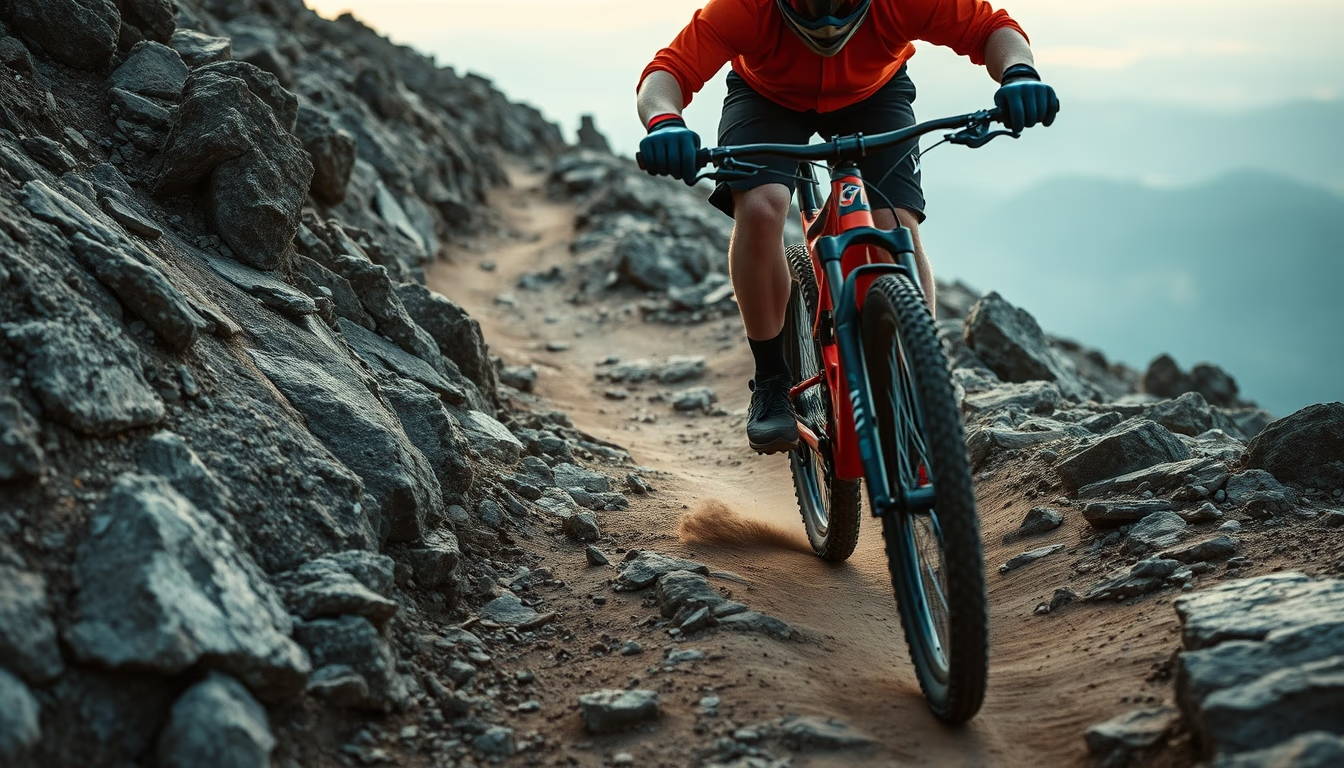
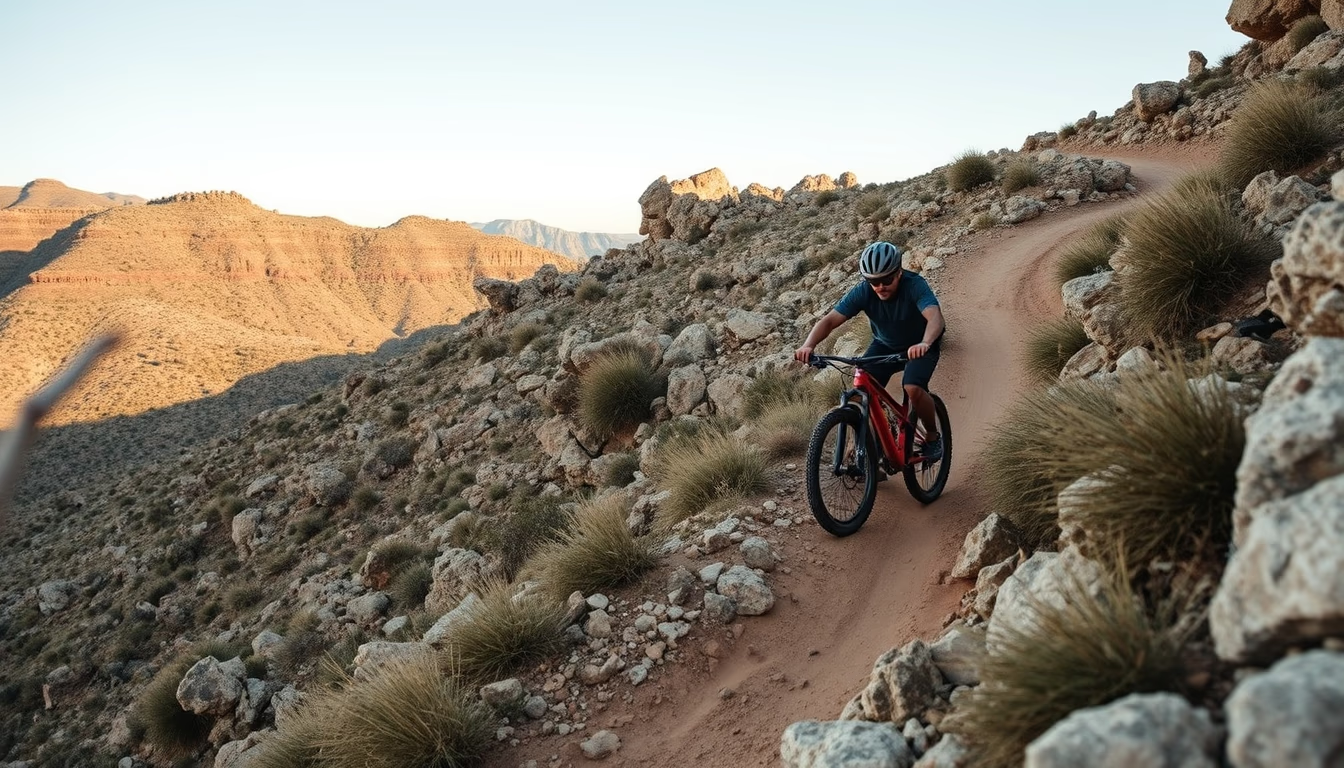
Interestingly, the fat bike is not only for snow: it is used in desert expeditions, rocky trails, and even ultracross competitions. Its versatility makes it a unique choice for cyclists seeking challenges on any terrain.
Frequently Asked Questions
What are the advantages of a fat bike on snow?
The main advantage is floatation: the wide tires at low pressure prevent the bike from sinking into soft snow. This allows safe and stable riding, even on unpacked trails. Additionally, extra traction helps on slippery climbs and corners.
Is the fat bike suitable for beginners?
Yes, especially for those who want to ride in winter. The riding position is comfortable, and the tires absorb impacts, making control easier. However, the heavier weight may require a bit more effort, which is offset by the added safety.
What is the difference between a fat bike and a traditional mountain bike?
The main difference is tire size: fat bikes have tires 3.8 inches wide or more, while mountain bikes use tires 2.2 to 2.5 inches. Fat bikes also have sturdier frames and wider hubs to accommodate the tires, resulting in more weight and traction but lower speed on hard surfaces.
Direct URL
https://pub-c7d6a6ea828543ac903a74a341ccb2e1.r2.dev/imagens/fat-bike-snow-trail-isometric-flat-lay-fresh1.avifHow to credit
Include a visible link back to UtilizAí. Copy one of the snippets below:
<a href="https://xn--utiliza-eza.com/en/midia/imagens/fat-bike-snow-trail-isometric-flat-lay-fresh1">Fat bike snow trail</a> by <a href="https://xn--utiliza-eza.com">UtilizAí</a>, licensed under <a href="https://creativecommons.org/licenses/by/4.0/">CC BY 4.0</a>.
[Fat bike snow trail](https://xn--utiliza-eza.com/en/midia/imagens/fat-bike-snow-trail-isometric-flat-lay-fresh1) by [UtilizAí](https://xn--utiliza-eza.com), CC BY 4.0
License: CC-BY-4.0