Fat bike snow trail
1344×768 · AVIF · CC BY 4.0
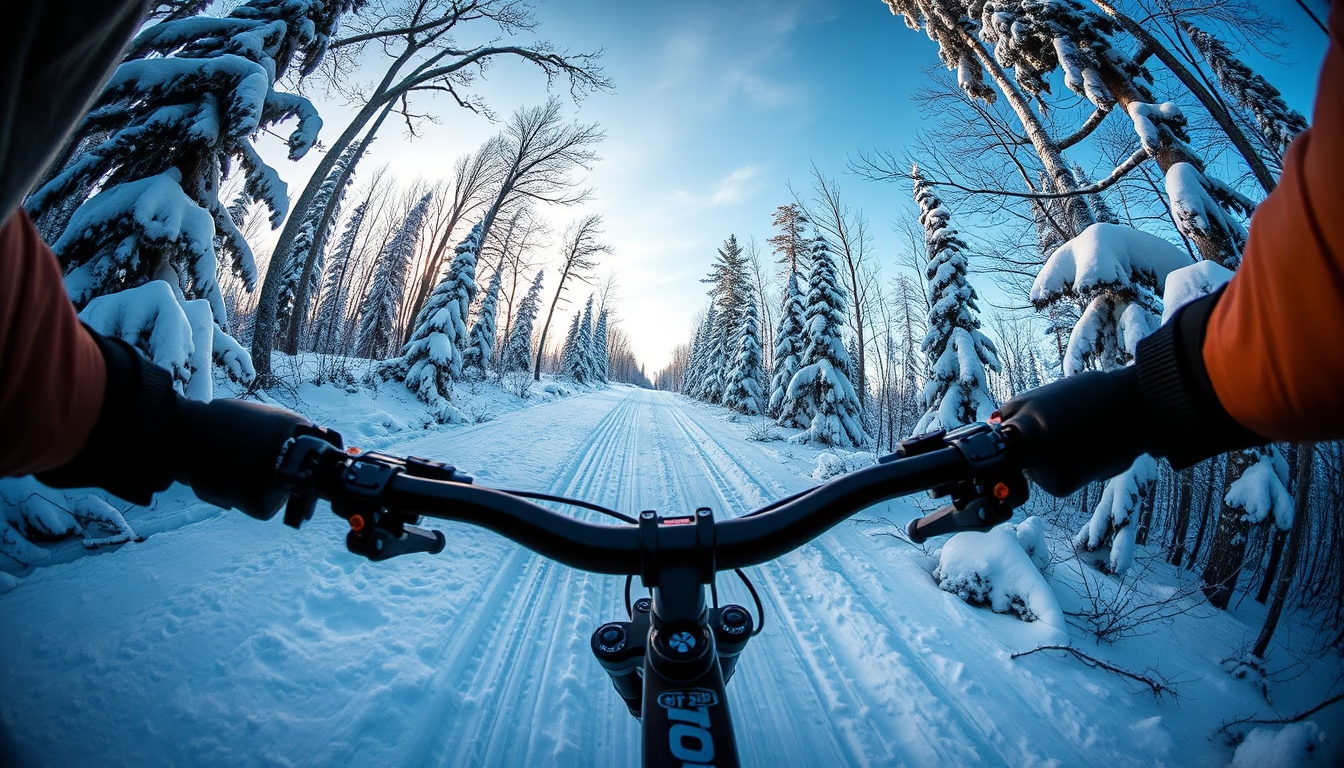
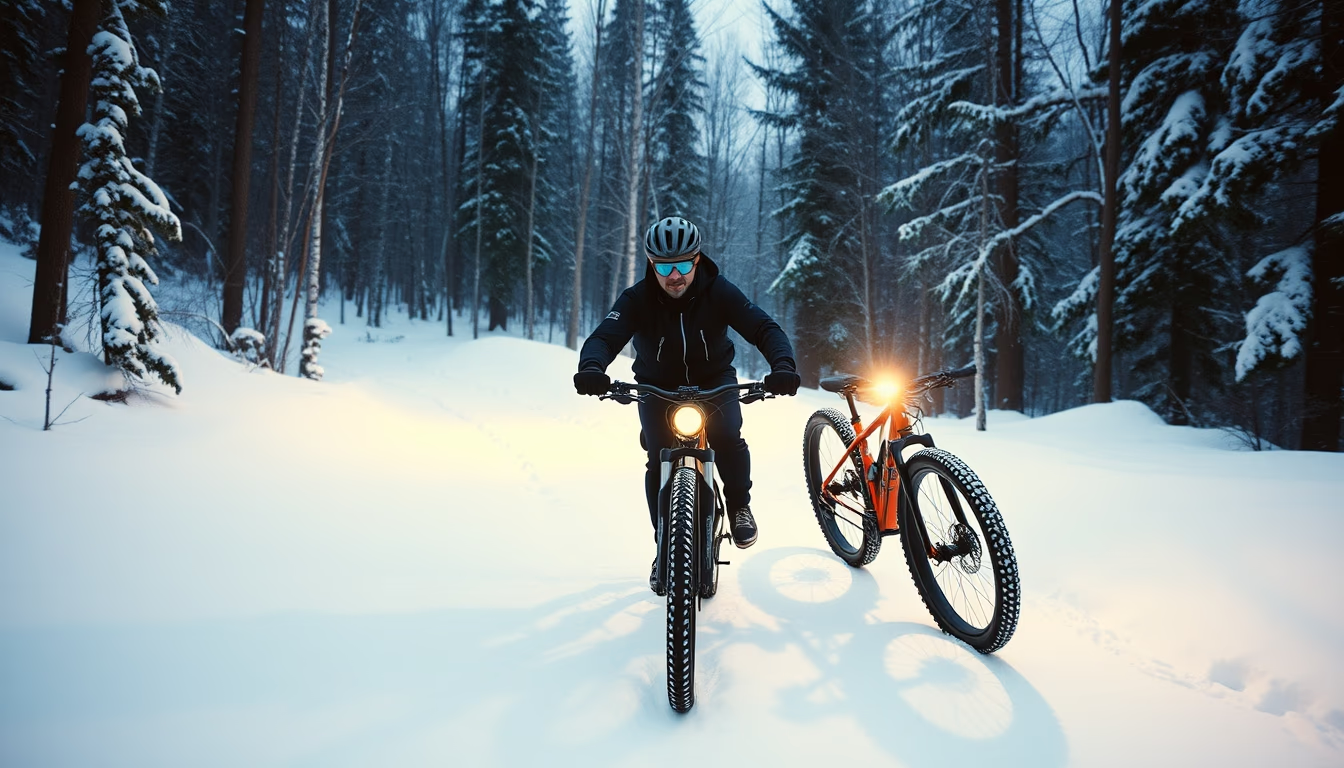
Fat bikes with oversized tires enable cycling on soft snow and unstable terrain, blending winter adventure with off-road biking in a single sport.
About this subject
Fat bikes are bicycles designed to ride on low-traction surfaces such as snow, sand, and mud. Their tires, ranging from 3.8 to 5 inches in width, operate at extremely low pressure, typically between 5 and 15 PSI. This configuration increases the contact patch, distributing the rider's weight and preventing the bike from sinking into soft snow. The practice gained popularity in the early 2000s, especially in regions with harsh winters like Alaska, Canada, and Scandinavia, where cyclists sought year-round riding opportunities. The frame design is robust, with wide spacing to accommodate the oversized tires, and many models use 26-inch rims to maximize flotation. Technically, low tire pressure requires specific inner tubes or tubeless systems to prevent punctures. Rolling resistance is higher than conventional bikes, demanding more effort from the rider, but providing a smooth ride over obstacles like packed snow and ice. Events such as the Fat Bike Birkie in Minnesota and the World Fat Bike Championship in Utah attract hundreds of athletes annually. The discipline is also used for exploring remote winter trails, combining cycling with frozen landscapes and silence, offering a unique connection to nature.
Frequently Asked Questions
What is the ideal tire pressure for a fat bike on snow?
The ideal pressure ranges from 5 to 15 PSI, depending on rider weight and snow consistency. Lower pressures increase flotation on soft snow, while higher pressures provide better performance on packed snow or ice.
Can fat bikes be used on regular mountain bike trails?
Yes, fat bikes are versatile and perform well on dirt, gravel, and mud trails. However, the wide tires create higher rolling resistance, which can make riding slower on hard surfaces. Many riders swap tires depending on terrain.
Do you need experience in winter cycling to ride a fat bike?
No, beginners can start, but it is advisable to learn basic balancing and braking techniques on slippery surfaces. Proper cold-weather clothing and chain lubrication care in low temperatures are also important.
Direct URL
https://pub-c7d6a6ea828543ac903a74a341ccb2e1.r2.dev/imagens/fat-bike-snow-trail-fish-eye-wide-angle-fresh2.avifHow to credit
Include a visible link back to UtilizAí. Copy one of the snippets below:
<a href="https://xn--utiliza-eza.com/en/midia/imagens/fat-bike-snow-trail-fish-eye-wide-angle-fresh2">Fat bike snow trail</a> by <a href="https://xn--utiliza-eza.com">UtilizAí</a>, licensed under <a href="https://creativecommons.org/licenses/by/4.0/">CC BY 4.0</a>.
[Fat bike snow trail](https://xn--utiliza-eza.com/en/midia/imagens/fat-bike-snow-trail-fish-eye-wide-angle-fresh2) by [UtilizAí](https://xn--utiliza-eza.com), CC BY 4.0
License: CC-BY-4.0