Eucalyptus bee blooms
1344×768 · AVIF · CC BY 4.0
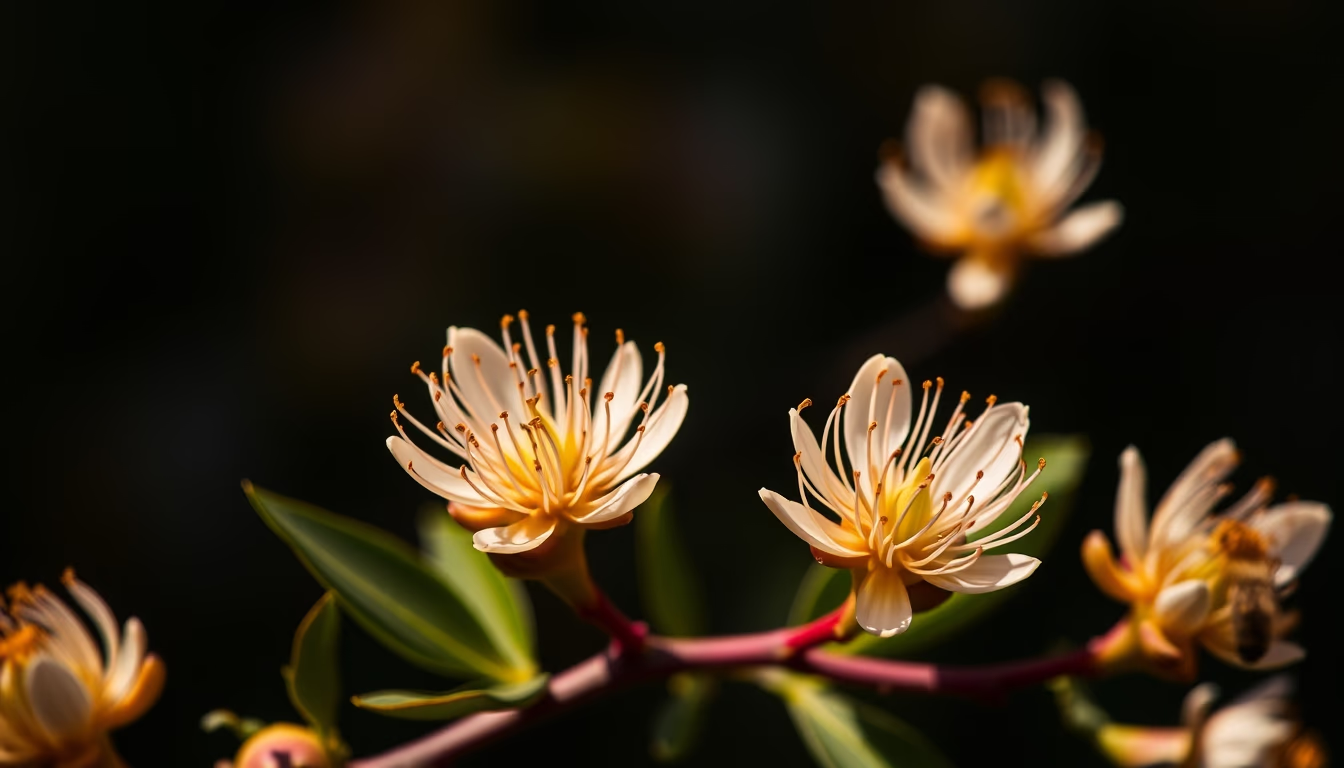
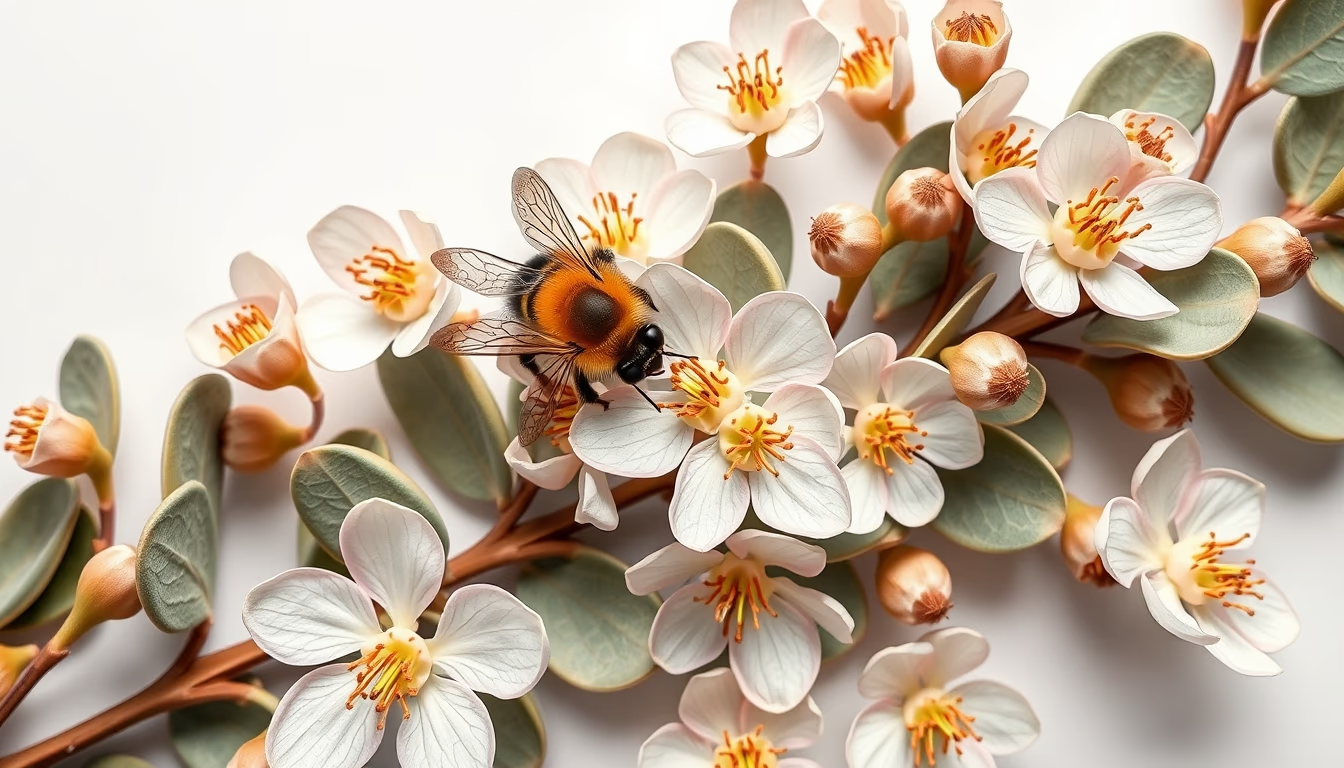
Eucalyptus flowers attract honeybees in spring, highlighting the importance of this exotic tree in Brazilian beekeeping.
About this subject
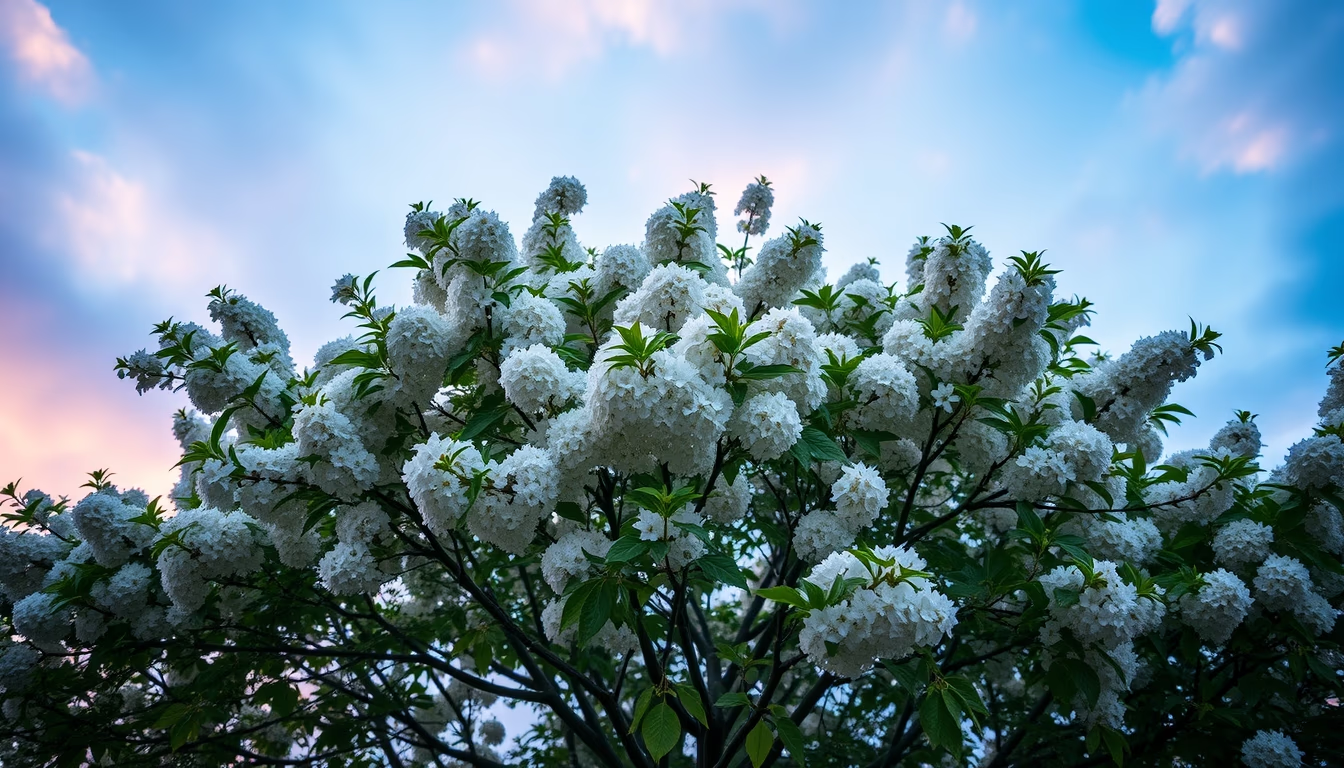
Eucalyptus, native to Australia, was introduced to Brazil in the early 20th century for timber and pulp production. Today, the country has about 7 million hectares planted, mainly in Minas Gerais, São Paulo, and Bahia. During the flowering period, which varies by species and region but generally occurs from May to October, the trees produce large amounts of nectar, attracting Africanized honeybees (Apis mellifera) and native bees.
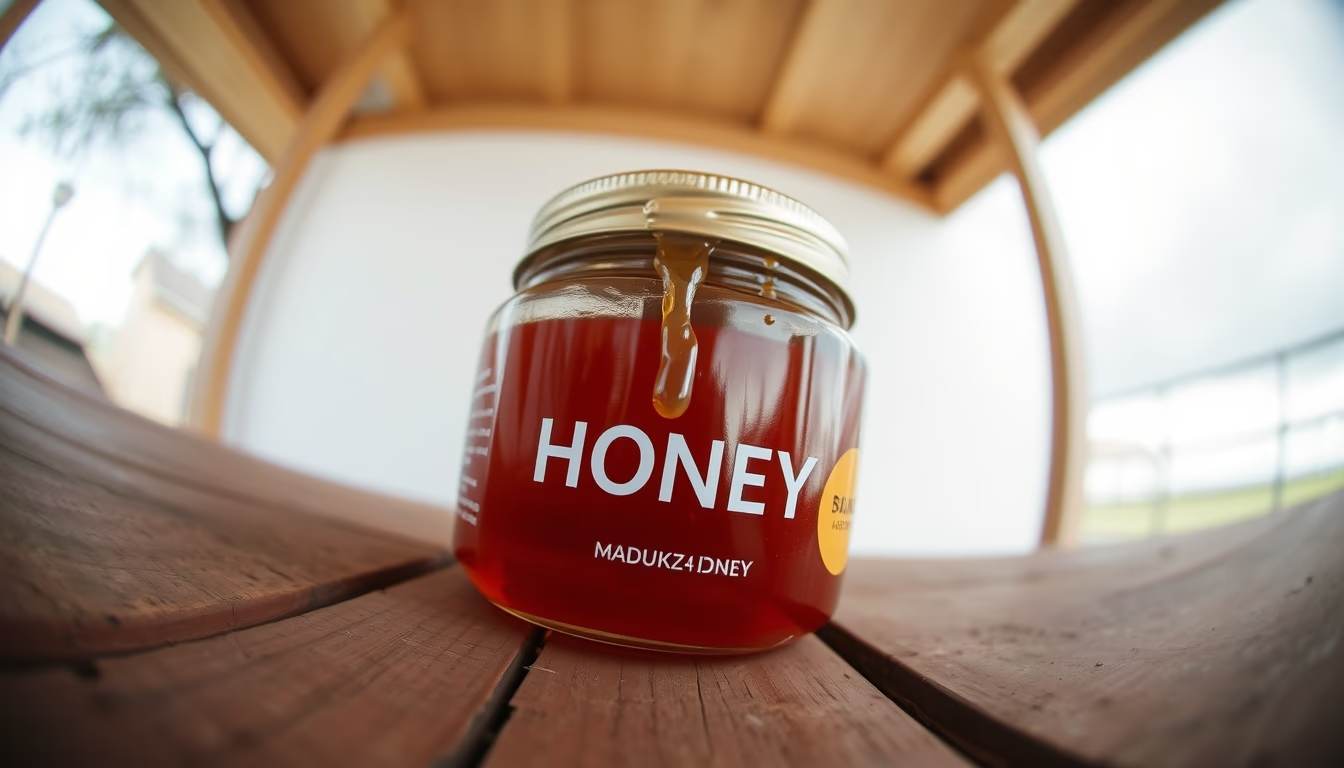
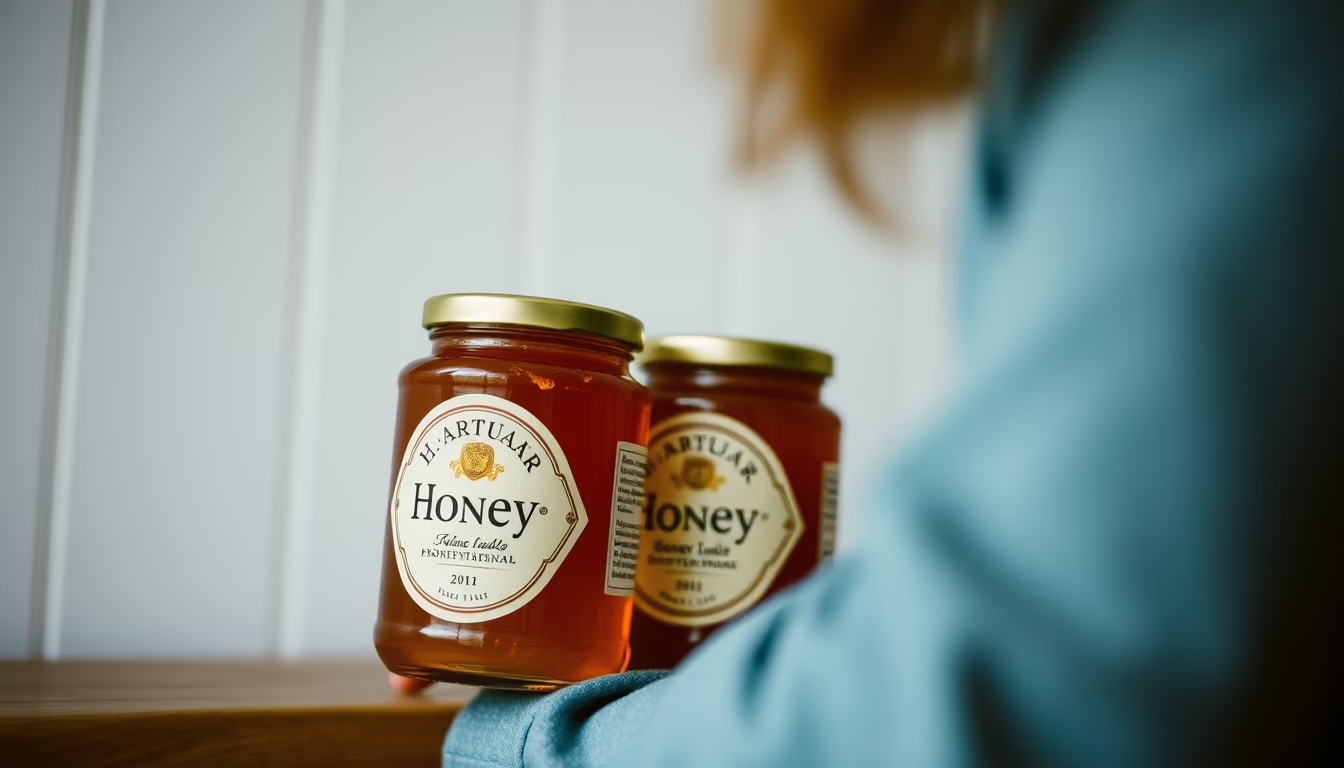
Eucalyptus honey is known for its light amber color and mild, slightly mentholated flavor, as well as medicinal properties such as expectorant and antiseptic effects. This makes it widely used in homemade syrups and natural products. Bees visiting the flowers collect nectar and pollen, contributing to cross-pollination and honey production. In some regions, beekeeping with eucalyptus has become an important source of income for small farmers.
It is important to note that, despite its economic utility, eucalyptus is an exotic species and large-scale cultivation can impact native ecosystems. On the other hand, the flowers provide a food resource during times of scarcity for bees, especially in areas where native vegetation has been suppressed. Sustainable management of these plantations is essential to balance production and conservation.
Frequently Asked Questions
Why does eucalyptus honey have a menthol flavor?
The menthol flavor of eucalyptus honey comes from compounds like eucalyptol (cineole) present in the flower nectar. This substance also gives the honey expectorant and antiseptic properties.
Is eucalyptus native to Brazil?
No, eucalyptus is native to Australia and was introduced to Brazil in the early 20th century. It is now widely cultivated for timber, pulp, and honey production.
Can native Brazilian bees pollinate eucalyptus?
Yes, although Africanized honeybees (Apis mellifera) are the main visitors, native stingless bees can also pollinate eucalyptus flowers, contributing to honey production and biodiversity conservation.
Direct URL
https://pub-c7d6a6ea828543ac903a74a341ccb2e1.r2.dev/imagens/eucalyptus-bee-blooms-fine-art-photography-fresh8.avifHow to credit
Include a visible link back to UtilizAí. Copy one of the snippets below:
<a href="https://xn--utiliza-eza.com/en/midia/imagens/eucalyptus-bee-blooms-fine-art-photography-fresh8">Eucalyptus bee blooms</a> by <a href="https://xn--utiliza-eza.com">UtilizAí</a>, licensed under <a href="https://creativecommons.org/licenses/by/4.0/">CC BY 4.0</a>.
[Eucalyptus bee blooms](https://xn--utiliza-eza.com/en/midia/imagens/eucalyptus-bee-blooms-fine-art-photography-fresh8) by [UtilizAí](https://xn--utiliza-eza.com), CC BY 4.0
License: CC-BY-4.0