Eucalyptus bee blooms
1344×768 · AVIF · CC BY 4.0
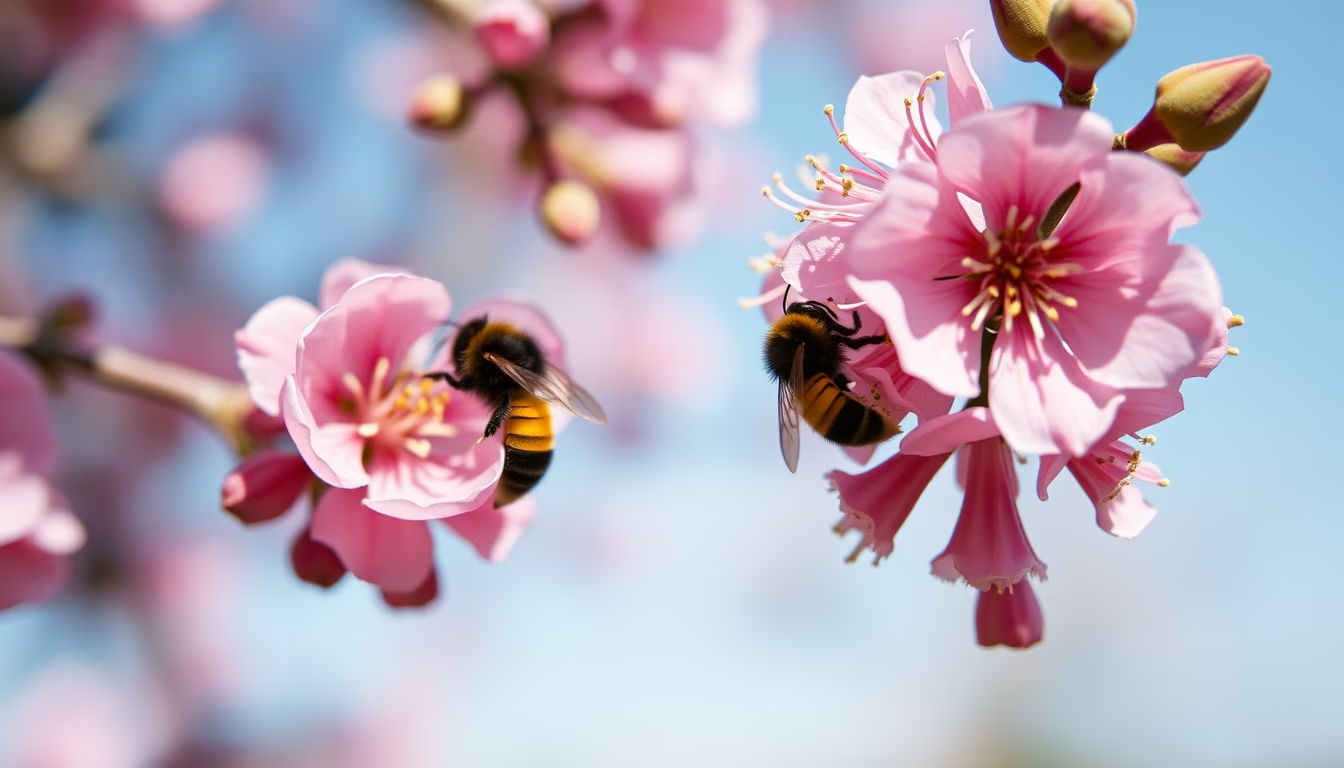
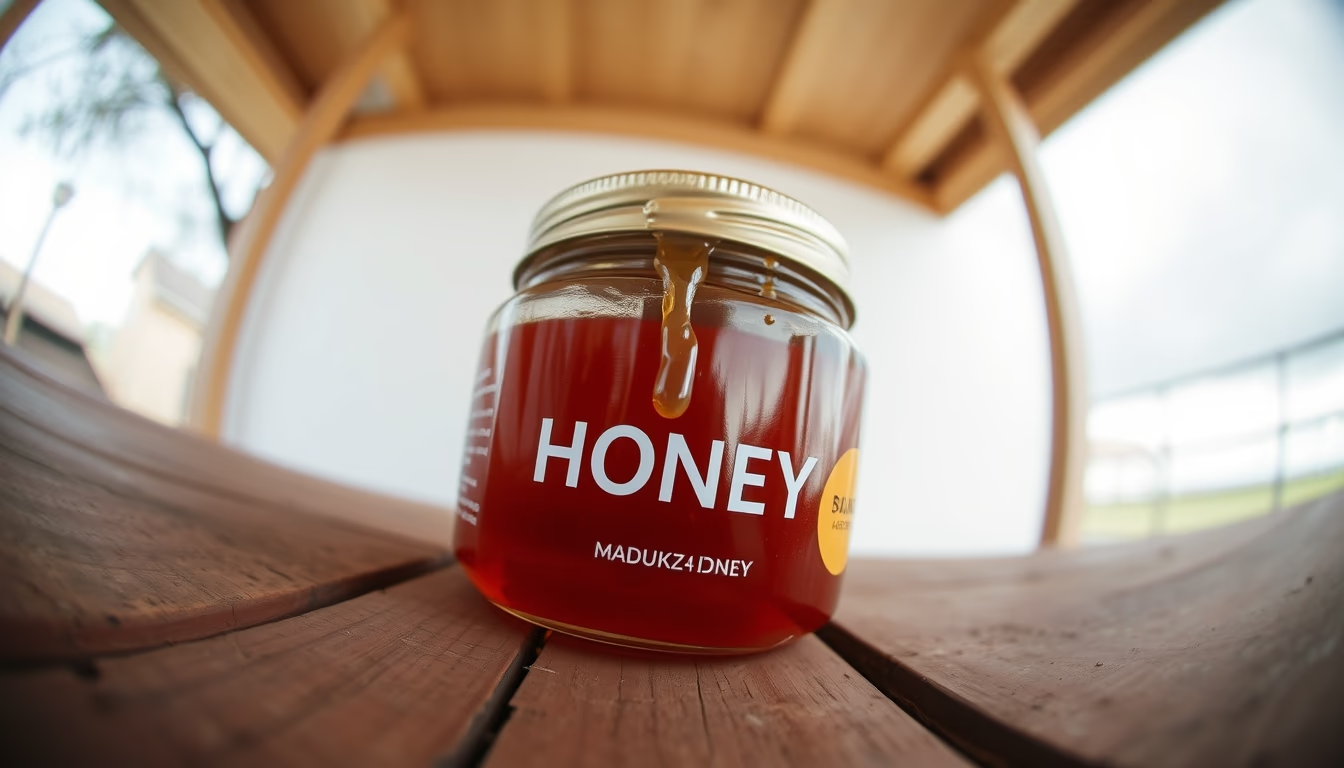
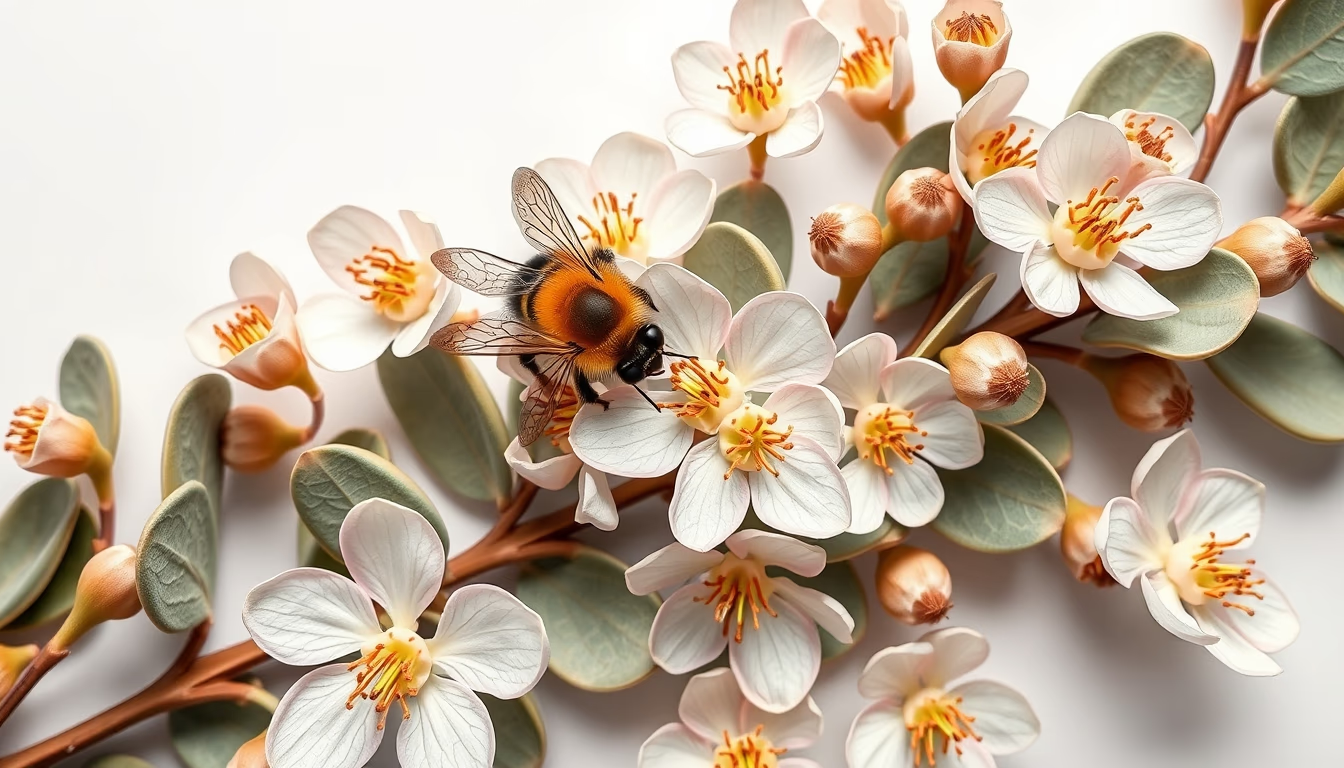
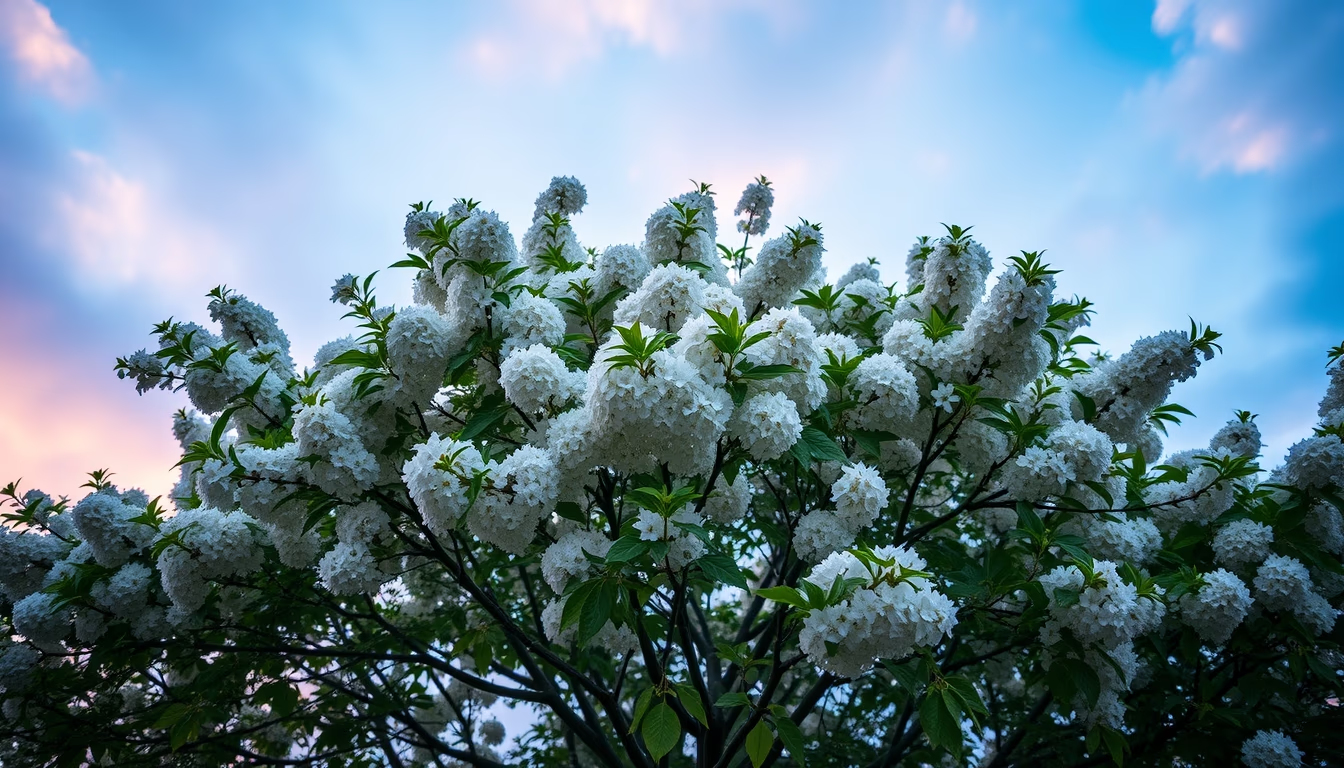
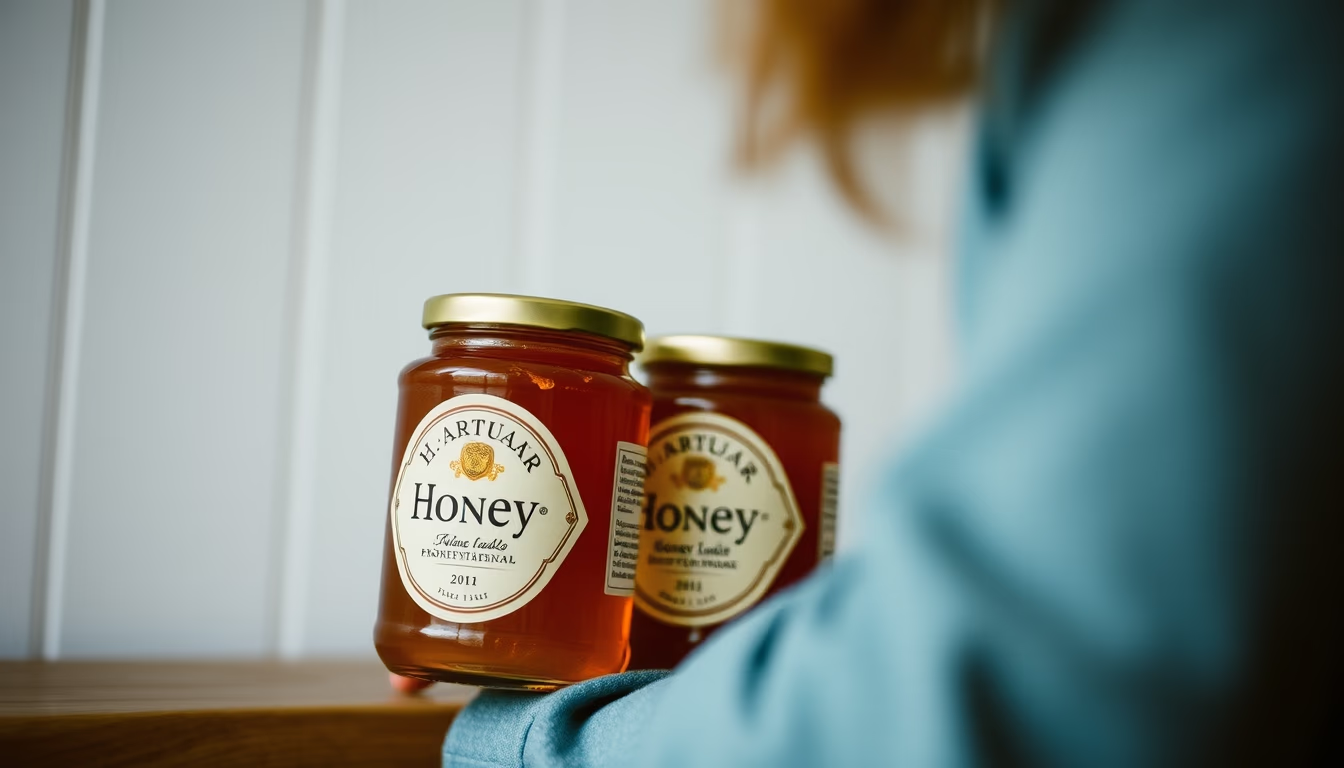
Eucalyptus blooms attract bees for honey production, offering unique aroma and flavor in Brazil and worldwide.
About this subject
Eucalyptus flowers are a vital nectar source for bees, especially in Brazil, where Eucalyptus spp. is widely cultivated for timber and pulp. Eucalyptus honey has distinctive characteristics: dark amber color, strong slightly minty flavor, and an aroma reminiscent of eucalyptus itself. It is rich in antioxidants and has antibacterial properties, traditionally used to relieve cold and flu symptoms.
Eucalyptus blooms occur at different times depending on the region and species. In most tropical and subtropical areas, flowers appear between spring and early summer, though some varieties bloom in autumn. Bees, particularly Apis mellifera, play a crucial role in pollinating the flowers, ensuring seed production and ecosystem maintenance. Beekeeping in eucalyptus areas is common in São Paulo, Minas Gerais, and southern Brazil.
Eucalyptus honey is valued in the international market, mainly in Europe and the United States, for its distinct sensory profile. However, its production faces challenges such as competition with other nectar sources and pesticide use in commercial plantations. Organic certification and sustainable management are trends that add value for producers. Interestingly, some eucalyptus species produce nectar that is toxic to bees in excess, requiring technical knowledge from beekeepers.
The combination of eucalyptus flowering and bee activity results in honey that not only pleases the palate but also carries history and tradition. In Brazil, the introduction of eucalyptus in the 19th century boosted beekeeping, creating a symbiotic relationship between the exotic tree and native and European bees. Today, eucalyptus honey is a typical product from several regions, consumed raw or used in recipes and hygiene products.
Frequently Asked Questions
What is the best time to harvest eucalyptus honey?
Harvest occurs after flowering, usually between late spring and early summer in Brazil, but it varies by region and eucalyptus species.
Does eucalyptus honey have medicinal properties?
Yes, it is known for its antibacterial and antioxidant properties, traditionally used to relieve cold, flu, and sore throat symptoms.
Why are some eucalyptus species toxic to bees?
Some species produce nectar with high concentrations of compounds like gallic acid, which can be lethal to bees if consumed in large amounts.
Direct URL
https://pub-c7d6a6ea828543ac903a74a341ccb2e1.r2.dev/imagens/eucalyptus-bee-blooms-film-grain-authentic-fresh14.avifHow to credit
Include a visible link back to UtilizAí. Copy one of the snippets below:
<a href="https://xn--utiliza-eza.com/en/midia/imagens/eucalyptus-bee-blooms-film-grain-authentic-fresh14">Eucalyptus bee blooms</a> by <a href="https://xn--utiliza-eza.com">UtilizAí</a>, licensed under <a href="https://creativecommons.org/licenses/by/4.0/">CC BY 4.0</a>.
[Eucalyptus bee blooms](https://xn--utiliza-eza.com/en/midia/imagens/eucalyptus-bee-blooms-film-grain-authentic-fresh14) by [UtilizAí](https://xn--utiliza-eza.com), CC BY 4.0
License: CC-BY-4.0