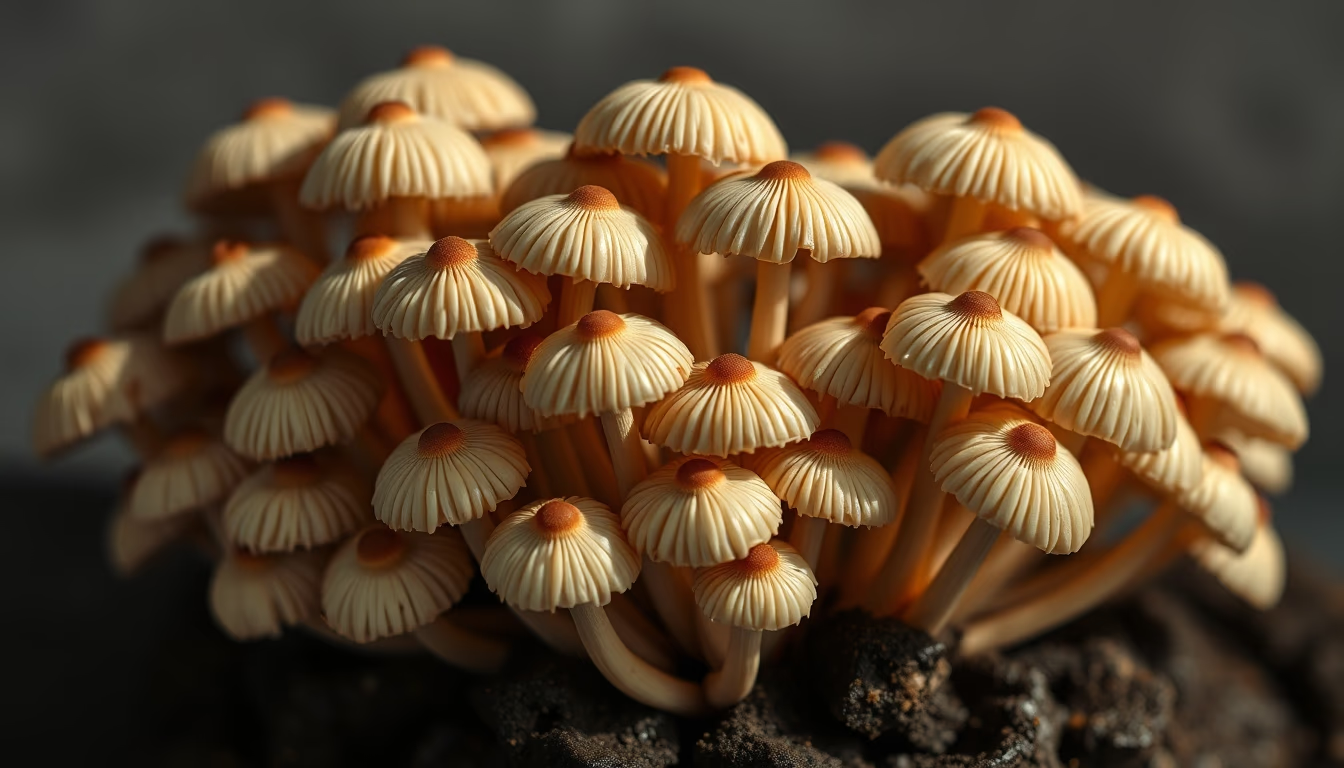
Enoki mushroom cluster
1344×768 · AVIF · CC BY 4.0
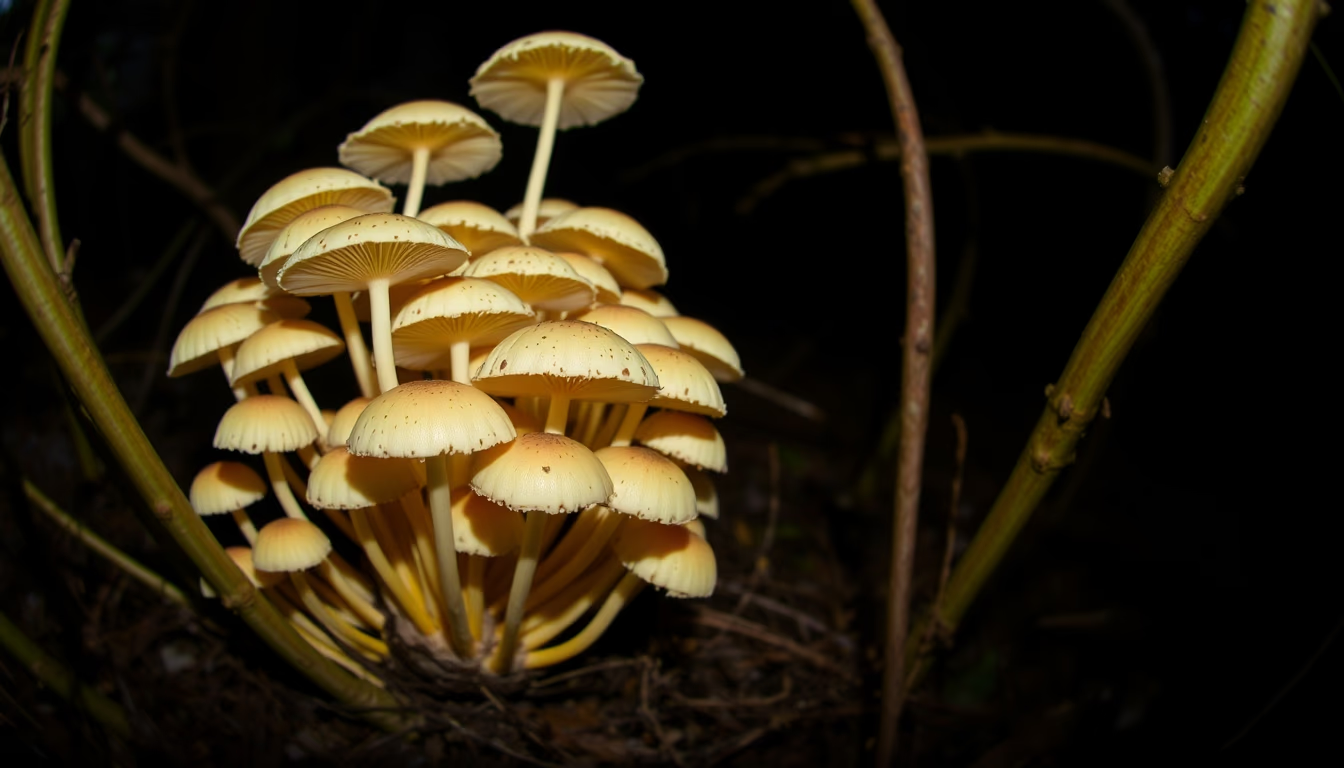
Enoki (Flammulina filiformis) are mushrooms with long, thin stems and small white caps, grown in clusters and widely used in Asian cuisine.
About this subject
Enoki mushrooms, scientifically known as Flammulina filiformis (formerly Flammulina velutipes), are an edible fungus species native to East Asia, particularly Japan, China, and Korea. They are characterized by their long, slender stems and small white or cream caps, which grow in dense clusters. The cultivated version, commonly found in supermarkets, exhibits these elongated features due to growth in dark, carbon-dioxide-rich environments, resulting in a delicate and crunchy appearance.
In Asian cuisine, enoki mushrooms are prized for their slightly crunchy texture and mild flavor. They are frequently added to soups such as Japanese hot pot (nabemono), stir-fried with vegetables or meats, and used in Korean dishes like tteokbokki or salads. They absorb the flavors of broths and sauces well while maintaining their firm consistency after quick cooking.
Nutritionally, enoki mushrooms are low in calories and rich in fiber, B vitamins (such as niacin and riboflavin), and minerals like potassium and phosphorus. Studies suggest they contain bioactive compounds, including polysaccharides and ergosterol, which may have antioxidant and immune-modulating properties. However, they should always be cooked, as raw enoki may contain thermolabile toxins that are eliminated by heat.
In the wild, enoki grow in winter on decomposing wood of trees such as willows and mulberries. They are known as "velvet foot" due to the dark, velvety base of the stem in wild specimens. In Japan, they are called enokitake and have been cultivated for centuries, with modern techniques optimizing their growth in bottles or artificial substrates, enabling year-round production.
Frequently Asked Questions
Can I eat enoki mushrooms raw?
It is not recommended to eat enoki raw, as they may contain thermolabile toxins that are eliminated by cooking. Additionally, raw enoki can be difficult to digest. Always cook them before consumption.
How should I store enoki mushrooms?
Store enoki in the refrigerator, preferably in a paper bag or open container to prevent moisture buildup. Consume within 3 to 5 days after purchase.
What is the difference between wild and cultivated enoki?
Wild enoki, also called Flammulina velutipes, has shorter, darker stems with a velvety base. Cultivated enoki are elongated and pale due to controlled growth conditions. Both are the same species.
Direct URL
https://pub-c7d6a6ea828543ac903a74a341ccb2e1.r2.dev/imagens/enoki-mushroom-cluster-fish-eye-wide-angle-p2.avifHow to credit
Include a visible link back to UtilizAí. Copy one of the snippets below:
<a href="https://xn--utiliza-eza.com/en/midia/imagens/enoki-mushroom-cluster-fish-eye-wide-angle-p2">Enoki mushroom cluster</a> by <a href="https://xn--utiliza-eza.com">UtilizAí</a>, licensed under <a href="https://creativecommons.org/licenses/by/4.0/">CC BY 4.0</a>.
[Enoki mushroom cluster](https://xn--utiliza-eza.com/en/midia/imagens/enoki-mushroom-cluster-fish-eye-wide-angle-p2) by [UtilizAí](https://xn--utiliza-eza.com), CC BY 4.0
License: CC-BY-4.0