Electric grid substation
1344×768 · AVIF · CC BY 4.0
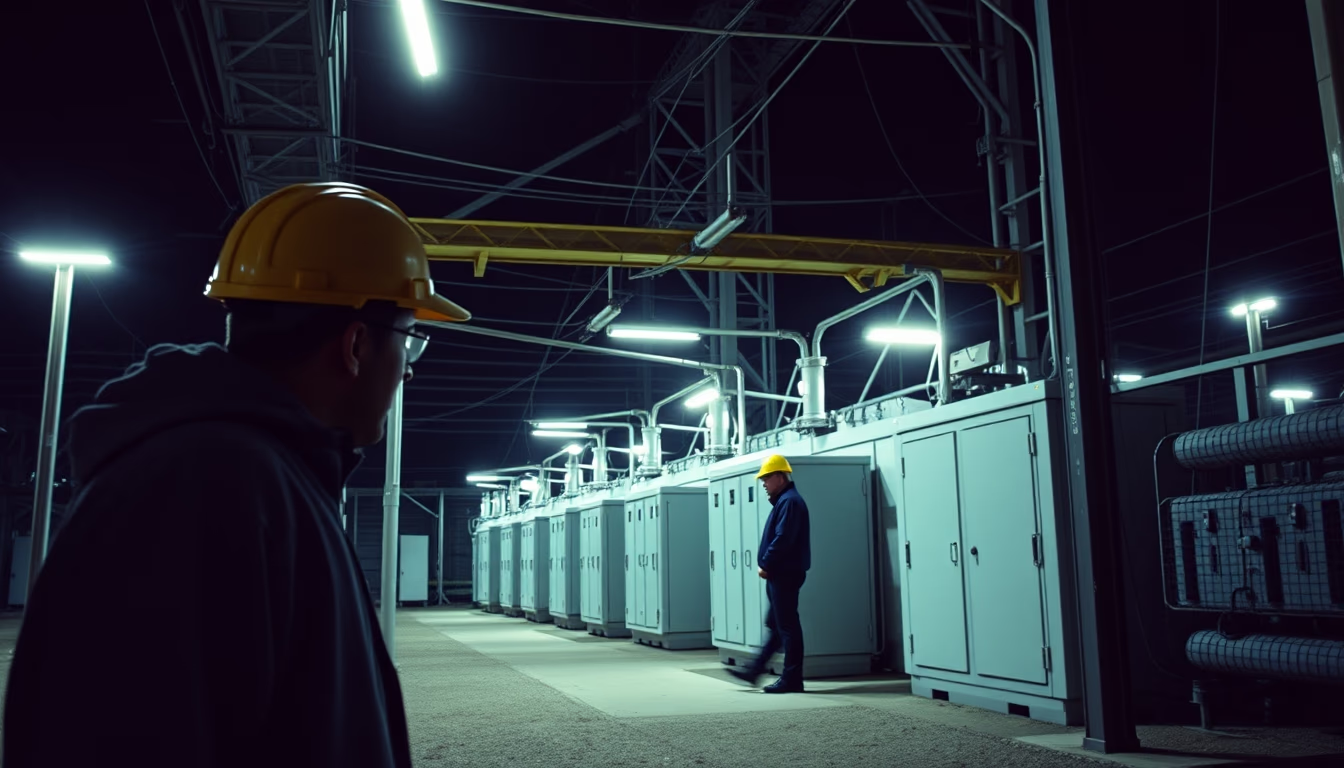
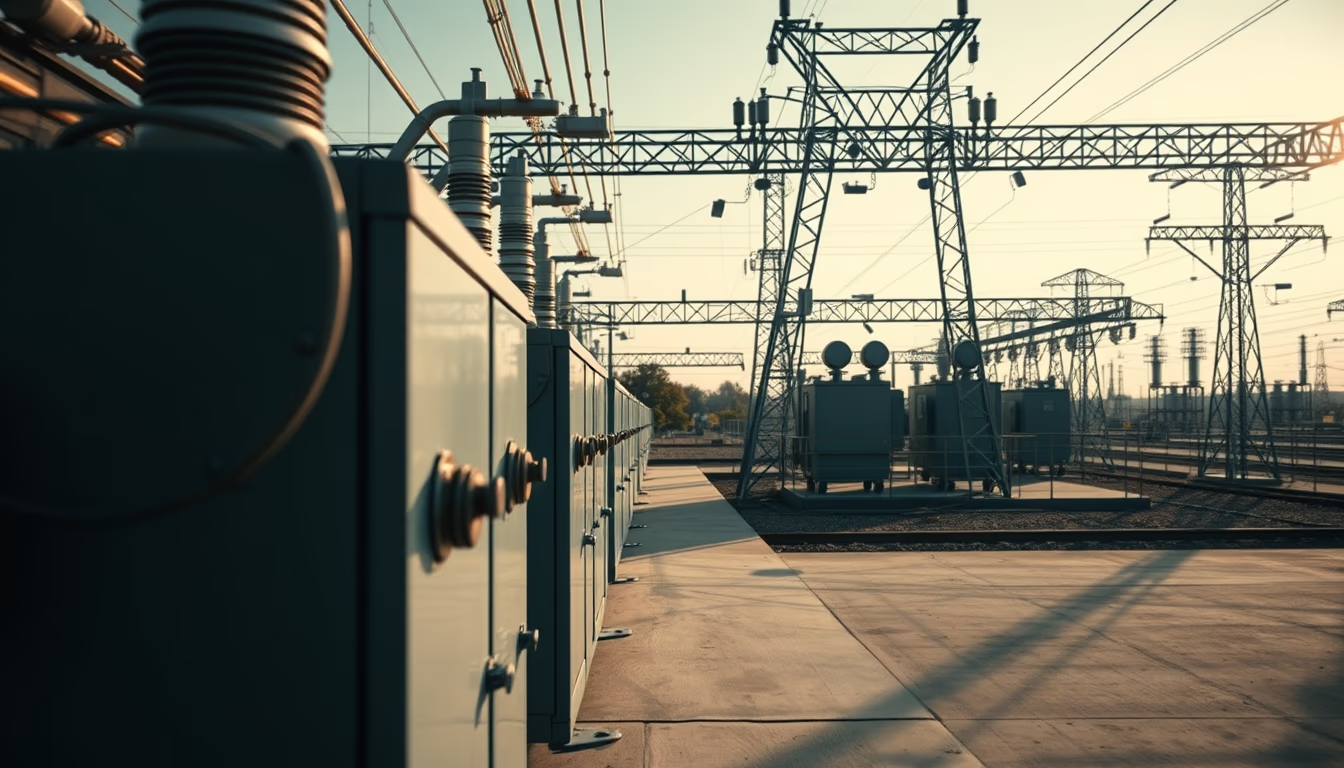
High-voltage electric substations step down power for cities and industries, using transformers, circuit breakers, and busbars to ensure reliable distribution.
About this subject
Electric substations are nodal points in power transmission and distribution grids. They receive electricity at voltages as high as 765 kV and step it down to safer levels (e.g., 138 kV, 69 kV, or 13.8 kV) before supplying local networks. Key equipment includes power transformers, high-voltage circuit breakers, disconnect switches, and busbars. Each component is designed to handle high currents and perform switching operations without service disruption.
In Brazil, the National Electric System Operator (ONS) coordinates hundreds of substations that integrate hydroelectric, wind, and solar plants. The Itaipu substation, for instance, operates at 500 kV and 750 kV, one of the largest worldwide. Maintenance is critical: a single transformer can weigh over 200 tonnes and contain insulating oil that must be monitored to prevent leaks. Modern automation allows remote operation, with sensors and relays detecting faults in milliseconds.
Interestingly, the industrial aesthetics of substations inspire art movements like fine art and lomography, which emphasize the contrast between metal structures and open skies. Lo-fi or disposable camera shots capture textures of porcelain insulators, tangled cables, and twisted poles, creating compositions reminiscent of post-industrial landscapes. Such images are in high demand in editorial stock libraries, where the "energy" topic is frequently requested by technical publications and news outlets.
Frequently Asked Questions
What is the main function of an electric substation?
To transform voltage levels for efficient transmission and distribution, and to enable switching operations and system protection.
What equipment is common in a high-voltage substation?
Power transformers, circuit breakers, disconnect switches, busbars, surge arresters, protective relays, and control systems.
Why are substations photographed in lo-fi or disposable camera style?
Grainy texture and exaggerated contrast highlight industrial details such as insulators and cables, creating a nostalgic, post-industrial aesthetic popular in editorial stock photography.
Direct URL
https://pub-c7d6a6ea828543ac903a74a341ccb2e1.r2.dev/imagens/electric-grid-substation-lo-fi-disposable-camera-p4.avifHow to credit
Include a visible link back to UtilizAí. Copy one of the snippets below:
<a href="https://xn--utiliza-eza.com/en/midia/imagens/electric-grid-substation-lo-fi-disposable-camera-p4">Electric grid substation</a> by <a href="https://xn--utiliza-eza.com">UtilizAí</a>, licensed under <a href="https://creativecommons.org/licenses/by/4.0/">CC BY 4.0</a>.
[Electric grid substation](https://xn--utiliza-eza.com/en/midia/imagens/electric-grid-substation-lo-fi-disposable-camera-p4) by [UtilizAí](https://xn--utiliza-eza.com), CC BY 4.0
License: CC-BY-4.0