Electric grid substation
1344×768 · AVIF · CC BY 4.0
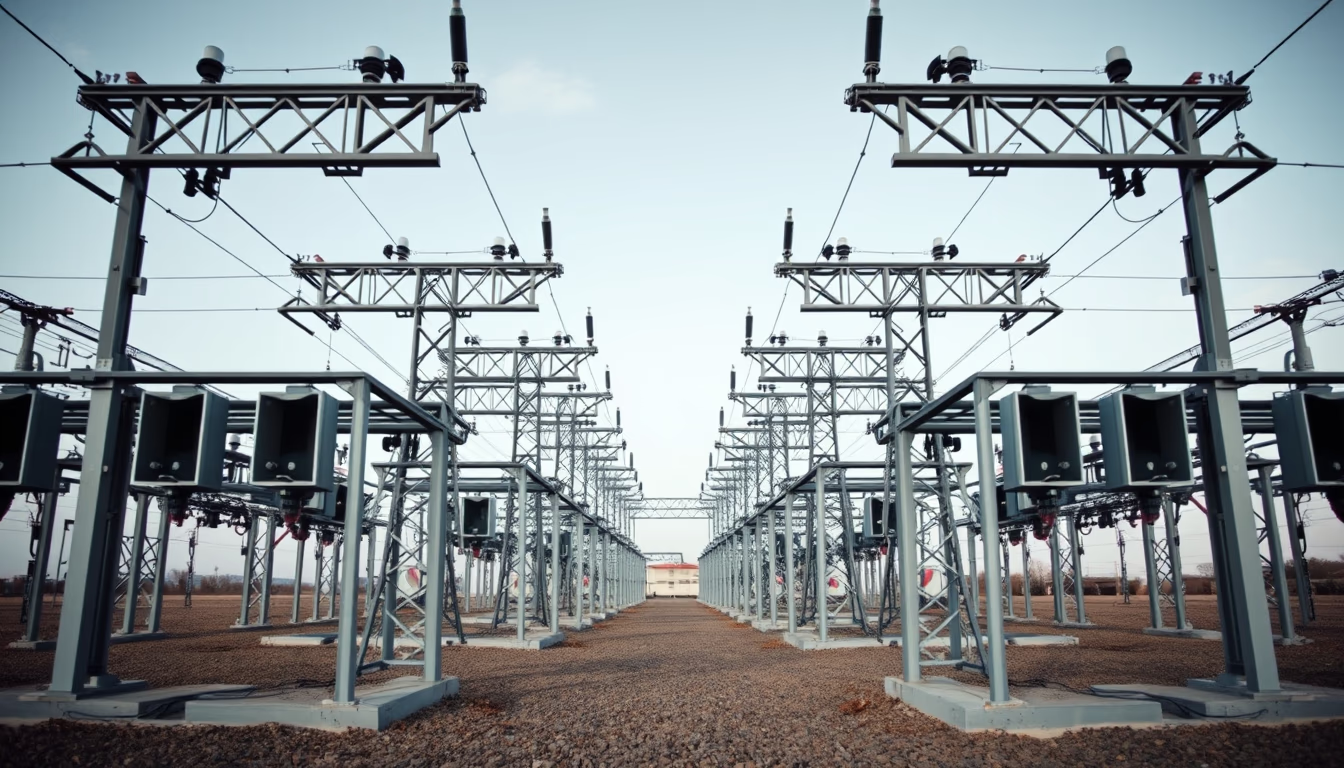
An electrical substation transforms voltage levels, ensuring safe power distribution to industries and cities.
About this subject
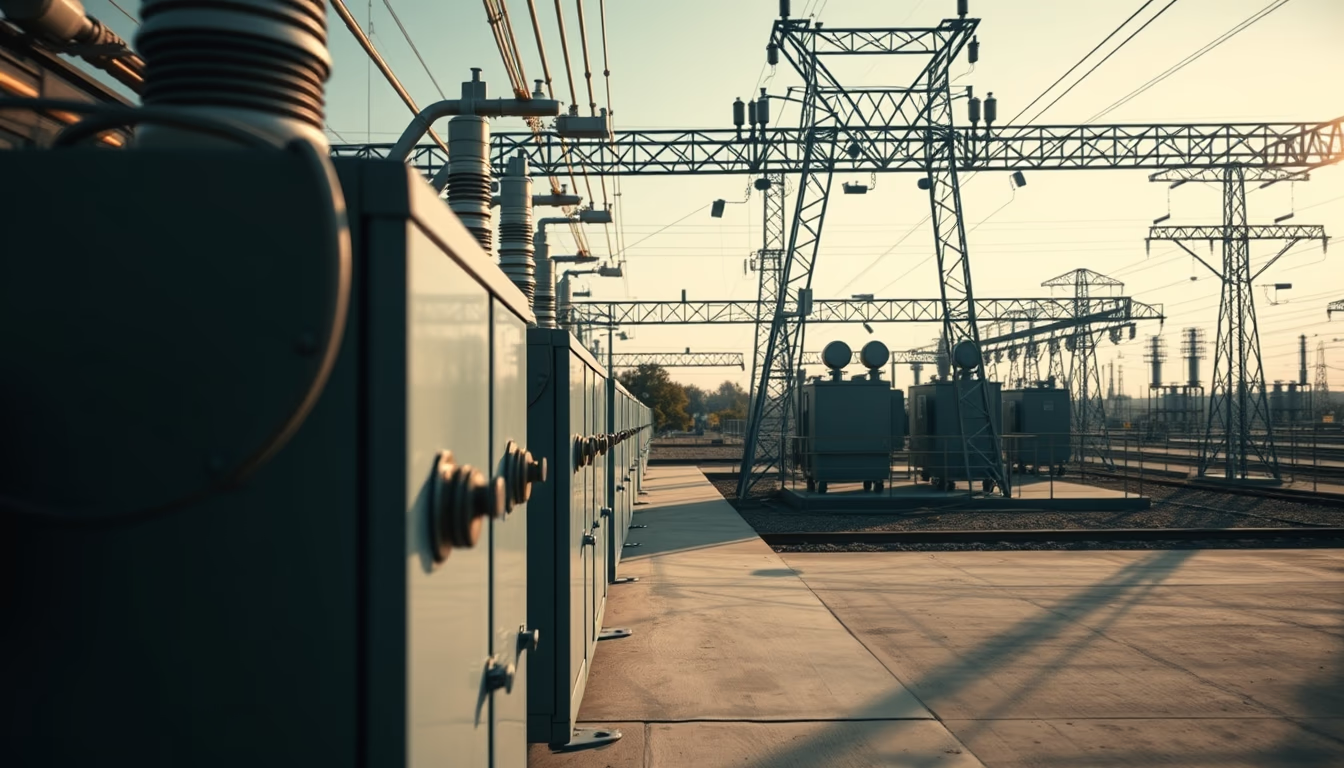
An electrical substation is a vital facility in the power system, responsible for changing voltage levels to enable the transmission and distribution of electricity. They connect high-voltage transmission lines to medium- and low-voltage distribution networks, allowing power from generation plants to reach homes, businesses, and industries safely. Typical components include transformers, circuit breakers, disconnect switches, busbars, and protective relay systems.
Substations are classified into step-up types near power plants, step-down types near load centers, and switching substations at strategic points in the grid. The first substation was built in 1883 for street lighting in Rio de Janeiro. Today, Brazil's National Interconnected System operates over 1,300 substations.
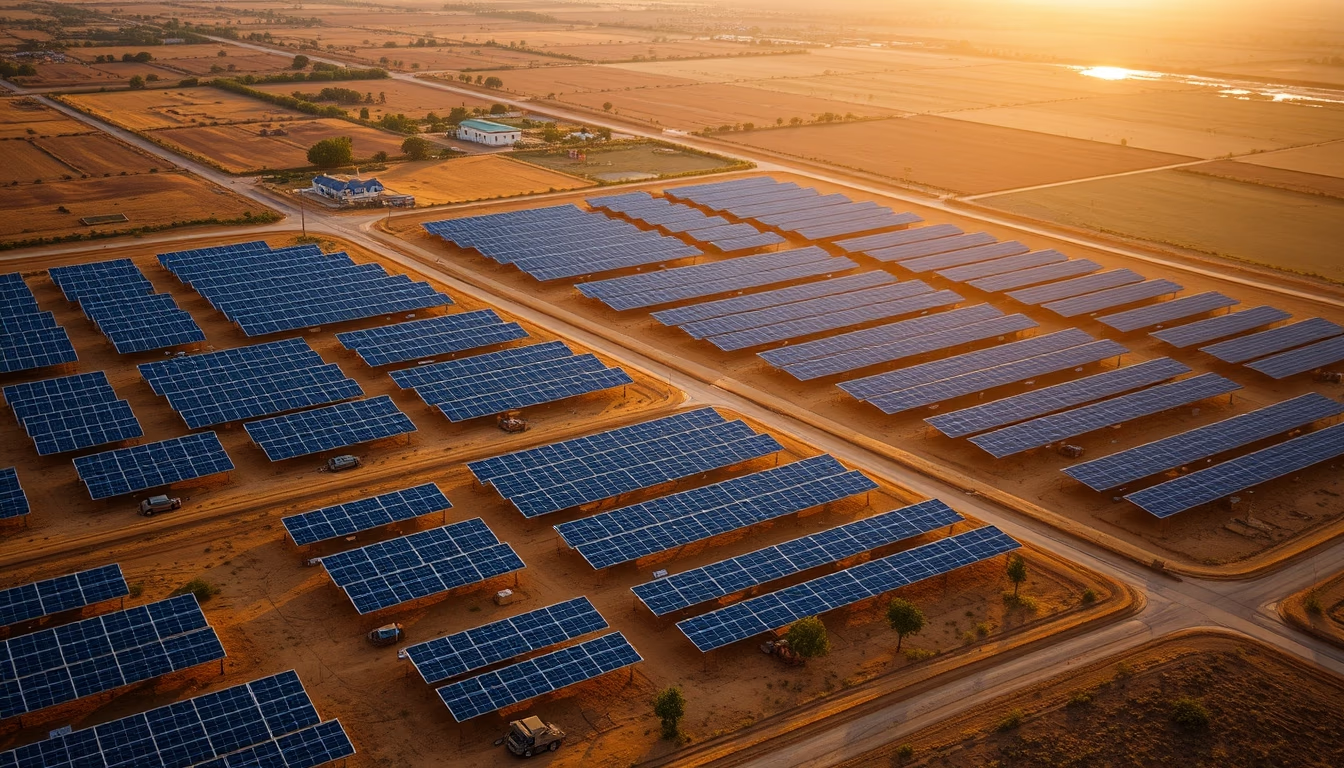
With the shift toward renewable energy, substations are gaining new roles. Wind and solar farms require collector substations that integrate multiple generators into the grid. Digital substations with sensors and automation enable real-time monitoring, reducing losses and improving reliability. The smart grid trend also drives modern architectural designs that blend technical efficiency with industrial aesthetics.
Frequently Asked Questions
What is an electrical substation and what is its main function?
An electrical substation is a facility that changes voltage levels, enabling high-voltage transmission over long distances and distribution at medium and low voltages to consumers. It also handles circuit switching, system protection, and energy metering.
What is the difference between a transmission and a distribution substation?
Transmission substations operate at voltages above 230 kV, connecting power plants and major load centers. Distribution substations operate between 34.5 kV and 138 kV, feeding local networks that deliver power to end users.
How are substations adapting to renewable energy?
Substations integrate connection systems for wind and solar farms, with specialized transformers and inverters. They also adopt digital technologies for remote monitoring, grid automation, and integration with energy storage, ensuring stability despite intermittent generation.
Direct URL
https://pub-c7d6a6ea828543ac903a74a341ccb2e1.r2.dev/imagens/electric-grid-substation-architectural-photography-p2.avifHow to credit
Include a visible link back to UtilizAí. Copy one of the snippets below:
<a href="https://xn--utiliza-eza.com/en/midia/imagens/electric-grid-substation-architectural-photography-p2">Electric grid substation</a> by <a href="https://xn--utiliza-eza.com">UtilizAí</a>, licensed under <a href="https://creativecommons.org/licenses/by/4.0/">CC BY 4.0</a>.
[Electric grid substation](https://xn--utiliza-eza.com/en/midia/imagens/electric-grid-substation-architectural-photography-p2) by [UtilizAí](https://xn--utiliza-eza.com), CC BY 4.0
License: CC-BY-4.0