Discobolus statue greek
1344×768 · AVIF · CC BY 4.0
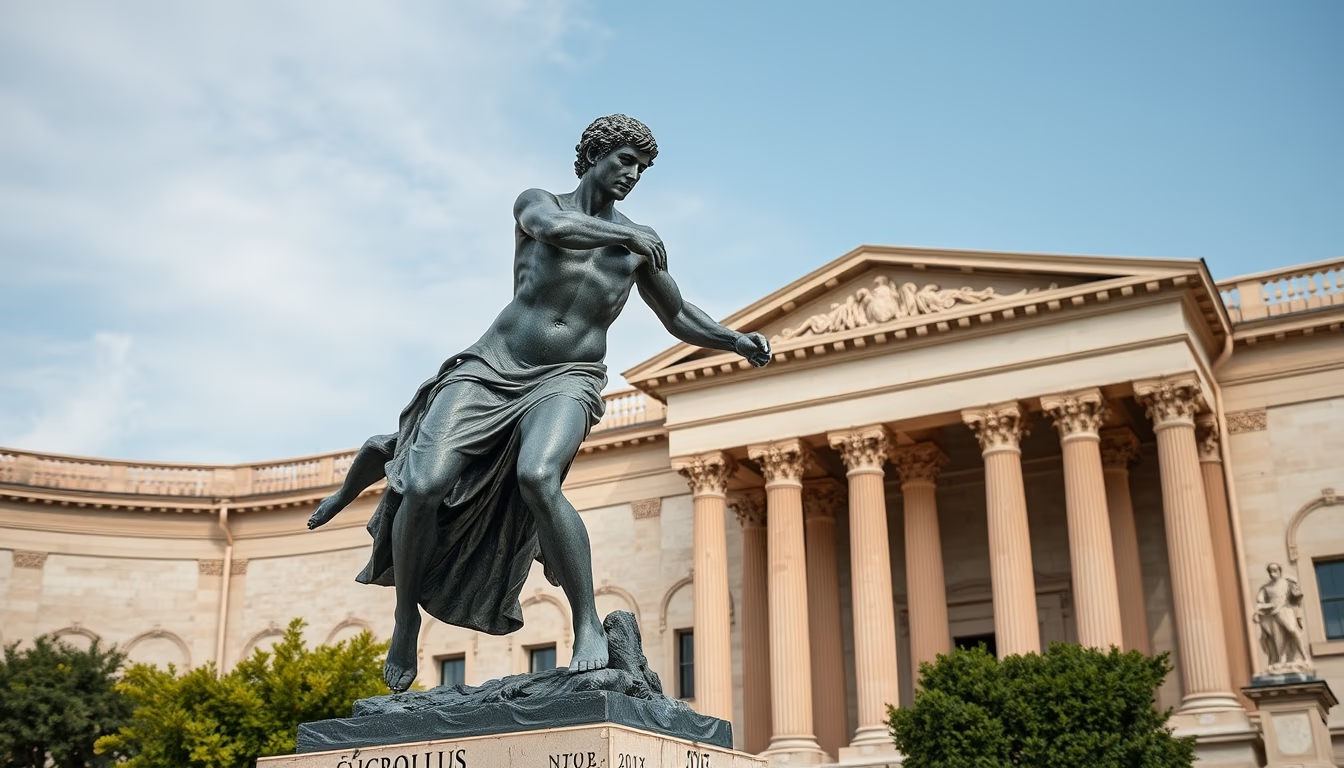
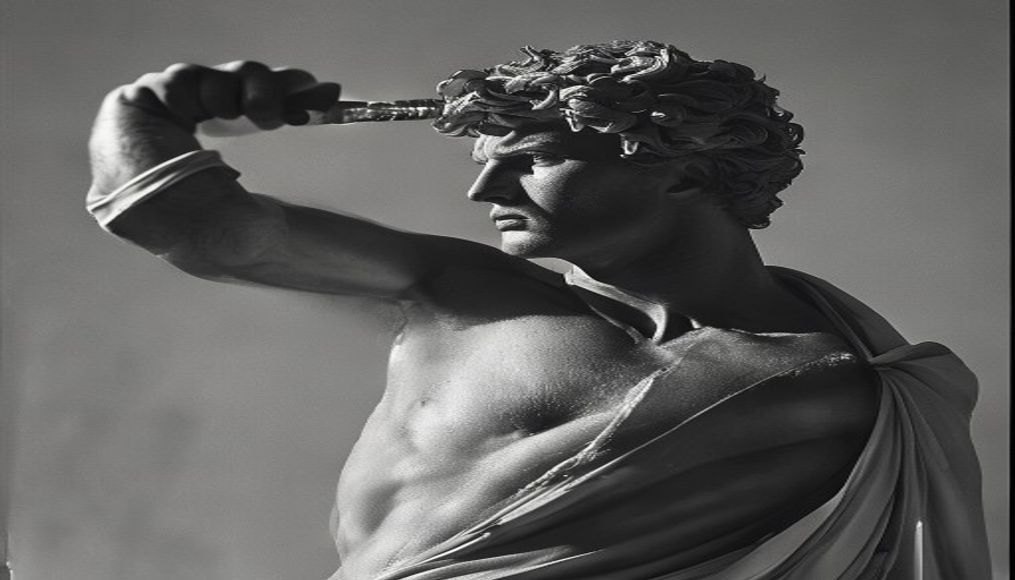
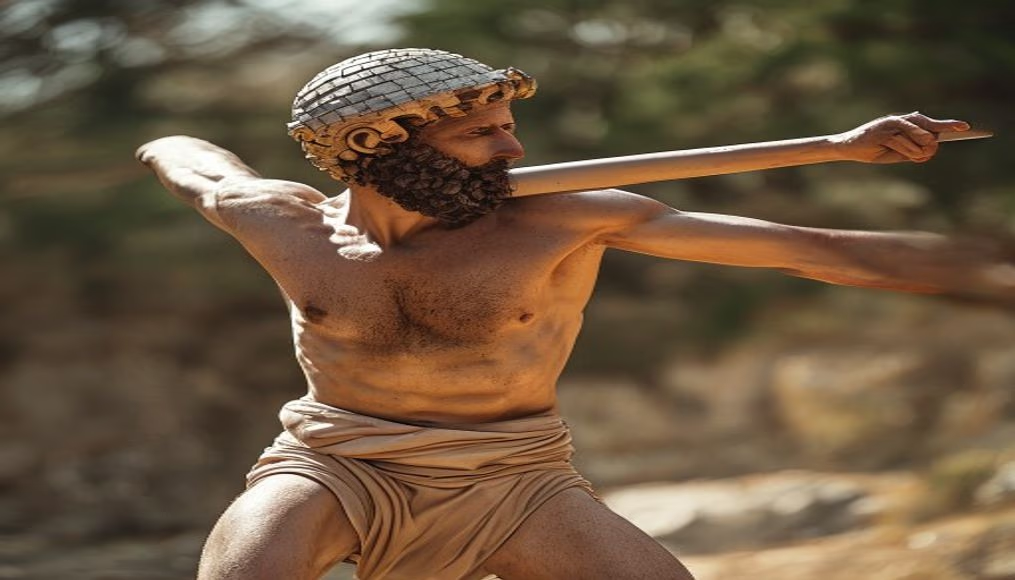
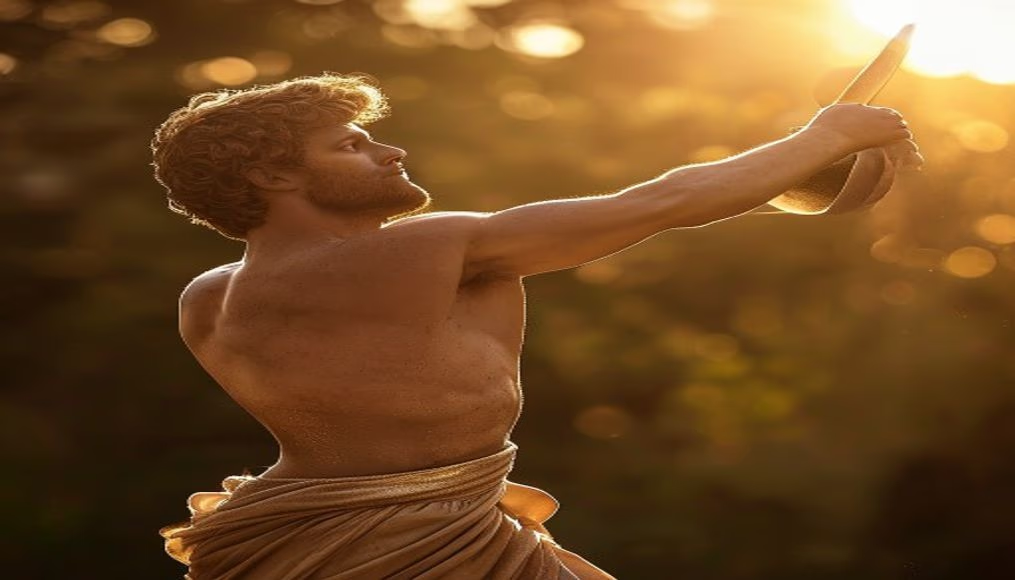
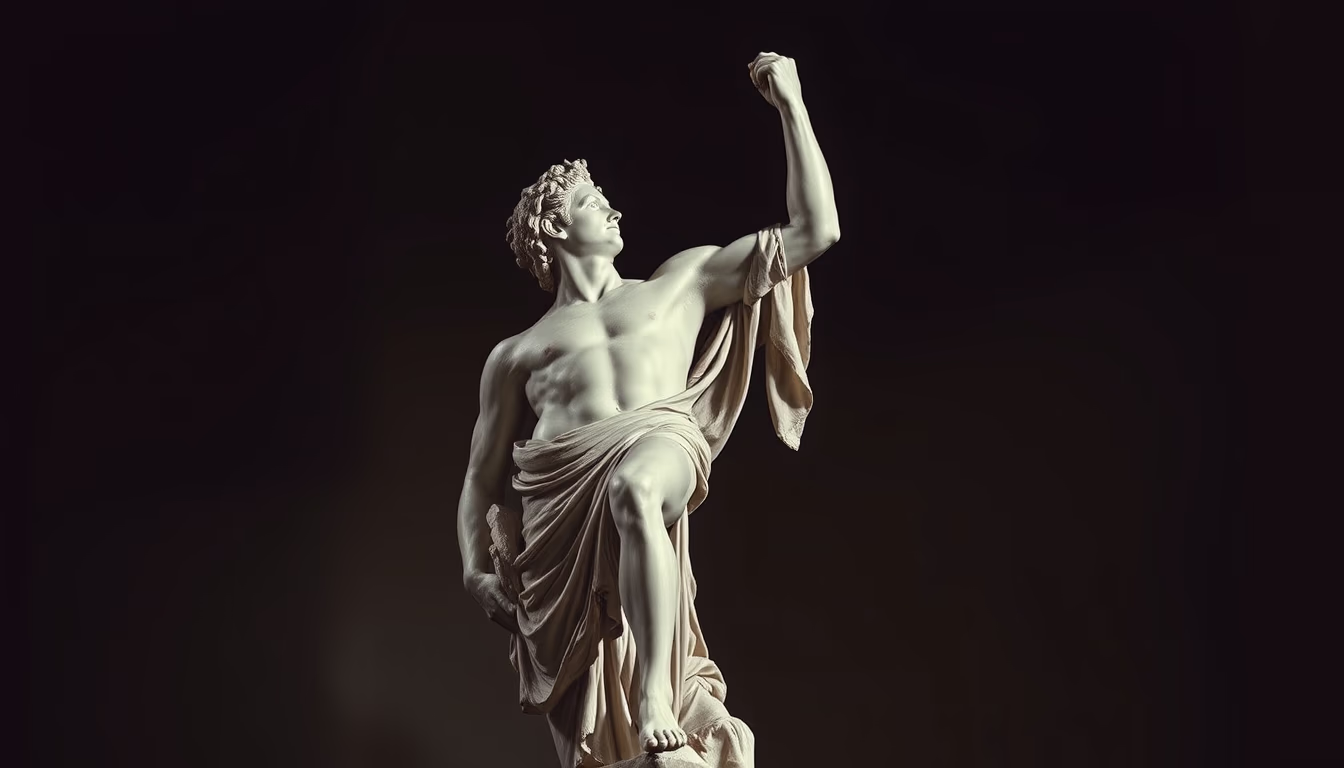
The Discobolus is one of the most iconic sculptures of ancient Greece, created by Myron around 460, 450 BC, depicting an athlete at the exact moment of discus throw.
About this subject
Sculpted by the Greek master Myron in the Classical period (5th century BC), the original Discobolus was cast in bronze but has been lost over the centuries. What we know today are Roman marble copies, such as the famous version at the Palazzo Massimo alle Terme in Rome and another at the British Museum in London. The statue captures the peak of athletic motion: the body tensed, the right arm extended back holding the discus, and weight distributed to convey balance and dynamism.
The pose of the Discobolus is a study in contrapposto and torsion, innovative for its time. Myron managed to freeze an instant of action, impressing the ancients and continuing to fascinate scholars. The work reflects the Greek ideal of beauty and physical perfection, linked to the Olympic Games and the cult of the athletic body. Interestingly, the athlete's face remains serene and devoid of effort, contrasting with the muscular tension of the body, a characteristic feature of classical art.
The discovery of Roman copies in excavations, such as the one from the Palazzo Lancellotti (now in the Vatican) in the 18th century, revived interest in the sculpture. The Discobolus influenced Renaissance and modern artists, being referenced in literary works and even Olympic logos. Its depiction of motion in repose is a milestone in art history, symbolizing the harmony between strength and elegance.
Frequently Asked Questions
Who sculpted the Discobolus and in what period?
The Discobolus was sculpted by Myron, a Greek sculptor of the Classical period, around 460, 450 BC.
Where is the original Discobolus statue?
The original bronze is lost. The most famous Roman marble copies are at the National Roman Museum (Palazzo Massimo) and the British Museum.
What is the meaning of the Discobolus's pose?
The pose captures the moment of maximum tension before the throw, combining motion and balance. It is a classic example of contrapposto and embodies the Greek athletic ideal.
Direct URL
https://pub-c7d6a6ea828543ac903a74a341ccb2e1.r2.dev/imagens/discobolus-statue-greek-national-geographic-style-p10.avifHow to credit
Include a visible link back to UtilizAí. Copy one of the snippets below:
<a href="https://xn--utiliza-eza.com/en/midia/imagens/discobolus-statue-greek-national-geographic-style-p10">Discobolus statue greek</a> by <a href="https://xn--utiliza-eza.com">UtilizAí</a>, licensed under <a href="https://creativecommons.org/licenses/by/4.0/">CC BY 4.0</a>.
[Discobolus statue greek](https://xn--utiliza-eza.com/en/midia/imagens/discobolus-statue-greek-national-geographic-style-p10) by [UtilizAí](https://xn--utiliza-eza.com), CC BY 4.0
License: CC-BY-4.0