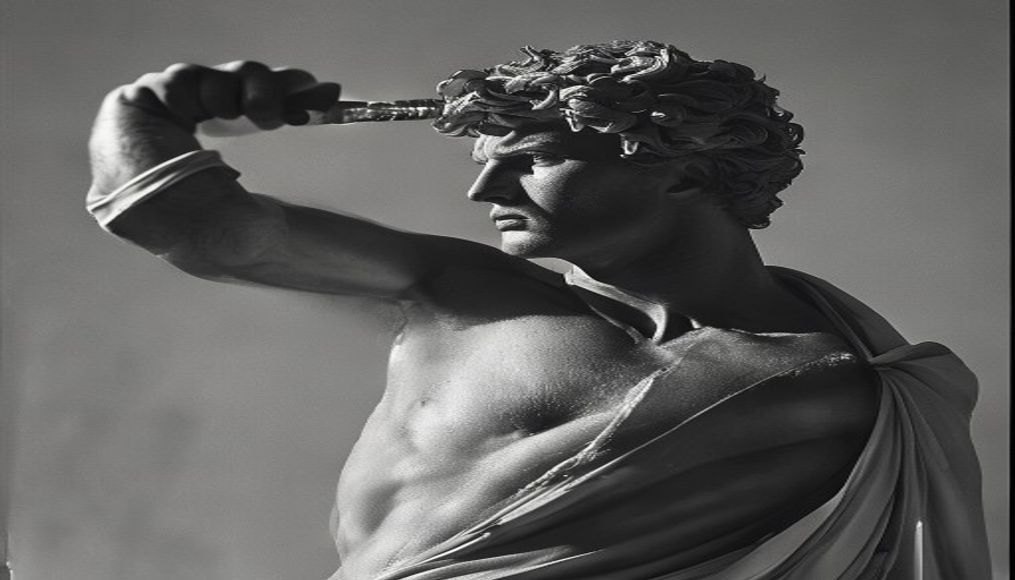
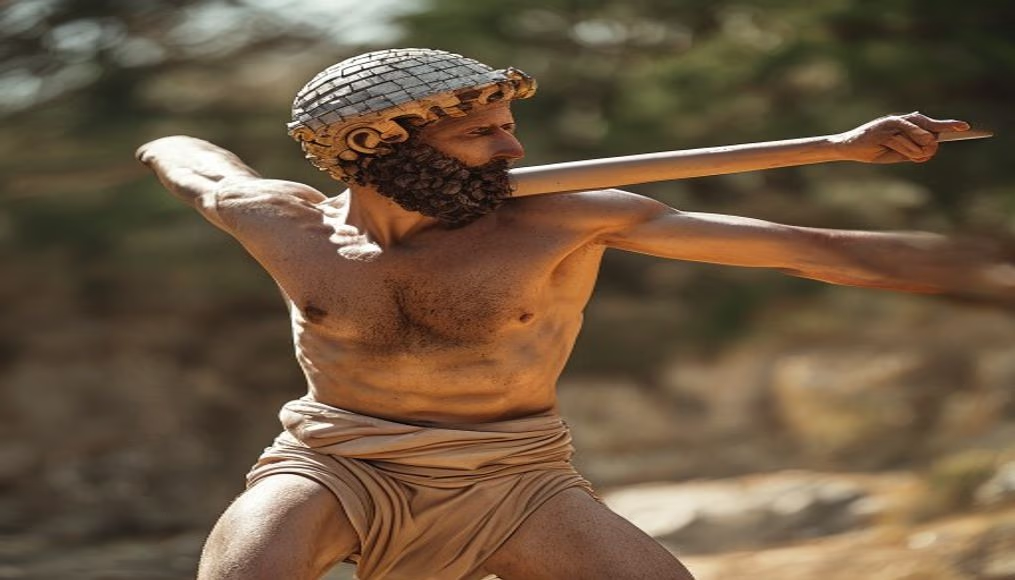
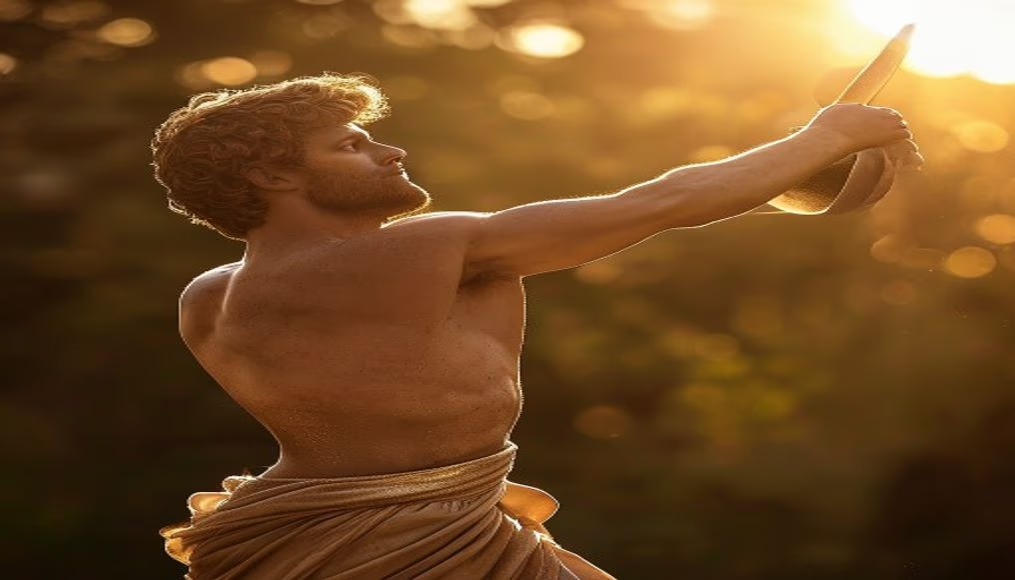
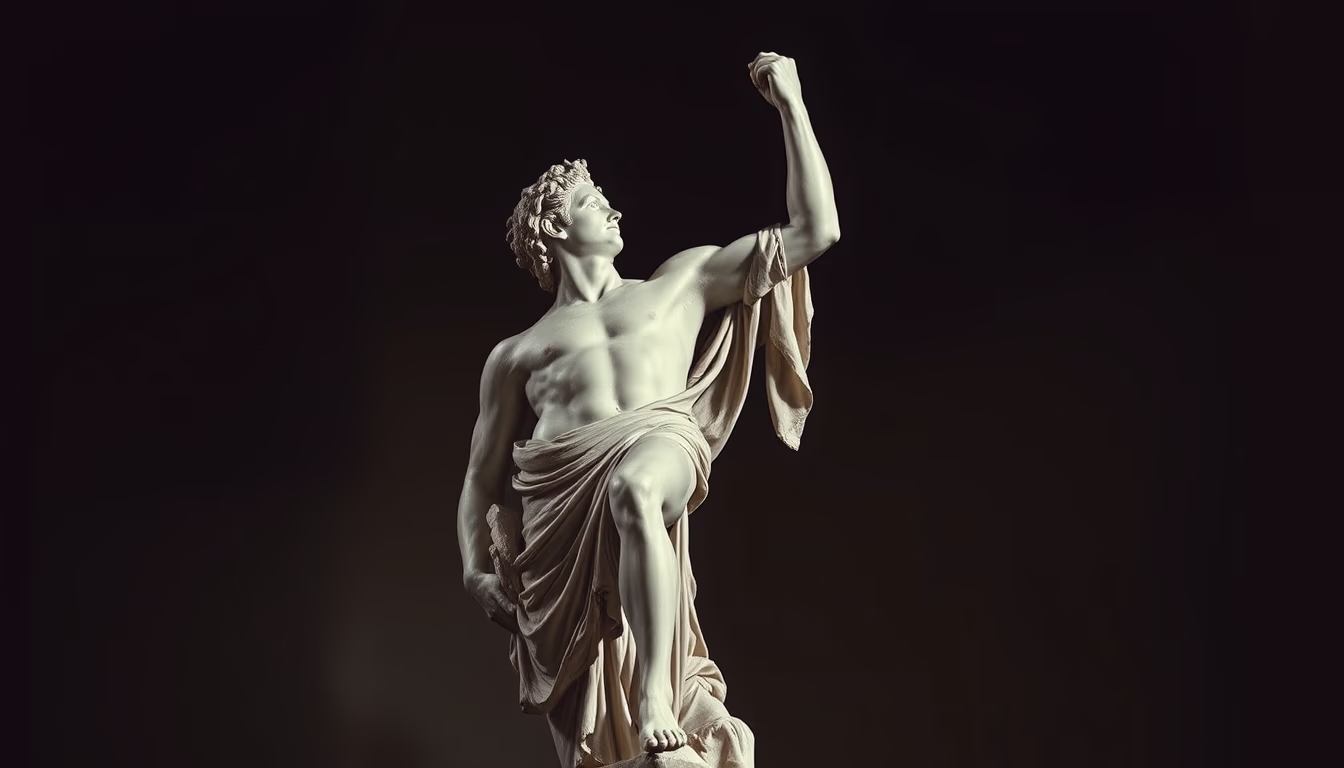
Discobolus statue greek
1344×768 · AVIF · CC BY 4.0
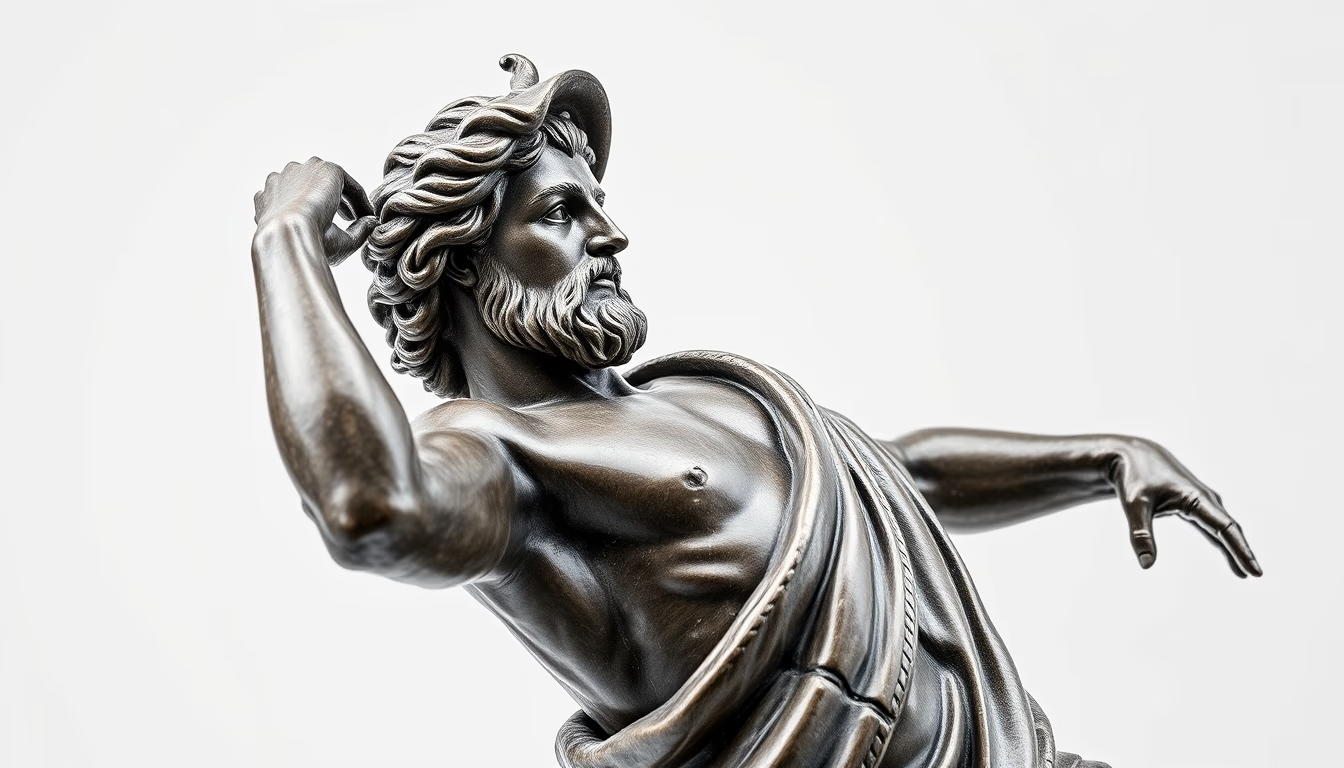
The Discobolus is one of the most iconic sculptures of Ancient Greece, depicting an athlete at the moment of discus throw.
About this subject
The Discobolus, or Discus Thrower, is a classical Greek sculpture attributed to the sculptor Myron, active around 460, 450 BCE. The original bronze statue has been lost; what survives today are Roman marble copies, the most famous being the Palombara head now housed in the National Roman Museum in Rome.
The statue captures the athlete at the moment of peak tension, just before releasing the discus. Myron innovated by representing the human body in motion, breaking away from the rigidity of Archaic sculpture. The use of contrapposto, weight supported on one leg while the other prepares for the pivot, lends naturalism and dynamism. This work set a standard of idealized athletic beauty that influenced European art for centuries.
The Discobolus was rediscovered in the 18th century in Rome and quickly became a symbol of the Olympic spirit and physical culture. Its image has been reproduced on medals, stamps, and sports logos. Although often associated with the modern Olympic Games, the original Greek piece was created much earlier, during a period when athletic competition was central to Hellenic education and religion.
Interestingly, many Roman copies show variations, such as different head positions. The Palombara copy, for example, has the head turned toward the arm holding the discus, while other versions show it looking forward. This highlights the adaptations made by Roman copyists and the gaps in the transmission of the original work.
Frequently Asked Questions
Who sculpted the original Discobolus?
The original Discobolus was sculpted by the Greek artist Myron, one of the most renowned sculptors of the Classical period, around 460, 450 BCE.
Why is the Discobolus so important in art history?
The work revolutionized sculpture by realistically capturing human movement, using contrapposto and depicting the body in tension, which was innovative for its time.
Where can I see the Discobolus today?
The most famous copy, the Palombara head, is at the National Roman Museum (Palazzo Massimo alle Terme) in Rome. Other copies are in museums like the British Museum and the Louvre.
Direct URL
https://pub-c7d6a6ea828543ac903a74a341ccb2e1.r2.dev/imagens/discobolus-statue-greek-commercial-product-photography-p8.avifHow to credit
Include a visible link back to UtilizAí. Copy one of the snippets below:
<a href="https://xn--utiliza-eza.com/en/midia/imagens/discobolus-statue-greek-commercial-product-photography-p8">Discobolus statue greek</a> by <a href="https://xn--utiliza-eza.com">UtilizAí</a>, licensed under <a href="https://creativecommons.org/licenses/by/4.0/">CC BY 4.0</a>.
[Discobolus statue greek](https://xn--utiliza-eza.com/en/midia/imagens/discobolus-statue-greek-commercial-product-photography-p8) by [UtilizAí](https://xn--utiliza-eza.com), CC BY 4.0
License: CC-BY-4.0