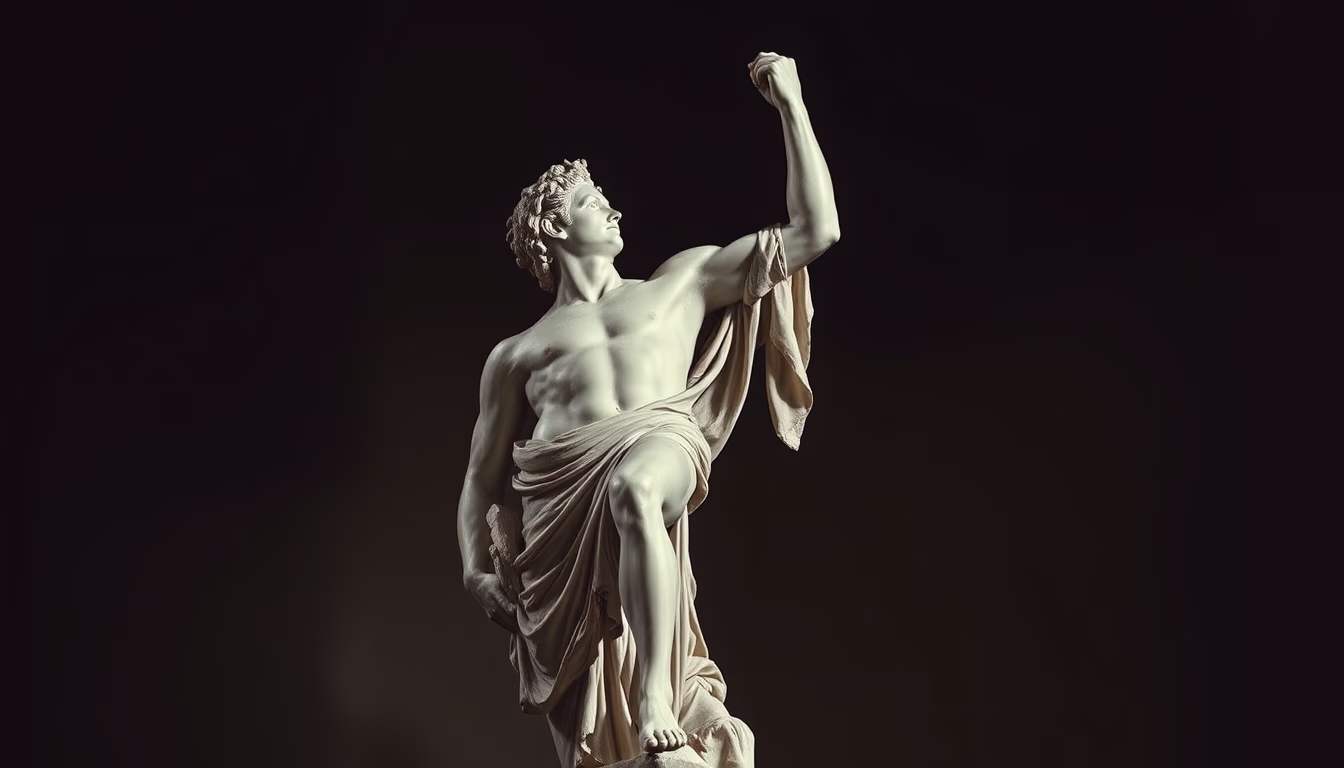
Discobolus statue greek
1344×768 · AVIF · CC BY 4.0

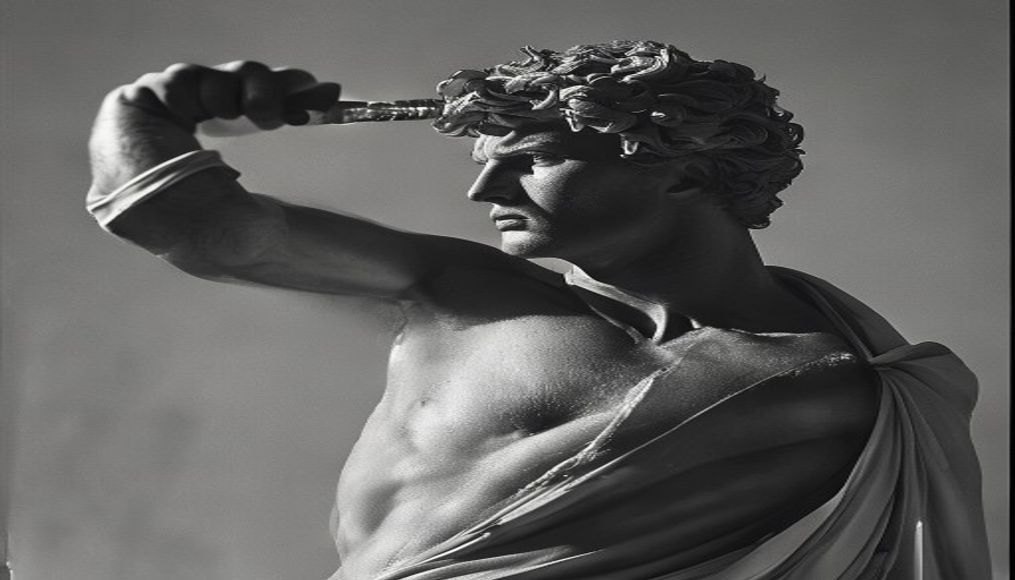
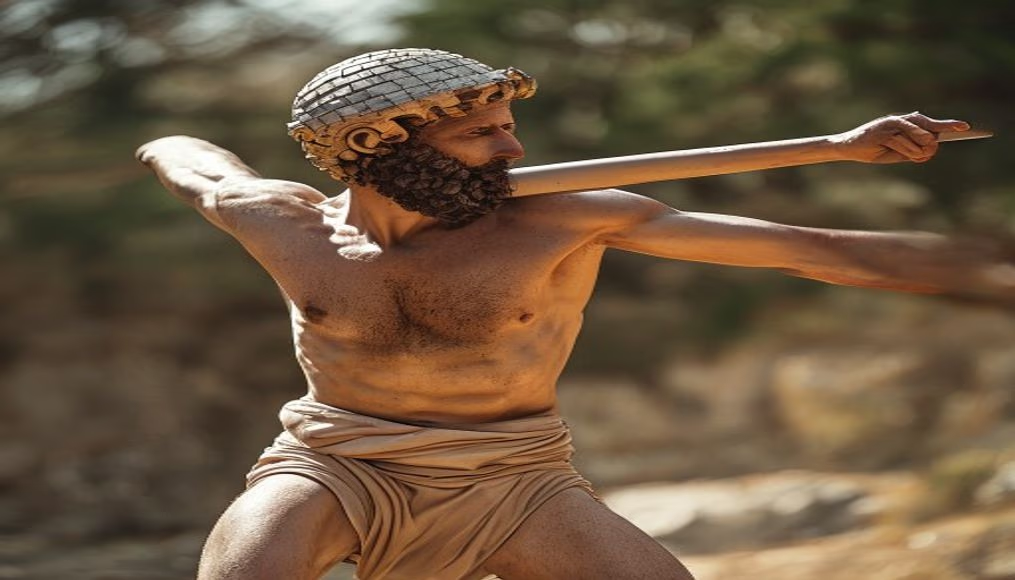
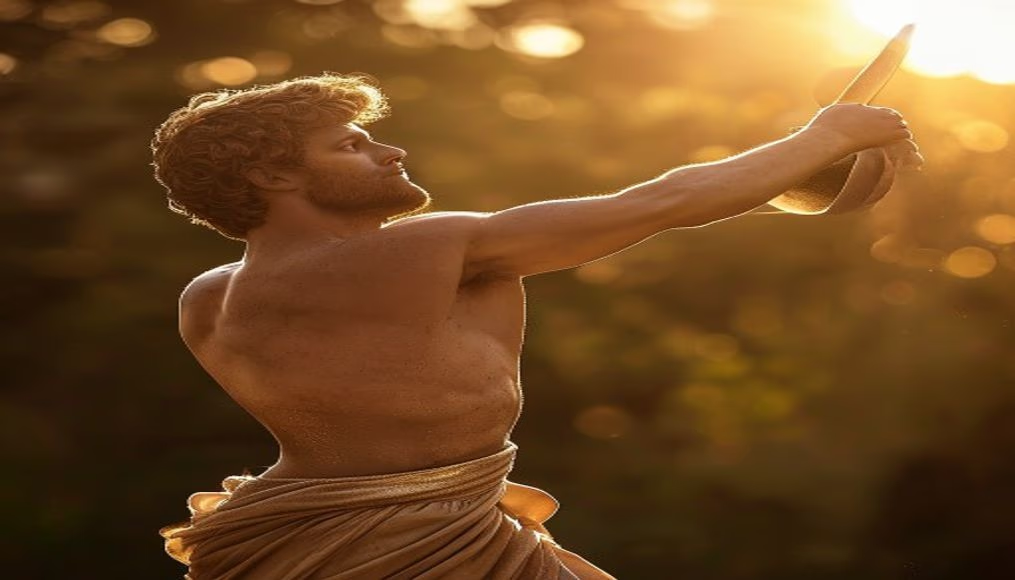
The Discobolus, a classical Greek sculpture by Myron, captures the athlete at the moment of discus throw, embodying athletic and artistic perfection.
About this subject
The Discobolus is one of the most emblematic sculptures of Ancient Greece, created by the sculptor Myron around 450 BCE in bronze. The original work has been lost, but it survives through Roman marble copies, such as the famous Palombara version now at the National Roman Museum and the Townley copy at the British Museum. The sculpture depicts a young athlete at the peak of motion, with his body twisted backward and his right arm extended holding the discus, about to release it. This pose of dynamic tension revolutionized Greek sculpture by capturing a fleeting instant rather than a static posture.
Myron's work reflects the Greek ideal of balance between body and mind, celebrating the athlete as a hero. The Discobolus is not just an anatomical study; it conveys the harmony of movement and the athlete's concentration. The most famous Roman copy, from the Palazzo Lancelotti (now in the Museo Nazionale Romano), was discovered in the 18th century and influenced Renaissance and Neoclassical artists. The sculpture is also frequently associated with the ancient Olympic Games, which included discus throwing (diskos) as part of the pentathlon.
Interestingly, the identity of the athlete depicted is uncertain; some historians suggest it could be a real athlete or a mythological figure. Modern biomechanics studies have analyzed the torso rotation and limb positions, confirming that the posture is anatomically possible, though requiring extreme flexibility. The Discobolus remains a cultural icon, appearing in sports event logos, coins, and even the opening ceremony of modern Olympic Games, such as Athens 2004.
Frequently Asked Questions
Who sculpted the Discobolus and when?
The Discobolus was sculpted by the Greek artist Myron around 450 BCE, during the Classical period of Ancient Greece.
Where is the most famous copy of the Discobolus located?
The most famous copy is the Palombara version, housed at the National Roman Museum (Palazzo Massimo alle Terme) in Rome.
What is the significance of the Discobolus in art history?
The Discobolus is groundbreaking for capturing a moment of peak action, breaking away from static figures. It influenced Renaissance and Neoclassical sculpture and remains a symbol of the Greek athletic ideal.
Direct URL
https://pub-c7d6a6ea828543ac903a74a341ccb2e1.r2.dev/imagens/discobolus-statue-greek-cinematic-wide-shot-p1.avifHow to credit
Include a visible link back to UtilizAí. Copy one of the snippets below:
<a href="https://xn--utiliza-eza.com/en/midia/imagens/discobolus-statue-greek-cinematic-wide-shot-p1">Discobolus statue greek</a> by <a href="https://xn--utiliza-eza.com">UtilizAí</a>, licensed under <a href="https://creativecommons.org/licenses/by/4.0/">CC BY 4.0</a>.
[Discobolus statue greek](https://xn--utiliza-eza.com/en/midia/imagens/discobolus-statue-greek-cinematic-wide-shot-p1) by [UtilizAí](https://xn--utiliza-eza.com), CC BY 4.0
License: CC-BY-4.0