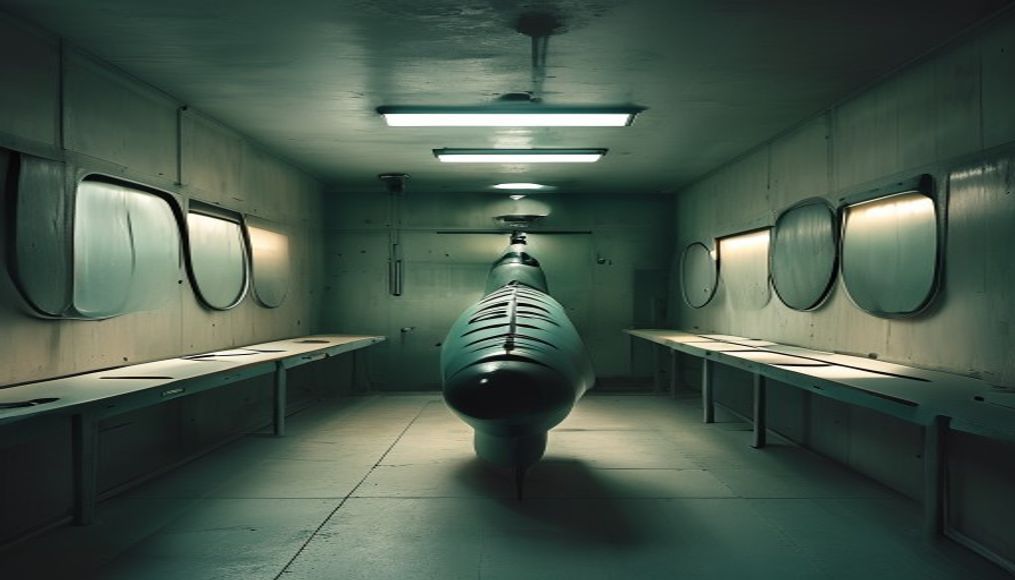
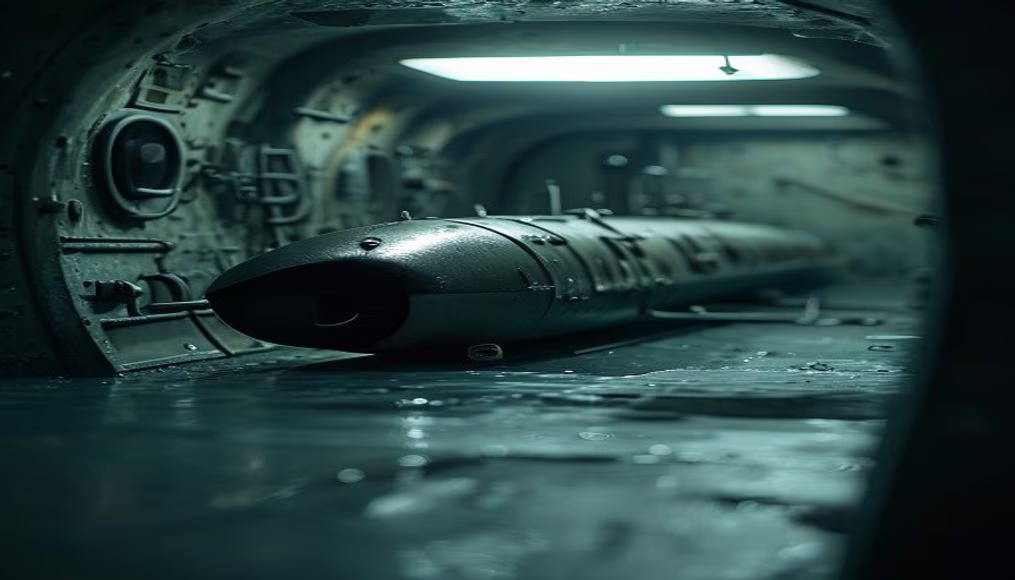
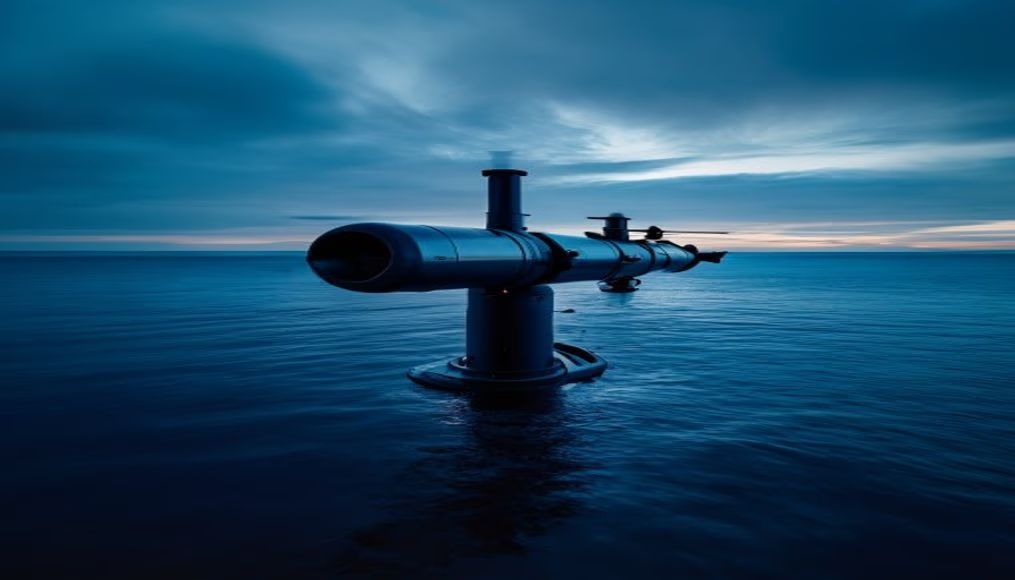
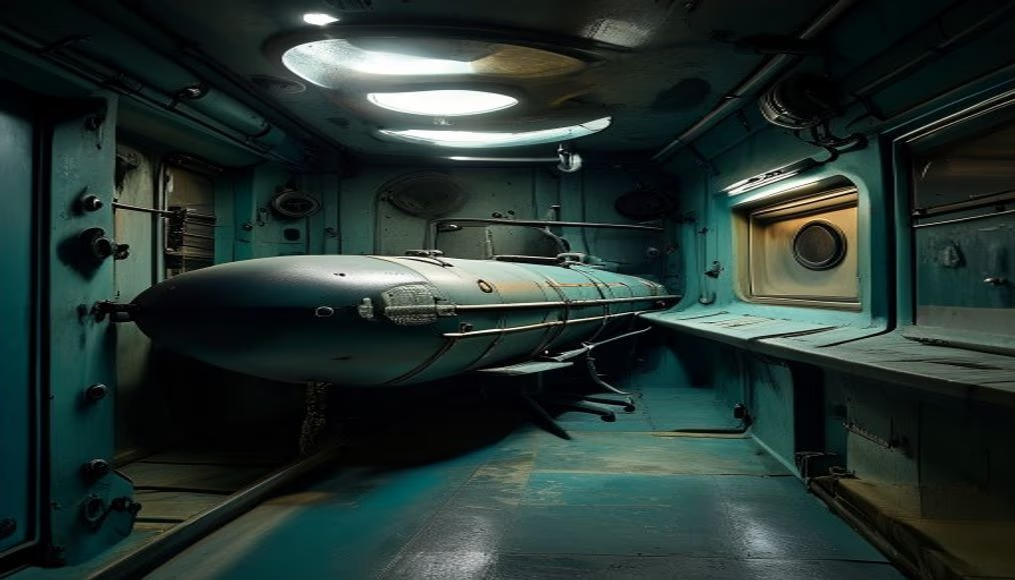
Destroyer naval ship
1344×768 · AVIF · CC BY 4.0
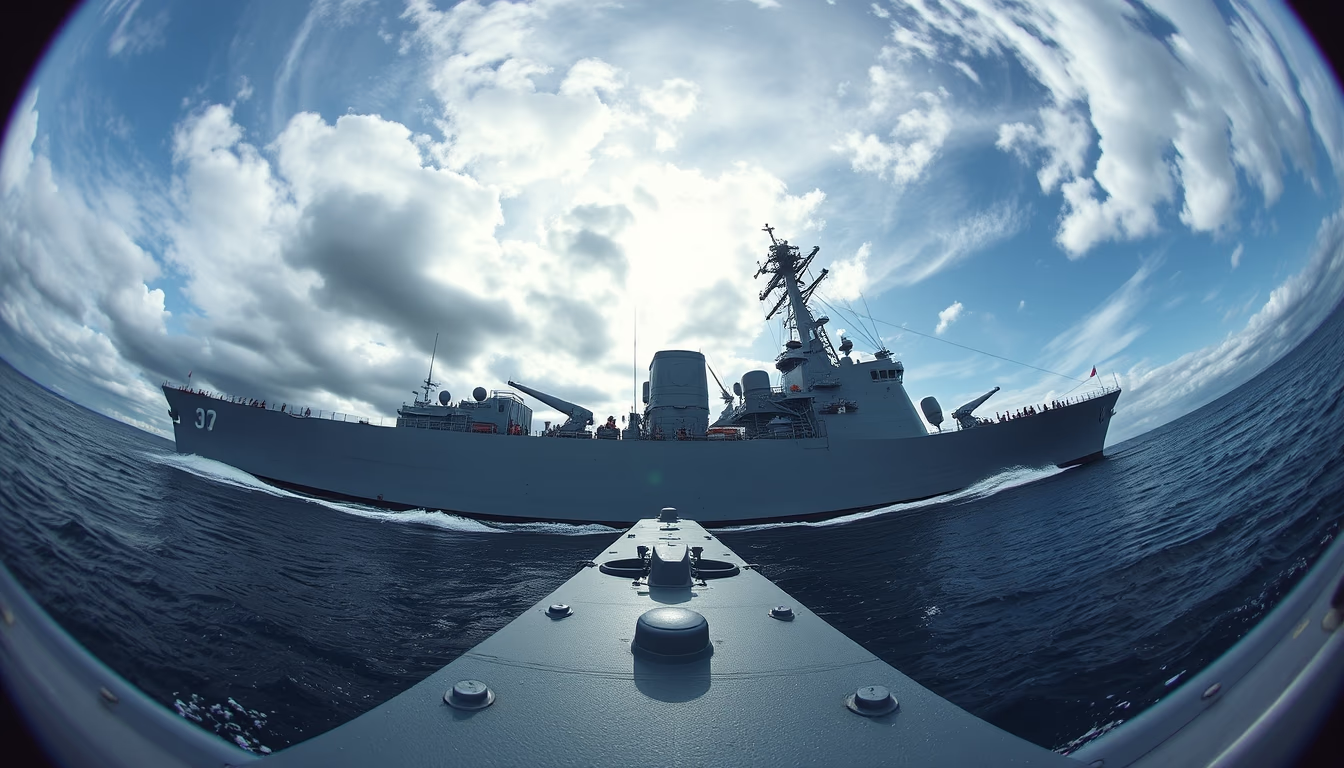
A destroyer is a fast, maneuverable warship designed to escort larger fleets and defend against air, surface, and submarine threats.
About this subject
Destroyers originated in the late 19th century as a counter to the threat of torpedo boats, small fast vessels capable of sinking larger warships. Originally called "torpedo boat destroyers," these ships evolved into multirole platforms essential to any modern navy. Today, a typical destroyer displaces between 5,000 and 10,000 tons, achieves speeds exceeding 30 knots (about 55 km/h), and carries a variety of weapon systems, including guided missiles, medium-caliber guns, torpedoes, and helicopters.
The U.S. Navy's Arleigh Burke class is one of the most iconic examples, with over 70 units built since 1991. These ships feature the Aegis combat system, which integrates radars and missiles for networked air defense. Other notable classes include China's Type 052D, the UK's Daring class, and India's Kolkata class. Brazil also operates destroyers, such as the Niterói class, though many have been modernized or replaced by newer frigates.
Tactically, destroyers act as the backbone of a battle group, protecting aircraft carriers and amphibious assault ships against antiship missiles, submarines, and enemy aircraft. Their ability to conduct multiple missions simultaneously makes them indispensable in modern conflicts, from the Falklands War to anti-naval operations in the Red Sea. A curious fact is that the largest destroyer ever built is Japan's Maya class, with a standard displacement of 8,200 tons, equipped with the Aegis system and capable of launching antiship ballistic missiles.
Technological evolution continues with the U.S. Zumwalt class, which introduced stealth design and integrated electric propulsion, though only three units were built due to high costs. Meanwhile, future projects like the U.S. DDG(X) and the UK's Type 83 promise integration of lasers, electromagnetic railguns, and artificial intelligence for autonomous operations. The destroyer thus remains a symbol of naval engineering and the ability to project maritime power.
Frequently Asked Questions
What is the difference between a destroyer and a frigate?
Generally, destroyers are larger, faster, and more heavily armed than frigates, with a greater focus on air defense and fleet escort. Frigates are often specialized in anti-submarine warfare and patrol, though the distinctions have become blurred.
How many destroyers does Brazil currently have?
The Brazilian Navy no longer operates classic destroyers; the former Niterói class has been reclassified as frigates. Currently, Brazil's fleet includes modern frigates of the Tamandaré class under construction.
Which is the most powerful destroyer in the world?
The U.S. Zumwalt class is considered the most technologically advanced, featuring stealth and integrated electric propulsion, but its effectiveness is debated. The Arleigh Burke class, due to its numbers and Aegis capability, remains the backbone of the U.S. fleet.
Direct URL
https://pub-c7d6a6ea828543ac903a74a341ccb2e1.r2.dev/imagens/destroyer-naval-ship-fish-eye-wide-angle-p10.avifHow to credit
Include a visible link back to UtilizAí. Copy one of the snippets below:
<a href="https://xn--utiliza-eza.com/en/midia/imagens/destroyer-naval-ship-fish-eye-wide-angle-p10">Destroyer naval ship</a> by <a href="https://xn--utiliza-eza.com">UtilizAí</a>, licensed under <a href="https://creativecommons.org/licenses/by/4.0/">CC BY 4.0</a>.
[Destroyer naval ship](https://xn--utiliza-eza.com/en/midia/imagens/destroyer-naval-ship-fish-eye-wide-angle-p10) by [UtilizAí](https://xn--utiliza-eza.com), CC BY 4.0
License: CC-BY-4.0