Dead vlei namibia trees
1344×768 · AVIF · CC BY 4.0
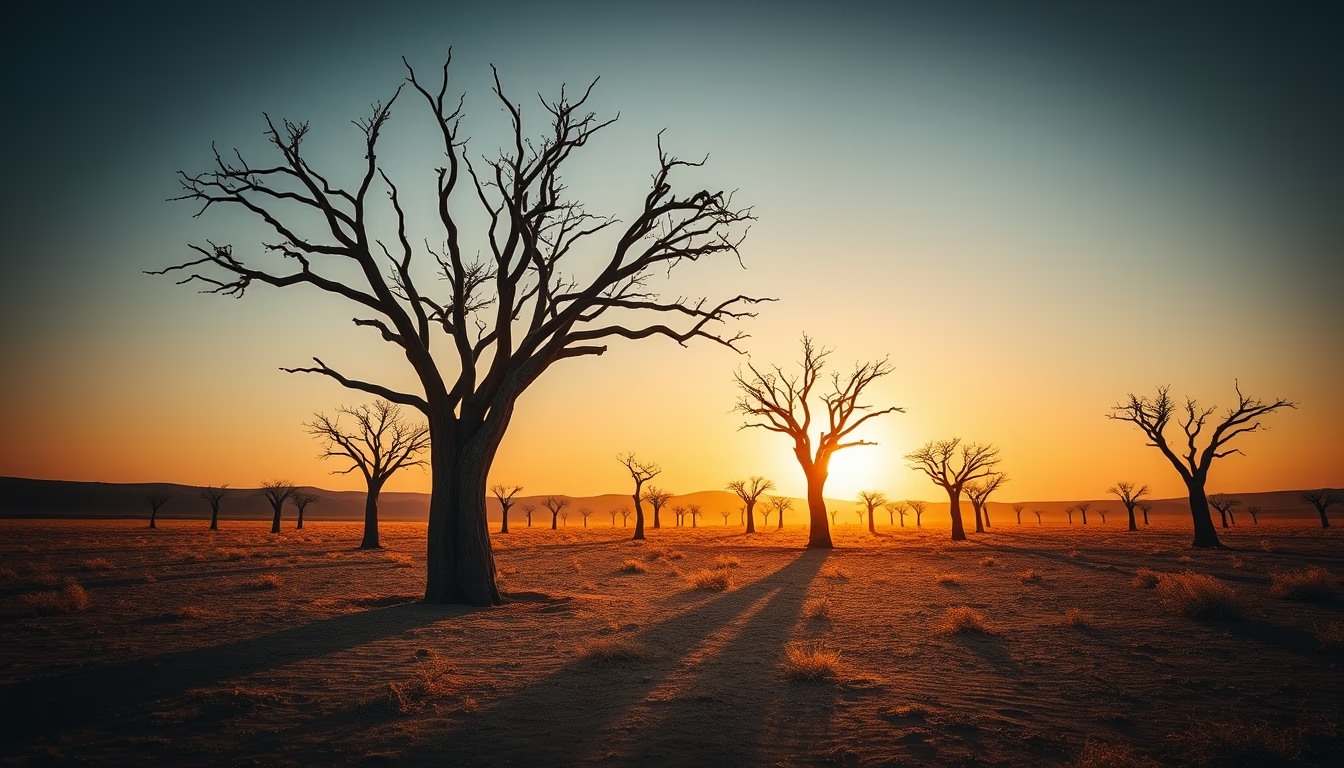
Dead Vlei, located in the Namib Desert, is a white clay pan with dead camel thorn trees dating back about 900 years.
About this subject
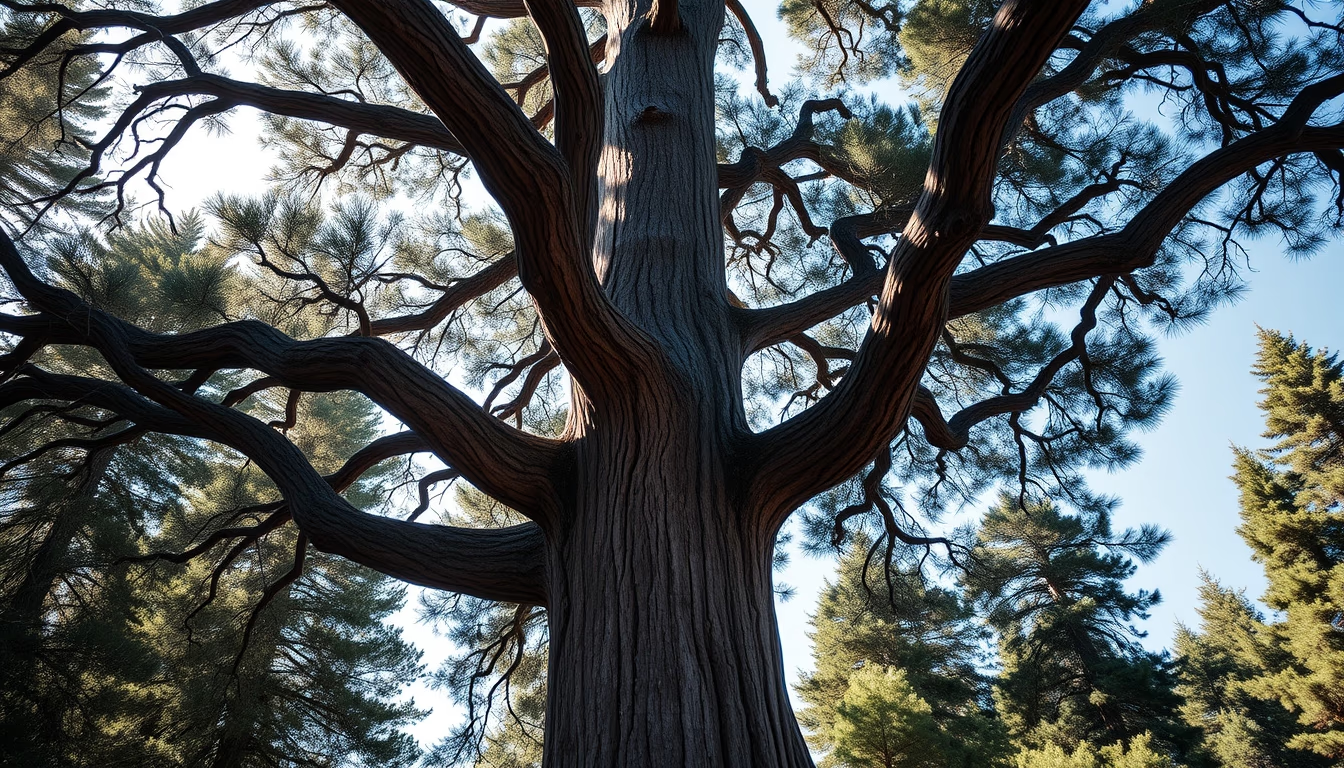
Dead Vlei is one of the most iconic landscapes in the Namib Desert of Namibia. Located near Sossusvlei and the famous Dune 45, this white clay pan contrasts sharply with the orange dunes around and the dead camel thorn trees (Vachellia erioloba) that stand out with their twisted, sun-darkened branches. It is estimated that these trees died about 900 years ago when the climate became drier and the Tsauchab River ceased to flood the area, cutting off the water supply. The lack of decomposition in the extremely arid environment preserved the trees, which remain standing as witnesses to a wetter past.
The name "Dead Vlei" comes from the English word "dead" and the Afrikaans word "vlei" (seasonally flooded plain). Although it appears desolate, the area hosts microbial life and some adapted insects. The surrounding dunes, some over 300 meters high, are shaped by constant winds. Dead Vlei is a popular tourist destination, especially at sunrise and sunset when the light enhances the contrasting colors. The region is part of the Namib-Naukluft National Park, one of the largest conservation areas in Africa.
Interestingly, the dead trees are not fossils but preserved wood that has not rotted due to extreme aridity. The soil composition is rich in limestone and salt, forming a hard crust. The nearest dune, known as "Big Daddy," is one of the tallest in the world at about 325 meters. Dead Vlei has served as a backdrop for films and photo shoots, including magazine covers and music videos. Despite its alien appearance, the site is accessible via dirt road and requires a 4x4 vehicle or a tourist transfer from the main parking lot.
Frequently Asked Questions
Where is Dead Vlei located and how to get there?
Dead Vlei is located in the Namib Desert of Namibia, near Sossusvlei. Access is via a dirt road from the Namib-Naukluft National Park gate, requiring a 4x4 vehicle or tourist transfer for the last 4 km of soft sand.
Why are the trees in Dead Vlei dead and preserved?
The trees died about 900 years ago due to climate change that dried up the Tsauchab River. The extreme aridity of the desert prevents decomposition, preserving the wood which becomes darkened by sun exposure.
What is the best time to visit Dead Vlei?
The best time is during the winter months (May to September) when temperatures are mild. Sunrise and sunset provide ideal light for photographing the contrast between the orange dunes, white pan, and dark trees.
Direct URL
https://pub-c7d6a6ea828543ac903a74a341ccb2e1.r2.dev/imagens/dead-vlei-namibia-trees-cinematic-wide-shot-p3.avifHow to credit
Include a visible link back to UtilizAí. Copy one of the snippets below:
<a href="https://xn--utiliza-eza.com/en/midia/imagens/dead-vlei-namibia-trees-cinematic-wide-shot-p3">Dead vlei namibia trees</a> by <a href="https://xn--utiliza-eza.com">UtilizAí</a>, licensed under <a href="https://creativecommons.org/licenses/by/4.0/">CC BY 4.0</a>.
[Dead vlei namibia trees](https://xn--utiliza-eza.com/en/midia/imagens/dead-vlei-namibia-trees-cinematic-wide-shot-p3) by [UtilizAí](https://xn--utiliza-eza.com), CC BY 4.0
License: CC-BY-4.0