Cuneiform sumerian tablet
1344×768 · AVIF · CC BY 4.0
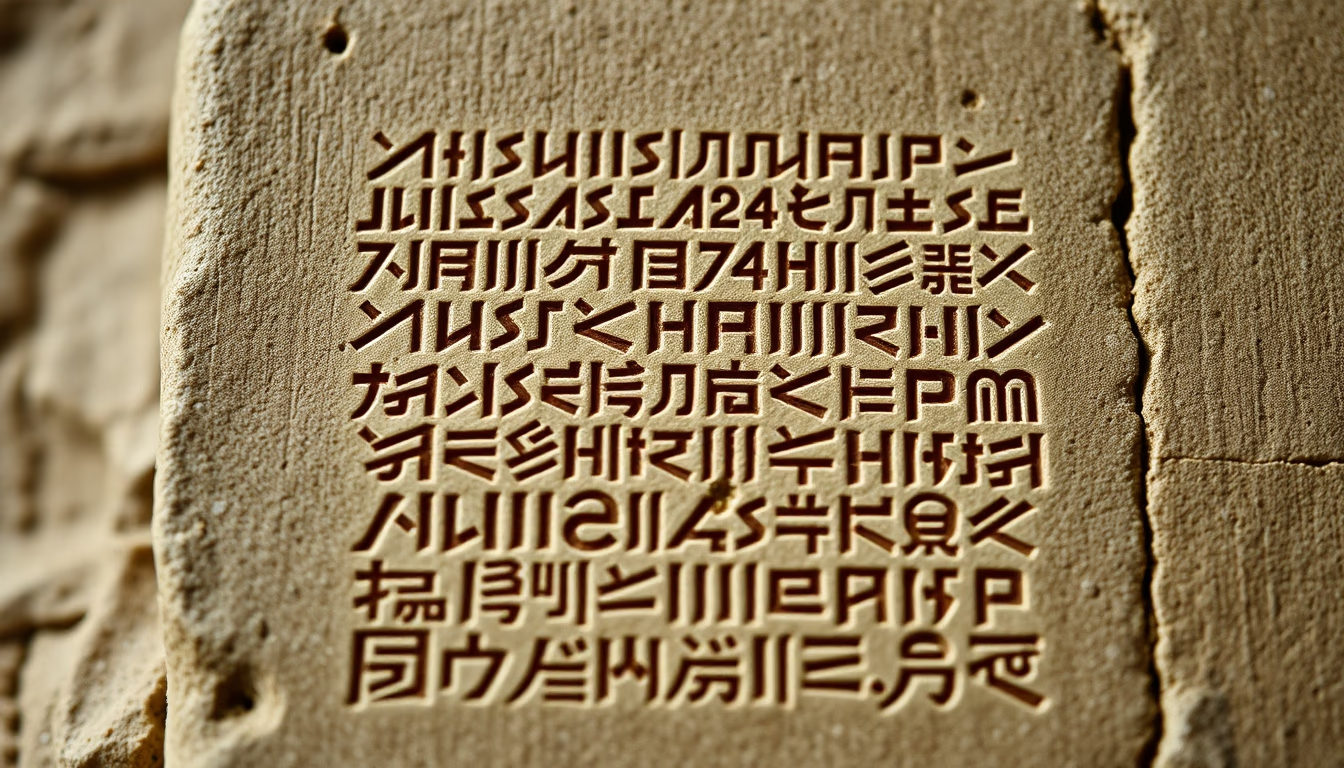
Clay tablet inscribed with Sumerian cuneiform, one of humanity's earliest writing systems, originating in Mesopotamia.
About this subject
Cuneiform writing was developed by the Sumerians around 3400 BCE in Mesopotamia, modern-day Iraq. Wedge-shaped marks were impressed onto moist clay tablets using a reed stylus, which were then dried in the sun or baked. This script recorded everything from commercial transactions and laws to epic poems, such as the Epic of Gilgamesh.
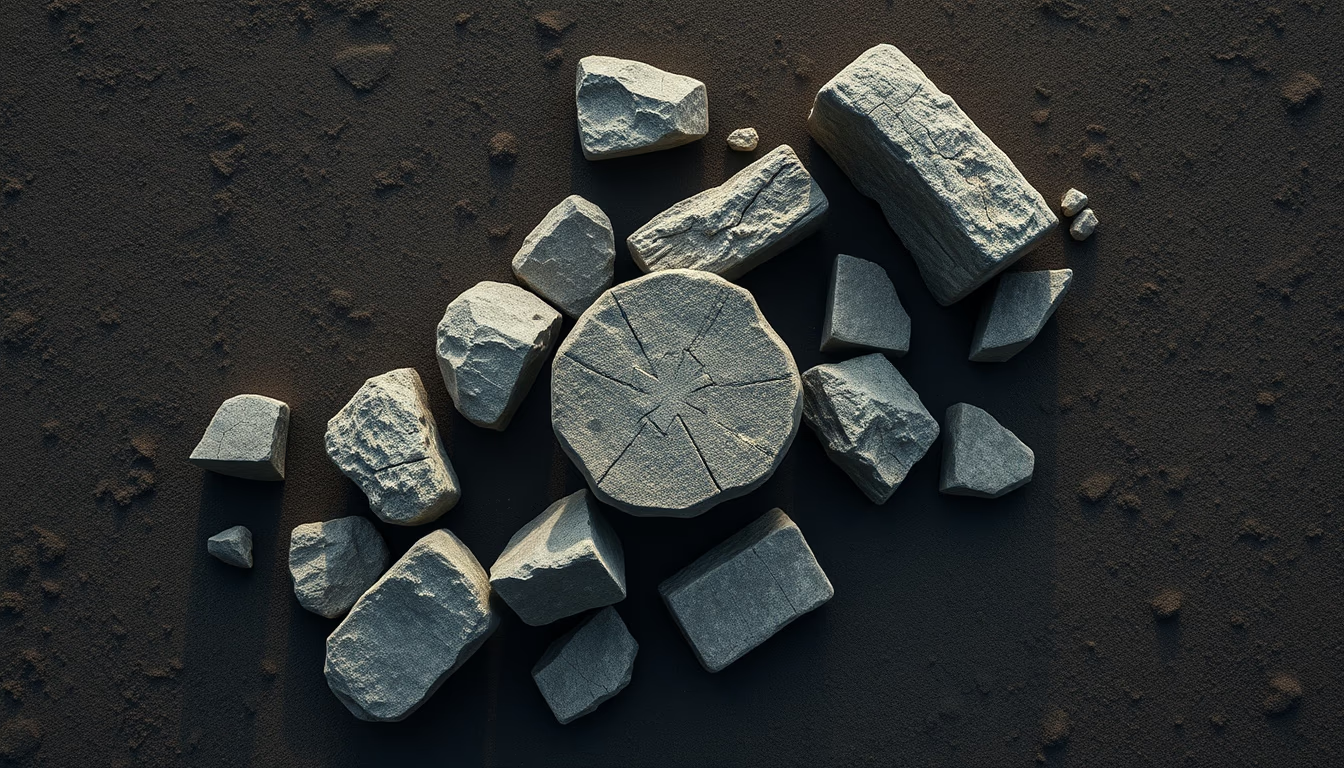
Tablets varied in size, from small fragments to large slabs. Clay was abundant and durable, allowing thousands of tablets to survive for millennia. Early inscriptions were pictographic but evolved into abstract symbols representing syllables and ideas. Cuneiform was later adapted by the Akkadians, Babylonians, and Assyrians, influencing other scripts in the Near East.
The decipherment of cuneiform began in the 19th century, led by scholars like Henry Rawlinson and Julius Oppert, using trilingual inscriptions such as the Behistun Inscription. Today, museums like the British Museum and the Louvre house vast collections. These tablets provide crucial insights into daily life, religion, economy, and politics of early urban civilizations.
Cuneiform's legacy is immense: it laid the foundations for written accounting, literature, and law. Many tablets remain untranslated, and new technologies like 3D imaging help read previously illegible texts. This cultural heritage stands as a testament to human ingenuity and the importance of historical preservation.
Frequently Asked Questions
What is cuneiform writing?
Cuneiform is one of the earliest writing systems, invented by the Sumerians around 3400 BCE in Mesopotamia. It consists of wedge-shaped marks impressed on clay tablets with a stylus. It was used for recording transactions, laws, and literature.
How were clay tablets made?
Tablets were shaped from moist clay, often mixed with straw for durability. A reed or bone stylus was used to incise the cuneiform signs. After writing, tablets were dried in the sun or baked in kilns to harden.
Why are Sumerian tablets important?
They provide primary evidence of life in ancient Mesopotamia, including economy, religion, and administration. Tablets like the Epic of Gilgamesh reveal beliefs and values. They also help understand the evolution of writing and bureaucracy.
Direct URL
https://pub-c7d6a6ea828543ac903a74a341ccb2e1.r2.dev/imagens/cuneiform-sumerian-tablet-lo-fi-disposable-camera-fresh17.avifHow to credit
Include a visible link back to UtilizAí. Copy one of the snippets below:
<a href="https://xn--utiliza-eza.com/en/midia/imagens/cuneiform-sumerian-tablet-lo-fi-disposable-camera-fresh17">Cuneiform sumerian tablet</a> by <a href="https://xn--utiliza-eza.com">UtilizAí</a>, licensed under <a href="https://creativecommons.org/licenses/by/4.0/">CC BY 4.0</a>.
[Cuneiform sumerian tablet](https://xn--utiliza-eza.com/en/midia/imagens/cuneiform-sumerian-tablet-lo-fi-disposable-camera-fresh17) by [UtilizAí](https://xn--utiliza-eza.com), CC BY 4.0
License: CC-BY-4.0