Crampons mountaineering
1344×768 · AVIF · CC BY 4.0
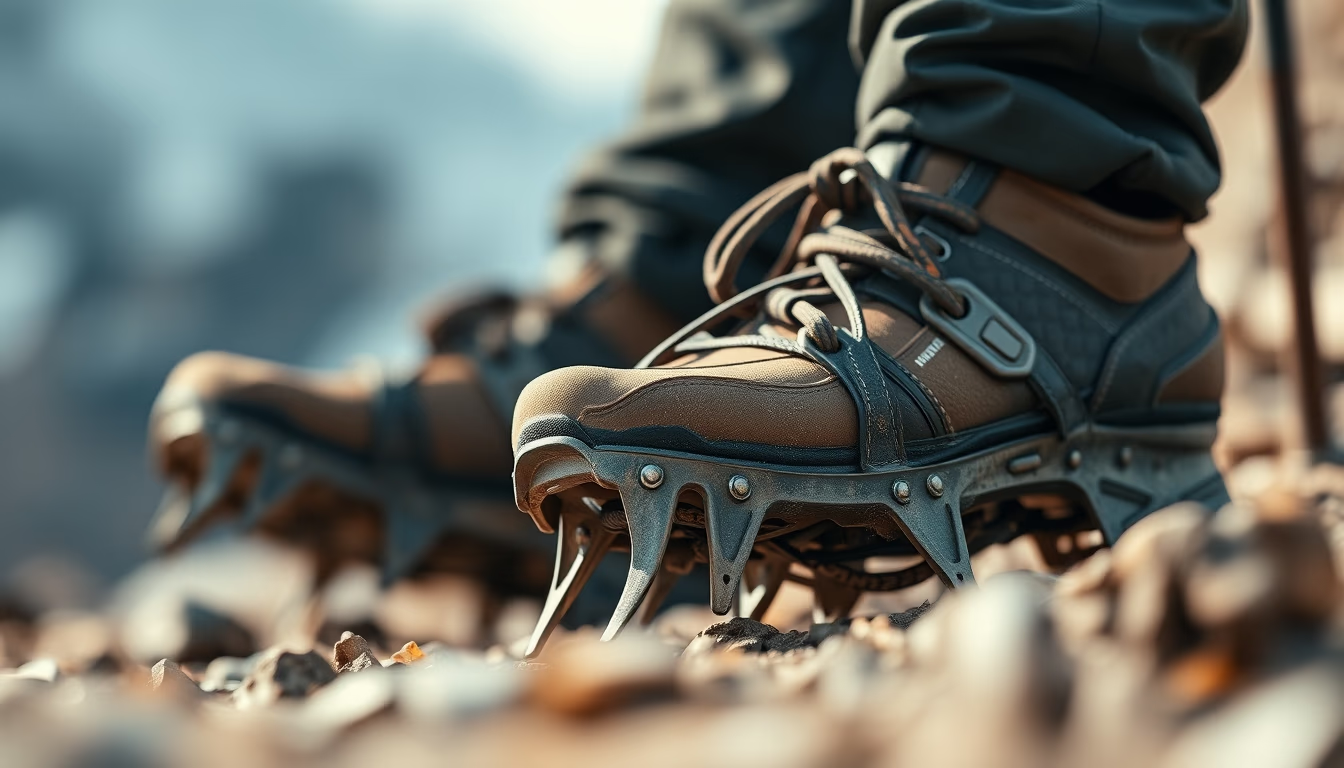
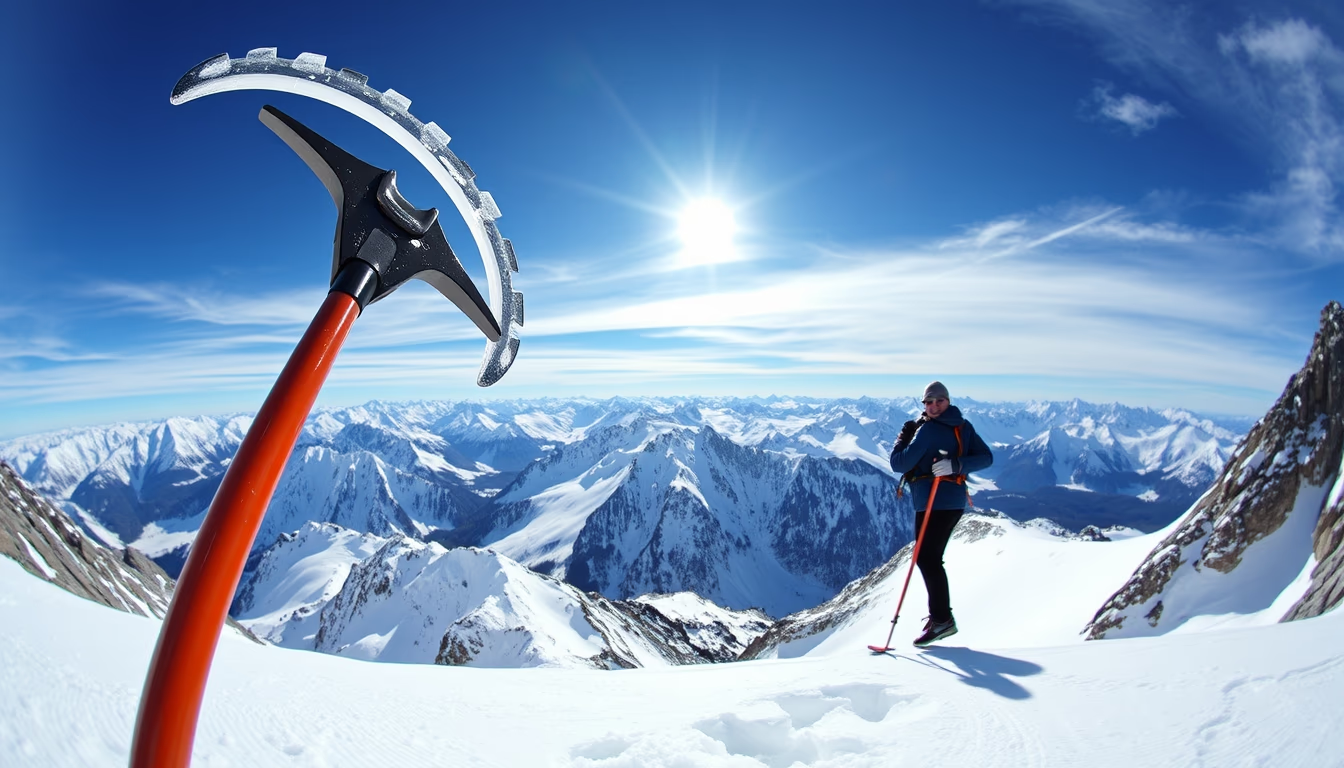
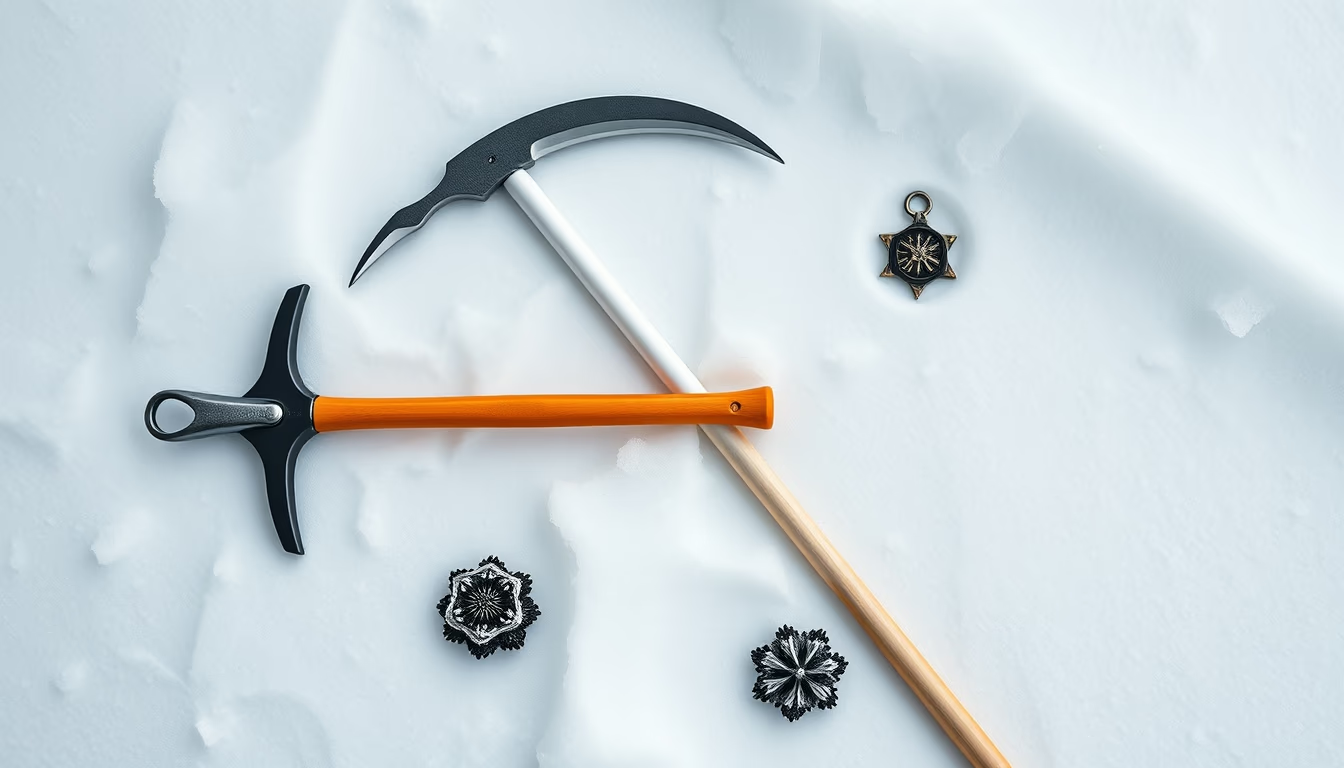
Crampons are essential equipment for mountaineering and ice climbing, providing traction and safety on snowy and glacial surfaces.
About this subject
Crampons are metal devices with spikes that attach to mountaineering boots to enable safe movement on ice and compact snow. Originating in the 19th century, they were refined by climbers like Oscar Eckenstein, who created the modern ten-point design in 1908. Today, variations include 12- or 14-point crampons for different technical challenges.
Attachment methods range from strap-on systems to semi-automatic and automatic bindings that lock onto specific boots. Materials are typically stainless steel or aluminum alloys, balancing strength and weight. In expeditions to the Himalayas or the Andes, proper crampon use dramatically reduces fall risk.
Interestingly, crampon choice depends not only on terrain but also on temperature: harder ice calls for more aggressive spikes, while softer snow requires wider points. Regular maintenance, such as sharpening spikes, is vital for effectiveness. Experienced climbers advise training before attempting technical routes.
In Brazil, mountaineering in ranges like Mantiqueira and Serra do Mar may require crampons on serac sections or during harsh winters. Though less common than in Alpine countries, the practice is growing, with specialized courses available at training centers.
Frequently Asked Questions
What is the difference between 10-point and 12-point crampons?
10-point crampons are suitable for moderate terrain like soft snow and gentle glaciers, while 12-point crampons offer extra grip on steep ice and mixed routes, with front points for vertical ice climbing.
How do I choose the right crampon for my boot?
Match the crampon binding to your boot sole: automatic bindings require boots with toe and heel welts. For boots without welts, use strap-on or semi-automatic systems. Ensure boot stiffness to prevent crampon detachment.
Do crampons need sharpening?
Yes. Dull points reduce traction and increase slip risk. Use a file or sharpening stone after heavy use or rock contact. Maintaining the original spike shape is critical for safety.
Direct URL
https://pub-c7d6a6ea828543ac903a74a341ccb2e1.r2.dev/imagens/crampons-mountaineering-macro-closeup-fresh6.avifHow to credit
Include a visible link back to UtilizAí. Copy one of the snippets below:
<a href="https://xn--utiliza-eza.com/en/midia/imagens/crampons-mountaineering-macro-closeup-fresh6">Crampons mountaineering</a> by <a href="https://xn--utiliza-eza.com">UtilizAí</a>, licensed under <a href="https://creativecommons.org/licenses/by/4.0/">CC BY 4.0</a>.
[Crampons mountaineering](https://xn--utiliza-eza.com/en/midia/imagens/crampons-mountaineering-macro-closeup-fresh6) by [UtilizAí](https://xn--utiliza-eza.com), CC BY 4.0
License: CC-BY-4.0