Chinese calligraphy brush stroke
1344×768 · AVIF · CC BY 4.0
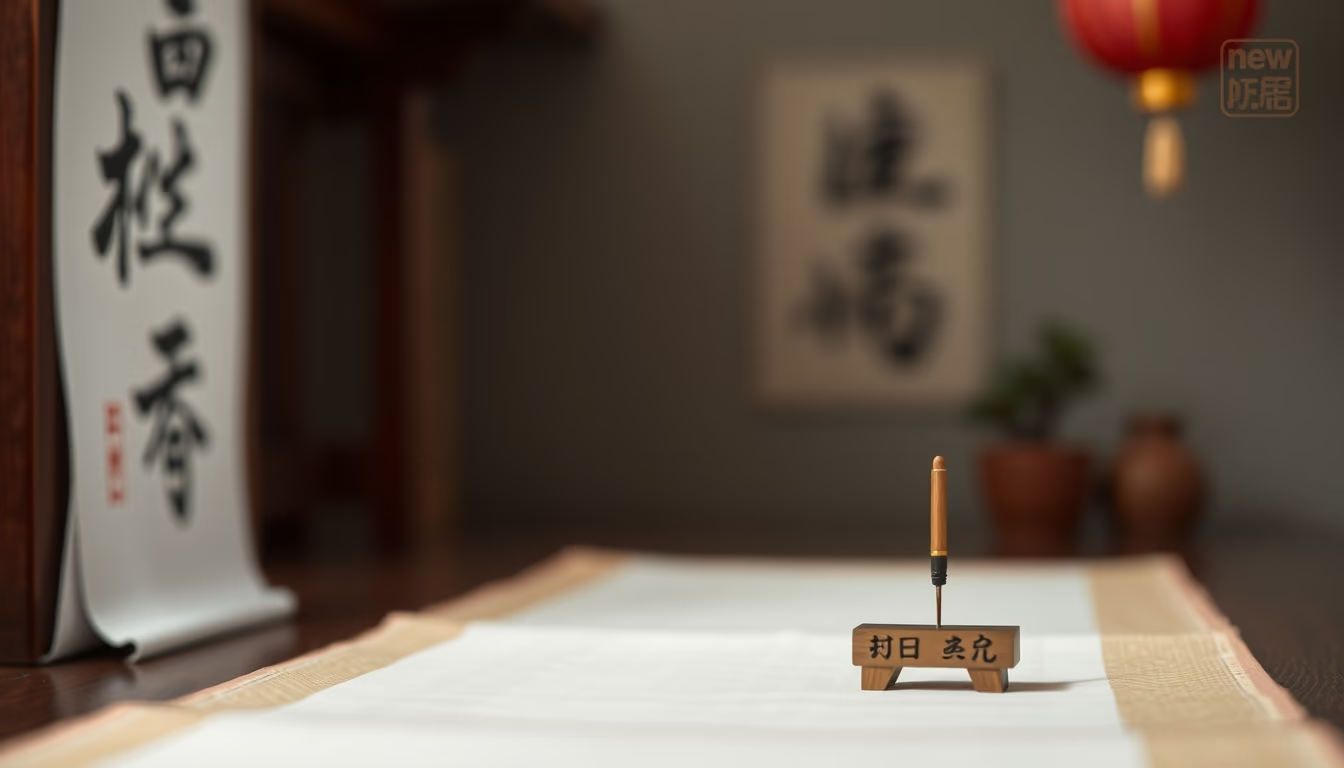
Chinese calligraphy, revered as the pinnacle of visual art in East Asia, embodies the harmony between brushstroke and spirit.
About this subject
Chinese calligraphy, or shūfǎ, is an ancient artistic practice that transforms writing into aesthetic and philosophical expression. Its origins date back to oracle bone inscriptions of the Shang dynasty (1600, 1046 BCE), evolving into styles such as seal (zhuànshū), cursive (cǎoshū), and regular (kǎishū). Each stroke carries intention and rhythm, reflecting the calligrapher's personality.
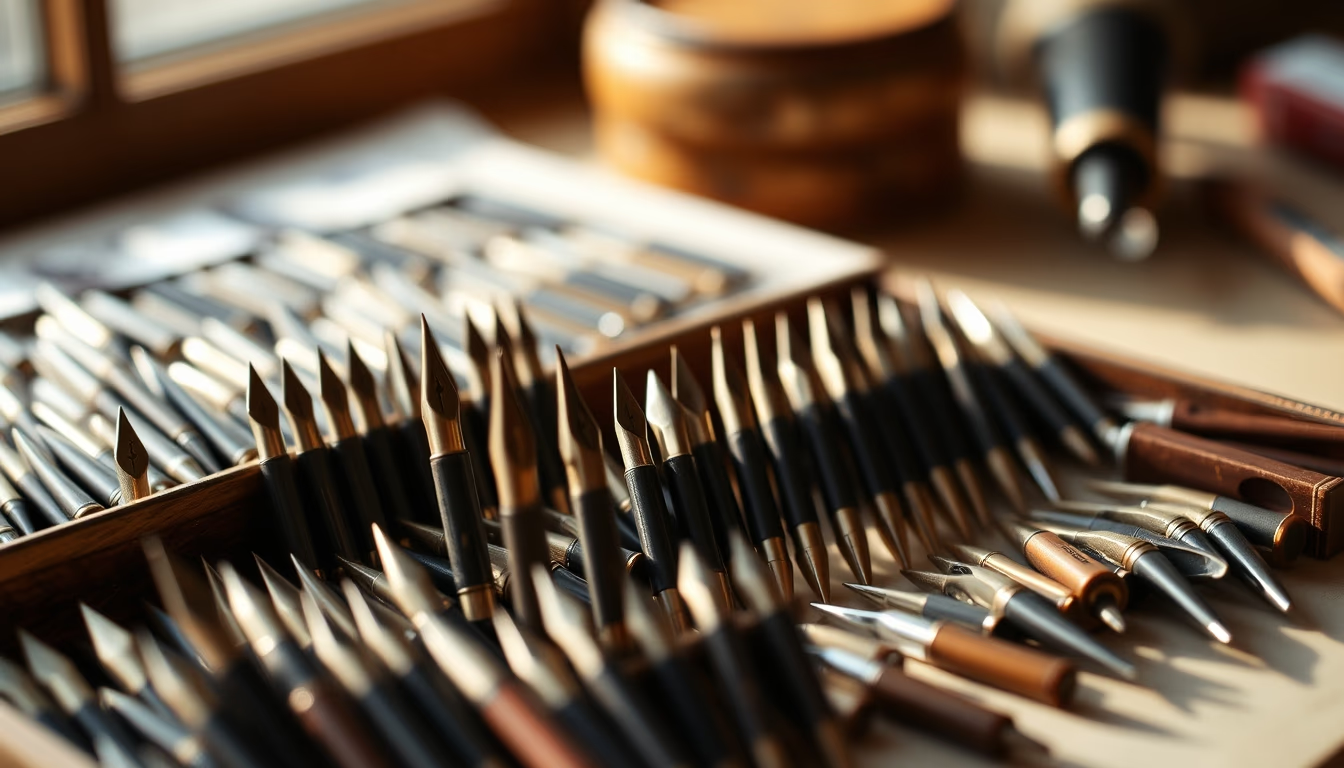
The technique requires mastery of the soft brush, ink stick, and rice paper. Pressure, speed, and brush angle determine the thickness and fluidity of strokes. The artist's body movement and breath integrate into the act of writing, turning calligraphy into a moving meditation.
Culturally, calligraphy is inseparable from Chinese painting, poetry, and philosophy. Confucius viewed it as a moral discipline, while Taoism saw the spontaneity of the stroke as an expression of the Tao. Calligraphic works are appreciated not only for the text but for the vital energy (qì) they convey.
In contemporary times, Chinese calligraphy remains vibrant in schools, exhibitions, and even digital design. Artists experiment with non-traditional materials and fusions with Western art, while preserving the essence of seeking harmony between gesture and meaning.
Frequently Asked Questions
What are the main styles of Chinese calligraphy?
The main styles are seal (zhuànshū), used for seals; cursive (cǎoshū), fast and flowing; regular (kǎishū), the most standardized; and running (xíngshū), intermediate between regular and cursive. Each requires specific technique and expression.
Why is calligraphy important in Chinese culture?
Calligraphy is regarded as one of the highest art forms in China, alongside painting and poetry. It reflects the writer's personality and morality, and serves as a meditative practice that cultivates patience and focus.
How can I learn Chinese calligraphy?
Start with the regular style (kǎishū) to master basic strokes. Use proper brush, ink, and rice paper. Practice posture and breathing. Study works of masters and attend in-person or online classes if possible.
Direct URL
https://pub-c7d6a6ea828543ac903a74a341ccb2e1.r2.dev/imagens/chinese-calligraphy-brush-stroke-tilt-shift-miniature-fresh1.avifHow to credit
Include a visible link back to UtilizAí. Copy one of the snippets below:
<a href="https://xn--utiliza-eza.com/en/midia/imagens/chinese-calligraphy-brush-stroke-tilt-shift-miniature-fresh1">Chinese calligraphy brush stroke</a> by <a href="https://xn--utiliza-eza.com">UtilizAí</a>, licensed under <a href="https://creativecommons.org/licenses/by/4.0/">CC BY 4.0</a>.
[Chinese calligraphy brush stroke](https://xn--utiliza-eza.com/en/midia/imagens/chinese-calligraphy-brush-stroke-tilt-shift-miniature-fresh1) by [UtilizAí](https://xn--utiliza-eza.com), CC BY 4.0
License: CC-BY-4.0