Chinese calligraphy brush stroke
1344×768 · AVIF · CC BY 4.0
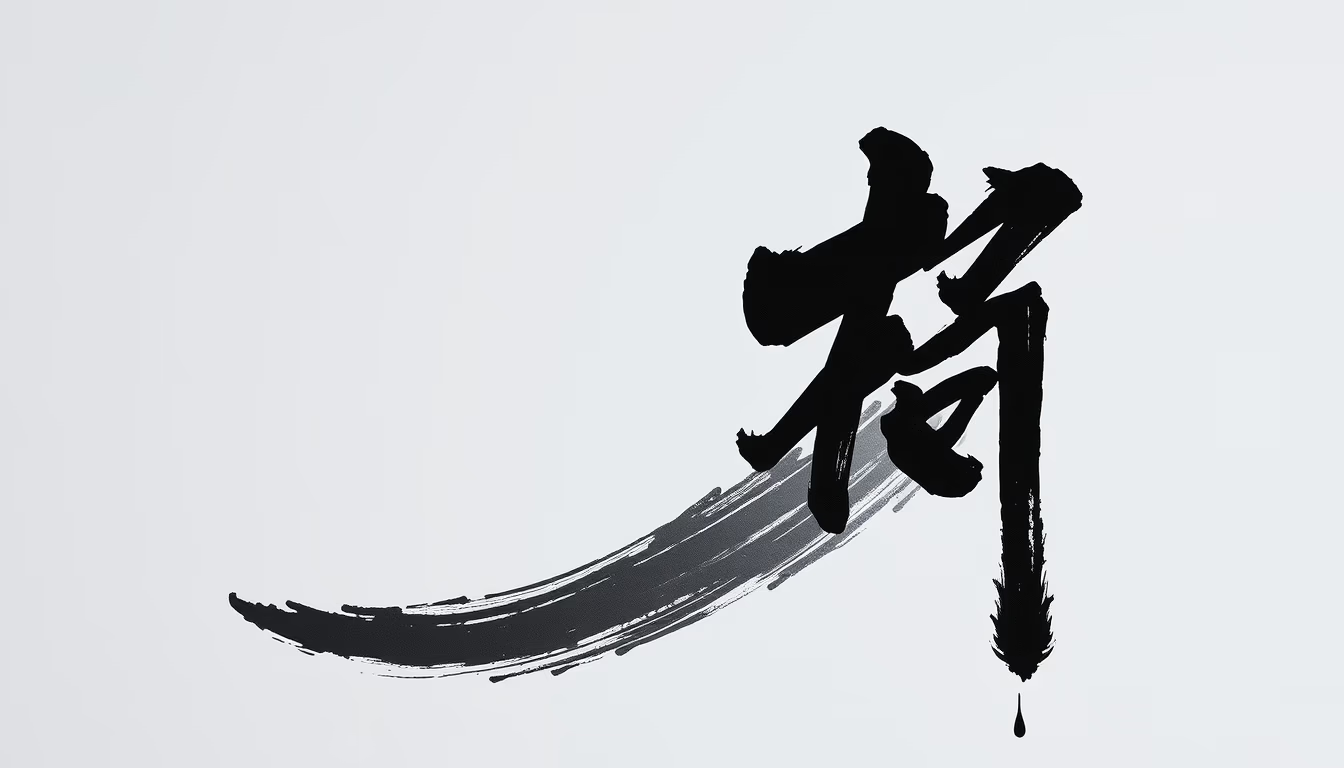
Chinese calligraphy brush strokes, an ancient art that combines technique, aesthetics, and philosophy in every line.
About this subject
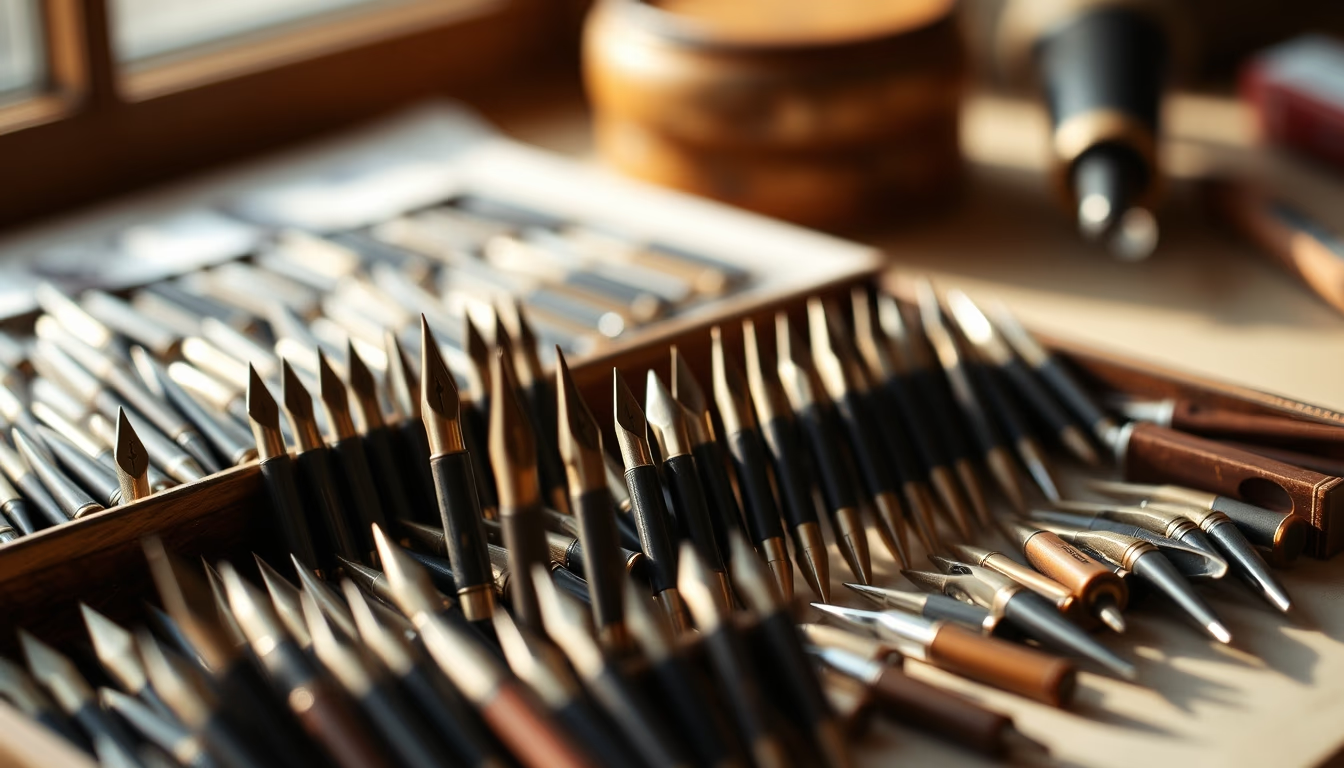
Chinese calligraphy is a visual art form that uses brushes to create characters with expression and beauty. Each brush stroke is carefully controlled, varying in thickness, pressure, and direction to convey emotion and meaning. The four treasures of the study are the brush, ink, rice paper, and inkstone, essential materials for practice.
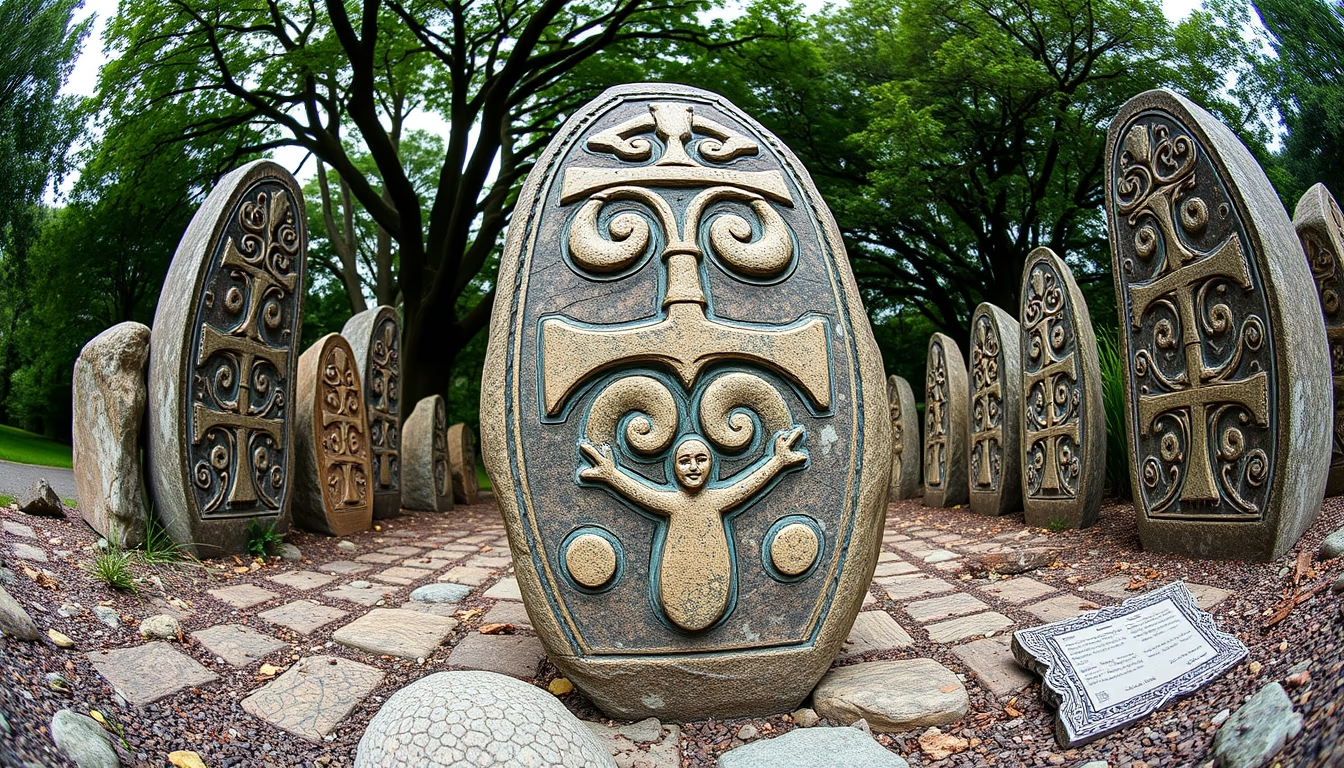
The history of Chinese calligraphy dates back thousands of years, evolving from oracle bone script to modern styles. The main styles include seal, clerical, regular, running, and cursive, each with its own rules and characteristics. Calligraphy is not just a form of writing but an artistic expression valued as highly as painting.
Brush stroke technique is central to calligraphy. The calligrapher uses movements from the whole arm, not just the wrist, to produce fluid and dynamic strokes. The brush tip can be used in various ways, such as center stroke, side stroke, or hook stroke, depending on the character. Speed and applied force directly influence the final result.
Beyond aesthetic value, Chinese calligraphy holds deep cultural significance. It is considered one of the highest forms of classical Chinese art, alongside poetry and painting. Many calligraphers are poets and philosophers, using their art to convey teachings and emotions. Practicing calligraphy is also a form of meditation and mental discipline.
Frequently Asked Questions
What are the main styles of Chinese calligraphy?
The main styles are: seal (zhuanshu), clerical (lishu), regular (kaishu), running (xingshu), and cursive (caoshu). Each has distinct stroke characteristics and historical usage.
Why is the brush stroke important in Chinese calligraphy?
The brush stroke is crucial because it determines the expression and quality of the work. Techniques such as pressure, speed, and brush angle create variations in thickness and fluidity, conveying emotion and energy.
What materials are used in Chinese calligraphy?
The four treasures of the study: brush (bi), ink stick (mo), rice paper (zhi), and inkstone (yan). The brush is often made from animal hair, and ink is ground on the inkstone with water.
Direct URL
https://pub-c7d6a6ea828543ac903a74a341ccb2e1.r2.dev/imagens/chinese-calligraphy-brush-stroke-studio-editorial-portrait-fresh5.avifHow to credit
Include a visible link back to UtilizAí. Copy one of the snippets below:
<a href="https://xn--utiliza-eza.com/en/midia/imagens/chinese-calligraphy-brush-stroke-studio-editorial-portrait-fresh5">Chinese calligraphy brush stroke</a> by <a href="https://xn--utiliza-eza.com">UtilizAí</a>, licensed under <a href="https://creativecommons.org/licenses/by/4.0/">CC BY 4.0</a>.
[Chinese calligraphy brush stroke](https://xn--utiliza-eza.com/en/midia/imagens/chinese-calligraphy-brush-stroke-studio-editorial-portrait-fresh5) by [UtilizAí](https://xn--utiliza-eza.com), CC BY 4.0
License: CC-BY-4.0