Chinese calligraphy brush stroke
1344×768 · AVIF · CC BY 4.0
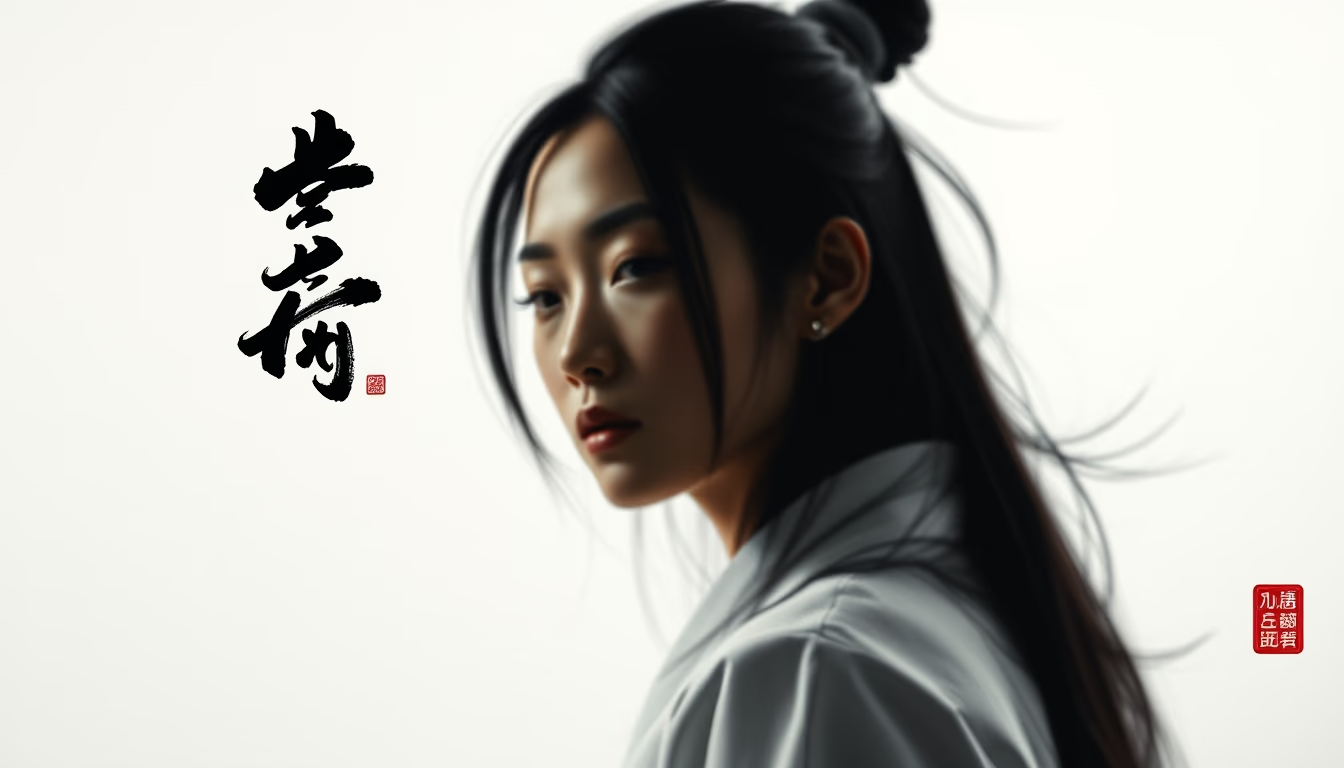
The brush stroke in Chinese calligraphy is an ancient artistic expression combining technique, precision, and Eastern philosophy.
About this subject
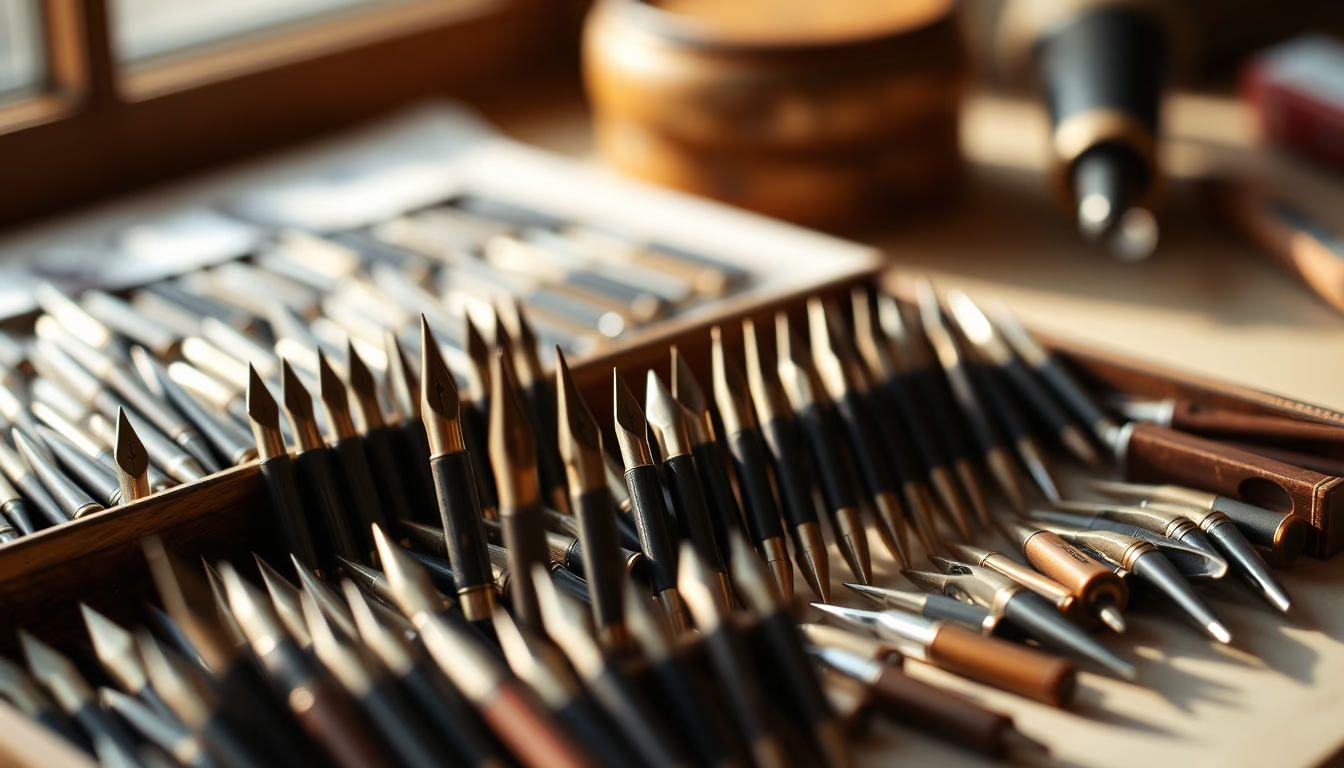
Chinese calligraphy, or shūfǎ, is one of China's most revered art forms, with origins dating back over 4,000 years. Each brush stroke carries intention and energy, known as qi. Unlike Western writing, Chinese calligraphy emphasizes arm movement and the artist's breath, turning characters into dynamic visual compositions. Traditional materials include the brush (毛笔), ink stick (墨), ink stone (砚), and rice paper (宣纸).
Brush stroke technique varies by calligraphic style. The five main styles are: seal (篆书), clerical (隶书), regular (楷书), running (行书), and cursive (草书). Regular style requires firm, vertical strokes, while cursive allows greater fluidity and abstraction. Great masters like Wang Xizhi (303-361 AD) are celebrated for strokes that seem to dance on paper, influencing generations.
Culturally, calligraphy is more than writing: it is a meditative practice and a symbol of intellectual status. During the Tang dynasty, imperial exams required calligraphic skill. Today, it is appreciated in exhibitions and modern design. Each unique brush stroke reflects the artist's state of mind, impossible to replicate exactly.
Frequently Asked Questions
What are the most common styles of Chinese calligraphy?
The five main styles are seal (篆书), clerical (隶书), regular (楷书), running (行书), and cursive (草书). The regular style is most used for learning, while cursive is more expressive and abstract.
How to hold the brush correctly in Chinese calligraphy?
The brush is held vertically with the thumb, index, and middle fingers, while the ring and little fingers stabilize the base. Pressure and angle vary depending on the desired stroke.
Why is Chinese calligraphy considered a high art form?
Because it demands technical mastery, aesthetic sensitivity, and spiritual connection. Each stroke is unique and reflects the artist's personality and emotion, often compared to visual poetry.
Direct URL
https://pub-c7d6a6ea828543ac903a74a341ccb2e1.r2.dev/imagens/chinese-calligraphy-brush-stroke-fine-art-photography-fresh9.avifHow to credit
Include a visible link back to UtilizAí. Copy one of the snippets below:
<a href="https://xn--utiliza-eza.com/en/midia/imagens/chinese-calligraphy-brush-stroke-fine-art-photography-fresh9">Chinese calligraphy brush stroke</a> by <a href="https://xn--utiliza-eza.com">UtilizAí</a>, licensed under <a href="https://creativecommons.org/licenses/by/4.0/">CC BY 4.0</a>.
[Chinese calligraphy brush stroke](https://xn--utiliza-eza.com/en/midia/imagens/chinese-calligraphy-brush-stroke-fine-art-photography-fresh9) by [UtilizAí](https://xn--utiliza-eza.com), CC BY 4.0
License: CC-BY-4.0