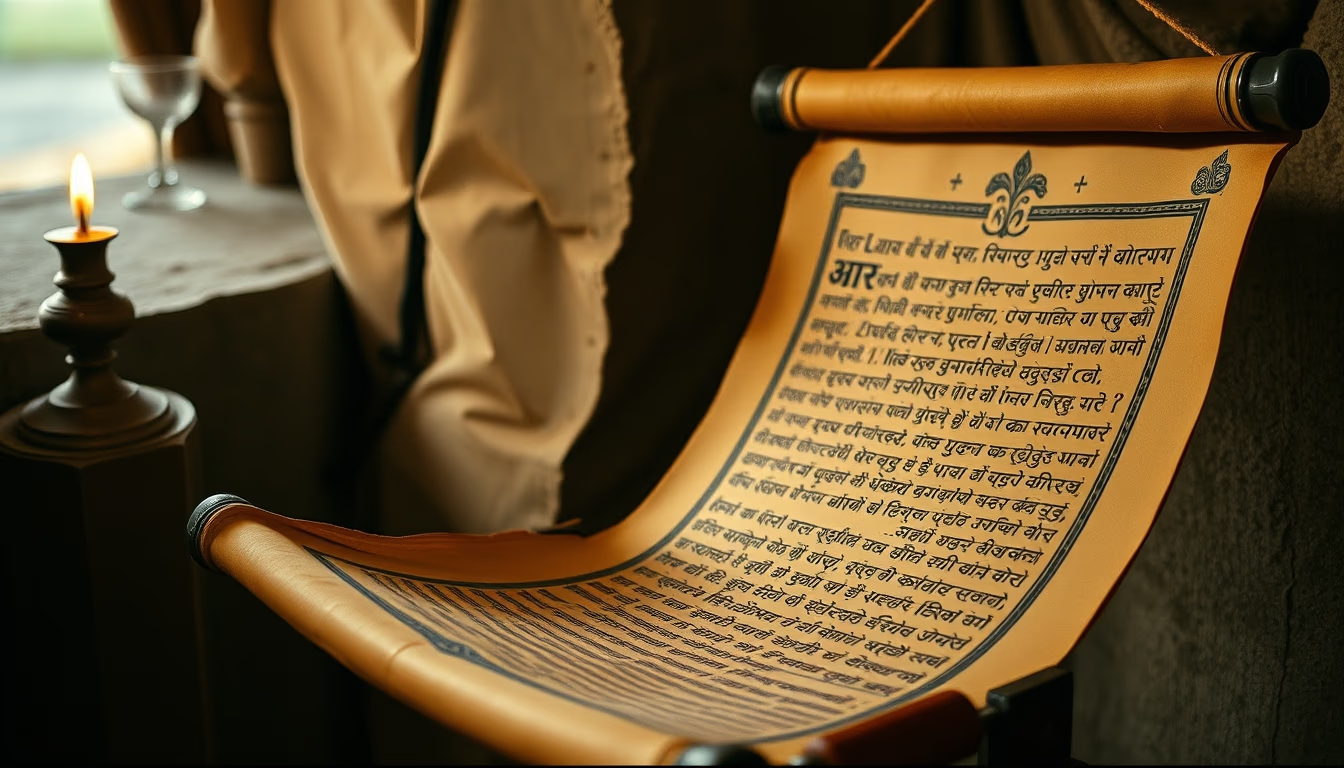
Chinese calligraphy brush stroke
1344×768 · AVIF · CC BY 4.0
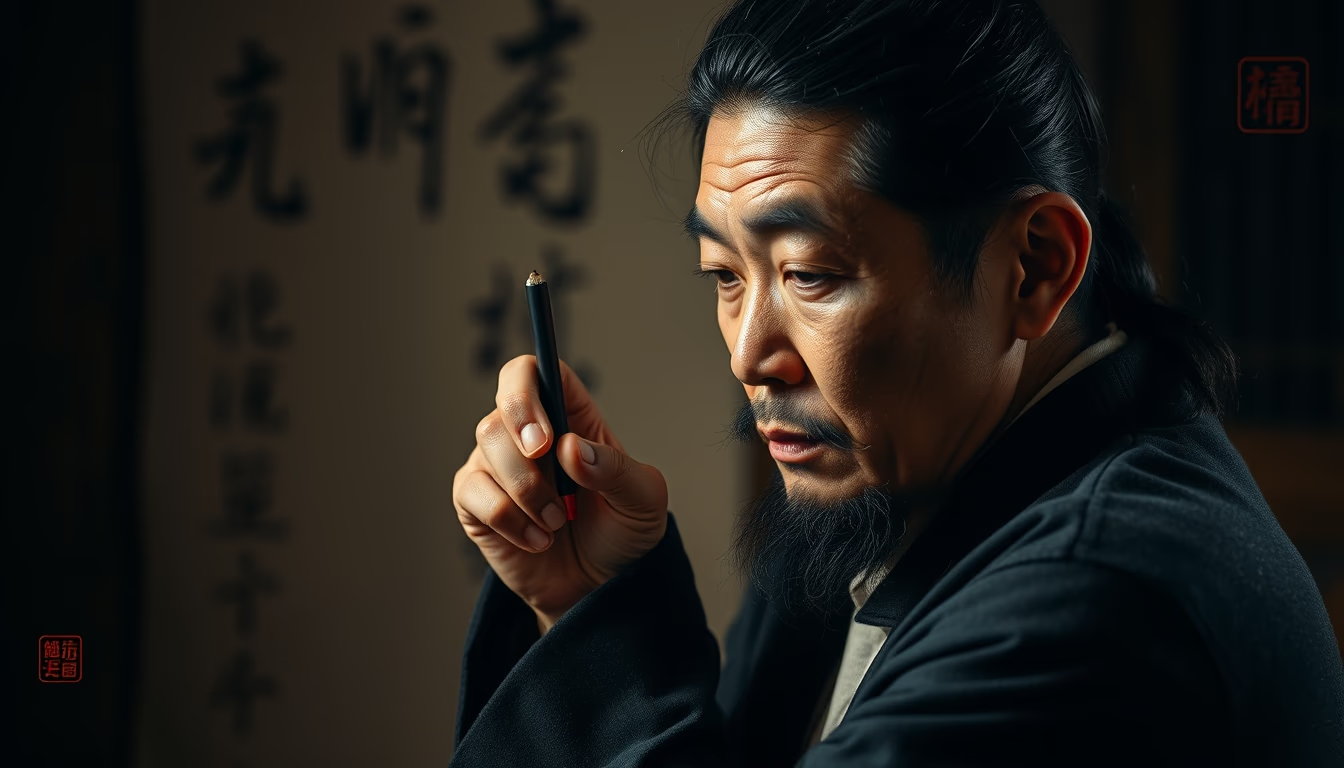
Chinese calligraphy brush stroke: an ancient technique turning characters into expressive cultural art.
About this subject
Chinese calligraphy is a visual art form that uses brushes and ink to write Chinese characters. Originating over two thousand years ago during the Han dynasty (206 BC, 220 AD), it evolved from practical record-keeping into an aesthetic expression. Each stroke (笔画) follows strict rules of order, pressure, and breathing, resulting in works that mirror the calligrapher's personality and mood.
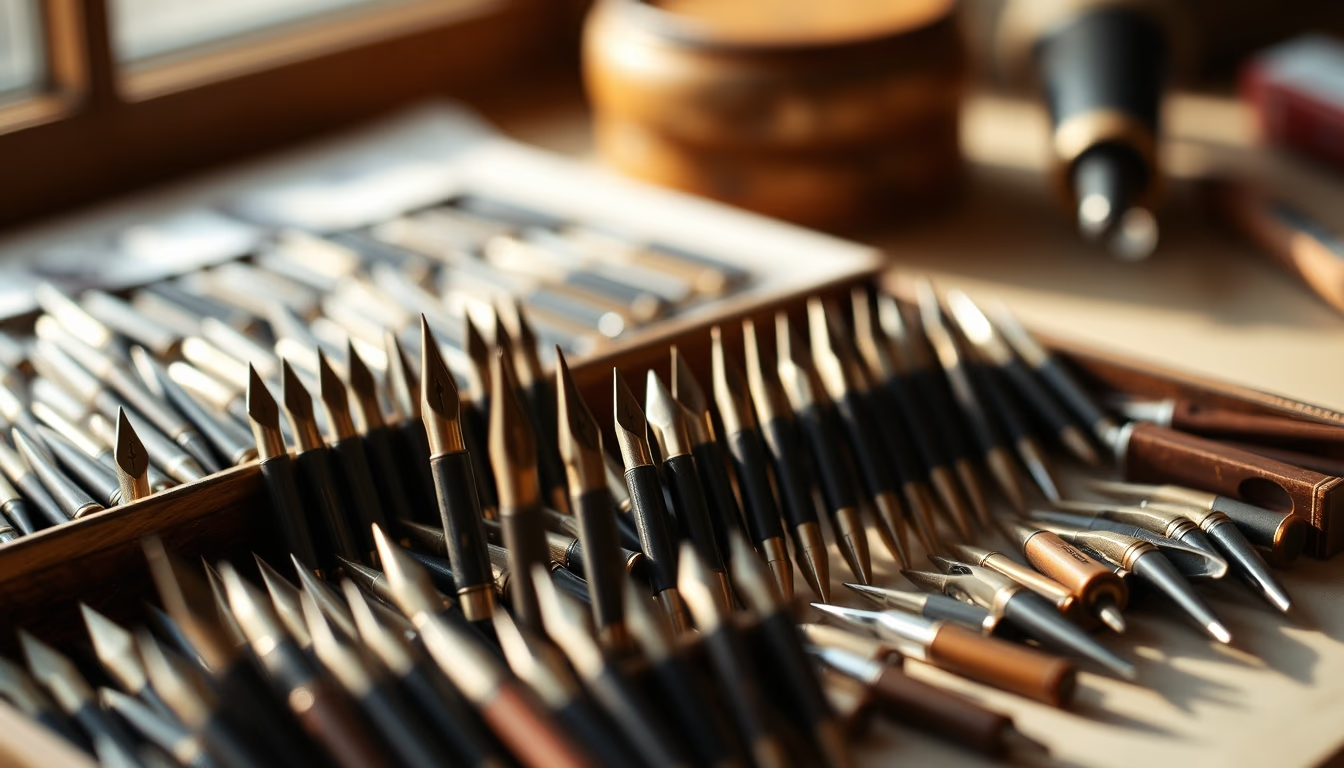
Classic styles range from seal script (篆書), clerical script (隸書), cursive script (草書), running script (行書), to regular script (楷書). The stroke itself is studied in thickness, speed, and angle. Tools like the brush (毛筆), ink stick (墨), inkstone (硯), and rice paper (宣紙) form the Four Treasures of the Study. Mastery of stroke technique requires years of practice and familiarity with classical literature and philosophy.
Culturally, Chinese calligraphy was recognized by UNESCO as Intangible Cultural Heritage of Humanity in 2009. It is not merely writing but a discipline uniting mind and body, influencing Chinese painting and modern design. Notably, famed calligraphers like Wang Xizhi (4th century) are celebrated for their fluid and innovative strokes, which continue to be copied and studied.
Today, Chinese calligraphy is practiced worldwide, both as art and meditation. Workshops and exhibitions promote its knowledge, and digital tools simulate traditional strokes, keeping the ancient heritage alive. The beauty of a well-executed stroke lies in the balance between strength and lightness, chaos and order, reflecting Taoist harmony.
Frequently Asked Questions
What are the main styles of Chinese calligraphy?
The five classic styles are seal script (zhuanshu), clerical script (lishu), cursive script (caoshu), running script (xingshu), and regular script (kaishu). Each has unique stroke characteristics and purposes.
What are the Four Treasures of the Study?
They are the essential tools: brush (maobi), ink stick (mo), inkstone (yan), and rice paper (xuanzhi). The quality of these materials directly affects the outcome of the stroke.
How does the brush stroke reflect the calligrapher's personality?
In Chinese calligraphy, the speed, pressure, and fluidity of the stroke express emotions and character. A firm stroke indicates determination, a gentle stroke suggests serenity, and variations reveal the mood at the time of writing.
Direct URL
https://pub-c7d6a6ea828543ac903a74a341ccb2e1.r2.dev/imagens/chinese-calligraphy-brush-stroke-documentary-photography-fresh3.avifHow to credit
Include a visible link back to UtilizAí. Copy one of the snippets below:
<a href="https://xn--utiliza-eza.com/en/midia/imagens/chinese-calligraphy-brush-stroke-documentary-photography-fresh3">Chinese calligraphy brush stroke</a> by <a href="https://xn--utiliza-eza.com">UtilizAí</a>, licensed under <a href="https://creativecommons.org/licenses/by/4.0/">CC BY 4.0</a>.
[Chinese calligraphy brush stroke](https://xn--utiliza-eza.com/en/midia/imagens/chinese-calligraphy-brush-stroke-documentary-photography-fresh3) by [UtilizAí](https://xn--utiliza-eza.com), CC BY 4.0
License: CC-BY-4.0