Chanterelle yellow forest
1344×768 · AVIF · CC BY 4.0
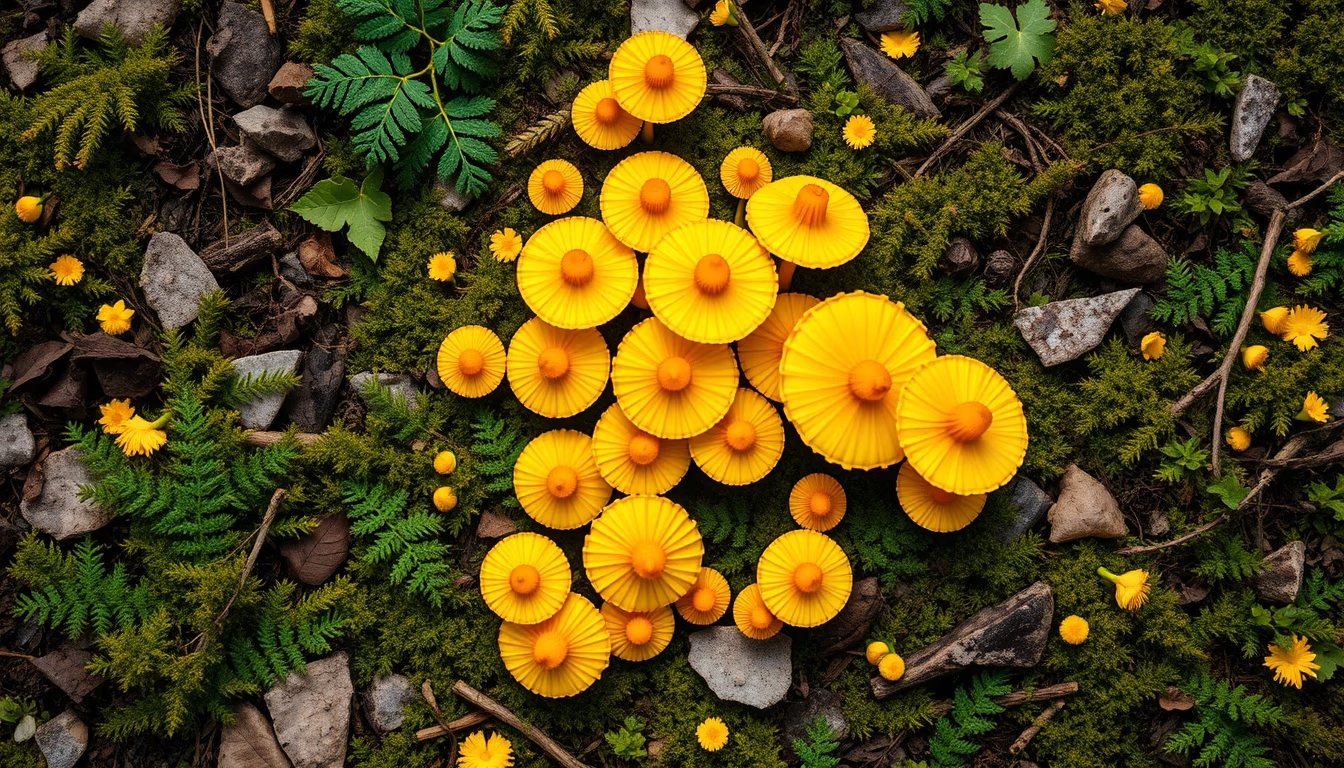
The yellow chanterelle (Cantharellus cibarius) is a highly prized edible mushroom, known for its golden color and fruity aroma.
About this subject
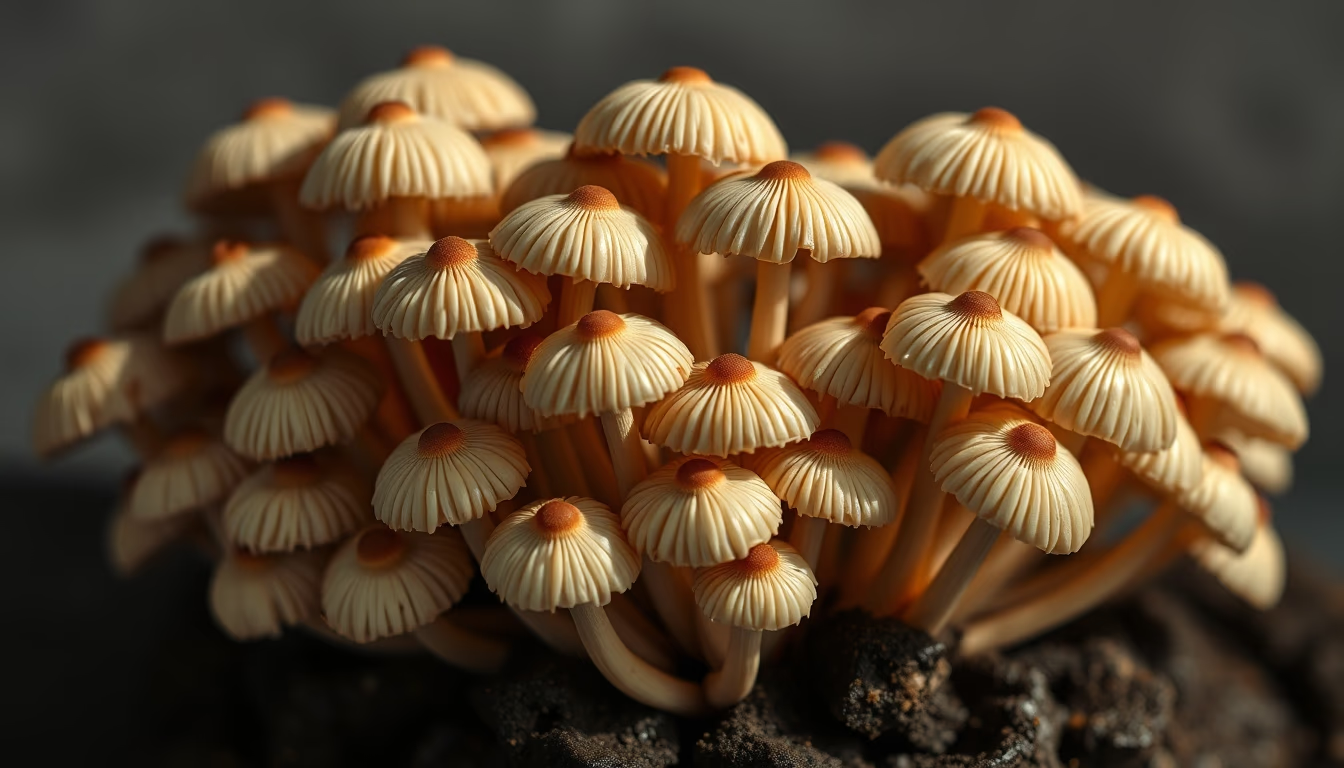
The yellow chanterelle, also known as girolle or Cantharellus cibarius, is a mycorrhizal fungus that forms symbiotic relationships with tree roots, particularly oaks, chestnuts, and pines. Its trumpet-shaped cap with wavy margins and false gills distinguishes it from look-alikes. The color ranges from egg yolk yellow to deep orange, often fading with age. It thrives in temperate forests across Europe, North America, and Asia, preferring moist, well-drained soils with moderate acidity.
Culinary enthusiasts prize chanterelles for their delicate, slightly peppery taste and apricot-like fragrance. They are versatile in dishes such as sautés, soups, and sauces, often paired with butter, cream, and white wine. Unlike many mushrooms, chanterelles hold their shape well when cooked and absorb flavors readily. Nutritional value includes high fiber, potassium, and vitamin D content, especially when exposed to sunlight after harvest.
Historically, chanterelles have been foraged for centuries and appear in European folklore as a symbol of luck. In France, they are a staple of autumnal cuisine, while in Slovenia, they are the national mushroom. Overharvesting and habitat loss pose threats to wild populations, leading to conservation efforts like sustainable picking guidelines and cultivation research. True chanterelles never have true gills; the forked ridges are a key identification feature.
Commercial cultivation remains challenging due to the complex symbiotic requirements. Most chanterelles in markets are wild-harvested, resulting in higher prices and seasonal availability. Modern attempts at semi-cultivation involve inoculating tree seedlings with chanterelle spores, but success is inconsistent, keeping the mushroom primarily a gourmet wild ingredient.
Frequently Asked Questions
How to distinguish true chanterelle from false chanterelle?
True chanterelle (Cantharellus cibarius) has blunt, forked ridges that run down the stem, while the false chanterelle (Omphalotus olearius) has sharp, true gills and glows in the dark due to bioluminescence. False chanterelle is toxic and causes gastrointestinal distress.
What is the best season to harvest chanterelles?
In the Northern Hemisphere, the season runs from June to October, peaking in August and September. A secondary flush may occur in early fall. They appear after moderate rains and mild temperatures, often in groups.
Can I grow chanterelles at home?
Home cultivation is extremely challenging because chanterelles require a symbiotic relationship with living trees. Experimental kits with inoculated tree seedlings exist, but success is rare and takes years. Most chanterelles are wild-harvested.
Direct URL
https://pub-c7d6a6ea828543ac903a74a341ccb2e1.r2.dev/imagens/chanterelle-yellow-forest-isometric-flat-lay-p9.avifHow to credit
Include a visible link back to UtilizAí. Copy one of the snippets below:
<a href="https://xn--utiliza-eza.com/en/midia/imagens/chanterelle-yellow-forest-isometric-flat-lay-p9">Chanterelle yellow forest</a> by <a href="https://xn--utiliza-eza.com">UtilizAí</a>, licensed under <a href="https://creativecommons.org/licenses/by/4.0/">CC BY 4.0</a>.
[Chanterelle yellow forest](https://xn--utiliza-eza.com/en/midia/imagens/chanterelle-yellow-forest-isometric-flat-lay-p9) by [UtilizAí](https://xn--utiliza-eza.com), CC BY 4.0
License: CC-BY-4.0