Chanterelle yellow forest
1344×768 · AVIF · CC BY 4.0
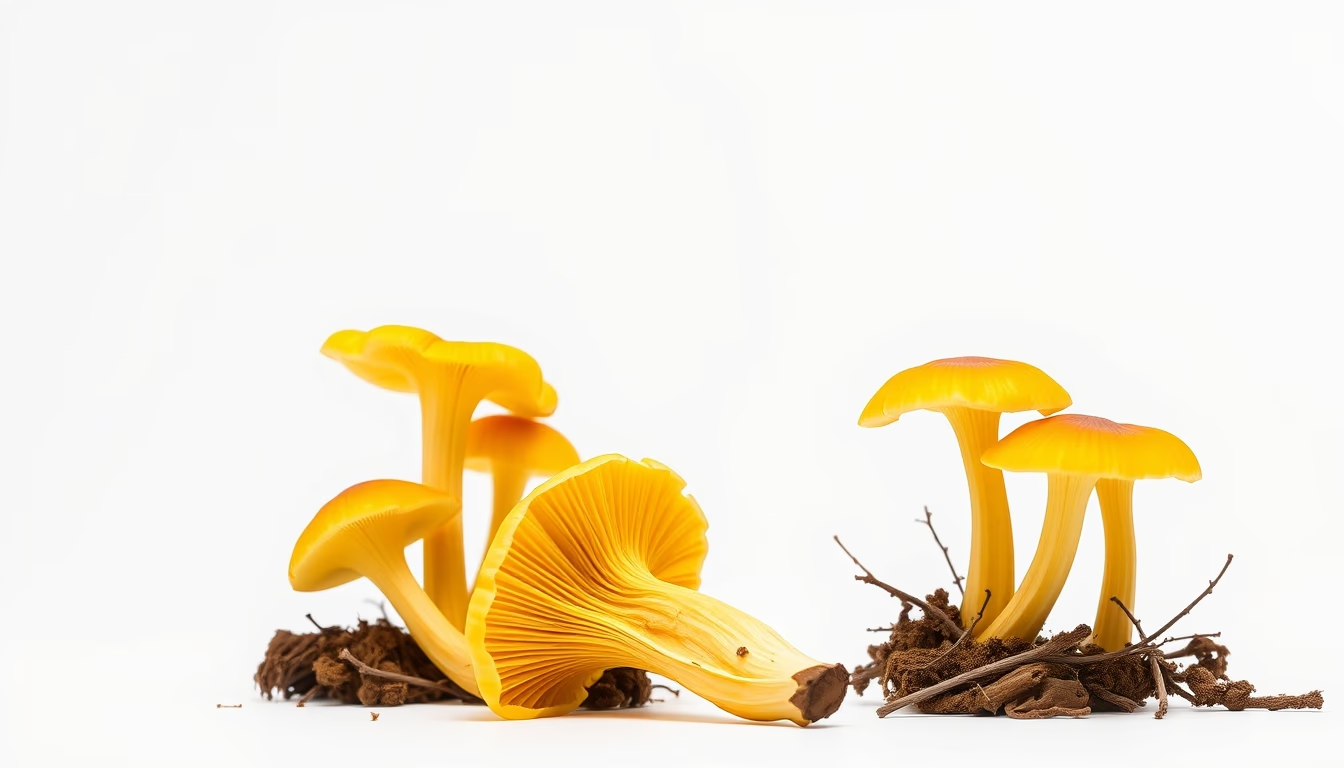
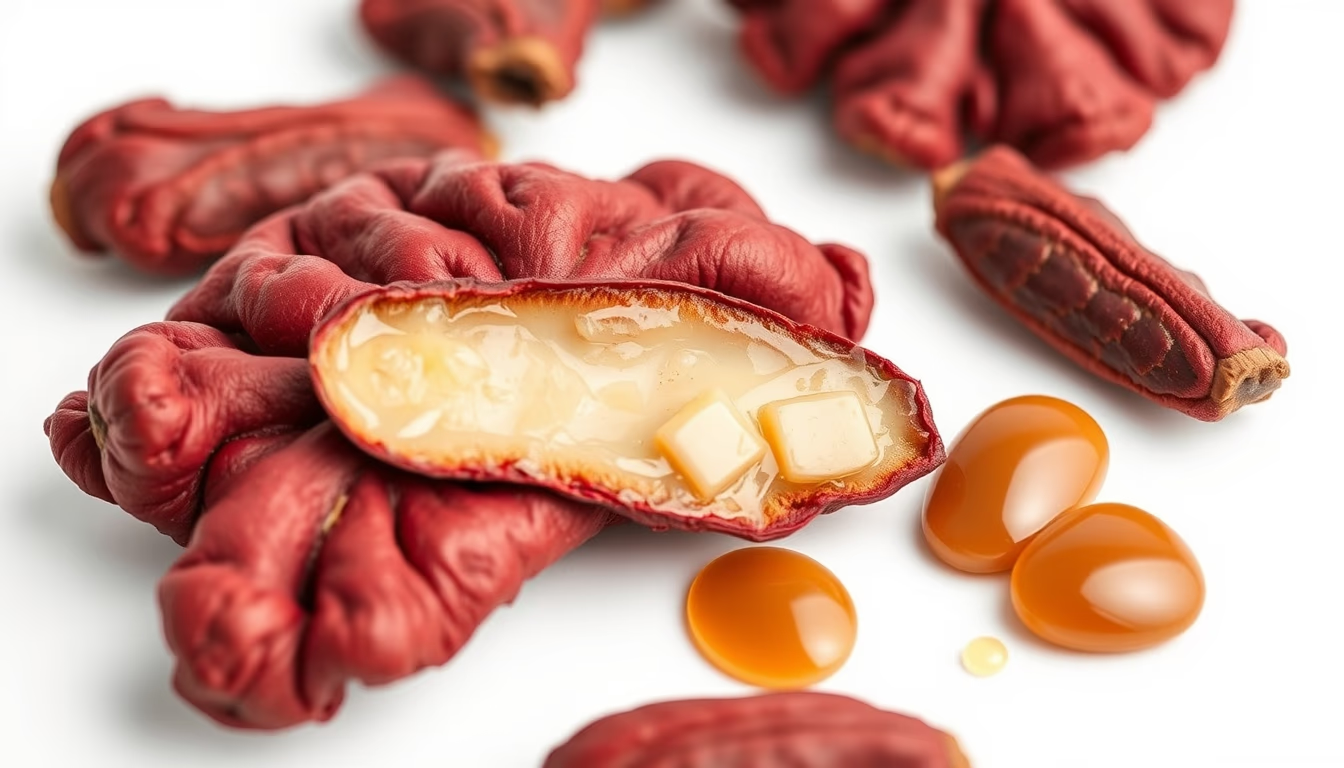
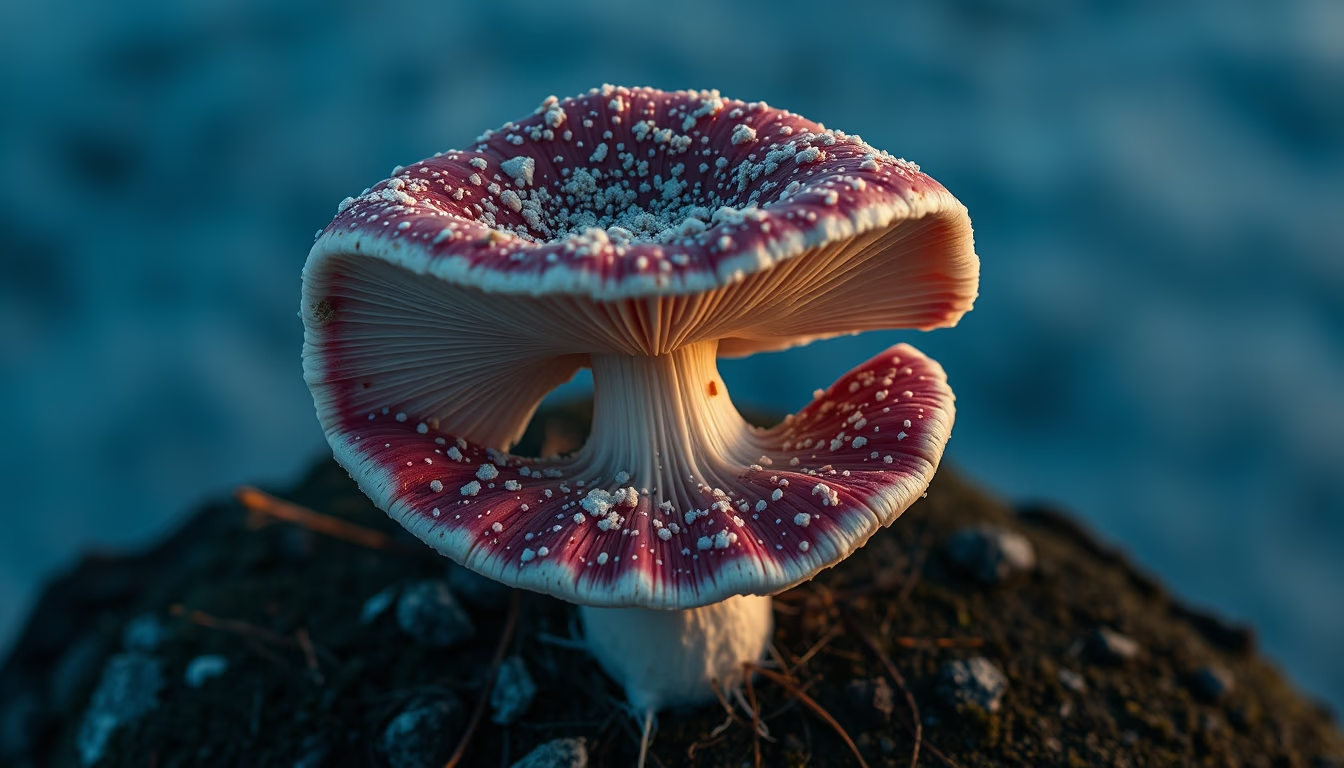
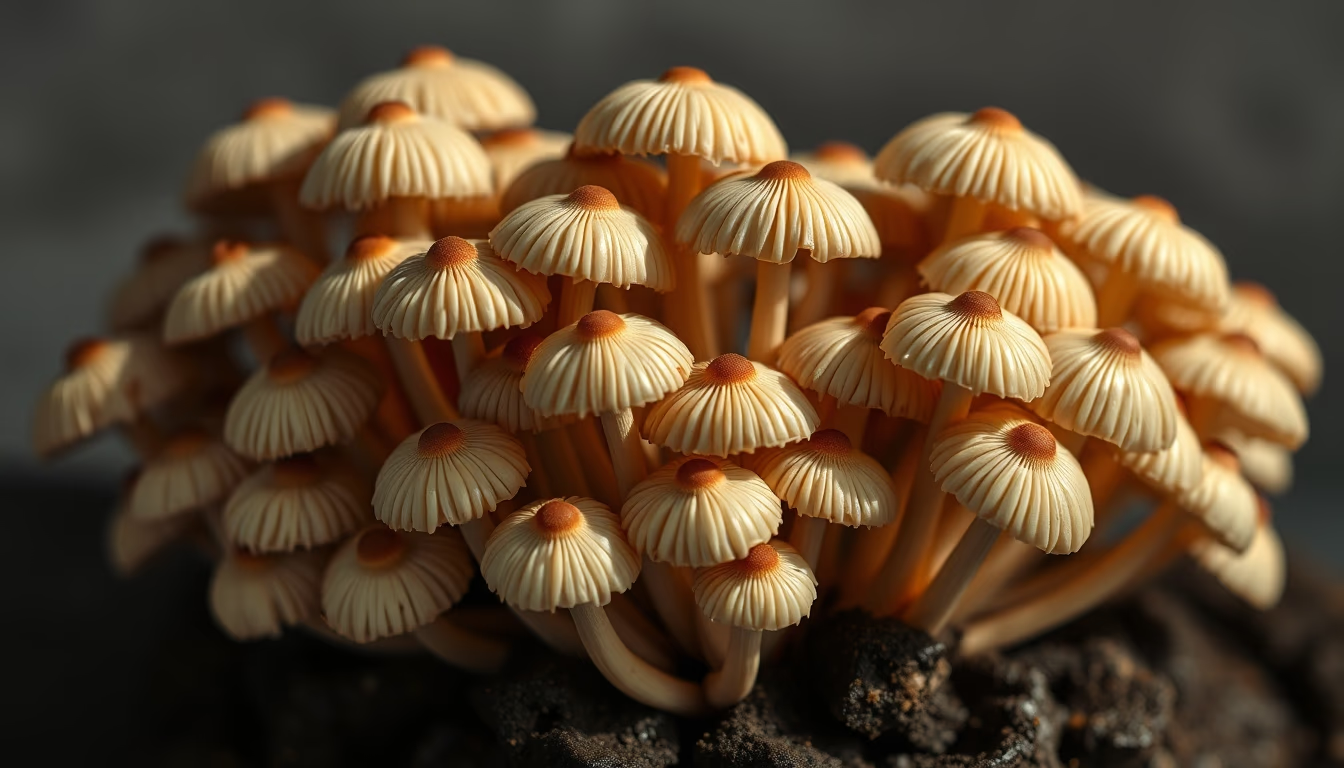
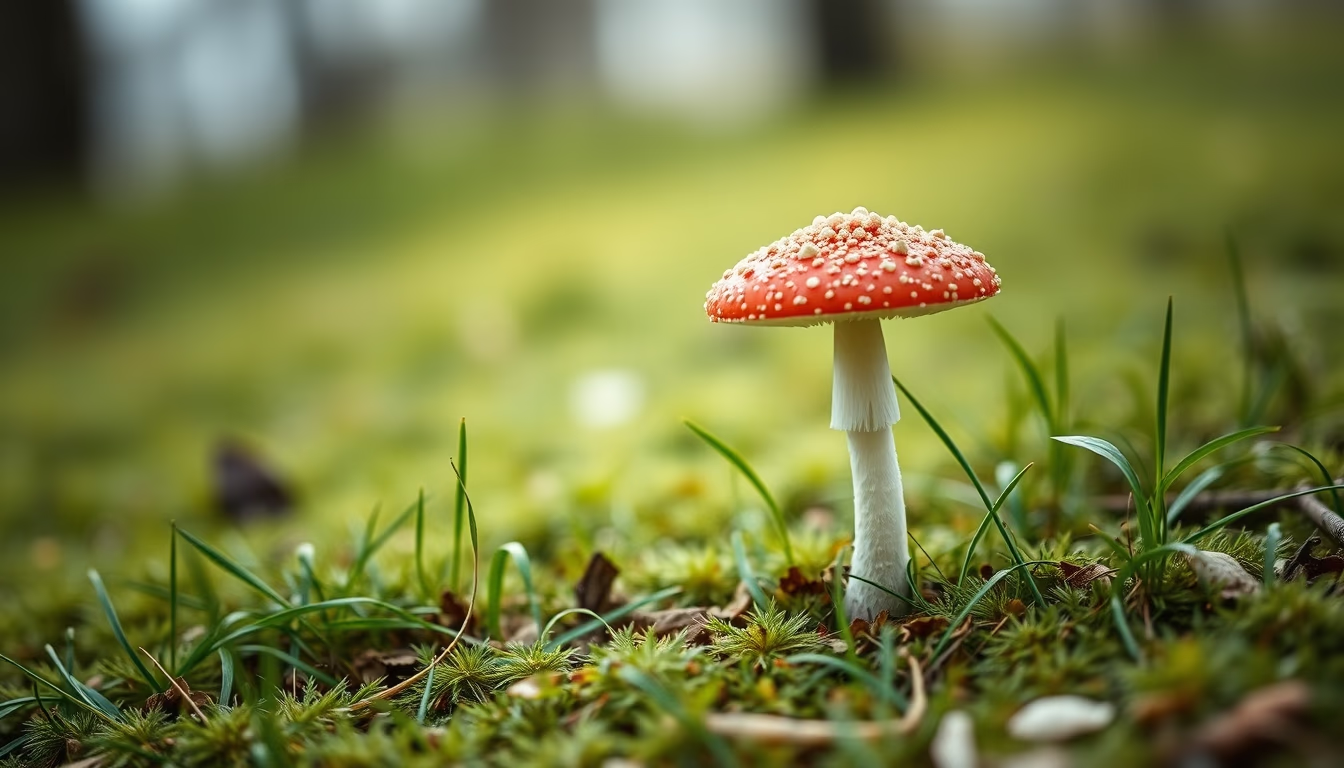
Yellow chanterelle mushrooms (Cantharellus cibarius) are highly prized wild fungi found in temperate forests, known for their fruity aroma and delicate flavor.
About this subject
Yellow chanterelles, also known as Cantharellus cibarius, are wild mushrooms that form mycorrhizal associations with tree roots, particularly oaks, chestnuts, and pines. Their bright color ranges from yellow to orange, and they have a distinctive trumpet or funnel shape with wavy margins and ridges that descend the stem. They are found in forests across Europe, North America, Asia, and parts of South America, including Brazil in temperate regions like the South.
Harvesting chanterelles is a seasonal activity, typically from late summer to autumn depending on the location. They are highly sought after by chefs and food enthusiasts for their fruity, slightly peppery flavor and firm texture. Unlike many cultivated mushrooms, chanterelles are difficult to domesticate, so they are almost exclusively foraged in the wild. This makes them a gourmet product with high market value, often commanding premium prices.
In cooking, chanterelles are versatile: they can be sautéed in butter, added to risottos, pasta, omelets, or sauces. They pair well with herbs like thyme and parsley, and with mild cheeses. Cleaning should be done with a dry brush or damp cloth, as they absorb water easily. Although safe to eat, proper identification of Cantharellus cibarius is crucial, as toxic look-alikes exist, such as the false chanterelle (Hygrophoropsis aurantiaca). Therefore, foraging should only be done by experienced individuals or with expert guidance.
Frequently Asked Questions
What is the difference between true chanterelle and false chanterelle?
True chanterelle (Cantharellus cibarius) has false gills (ridges) that run down the stem, egg-yellow color, and fruity aroma. False chanterelle (Hygrophoropsis aurantiaca) has true gills, more orange color, and grows on decaying wood, not soil.
Can chanterelles be cultivated at home?
It is difficult. Chanterelles are mycorrhizal, forming associations with tree roots. Commercial cultivation has had limited success, and most chanterelles sold are foraged from the wild.
How to clean and store fresh chanterelles?
Clean with a dry brush or damp cloth; avoid washing with water. Store in refrigerator in a paper bag for up to a week. For longer storage, they can be dried, frozen, or dehydrated.
Direct URL
https://pub-c7d6a6ea828543ac903a74a341ccb2e1.r2.dev/imagens/chanterelle-yellow-forest-commercial-product-photography-p0.avifHow to credit
Include a visible link back to UtilizAí. Copy one of the snippets below:
<a href="https://xn--utiliza-eza.com/en/midia/imagens/chanterelle-yellow-forest-commercial-product-photography-p0">Chanterelle yellow forest</a> by <a href="https://xn--utiliza-eza.com">UtilizAí</a>, licensed under <a href="https://creativecommons.org/licenses/by/4.0/">CC BY 4.0</a>.
[Chanterelle yellow forest](https://xn--utiliza-eza.com/en/midia/imagens/chanterelle-yellow-forest-commercial-product-photography-p0) by [UtilizAí](https://xn--utiliza-eza.com), CC BY 4.0
License: CC-BY-4.0