Centrifuge tubes spinning
1344×768 · AVIF · CC BY 4.0

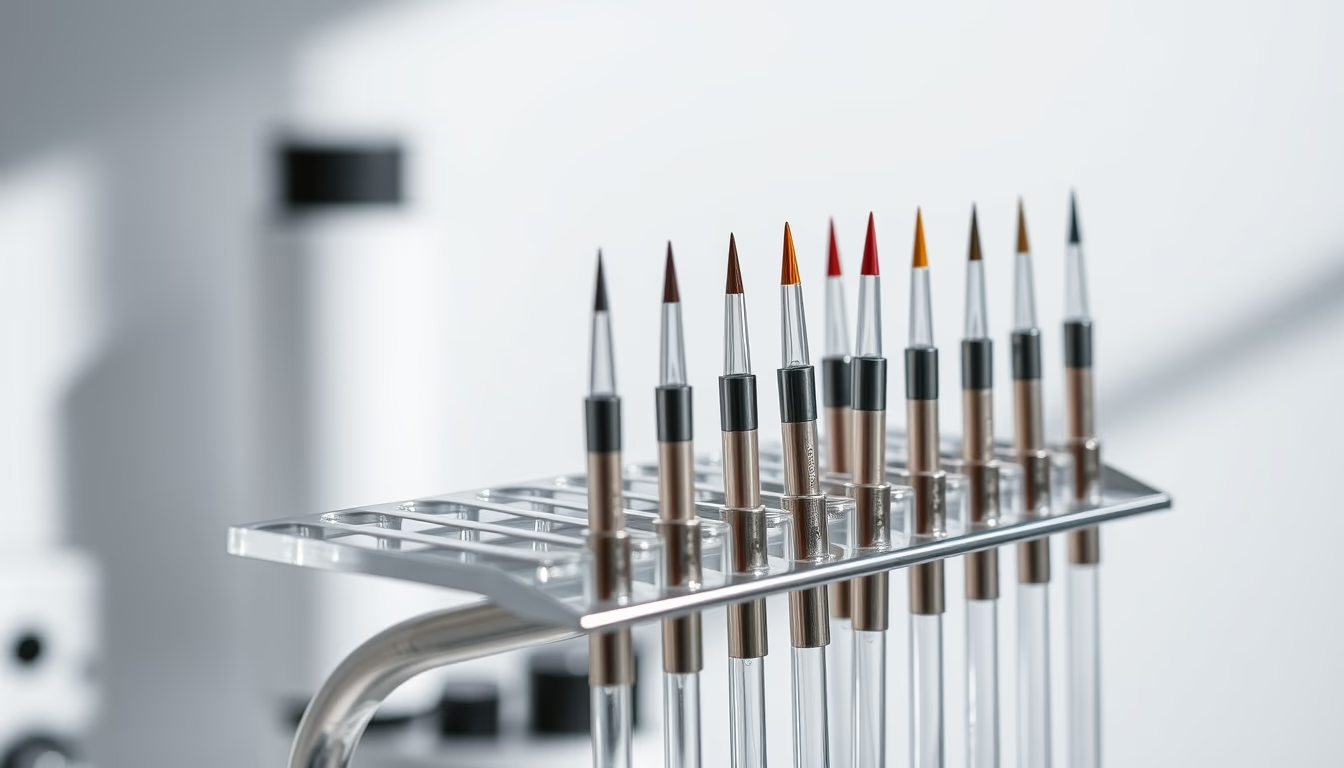
Centrifuge tubes spinning: understand the operation, applications, and care for this essential lab equipment.
About this subject
A centrifuge is a laboratory device that uses centrifugal force to separate components of a mixture based on their density. By spinning tubes at high speed, denser particles sediment at the bottom, while lighter ones remain in the supernatant. This principle is fundamental in clinical analyses, where it separates plasma from blood cells, and in molecular biology for purifying DNA, RNA, and proteins.
Centrifuge tubes are designed to withstand high rotations, usually made of polypropylene or polycarbonate, resistant to mechanical stress and chemicals. They come in various sizes, from 0.5 mL to 50 mL, with screw caps or snap caps to prevent leakage. Maximum speed varies by rotor: microcentrifuges reach 15,000 rpm, while ultracentrifuges exceed 100,000 rpm, generating forces up to 1,000,000 g.
The history of centrifuge dates back to the 19th century, when Antoine Béchamp developed a manual model for sediment separation. In 1925, Theodor Svedberg invented the ultracentrifuge, receiving the Nobel Prize in Chemistry in 1926 for his studies on proteins and colloids. Today, centrifuges are standard equipment in hospitals, research labs, and pharmaceutical industries.
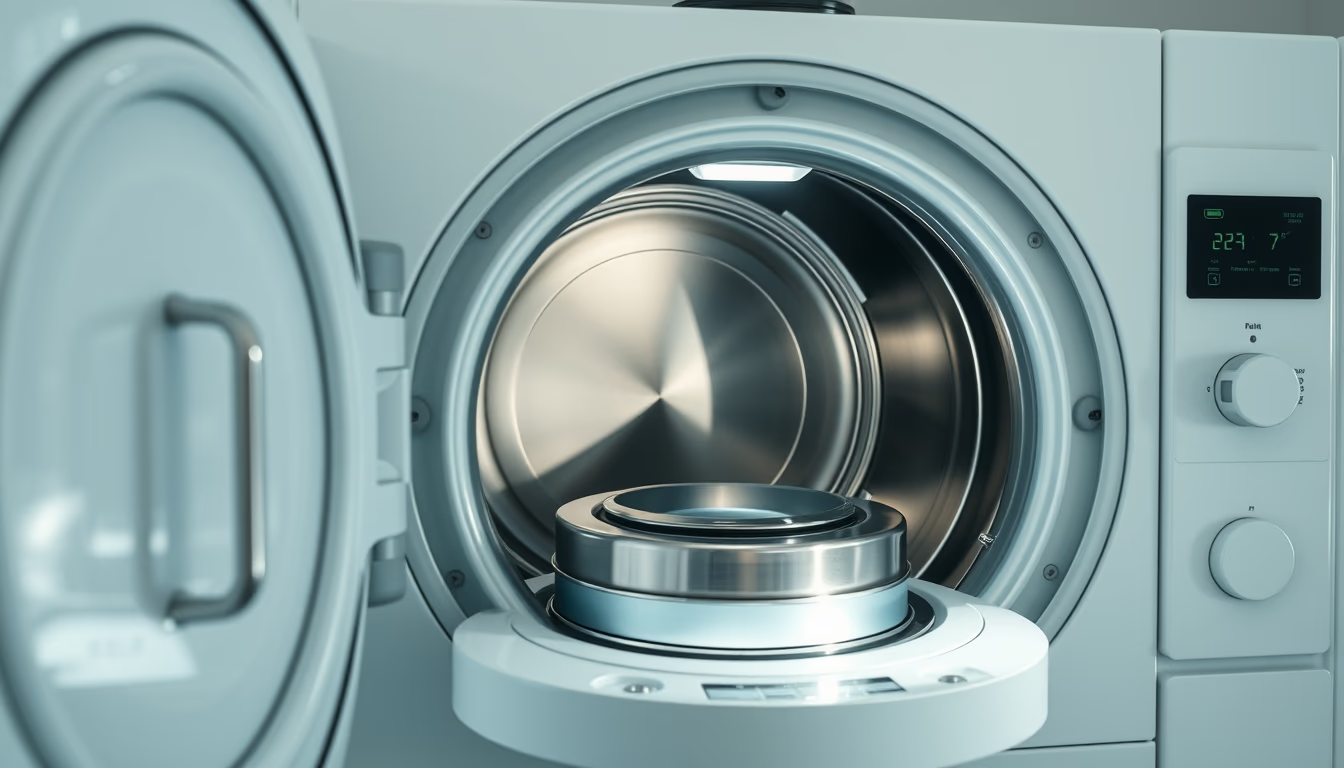
Essential care includes balancing tubes before each use by using tubes of equal weight and volume to avoid vibrations and rotor damage. Tubes should be inspected for cracks and never exceed the specified maximum rotation. After use, cleaning with 70% alcohol removes biological residues. Refrigerated centrifuges maintain sensitive samples at controlled temperatures during long runs.
Frequently Asked Questions
How do you properly balance tubes in a centrifuge?
Place tubes of equal weight and volume in opposite positions in the rotor. If using only one tube, add another with water to match the weight. Never run an unbalanced centrifuge.
What is the difference between a microcentrifuge and an ultracentrifuge?
Microcentrifuges operate up to about 15,000 rpm and are used for small volumes (up to 2 mL). Ultracentrifuges reach over 100,000 rpm, separating subcellular particles and macromolecules like ribosomes and viruses.
Can I reuse disposable centrifuge tubes?
Disposable tubes are designed for single use. Reusing can cause structural failure and cross-contamination. For reuse, use glass or polycarbonate tubes suitable for autoclaving and check for damage.
Direct URL
https://pub-c7d6a6ea828543ac903a74a341ccb2e1.r2.dev/imagens/centrifuge-tubes-spinning-long-exposure-fresh10.avifHow to credit
Include a visible link back to UtilizAí. Copy one of the snippets below:
<a href="https://xn--utiliza-eza.com/en/midia/imagens/centrifuge-tubes-spinning-long-exposure-fresh10">Centrifuge tubes spinning</a> by <a href="https://xn--utiliza-eza.com">UtilizAí</a>, licensed under <a href="https://creativecommons.org/licenses/by/4.0/">CC BY 4.0</a>.
[Centrifuge tubes spinning](https://xn--utiliza-eza.com/en/midia/imagens/centrifuge-tubes-spinning-long-exposure-fresh10) by [UtilizAí](https://xn--utiliza-eza.com), CC BY 4.0
License: CC-BY-4.0