Centrifuge tubes spinning
1344×768 · AVIF · CC BY 4.0
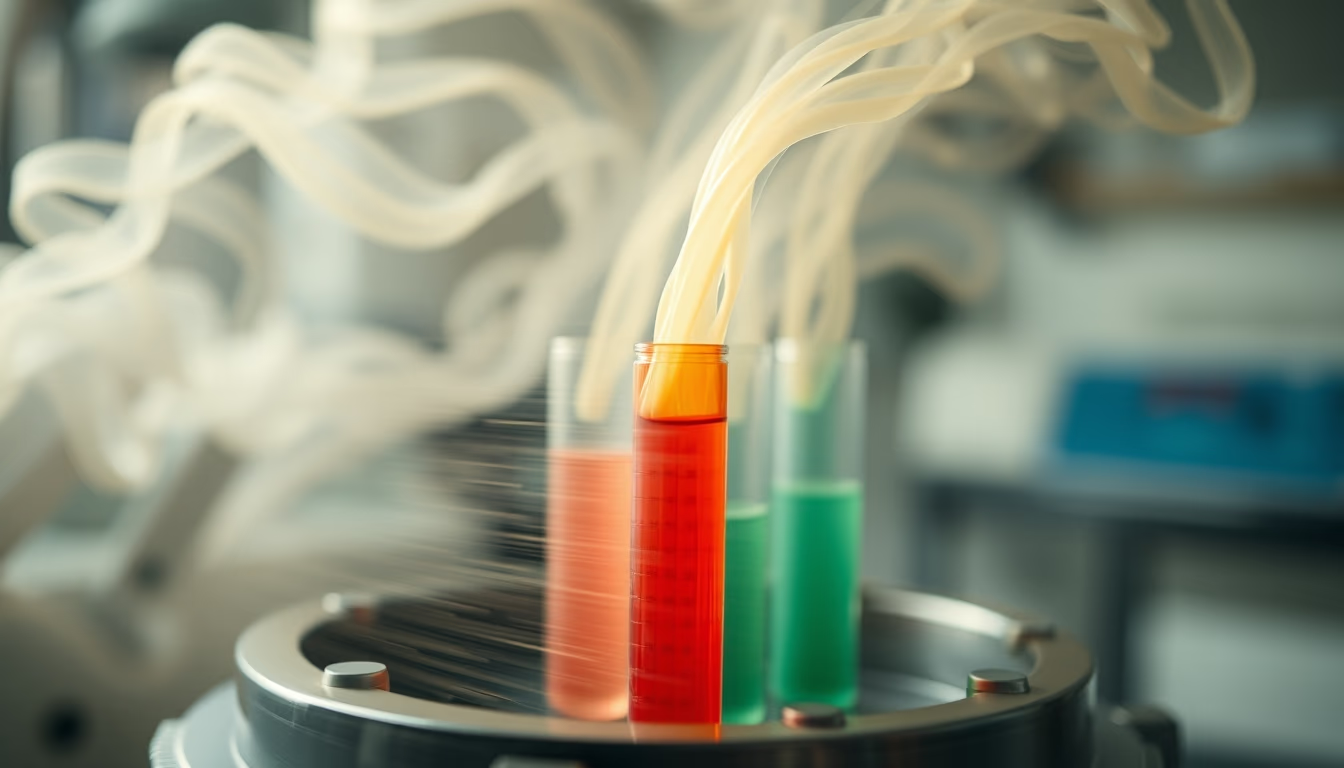
Spinning centrifuge tubes separate mixture components by density, essential in clinical analysis and laboratory research.
About this subject
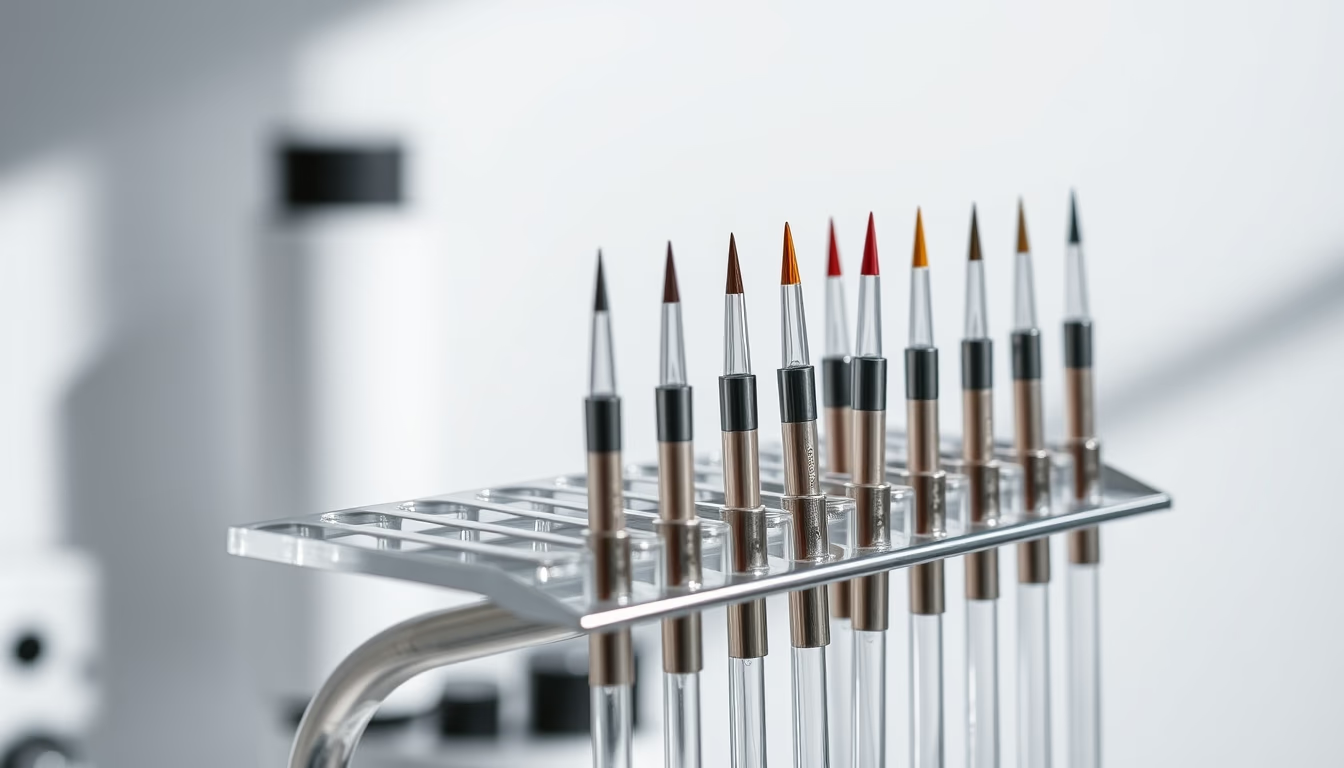
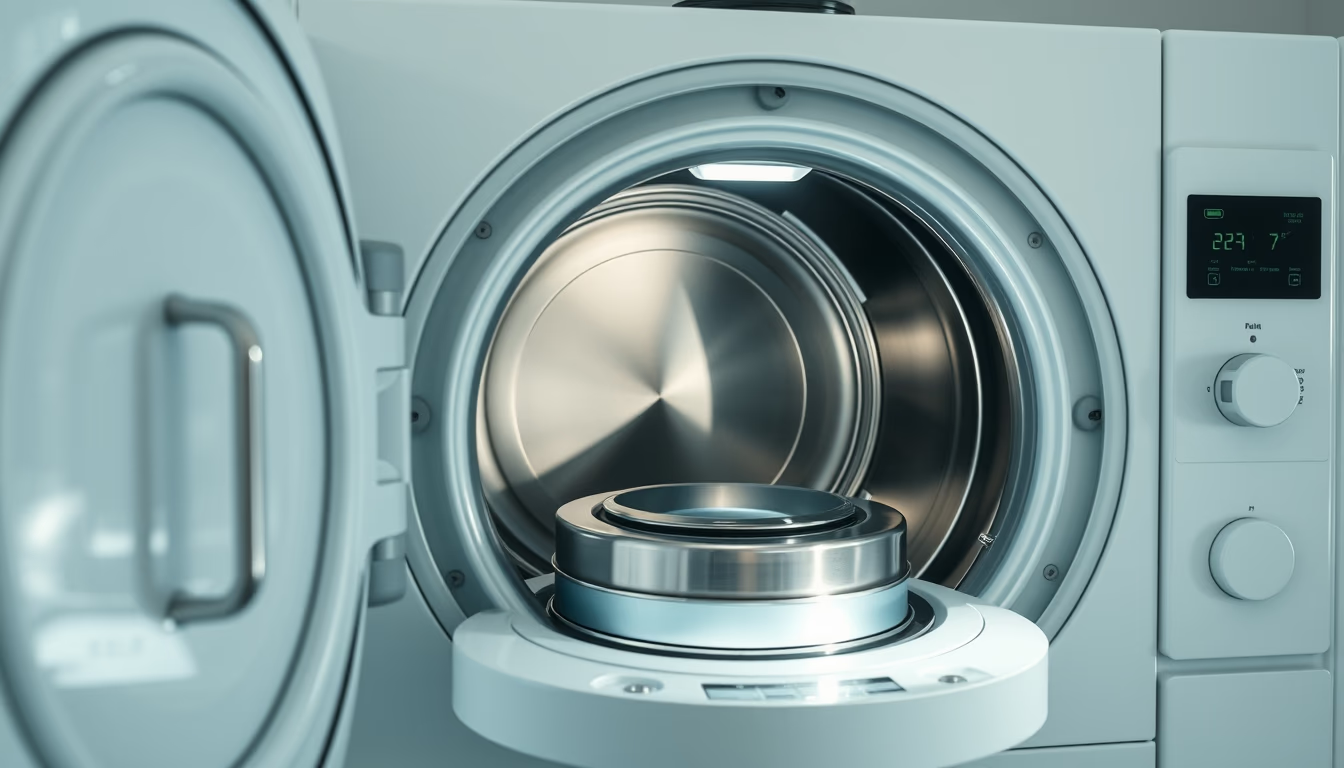
Centrifuge tubes are cylindrical containers, usually made of plastic or glass, designed to withstand high centrifugal forces during sample separation. They are used in centrifuges, equipment that spins rapidly to generate centrifugal acceleration. This technique is fundamental in clinical analysis, molecular biology, and biochemistry laboratories to separate components such as blood plasma, DNA, proteins, and cell organelles.
Centrifugation relies on the principle that particles of different densities sediment at different speeds under centrifugal force. Typical tubes range in capacity from 0.2 mL to 50 mL, with airtight caps to prevent leakage. Microtubes of 1.5 mL and 2 mL are common in molecular biology for DNA precipitation or protein purification. Tubes of 15 mL and 50 mL are used for cell cultures and larger sample extraction.
In the clinical context, centrifugation of whole blood yields plasma or serum, enabling tests such as complete blood count and enzyme assays. Interestingly, speed and time are critical: for plasma, usually 10 minutes at 3000 rpm. Additionally, tubes must be balanced in the centrifuge to avoid vibrations that could damage the equipment. The invention of the modern centrifuge tube is attributed to Otto Struve in the 19th century, but its widespread use came with the advancement of laboratory medicine.
Specialized tubes exist, such as PCR tubes, which withstand thermal cycling. In Brazil, national production meets demands from hospitals and universities, with brands like Cral and Kasvi. Proper disposal is crucial: contaminated tubes follow biological waste protocols, while common plastic tubes can be recycled after decontamination.
Frequently Asked Questions
What are centrifuge tubes used for?
Centrifuge tubes are used to separate components of a liquid mixture by density, such as separating plasma from blood, isolating DNA, or purifying proteins. They are essential in clinical and research laboratories.
What are the most common sizes of centrifuge tubes?
The most common sizes are microtubes of 1.5 mL and 2 mL for molecular biology, and tubes of 15 mL and 50 mL for cell cultures and larger extractions. There are also 0.2 mL tubes for PCR.
How to properly dispose of centrifuge tubes?
Contaminated tubes with biological material must be discarded as infectious waste. Common plastic tubes without contamination can be recycled, but they need to be decontaminated first, following laboratory guidelines.
Direct URL
https://pub-c7d6a6ea828543ac903a74a341ccb2e1.r2.dev/imagens/centrifuge-tubes-spinning-documentary-nature-style-fresh4.avifHow to credit
Include a visible link back to UtilizAí. Copy one of the snippets below:
<a href="https://xn--utiliza-eza.com/en/midia/imagens/centrifuge-tubes-spinning-documentary-nature-style-fresh4">Centrifuge tubes spinning</a> by <a href="https://xn--utiliza-eza.com">UtilizAí</a>, licensed under <a href="https://creativecommons.org/licenses/by/4.0/">CC BY 4.0</a>.
[Centrifuge tubes spinning](https://xn--utiliza-eza.com/en/midia/imagens/centrifuge-tubes-spinning-documentary-nature-style-fresh4) by [UtilizAí](https://xn--utiliza-eza.com), CC BY 4.0
License: CC-BY-4.0