Cargo ship docking
1344×768 · AVIF · CC BY 4.0
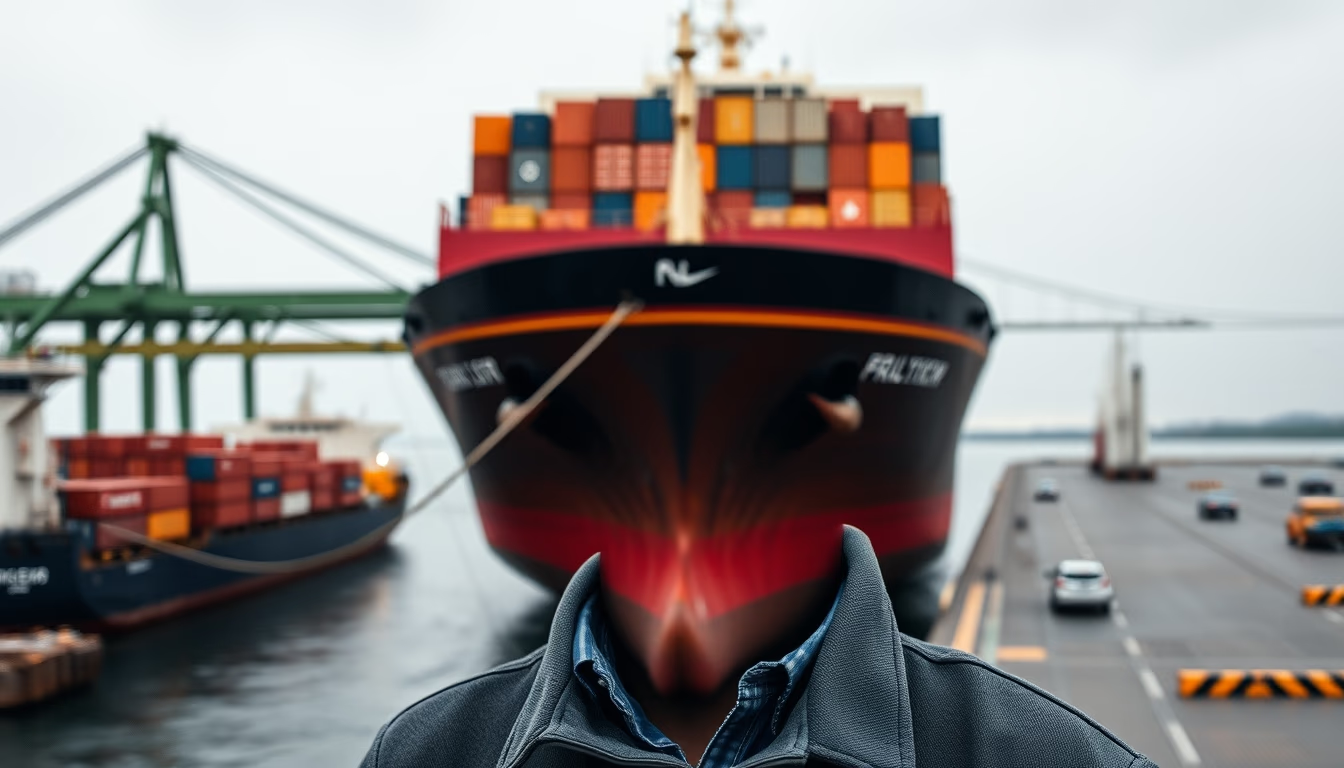
Cargo ships dock at ports worldwide to load and unload goods, a critical operation for global trade.
About this subject
Docking a cargo ship is a complex and coordinated operation involving multiple professionals, from the pilot guiding the vessel to the mooring linesmen securing the ropes to the quay. The process begins with a slow approach, assisted by tugboats, until the ship is positioned alongside the berth. Mooring lines are thrown and tensioned to ensure stability during loading and unloading. The efficiency of this procedure directly impacts port turnaround time and, consequently, logistics costs.
Cargo ships vary greatly in size and purpose, from small coastal bulk carriers to massive container ships capable of transporting over 20,000 TEUs (twenty-foot equivalent units). Port infrastructure must match these dimensions: gantry cranes, specialized terminals, and dredged access channels are essential. Moreover, docking operations are influenced by weather conditions such as wind and currents, demanding skill from pilots and captains.
Safe docking also relies on modern mooring systems, such as pneumatic fenders and synthetic fiber ropes. In congested ports like Singapore or Rotterdam, meticulous planning is required to avoid collisions and delays. After mooring, the interface with the terminal begins: connecting hoses for fuel or liquid cargo, installing gangways, and for containers, activating quayside cranes. This logistical choreography allows the ship to depart within hours, maintaining the flow of international trade.
The maritime sector handles about 80% of global trade volume, and docking is the critical moment where ship and port meet. Innovations such as automated docking and dynamic positioning systems are being developed to enhance safety and reduce emissions, since maneuvering vessels consume more fuel. Understanding this process highlights the work of port professionals and the strategic importance of ports in the global economy.
Frequently Asked Questions
How long does it take for a cargo ship to dock?
Docking time varies from 30 minutes to several hours, depending on ship size, weather conditions, availability of tugs, and port congestion.
What are the main types of cargo ships?
The main types include container ships, bulk carriers (for grains, ores), oil tankers, general cargo ships, and roll-on/roll-off (Ro-Ro) ships for vehicles.
Why do ships need pilots for docking?
Pilots are local experts familiar with the access channel, currents, and winds of the port. They ensure safe maneuvering, preventing groundings or collisions.
Direct URL
https://pub-c7d6a6ea828543ac903a74a341ccb2e1.r2.dev/imagens/cargo-ship-docking-studio-editorial-portrait-p1.avifHow to credit
Include a visible link back to UtilizAí. Copy one of the snippets below:
<a href="https://xn--utiliza-eza.com/en/midia/imagens/cargo-ship-docking-studio-editorial-portrait-p1">Cargo ship docking</a> by <a href="https://xn--utiliza-eza.com">UtilizAí</a>, licensed under <a href="https://creativecommons.org/licenses/by/4.0/">CC BY 4.0</a>.
[Cargo ship docking](https://xn--utiliza-eza.com/en/midia/imagens/cargo-ship-docking-studio-editorial-portrait-p1) by [UtilizAí](https://xn--utiliza-eza.com), CC BY 4.0
License: CC-BY-4.0