Calligraphy nibs collection
1344×768 · AVIF · CC BY 4.0
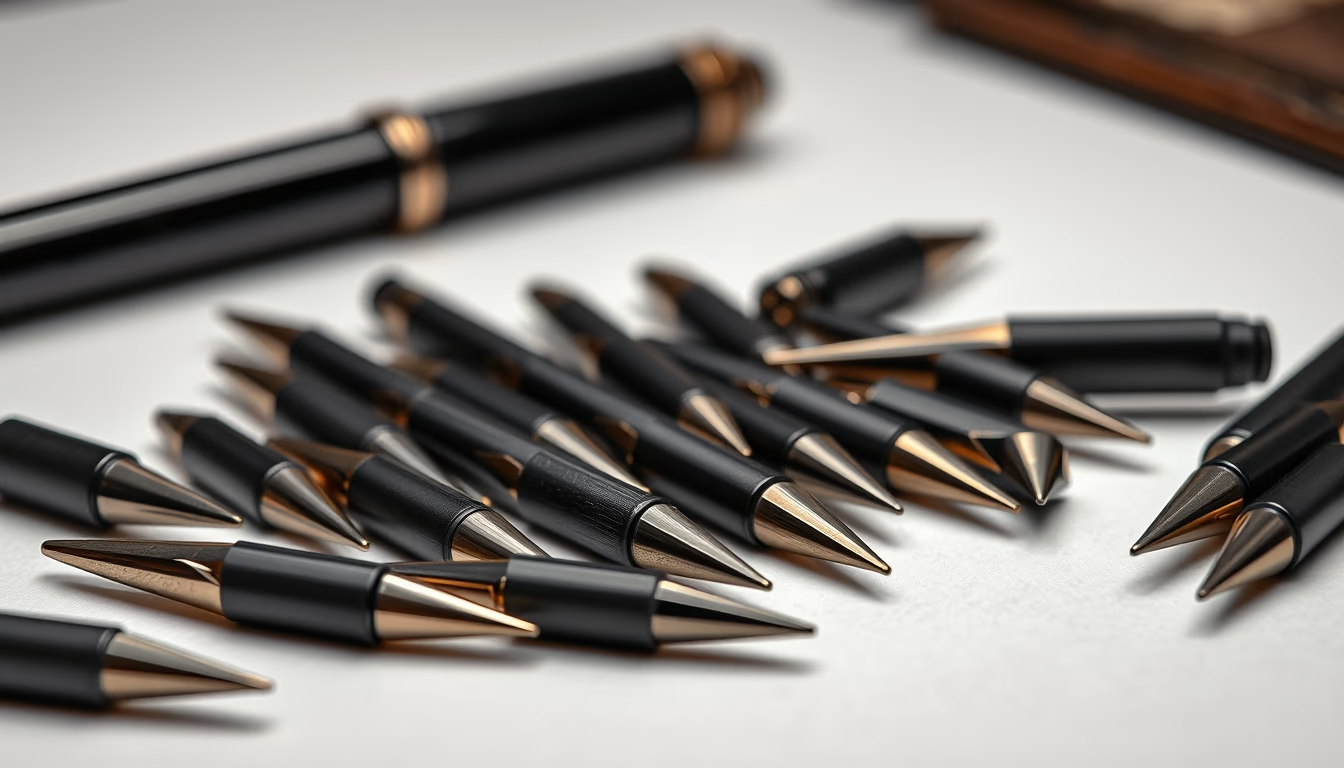
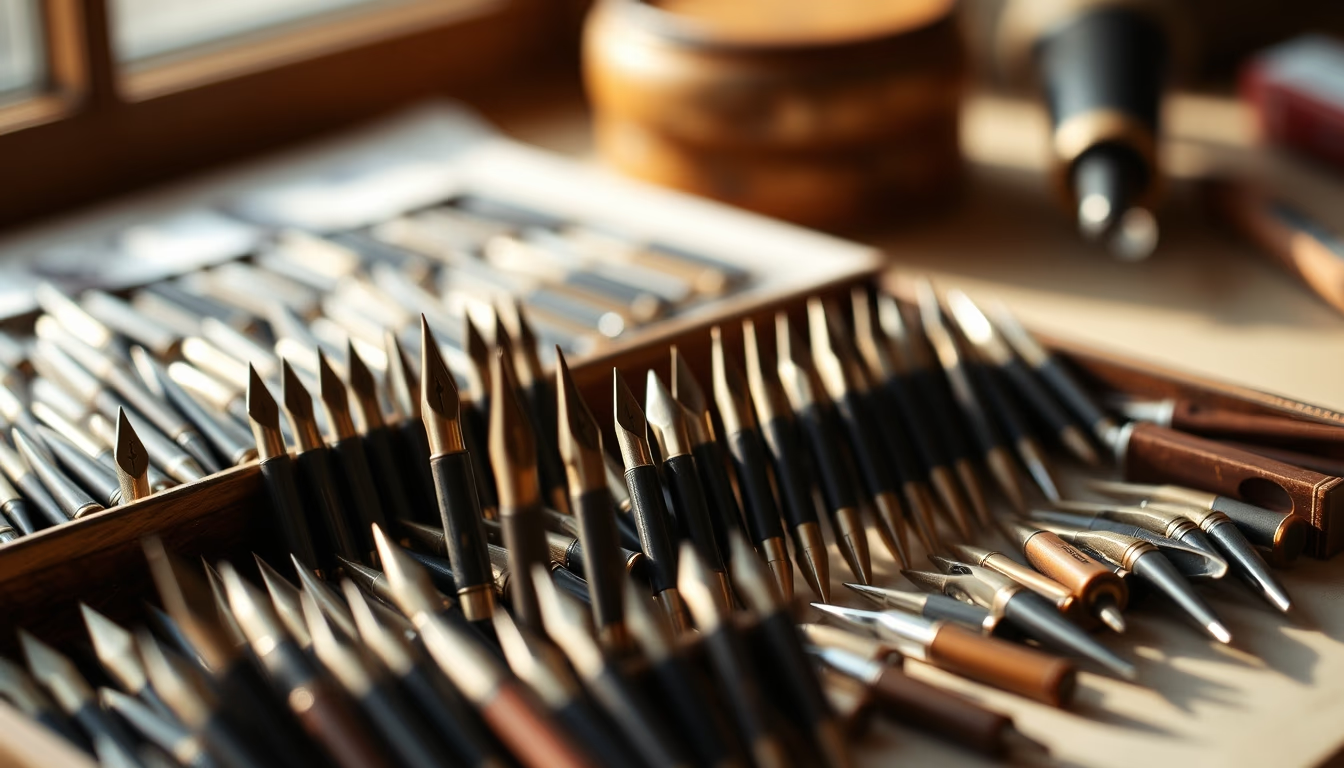
Close-up collection of calligraphy nibs, showcasing the variety of metals, cuts, and curves that define fine or broad strokes in hand lettering.
About this subject
Calligraphy nibs are the heart of a dip pen: small metal tips engineered to channel ink and create strokes of varying thickness. They fall into two main categories: broad-edge nibs, used for scripts like uncial, blackletter, and italic, and pointed nibs, essential for copperplate and Spencerian. The shape of the tip dictates whether stroke contrast comes from pressure (flexible pointed nibs) or pen angle (broad-edge).
Historically, metal nibs replaced bird feathers in the 19th century, thanks to mass production. Brands like Brause, Hunt, Nikko, and Zebra became benchmarks. Each manufacturer offers different flexibility and hardness: steel nibs are stiffer, while gold nibs (e.g., Parker, Waterman) provide more spring. Nib numbering is inconsistent: a Hunt #1 may be finer than a #6, but there is no universal standard.
Choosing a nib depends on the calligraphic style, paper quality, and ink used. Highly flexible nibs require a light hand to avoid tearing, while stiffer nibs offer better ink control on rough surfaces. Cleaning is vital: dried ink residue alters flow and can ruin the nib. Experienced calligraphers keep a cloth or water jar nearby.
A curiosity: the word 'nib' comes from Old English 'neb', meaning 'bird's beak'. The nib anatomy includes the breather hole (which regulates ink flow) and the tines (two halves that spread under pressure). Vintage nibs, such as those from Esterbrook or Spencerian, are so prized that collectors pay dozens of dollars for rare 19th-century pieces.
Frequently Asked Questions
Which calligraphy nib is best for beginners?
For beginners, a broad-edge nib like Brause 2mm or Speedball C-2 is recommended, as it's easier to handle and doesn't require flexibility. For pointed pen, the Nikko G is an excellent starter nib due to its balance of flexibility and durability.
How should I clean calligraphy nibs?
Rinse the nib under running water immediately after use to remove ink. Dry with a soft cloth. Avoid letting ink dry on the nib, as it can clog the breather hole. For stubborn residue, use a water and vinegar solution or a dedicated nib cleaner.
Do nibs rust? How to prevent it?
Yes, steel nibs can rust if exposed to moisture. To prevent rust, dry them thoroughly after cleaning and store in a dry place. Gold or coated nibs (e.g., palladium-plated) are more resistant to corrosion.
Direct URL
https://pub-c7d6a6ea828543ac903a74a341ccb2e1.r2.dev/imagens/calligraphy-nibs-collection-studio-still-life-fresh12.avifHow to credit
Include a visible link back to UtilizAí. Copy one of the snippets below:
<a href="https://xn--utiliza-eza.com/en/midia/imagens/calligraphy-nibs-collection-studio-still-life-fresh12">Calligraphy nibs collection</a> by <a href="https://xn--utiliza-eza.com">UtilizAí</a>, licensed under <a href="https://creativecommons.org/licenses/by/4.0/">CC BY 4.0</a>.
[Calligraphy nibs collection](https://xn--utiliza-eza.com/en/midia/imagens/calligraphy-nibs-collection-studio-still-life-fresh12) by [UtilizAí](https://xn--utiliza-eza.com), CC BY 4.0
License: CC-BY-4.0