Calligraphy nibs collection
1344×768 · AVIF · CC BY 4.0
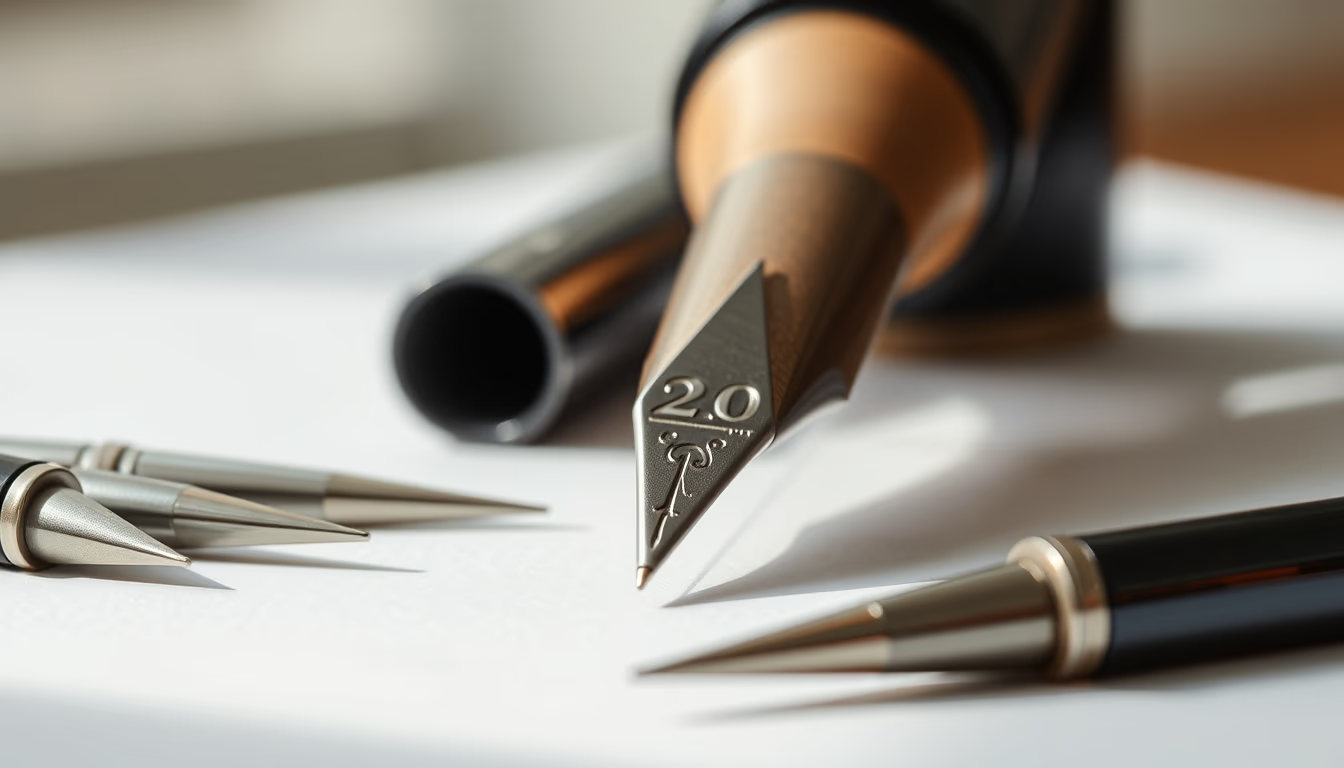
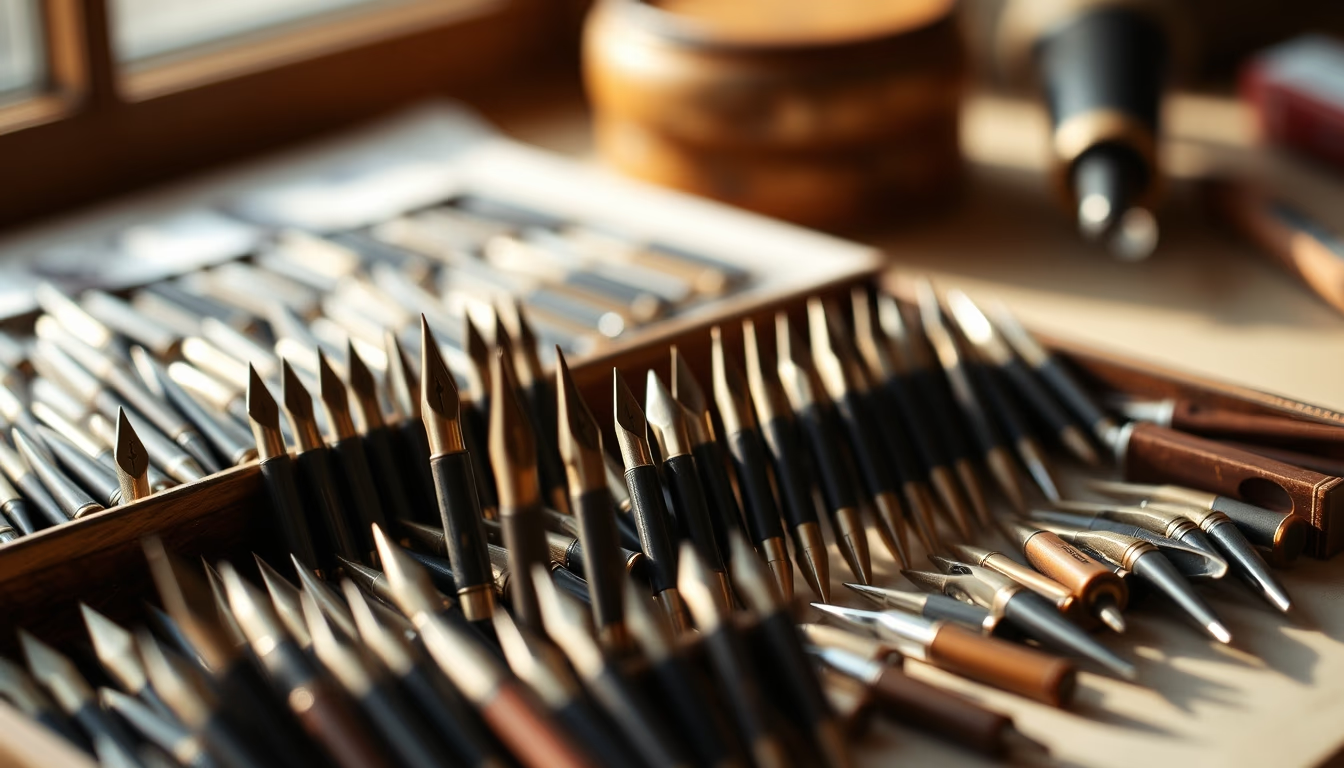
A collection of calligraphy nibs includes various metal tips essential for the art of decorative writing, varying in flexibility and thickness.
About this subject
Calligraphy nibs, also known as pen nibs, are metal tips that fit into fountain pens or specialized holders for calligraphy. They are typically made of stainless steel, gold, or brass, and their primary function is to control ink flow and produce strokes of varying thickness. The range of nibs is vast: from flexible ones that allow line variation with pressure to rigid ones ideal for uniform scripts like Gothic.
Each calligraphy style requires a specific nib type. For instance, broad-edge nibs are used for Uncial and Carolingian scripts, while pointed nibs are essential for Copperplate and Spencerian. The choice of material also affects the experience: gold nibs are softer and more responsive, while steel nibs are more durable and economical. Historically, bird quills were replaced by metal nibs in the 19th century during the Industrial Revolution, making calligraphy more accessible.
A well-curated collection might include nibs from renowned brands like Brause, Leonardt, and Hunt, each known for particular characteristics. Beginners are often advised to start with medium, flexible nibs such as the Nikko G or Zebra G, which balance cost and performance. Experienced calligraphers seek vintage nibs, like those from Esterbrook, offering exceptional flexibility. Care for nibs is crucial: they must be cleaned after use to prevent clogging and corrosion.
The art of modern calligraphy has seen a resurgence with interest in lettering and bullet journals, expanding the nib market. Today, one can find nibs for adaptable fountain pens or dip pen holders. The variety of shapes, round, flat, oblique, reflects the richness of calligraphy as both artistic expression and technique, valuing each stroke.
Frequently Asked Questions
What materials are calligraphy nibs made of?
Calligraphy nibs are typically made of stainless steel, gold, or brass. Gold nibs are softer and more flexible, while steel nibs are more durable and economical.
How to choose the ideal nib for beginners?
Beginners are advised to start with medium, flexible nibs like the Nikko G or Zebra G. They offer good value for money and are forgiving of pressure errors.
What is the difference between a broad-edge and a pointed nib?
A broad-edge nib produces thick and thin strokes depending on the angle, ideal for Gothic scripts. A pointed nib varies thickness with pressure, used in Copperplate and Spencerian.
Direct URL
https://pub-c7d6a6ea828543ac903a74a341ccb2e1.r2.dev/imagens/calligraphy-nibs-collection-minimalist-composition-fresh3.avifHow to credit
Include a visible link back to UtilizAí. Copy one of the snippets below:
<a href="https://xn--utiliza-eza.com/en/midia/imagens/calligraphy-nibs-collection-minimalist-composition-fresh3">Calligraphy nibs collection</a> by <a href="https://xn--utiliza-eza.com">UtilizAí</a>, licensed under <a href="https://creativecommons.org/licenses/by/4.0/">CC BY 4.0</a>.
[Calligraphy nibs collection](https://xn--utiliza-eza.com/en/midia/imagens/calligraphy-nibs-collection-minimalist-composition-fresh3) by [UtilizAí](https://xn--utiliza-eza.com), CC BY 4.0
License: CC-BY-4.0