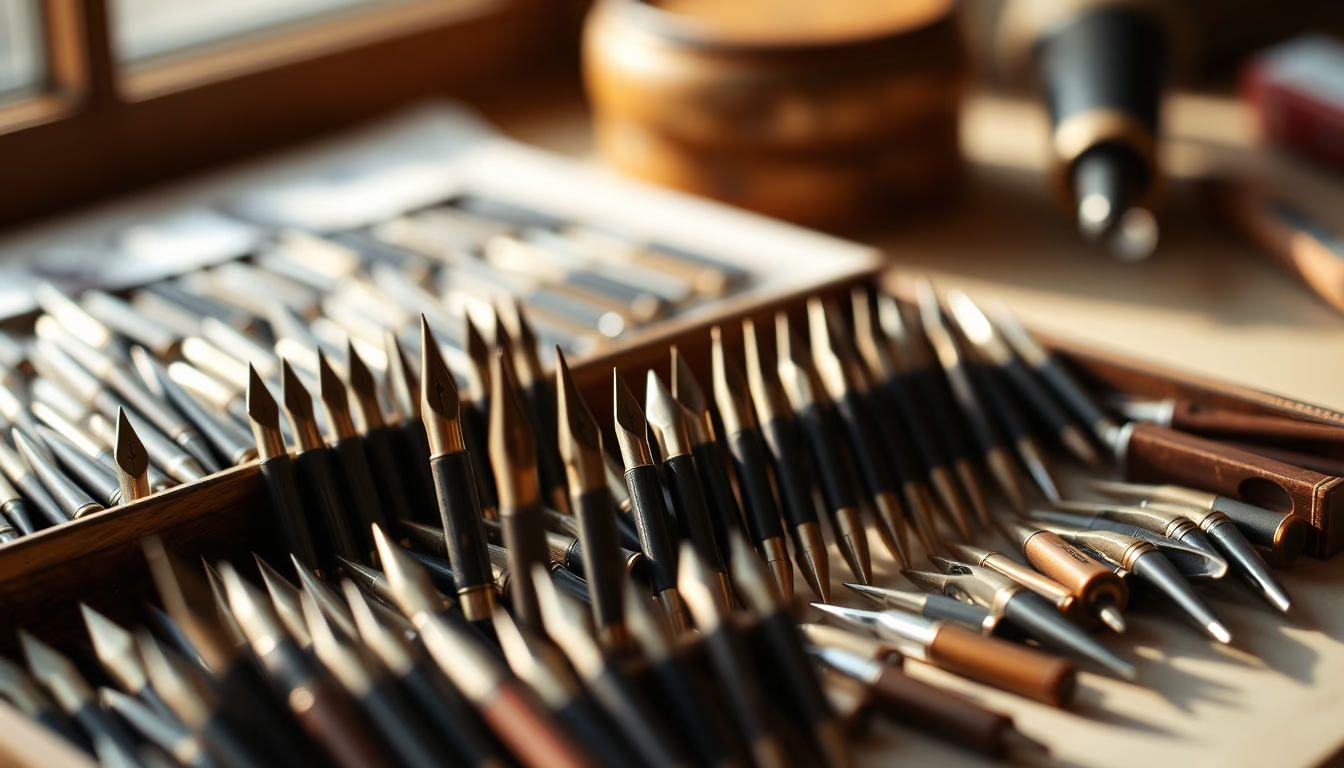
Calligraphy nibs collection
1344×768 · AVIF · CC BY 4.0
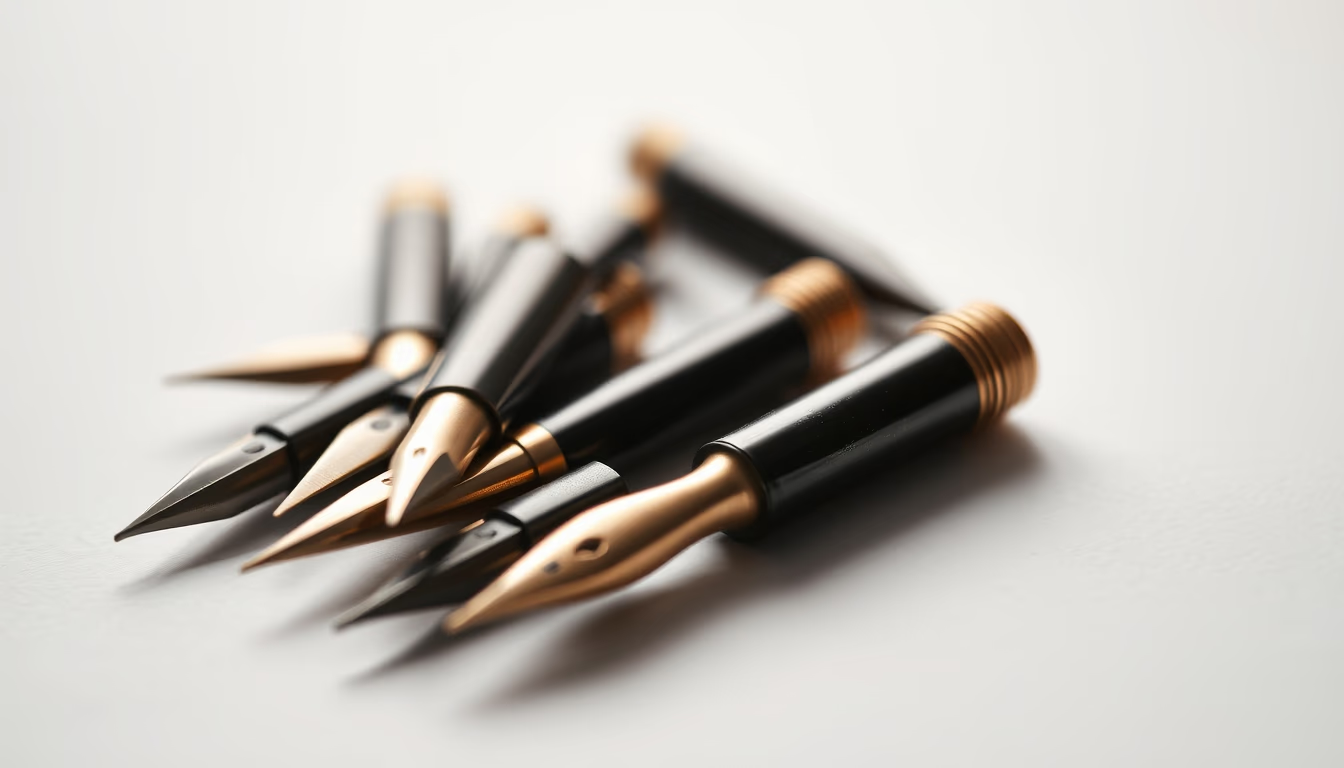
Explore the diversity of calligraphy nibs, from flexible steel to gold tips, and their role in artistic writing throughout centuries.
About this subject
Calligraphy nibs are essential tools for artistic writing. They evolved from bird feather quills used in the Middle Ages to modern metal nibs manufactured from the 19th century onward. The Industrial Revolution enabled mass production of steel nibs, making calligraphy accessible to a wider audience. Today, hundreds of models exist, each designed for a specific script style.
Nibs vary in shape, size, and flexibility. Pointed nibs, like those used in copperplate, produce fine upstrokes and thick downstrokes. Broad-edge nibs, such as those for Gothic letters, create uniform contrasts. Materials like stainless steel, brass, and gold affect durability and responsiveness. Flexible nibs, such as the famous Hunt 101, are preferred by calligraphers seeking dramatic line variation.
The choice of nib directly influences ink flow and writing comfort. Stiffer nibs are suitable for beginners, while flexible ones require more skill. Maintenance includes cleaning after each use to prevent oxidation and clogging. Collectors value vintage models from brands like Gillott or Brause, which have unique elasticity characteristics.
Currently, calligraphy as a hobby has resurged, driven by the slow living movement and interest in handcrafts. Workshops and online courses teach techniques with different nibs, and specialized stores offer complete kits. The diversity of available pieces allows each artist to develop a personal style, keeping an ancient tradition alive.
Frequently Asked Questions
How to choose a calligraphy nib for beginners?
Beginners should opt for rigid steel nibs, such as Nikko G or Zebra G, which are durable and easy to control. Avoid flexible nibs at first, as they require more precision.
What is the difference between steel and gold nibs?
Steel nibs are cheaper and stiffer, while gold nibs are more flexible and corrosion-resistant. Gold offers better responsiveness but requires a higher investment.
What is a flex nib and what is its use?
A flex nib opens its tines under pressure, creating thick downstrokes and thin upstrokes. It is used in styles like copperplate and Spencerian for decorative effects.
Direct URL
https://pub-c7d6a6ea828543ac903a74a341ccb2e1.r2.dev/imagens/calligraphy-nibs-collection-fine-art-photography-fresh4.avifHow to credit
Include a visible link back to UtilizAí. Copy one of the snippets below:
<a href="https://xn--utiliza-eza.com/en/midia/imagens/calligraphy-nibs-collection-fine-art-photography-fresh4">Calligraphy nibs collection</a> by <a href="https://xn--utiliza-eza.com">UtilizAí</a>, licensed under <a href="https://creativecommons.org/licenses/by/4.0/">CC BY 4.0</a>.
[Calligraphy nibs collection](https://xn--utiliza-eza.com/en/midia/imagens/calligraphy-nibs-collection-fine-art-photography-fresh4) by [UtilizAí](https://xn--utiliza-eza.com), CC BY 4.0
License: CC-BY-4.0