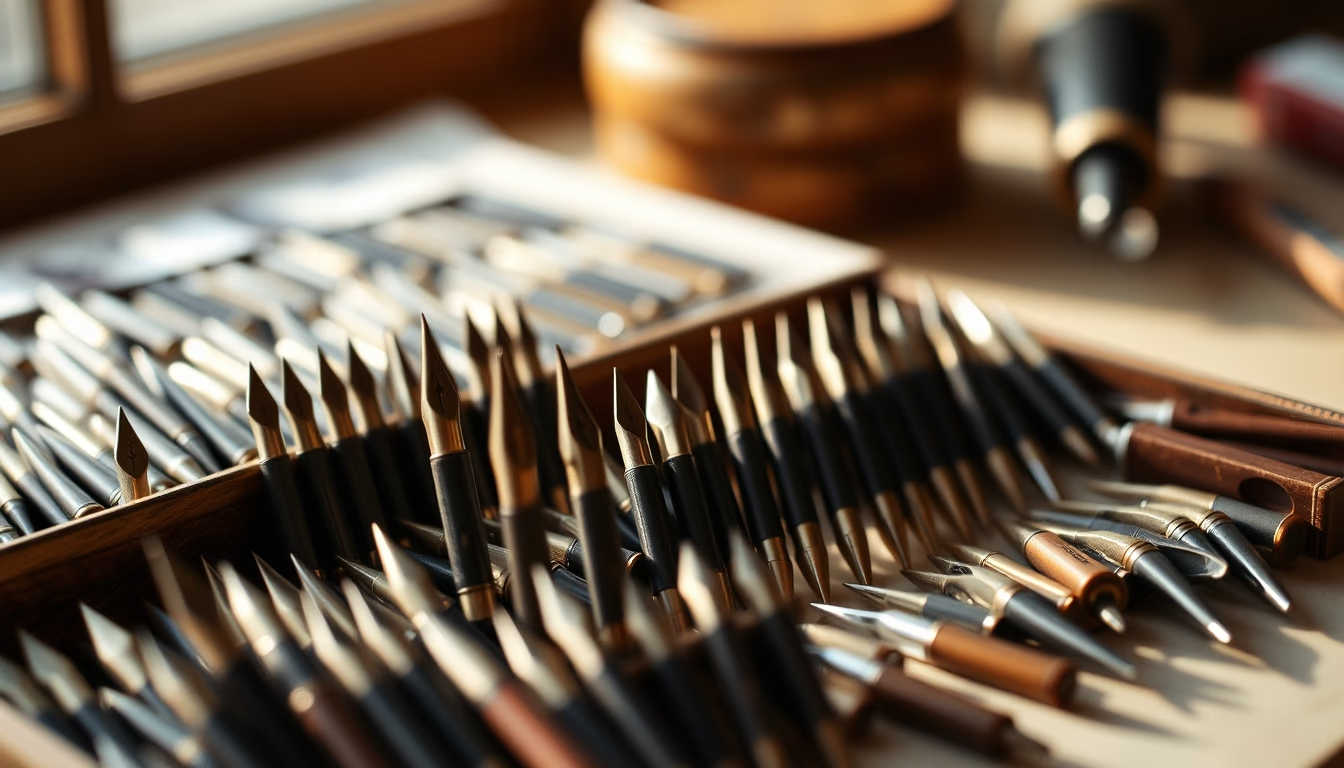
Calligraphy nibs collection
1344×768 · AVIF · CC BY 4.0
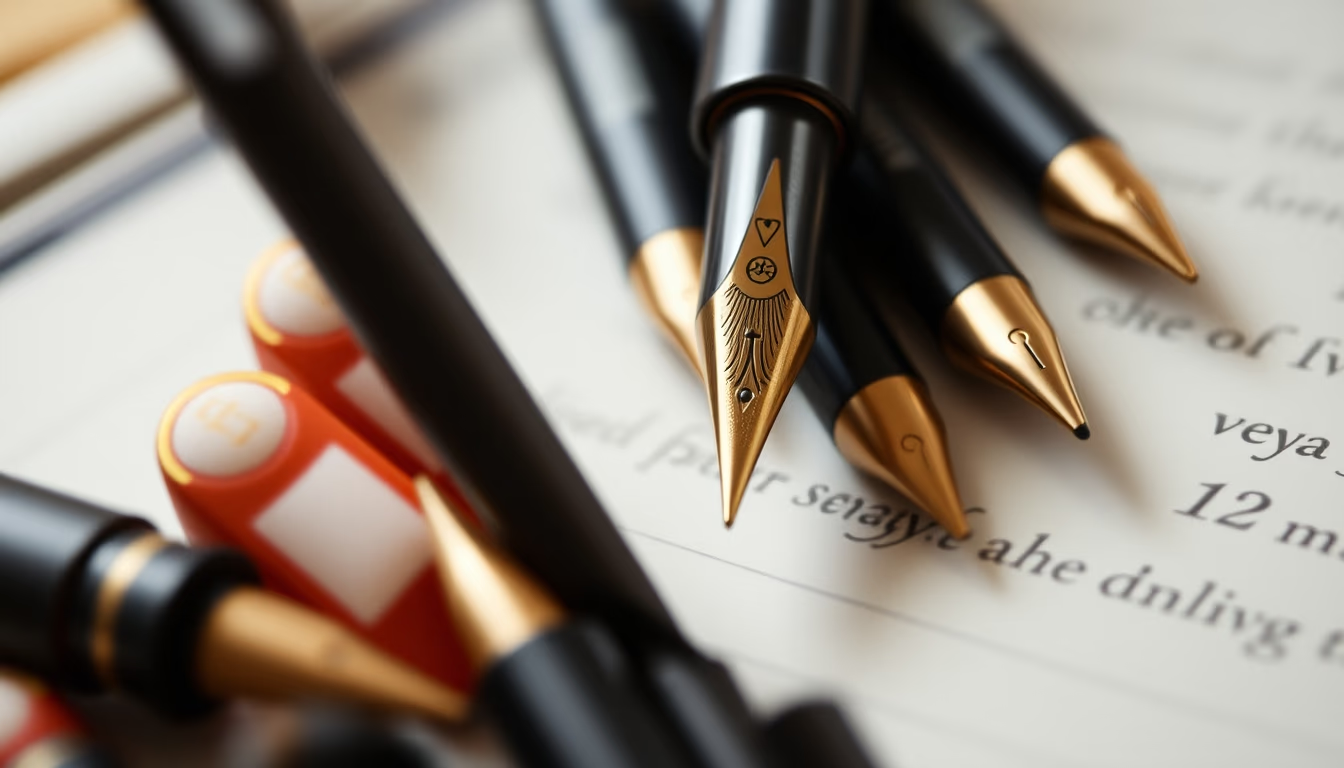
Collection of calligraphy nibs: a variety of shapes and materials for artistic and professional writing.
About this subject
Calligraphy nibs are the metal tips that touch the paper and define the stroke of the letter. There are hundreds of shapes, each creating a different effect: from the fine line of a round nib to the dramatic contrasts of a broad-edge nib, used in styles such as Gothic and Italic. The most common materials are stainless steel, gold, and in antique nibs, iron. Gold offers flexibility and smoothness, while steel is stiffer and more durable.
The history of nibs dates back to the 19th century, when industrial production replaced bird feathers. Parker, Waterman, and Esterbrook were pioneering brands, creating interchangeable nibs that allowed the calligrapher to change the tip according to the project. Today, manufacturers like Brause, Leonardt, and Speedball continue this tradition, producing specialized nibs for lettering, copperplate, and oriental calligraphy.
An important technical aspect is the flexibility of the nib: flexible nibs allow thickening of the stroke with more pressure, essential for scripts like Spencerian and Copperplate. Stiff nibs are preferred for everyday writing or for beginners, as they offer greater control. To maintain them, it is necessary to clean dried ink and prevent oxidation by storing them in a dry place.
Curiosity: the famous "pen nib" has a central slit that distributes ink by capillary action. In left-handed nibs (oblique nibs), the slit is angled to facilitate the writing angle for lefties. Choosing the right nib can completely transform the calligraphy style, being one of the most debated factors among practitioners.
Frequently Asked Questions
What is the difference between a round nib and a broad-edge nib?
A round nib produces uniform strokes and is ideal for common cursive writing. A broad-edge nib has a rectangular tip, creating contrasts between thin and thick lines, used in Gothic, Italic, and blackletter calligraphy.
How to choose the first nib for beginners?
For beginners, a rigid steel nib in a medium size (such as a Brause Steno or Speedball C-2) is recommended. They are durable, easy to clean, and offer control without requiring much pressure.
Are gold nibs better than steel nibs?
It depends on the use. Gold is more flexible and smooth, providing gentle transitions, ideal for scripts like Copperplate. Steel is firmer and cheaper, good for letters that require precision and for learners.
Direct URL
https://pub-c7d6a6ea828543ac903a74a341ccb2e1.r2.dev/imagens/calligraphy-nibs-collection-film-grain-authentic-fresh10.avifHow to credit
Include a visible link back to UtilizAí. Copy one of the snippets below:
<a href="https://xn--utiliza-eza.com/en/midia/imagens/calligraphy-nibs-collection-film-grain-authentic-fresh10">Calligraphy nibs collection</a> by <a href="https://xn--utiliza-eza.com">UtilizAí</a>, licensed under <a href="https://creativecommons.org/licenses/by/4.0/">CC BY 4.0</a>.
[Calligraphy nibs collection](https://xn--utiliza-eza.com/en/midia/imagens/calligraphy-nibs-collection-film-grain-authentic-fresh10) by [UtilizAí](https://xn--utiliza-eza.com), CC BY 4.0
License: CC-BY-4.0