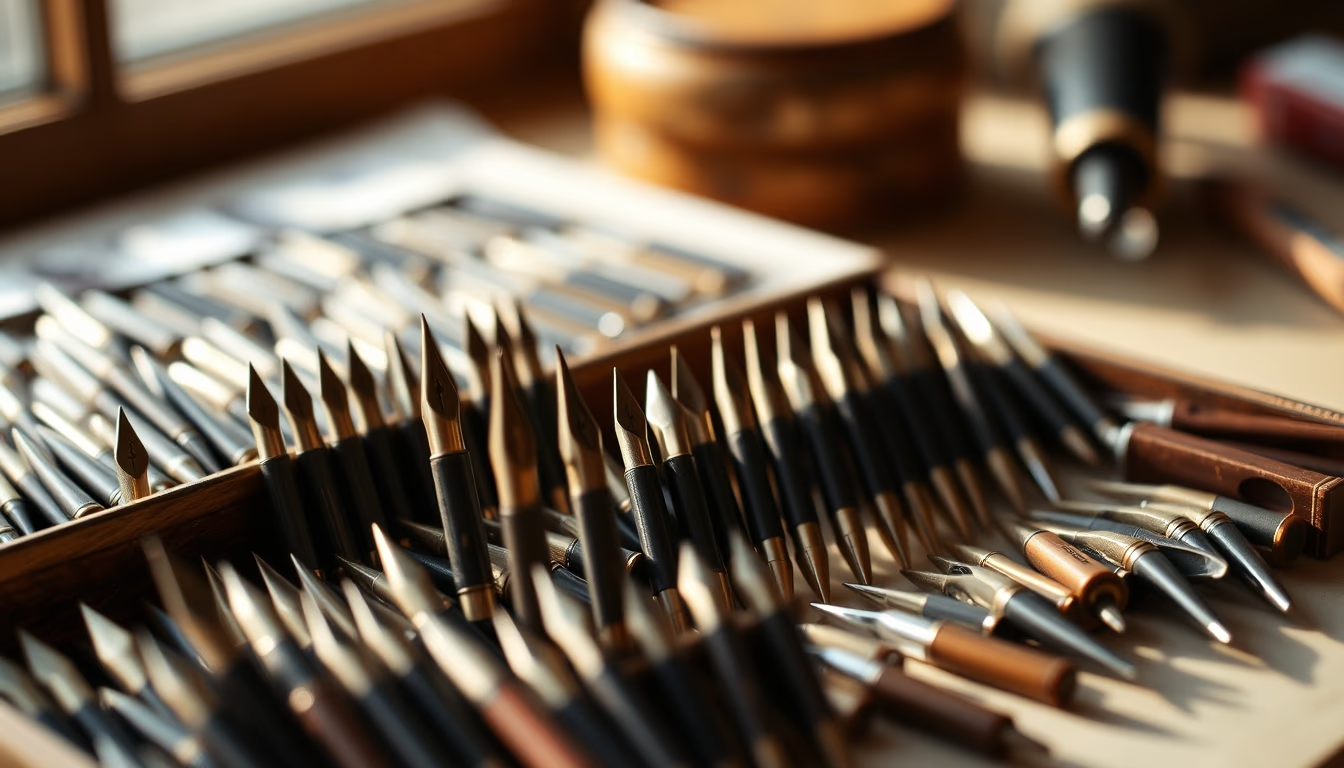
Calligraphy nibs collection
1344×768 · AVIF · CC BY 4.0
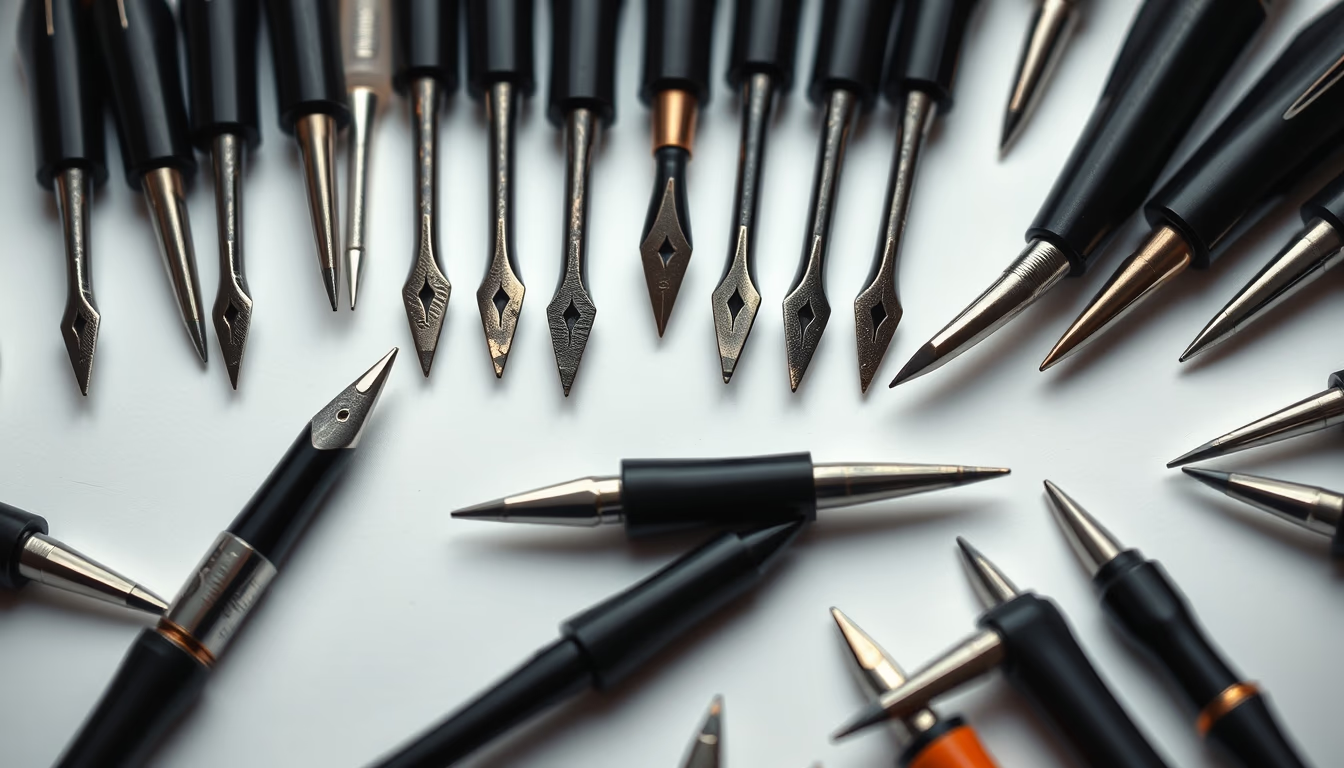
Explore the diversity of calligraphy nibs: shapes, materials, and uses that define the art of writing.
About this subject
Calligraphy nibs are interchangeable metal tips that control ink flow and stroke width. They vary in shape (round, flat, oblique), flexibility, and material (steel, gold, alloys). Broad-edge nibs create contrast between thin and thick lines, ideal for styles like copperplate or Gothic. Flexible nibs allow pressure variation, generating ornate strokes. The choice of nib depends on the writing style and ink type. Historically, metal nibs replaced bird feathers in the 19th century, boosting commercial calligraphy. Today, collectors seek vintage nibs from brands like Gillott, Hunt, or Brause, each with unique hardness and cut characteristics. Proper maintenance, such as cleaning after use and dry storage, extends lifespan. For beginners, medium-hardness steel nibs like Nikko G or Zebra G offer good flexibility without fragility. Modern calligraphy values both functionality and aesthetics of nibs, with designs reminiscent of goldsmithing. Additionally, specialty nibs for lettering or brush lettering expand creative possibilities. Understanding nib anatomy (reservoir, slit, tip) helps grasp how ink flows and strokes form. This diversity makes nib collecting a hobby in itself, connecting practitioners to writing history.
Frequently Asked Questions
What is the difference between steel and gold nibs in calligraphy?
Steel nibs are harder and cheaper, suitable for beginners. Gold nibs are more flexible and smoother, allowing greater stroke variation, but they are more expensive and require extra care.
How to choose the right nib for each calligraphy style?
Styles like copperplate and Spencerian require flexible nibs (e.g., Gillott 303). Gothic or italic calligraphy uses flat broad-edge nibs. Modern lettering may use round nibs or brush pens.
Is it necessary to clean nibs after each use?
Yes. Dried ink can clog the slit and damage the nib. Rinse with clean water and dry gently. Avoid leaving ink to dry for long periods.
Direct URL
https://pub-c7d6a6ea828543ac903a74a341ccb2e1.r2.dev/imagens/calligraphy-nibs-collection-commercial-product-photography-fresh6.avifHow to credit
Include a visible link back to UtilizAí. Copy one of the snippets below:
<a href="https://xn--utiliza-eza.com/en/midia/imagens/calligraphy-nibs-collection-commercial-product-photography-fresh6">Calligraphy nibs collection</a> by <a href="https://xn--utiliza-eza.com">UtilizAí</a>, licensed under <a href="https://creativecommons.org/licenses/by/4.0/">CC BY 4.0</a>.
[Calligraphy nibs collection](https://xn--utiliza-eza.com/en/midia/imagens/calligraphy-nibs-collection-commercial-product-photography-fresh6) by [UtilizAí](https://xn--utiliza-eza.com), CC BY 4.0
License: CC-BY-4.0