Calligraphy nibs collection
1344×768 · AVIF · CC BY 4.0
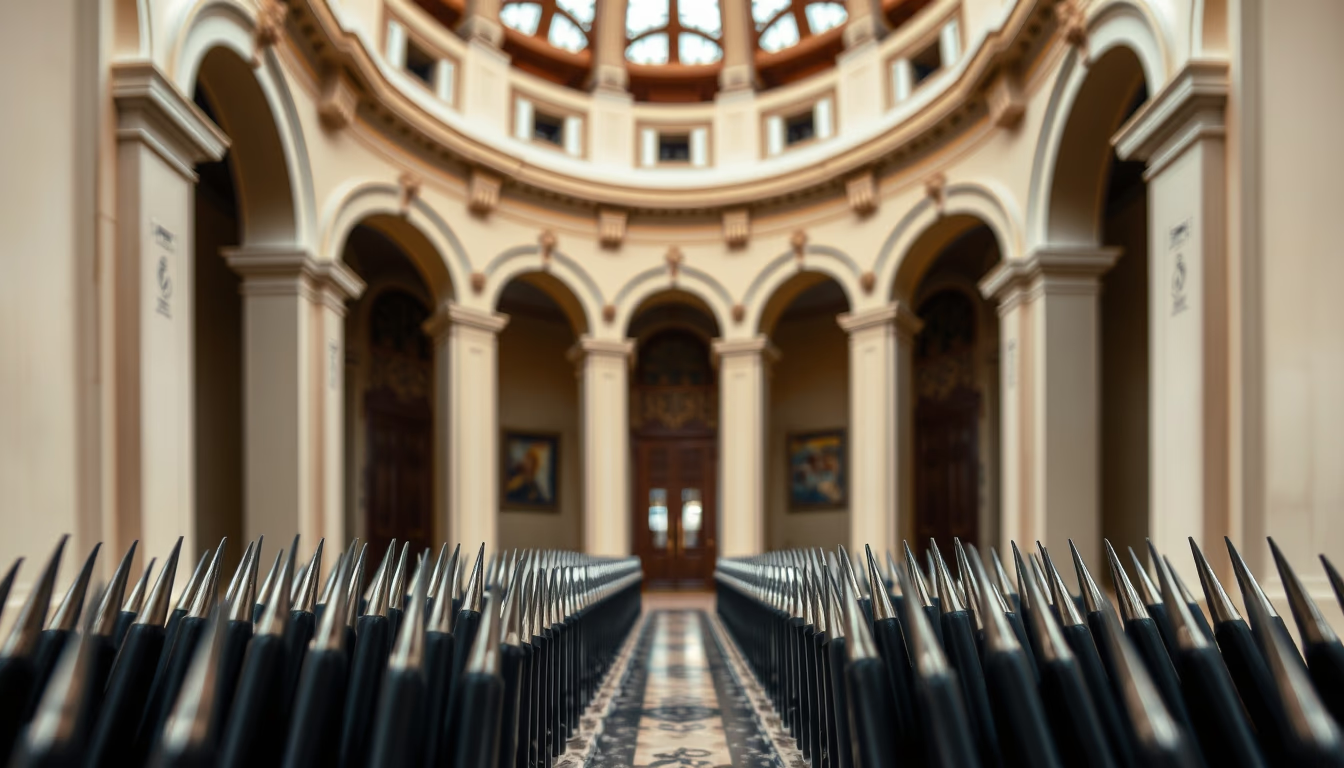
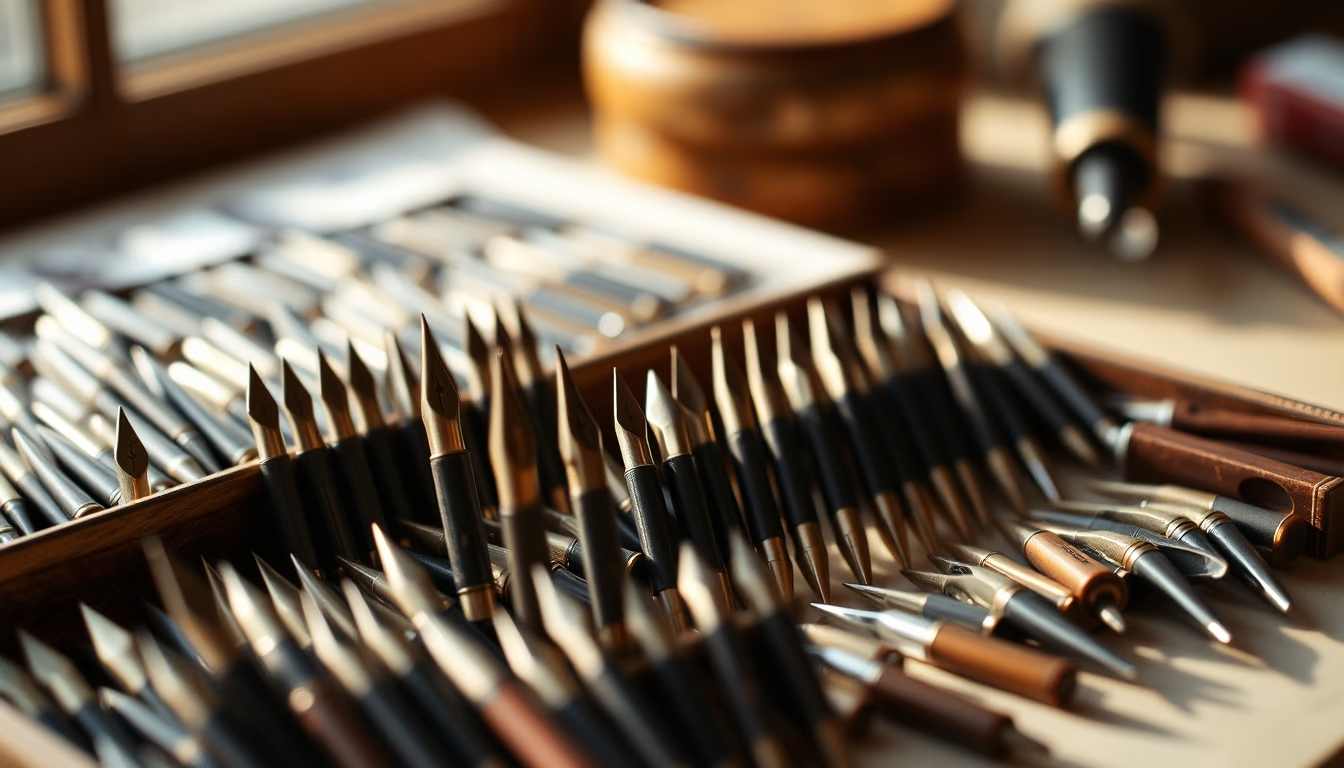
A collection of calligraphy nibs reveals the diversity of tools that enable everything from fine strokes to gothic letters. Metal nibs, such as those from Speedball or Brause, are essential for professional and amateur calligraphers.
About this subject
Calligraphy nibs are fundamental tools for the art of decorative writing, with origins dating back to antiquity. Metal nibs, such as those from brands like Speedball or Brause, replaced ancient bird feathers and are now the most common in collections. They vary in shape, flexibility, and tip thickness, enabling different styles: from fine copperplate with pointed nibs to robust blackletter with broad-edged nibs. A typical collection may include nibs of various widths, such as Fine, Medium, Broad, as well as variations like double-pointed or flexible nibs for pressure variation.
The term "nib" comes from Old English, referring to the cut tip of a writing instrument. In the 19th century, mass production of metal nibs, especially in Birmingham, England, made calligraphy accessible to a wider audience. Brands such as Gillott, Joseph Gillott, and William Mitchell stood out. Today, collectors seek rare nibs or those manufactured in specific periods. Despite the digital age, manual calligraphy is experiencing a revival as a hobby and artistic practice, valuing these small pieces of engineering.
Each nib has a distinct function. Round-point nibs produce uniform strokes, ideal for round scripts. Broad-edge nibs (chisel-shaped) create stroke width contrast between ascenders and descenders, essential for Gothic and italic scripts. Flexible nibs, with a V-shaped cut, allow lines that vary from thin to thick according to hand pressure, used in Copperplate and Spencerian writing. The choice of nib also depends on the type of ink: some work better with thicker inks, others with watercolor or India ink.
To maintain a collection, it is crucial to clean nibs after use to prevent corrosion, especially steel nibs. Storage in cases or individual dividers protects the tips. The variety among models is enormous: there are numbered nibs from 0 to 6 (or more) for different widths, plus special nibs for ornate letters. Experienced calligraphers often own dozens or hundreds of nibs, each with a specific purpose.
Frequently Asked Questions
What are the main types of calligraphy nibs?
The main types include round-point nibs (for uniform strokes), broad-edge or chisel nibs (for thickness contrast in Gothic letters), and flexible nibs (which vary in thickness with pressure, used in Copperplate).
How do you clean a metal calligraphy nib?
After use, rinse the nib under running water or with a mild detergent solution, dry it completely with a soft cloth, and store it in a dry place to prevent rust.
What is the difference between a Speedball and a Brause nib?
Both are reputable brands. Speedball nibs are known for durability and a wide range of sizes, while Brause nibs offer different flexibility and are preferred for styles like Copperplate. The choice depends on personal preference and the type of calligraphy.
Direct URL
https://pub-c7d6a6ea828543ac903a74a341ccb2e1.r2.dev/imagens/calligraphy-nibs-collection-architectural-photography-fresh9.avifHow to credit
Include a visible link back to UtilizAí. Copy one of the snippets below:
<a href="https://xn--utiliza-eza.com/en/midia/imagens/calligraphy-nibs-collection-architectural-photography-fresh9">Calligraphy nibs collection</a> by <a href="https://xn--utiliza-eza.com">UtilizAí</a>, licensed under <a href="https://creativecommons.org/licenses/by/4.0/">CC BY 4.0</a>.
[Calligraphy nibs collection](https://xn--utiliza-eza.com/en/midia/imagens/calligraphy-nibs-collection-architectural-photography-fresh9) by [UtilizAí](https://xn--utiliza-eza.com), CC BY 4.0
License: CC-BY-4.0